
South America
The continent's politics, economies, conflicts and cultures. Every Magna Bureau news story mapped to South America, in one place.
Regional scores, recomputed
Regional scores are recomputed from member-country figures: factbook population and official-exchange-rate GDP, and sourced resource shares. Peace and industrialization show n/a (incomplete) because per-country GPI and MVA-per-capita series are not yet in the Bureau's data. Resource shares are floors from sourced top holders only, never totals that pretend to be complete.
Peace: n/a (incomplete). No per-country peace score series is held in the Bureau's data yet, so no regional peace figure is published. A missing series is never replaced by a proxy.
Industrialization depth: n/a (incomplete). No per-country manufacturing-value-added per capita series is held in the Bureau's data yet, so no regional industrialization figure is published. GDP per capita is prosperity, not manufacturing depth, and is never substituted for it.
Crude oil, proven reserves: at least 19.4% (VEN 19.4%). Source: OPEC Annual Statistical Bulletin 2025, year-end 2024 reserves, world 1,567B bbl (Vintage YE2024).
LNG exports: No sourced holder among member countries.
Hydrocarbons: Rank 2 of 6 regions
Lithium, mined: at least 24.0% (CHL 24.0%). Source: IEA/UNCTAD, 2024 (Vintage 2024).
Copper, mined: at least 33.0% (CHL 23.0%, PER 10.0%). Source: IEA/UNCTAD, 2024 (Vintage 2024).
Silver, reserves: at least 18.0% (PER 18.0%). Source: USGS-based secondary compilation, marked as such in the design (section 7 item 12) (Vintage 2024-2025).
Other metal families: No sourced holder among member countries.
Metals and minerals: Rank 3 of 6 regions
Phosphate rock, reserves: No sourced holder among member countries.
Potash, reserves: No sourced holder among member countries.
Fertilizer minerals: Rank 2 of 6 regions
Scale: $4.3T, 444M people. GDP summed from factbook official-exchange-rate values; population summed from factbook profiles. Rank 5 of 6 regions
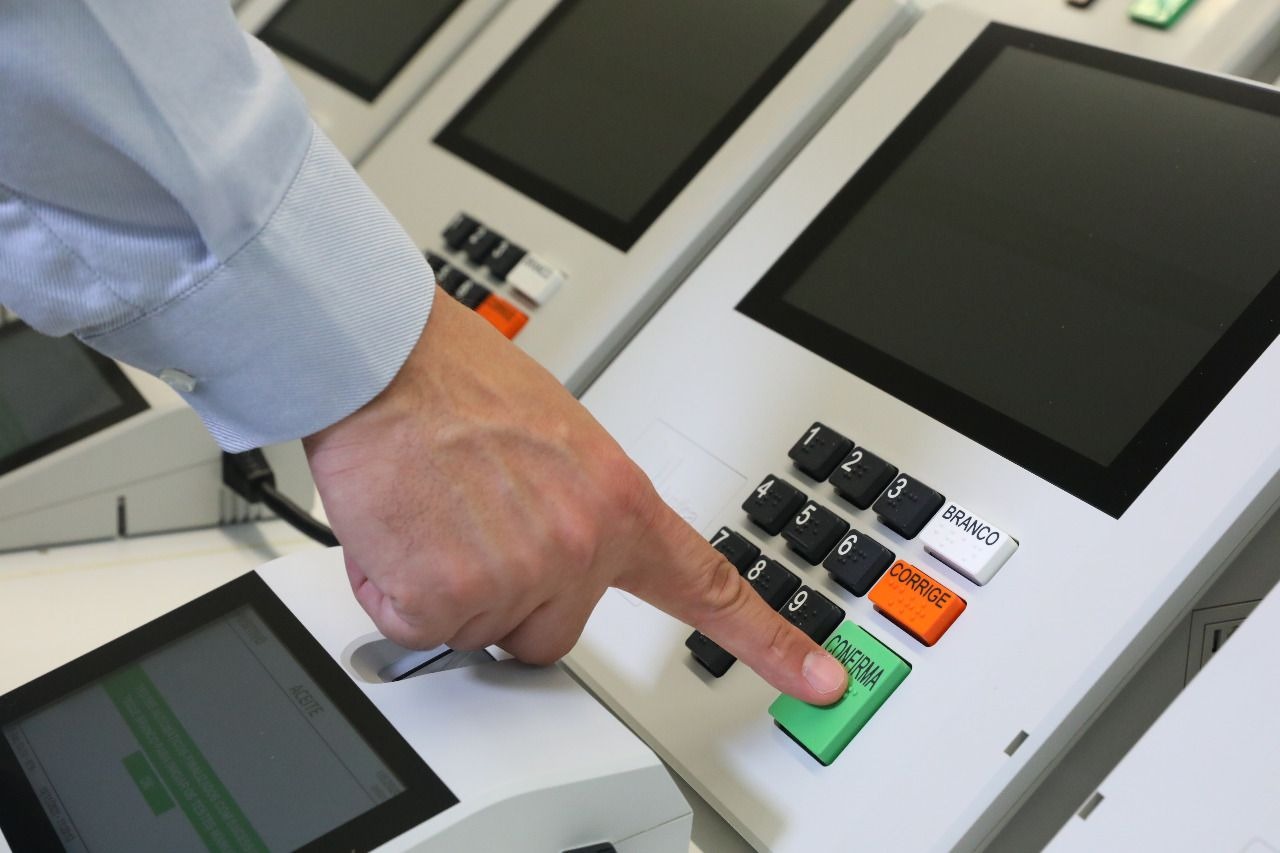
Lula Wins Brazil's Runoff and a Historic Fourth Term After a Comeback No One Had Made Before
The electoral court has announced the final certified result: Lula won the runoff with 51.77 percent of valid votes (64,194,247 votes) against 48.23 percent for Flávio Bolsonaro (59,799,105 votes), reversing a first-round defeat and denying the Bolsonaro family a return to the presidency.
A crane fell onto São Paulo's monorail — and the next train ran straight into it
On Saturday 24 October 2026, a crane toppled onto the elevated Line 15-Prata near Camilo Haddad station in São Paulo, and a passing monorail train struck the fallen equipment. The wreckage plunged into a busy street below, the crane operator was reported injured, and passengers were evacuated safely — while the cause of the collapse remains unknown.
Forty-eight hours out: Lula and Flávio Bolsonaro meet in a final debate with Brazil's presidency on a knife's edge
Tonight on TV Globo the two finalists make their last direct case to a nation split 50-50. On Sunday, Brazil decides between a fourth Lula term and a return of the Bolsonaro project — a choice with consequences from Washington to Pretoria.
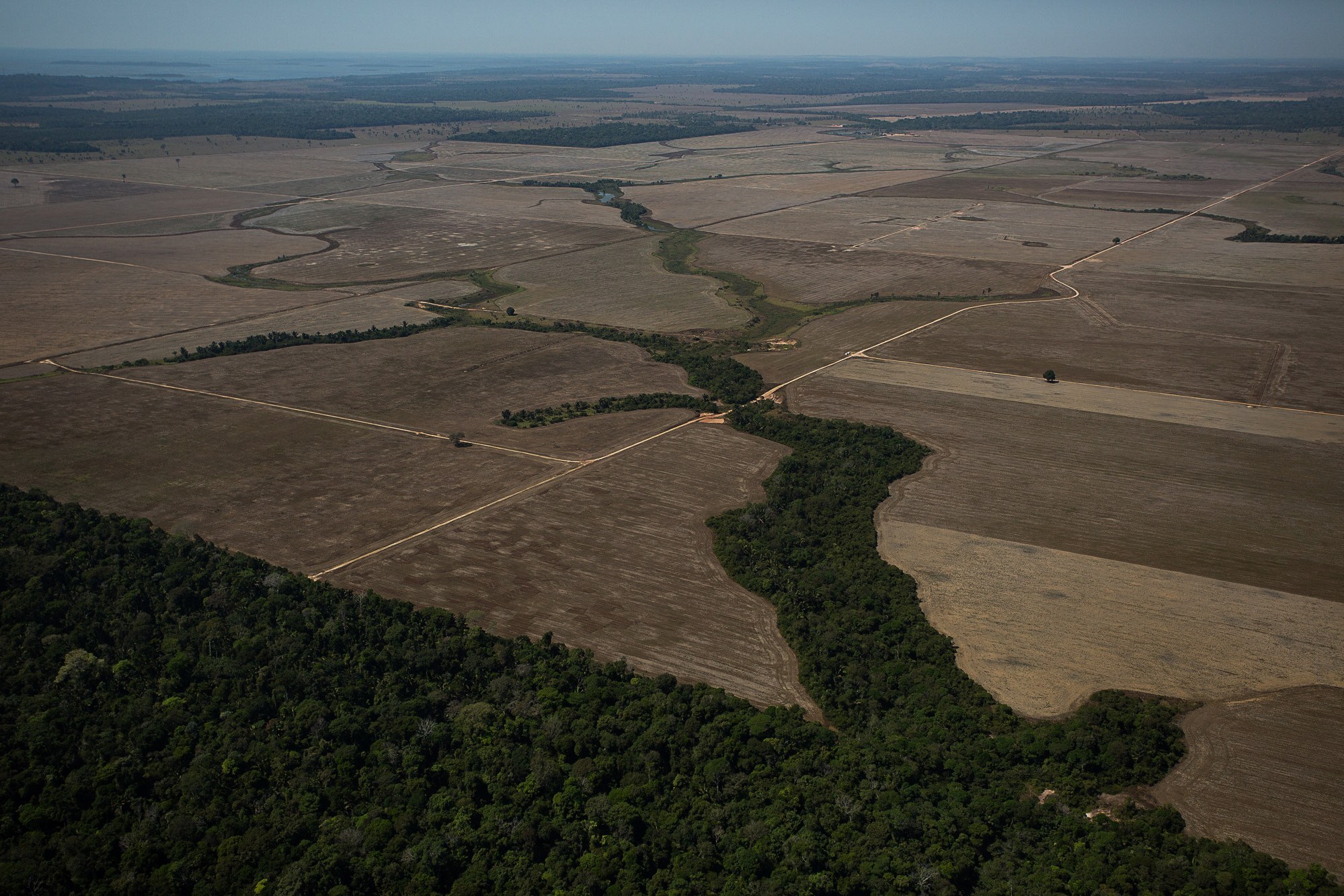
Brazil's Amazon deforestation falls to record low as decisive run-off looms
Satellite data shows forest clearance dropped 41.8% to 3,335 square kilometres — the lowest since records began in 1988. President Lula is turning the greenest number of his presidency into an election argument; his rival's camp sees a rollback waiting to happen.

Meta Employees Acknowledged Restrictions on Lula's Accounts During Brazil Election, Report Says
Internal Meta messages reviewed by Folha de S.Paulo acknowledge restrictions on President Lula's Instagram accounts — and the promotion of Flavio Bolsonaro's profile — nine days before Brazil's runoff. An electoral court has ordered equal treatment under daily fines.

Colombia marches against de la Espriella's austerity
Thousands took to the streets on October 14 in the first major protest against President Abelardo de la Espriella's austerity drive. Congress has until Tuesday to decide how the 2027 budget is spent.
Venezuela: the standoff that never ends
A disputed election, a rival presidency claim, sanctions and the world's largest oil reserves. Why Venezuela's crisis has no exit.
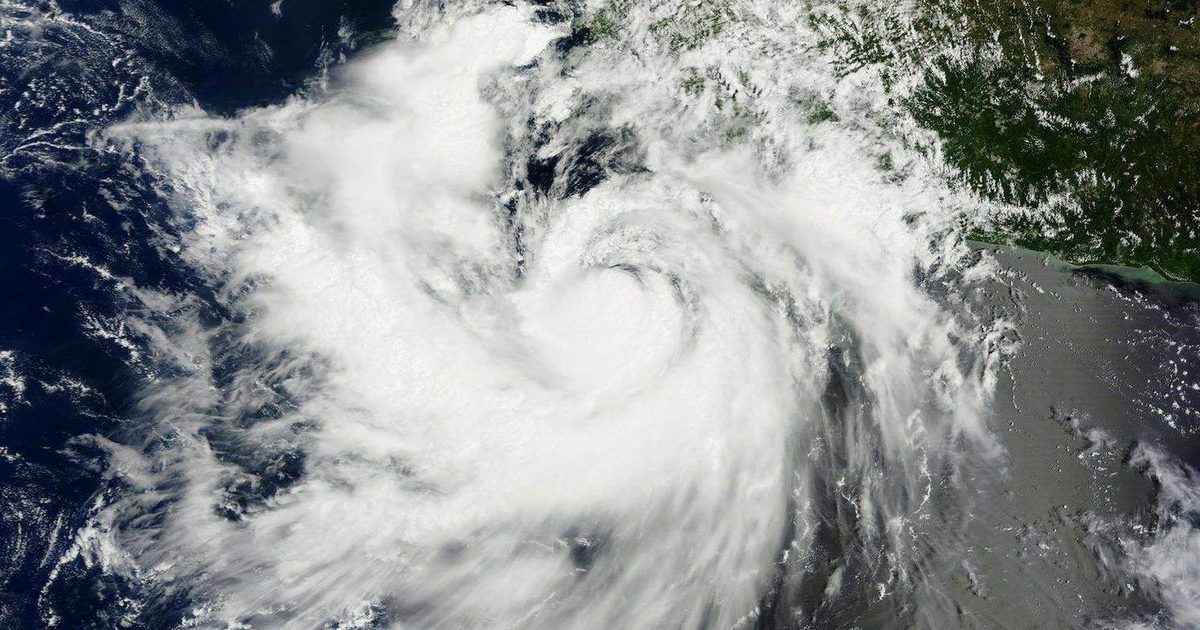
The planet keeps its own ledger: what tipping points really mean — and what they don't
Greenland, West Antarctica, the Amazon and the Atlantic circulation are not metaphors. They are physical systems with thresholds. The science is clear on the direction; the argument is about speed, sequence and what can still be stopped.
Argentina bets everything on Milei
Milei took office in December 2023 vowing to crush inflation and shrink the state. The surplus arrived, prices cooled, and the social cost is being counted.

Pope Leo XIV lung operation: what a week at Gemelli means for the papacy
The 71-year-old pope announced the lung surgery himself on Sunday, enters Rome's Gemelli hospital on Tuesday, and still plans November's South America trip. Here is what we know so far.
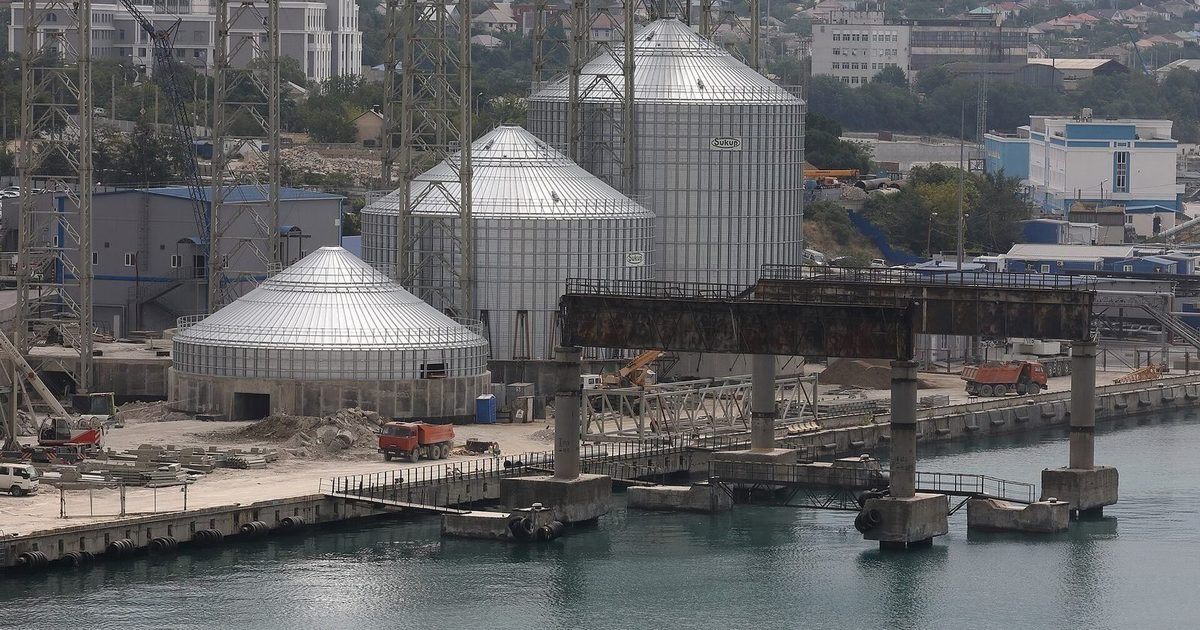
Mato Grosso plants soybeans in dust as El Niño threatens Brazil's record harvest
In Brazil's soybean capital, farmers are dropping seed into dry earth as El Niño delays the rains — and with Brazil feeding seven in ten soybeans China buys, the world is watching the sky.
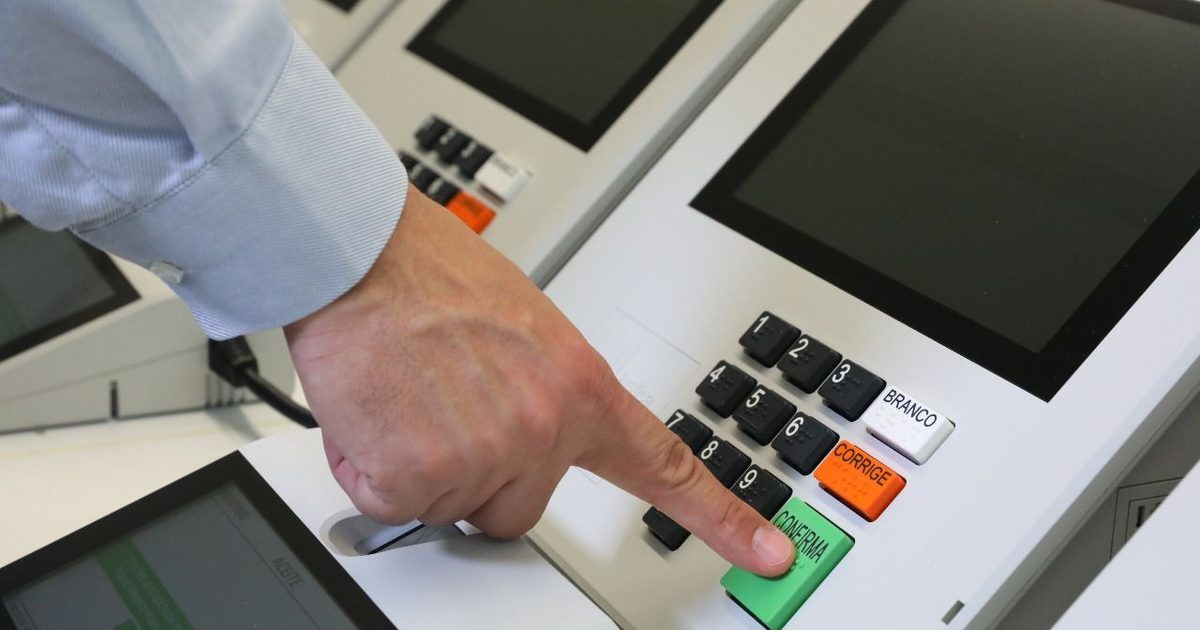
Bolsonaro stuns Lula in Brazil's first round — and the polls never saw it coming
Flávio Bolsonaro beat Lula 47.1% to 45.1% in Brazil's first round — a shock the final polls missed by miles. Runoff: October 25.
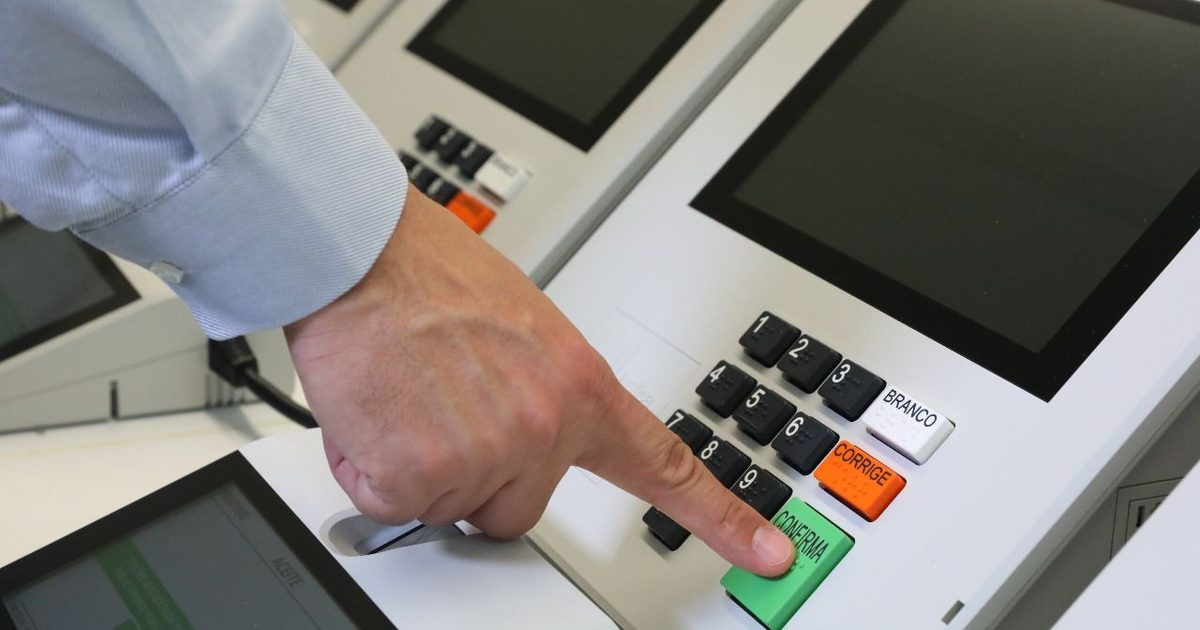
Brazil votes as Lula and Flávio Bolsonaro head for a knife-edge first round
It is not Jair Bolsonaro on the ballot — the former president is under house arrest — but his eldest son, and the polls point to a dead-heat runoff on October 25.
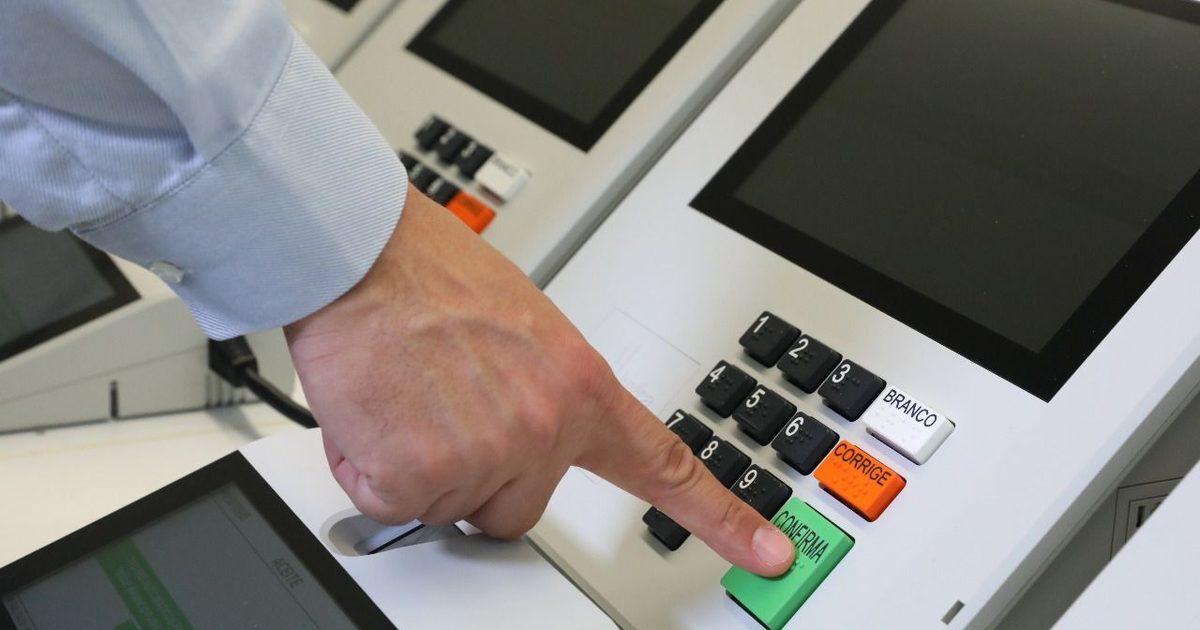
Lula and Flávio Bolsonaro face off as Brazil votes in a dead-heat presidential race
Nearly 160 million Brazilians are voting in a presidential election that pits the 80-year-old incumbent against the son of Jair Bolsonaro — a contest shaped by the cost of living, religion and a vote to keep the other side out.
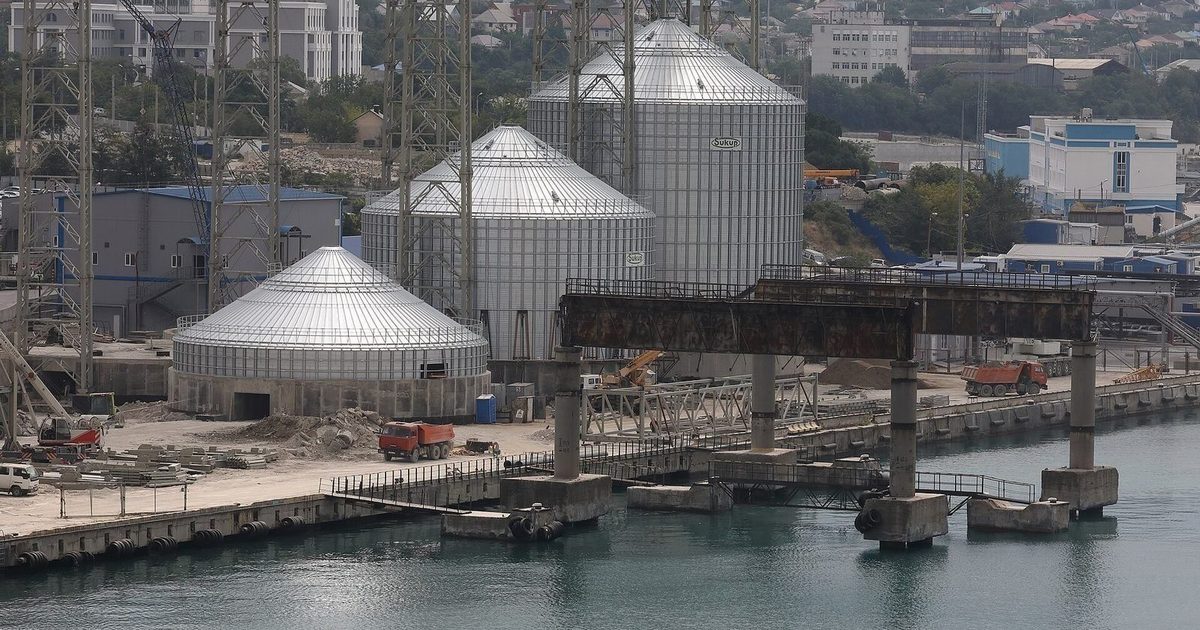
The Bean That Moved the World: Brazil’s Record Harvest and the Great Rerouting of the Protein Trade
StoneX sees 183.36 million tons — a record. But the number that matters is zero: the number of American grain ships at a major Chinese port since July.
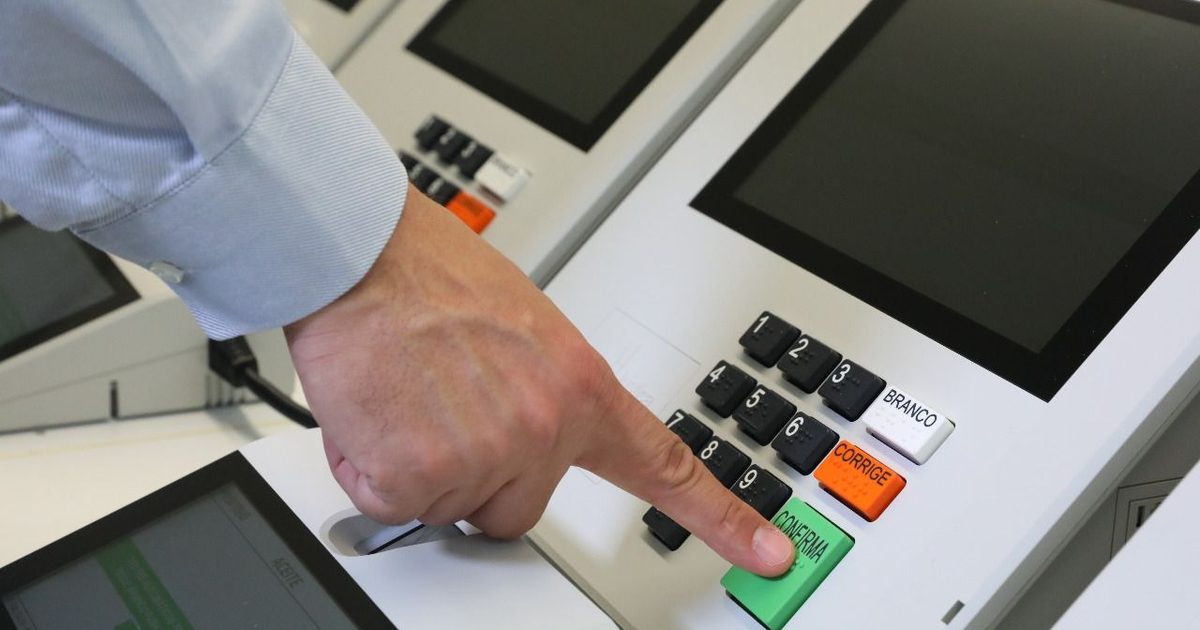
Five days out, Brazil's election is a coin flip: the final polls
AtlasIntel has Bolsonaro a tenth of a point ahead in a simulated runoff; BTG/Nexus has Lula ahead by two. The first round is Sunday — and 5,000 interviews say nobody knows.
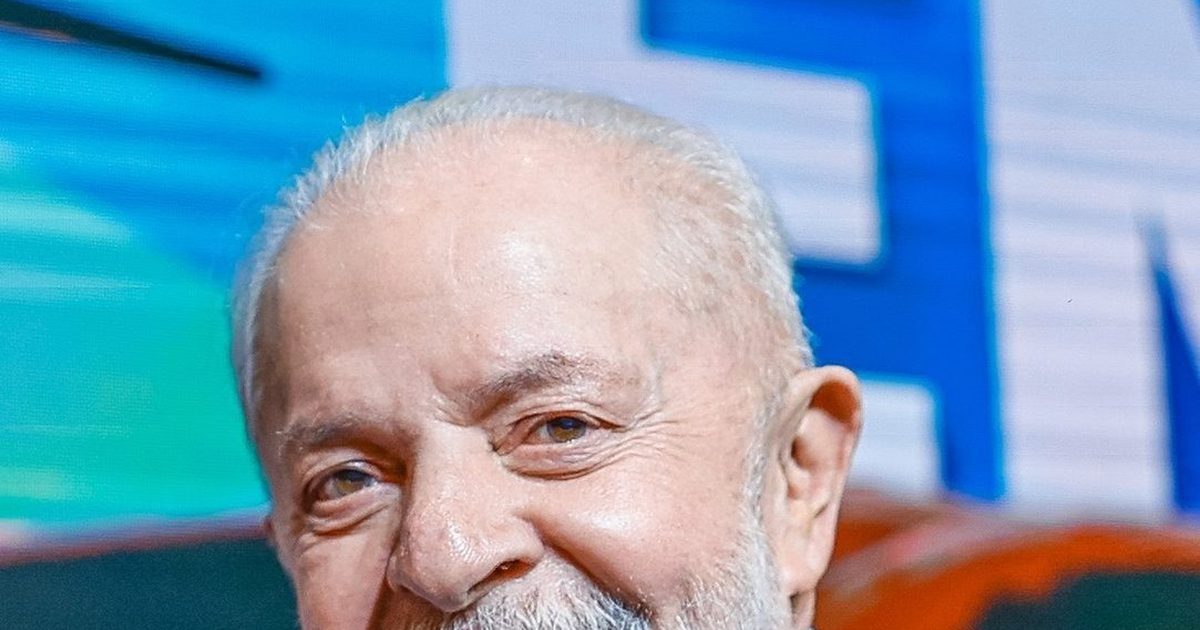
Lula signs it into force: the Mercosur-EFTA pact goes live October 1
Brazil's president promulgated the free-trade agreement with the EFTA states by decree on September 23. It takes effect October 1 for Brazil and Iceland, November 1 for Norway — ten rounds of talks since 2017, now law.
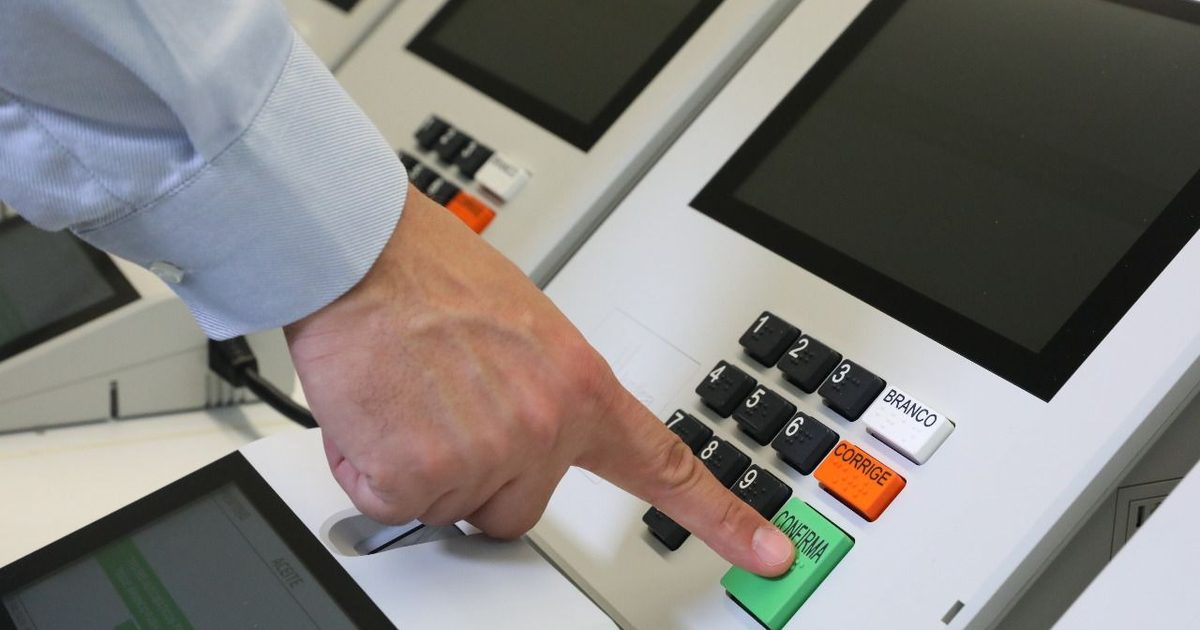
Inflation ambushes Brazil's election weeks before the runoff
Mid-September prices rose 4.47% — above every forecast — as the central bank cut 2026 growth to 1.8% and warned of a 90% chance of breaching the inflation ceiling. The runoff now has a third candidate: the price level.
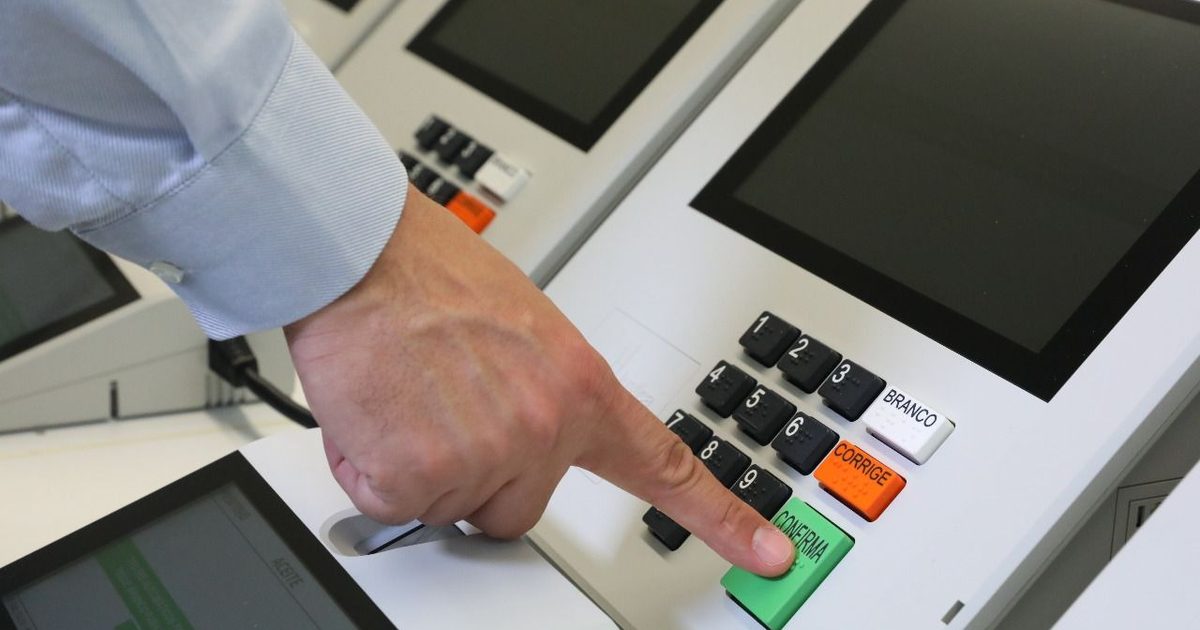
Election day in Brazil: a tied runoff, a dynasty on the ballot, and a count the polls already got wrong once
More than 158 million Brazilians vote on Sunday in a presidential runoff that every final poll calls a statistical tie, between an 80-year-old incumbent seeking a fourth term and the 45-year-old son of the jailed former president he defeated four years ago.
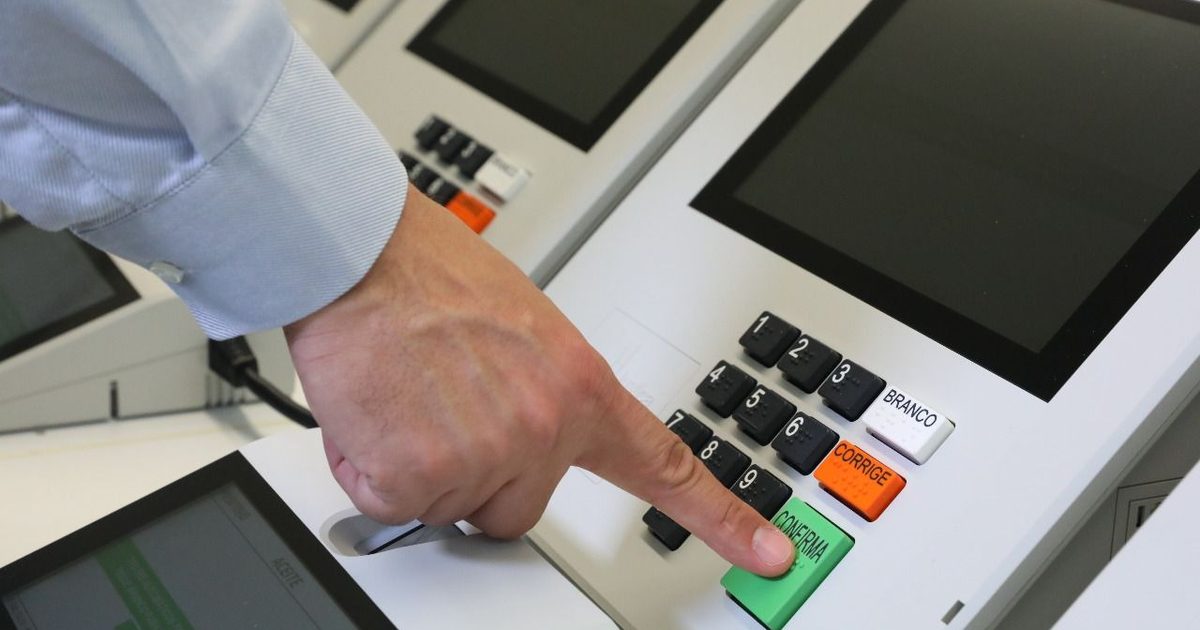
The cartels want a seat at the ballot box
One week before Brazil votes, prosecutors are trying to keep gang-linked candidates off the ballot — while the two frontrunners accuse each other of being the cartels' best friend. Democracy, with body armor.
Countries in this region
Argentina · Bolivia · Brazil · Chile · Colombia · Ecuador · Guyana · Paraguay · Peru · Suriname · Uruguay · Venezuela
Problems → solutions
Follow a problem in this region to its solution, through the region layer. Friction class is shown as a dot and a word, never colour alone.
Brazil is one of the world's largest fertilizer consumers and importers, with acidic soils and heavy reliance on imported fertilizer; supply disruptions pushed fertilizer prices to ~$900/t from pre-COVID ~$300/t. The exposure is structural: the country that feeds the world on soy and beef cannot feed its own soil without imports.
Source: Fertilizer-price and Brazil-import reporting (USGS-context coverage) (Vintage 2024–2025, I03).
Sweet spot · Solution
OCP (state-owned, founded 1920) mines the rock, processes it into phosphoric acid and fertilizer, and exports to 40+ countries; fertilizer capacity 16M t/yr, SP2M target 20M t/yr by 2027; raw-ore exports 6.8M t in 2025 with India the largest buyer; exports via Casablanca, Safi, Jorf Lasfar, Laayoune; OCP has built fertilizer plants in Nigeria and Ethiopia. This is the problem→solution path for African food security: the holder of ~68% of reserves (H04) is also the processor and the plant-builder on the consuming continent.
Source: USGS (reserves); OCP/SP2M capacity and plant footprint as reported by SMM and Morocco coverage (Vintage 2025, I02).
Holding
Morocco ~50B t (~68-70% of world reserves, including the Moroccan Sahara deposits at Bou Craa); Algeria + Tunisia ~4.7B t (~6%); China ~3.2B t (~4%); Egypt ~2.8B t (~4%); USA ~1B t (~1%). Bureau naming: 'Moroccan Sahara' (sources cited here say 'Western Sahara').
Source: USGS Mineral Commodity Summaries (phosphate rock) (Vintage 2024 (USGS MCS 2024 basis; figure stable across 2024–2026 summaries), H04).
April 2025: controls on 7 heavy rare earths + the magnets made from them. October 2025: expanded to foreign-made products containing Chinese rare earths (5 more elements added: holmium, erbium, thulium, europium, ytterbium). November 2025 (Busan summit): the broadest measures paused, the licensing system kept. The flow at stake is the ~90% of world refining (H03).
Source: Chinese export-control measures 2025 (as reported by IEA July 2026 assessment and USGS-based coverage) (Vintage 2025, I01).
Holding
China holds ~44M t of ~85M t global rare-earth reserves (~51.7%); Brazil is #2 at ~21M t, then Australia, Russia, Vietnam, USA.
Source: USGS Mineral Commodity Summaries 2026 (released Feb 2026) (Vintage year-end 2025, H01).
Holding
Global mine production ~390,000 t (2025); China ~270,000 t (~69%); USA ~51,000 t.
Source: USGS Mineral Commodity Summaries 2026 (Vintage 2025, H02).
Holding
China accounts for ~87-90% of global rare-earth separation/refining (and ~90% of NdFeB magnet manufacture). Mining share (~69%) understates the leverage; processing is the chokepoint.
Source: USGS assessment of China's mineral industry (2024); IEA Global Critical Minerals Outlook 2025 (refining 85-90%) (Vintage 2024, H03).
The honest answer is diversification, and the table shows the concentration and the emerging alternatives without claiming an alternative that does not yet exist at scale.
Friction: where things grind (conflict, sanction, blockade, dispute, export control, policy shock, disrupted corridor, extreme concentration under interference). Smooth: where things flow easily (a working corridor at volume, a functioning coordination, a fallback absorbing diverted flow). Sweet spot: where the flow is optimal (a vertically integrated solution chain, or the deepest institutional integration). Ease: where movement is easiest (contiguous, integrated, or borderless movement with no policy barrier).
Signals and flows
Every sourced interconnection touching this region, grouped by friction class.
Brazil fertilizer import exposure
Brazil is one of the world's largest fertilizer consumers and importers, with acidic soils and heavy reliance on imported fertilizer; supply disruptions pushed fertilizer prices to ~$900/t from pre-COVID ~$300/t. The exposure is structural: the country that feeds the world on soy and beef cannot feed its own soil without imports.
Source: Fertilizer-price and Brazil-import reporting (USGS-context coverage) (Vintage 2024–2025, I03). A food-producing giant that cannot produce its own fertilizer at scale: every phosphate, potash or nitrogen shock lands directly on Brazilian farm margins and, through them, on world food prices.
Lithium Triangle → China refining chain
Triangle holds >50-60% of world lithium reserves (H14); China refines 65%. Chile's 2023 move to nationalize lithium assets triggered a 22% lithium carbonate price spike within a month. China owns or funds much of the Triangle's processing and refining despite owning little lithium itself.
Source: IEA (shares); USGS (triangle reserves); Chile policy episode reporting (Vintage 2023–2024, I07). Reserves sit in three countries, refining in one: any policy move at either end reprices the whole battery chain within weeks (Chile 2023: +22% in a month).
BRICS
10 confirmed full members (Brazil, Russia, India, China, South Africa, Egypt, Ethiopia, Iran, UAE, Indonesia, Indonesia joined Jan 2025). Saudi Arabia is listed by BRICS/India's 2026 presidency as an 11th member but has never publicly confirmed acceptance (Reuters, May 2025: Riyadh 'held off formally joining'), treated here as DISPUTED, not confirmed. ~10 partner countries (Belarus, Bolivia, Cuba, Kazakhstan, Malaysia, Nigeria, Thailand, Uganda, Uzbekistan, Vietnam). Decisions by consensus. Institutions: New Development Bank (NDB), Contingent Reserve Arrangement (CRA). 2026 chair: India (18th summit, New Delhi, 12-13 Sep 2026; focus: supply-chain resilience, cross-border payments, national currencies for trade). What BRICS is NOT: a common currency, the 2026 chairship's mechanism is a cross-border payment framework linking national systems for local-currency settlement, explicitly not a single currency.
Source: BRICS official materials / India's 2026 presidency communications; Reuters (May 2025) on Saudi Arabia (Vintage 2026 (India chairship), I17). The bloc coordinates (summits, NDB, CRA, payment framework) and meets, it functions. Strains (analytical, not sourced as events): India-China rivalry inside the tent, divergent interests across 10+ economies, the unresolved Saudi membership, and consensus decision-making that slows joint action. Smooth with strains, not sweet, not friction.
Morocco OCP phosphate → fertilizer → Africa chain
OCP (state-owned, founded 1920) mines the rock, processes it into phosphoric acid and fertilizer, and exports to 40+ countries; fertilizer capacity 16M t/yr, SP2M target 20M t/yr by 2027; raw-ore exports 6.8M t in 2025 with India the largest buyer; exports via Casablanca, Safi, Jorf Lasfar, Laayoune; OCP has built fertilizer plants in Nigeria and Ethiopia. This is the problem→solution path for African food security: the holder of ~68% of reserves (H04) is also the processor and the plant-builder on the consuming continent.
Source: USGS (reserves); OCP/SP2M capacity and plant footprint as reported by SMM and Morocco coverage (Vintage 2025, I02). Vertically integrated and geographically matched: rock + chemistry + ports + consuming-continent plants. The flow is optimal for its purpose (African fertilizer supply), the sweet-spot exemplar. The dependence it creates for importers is the mirror row (I03).
Rank signals appear here when a rankBy recompute moves an entity. No rank-change history feed is wired yet, so no rank signals are shown in this build; the strip above updates on recompute.
Holdings in this region
H01 · rare earths, reserves
China holds ~44M t of ~85M t global rare-earth reserves (~51.7%); Brazil is #2 at ~21M t, then Australia, Russia, Vietnam, USA.
Source: USGS Mineral Commodity Summaries 2026 (released Feb 2026) (Vintage year-end 2025).
H06 · crude oil, proven reserves
World ~1,567B bbl (year-end 2024).
Source: OPEC Annual Statistical Bulletin 2025 (Vintage year-end 2024).
H07 · crude oil + liquids, production
2024 production (total liquids, M b/d): USA 20.1, Saudi Arabia 10.9, Russia 10.8, Canada 5.9, Iran 5.1, Iraq 4.4, China 4.3, UAE 4.0, Brazil 3.5, Kuwait 2.7, Venezuela 0.96.
Source: OPEC ASB 2025 / EIA, via Visual Capitalist production table (Vintage 2024).
H08 · gold, mine production
World ~3,661 t (2024, record).
Source: World Gold Council (2024 mine production) (Vintage 2024).
H14 · lithium, mine, refining, reserves
Mine: Australia 33%, Chile 24%, China 18%.
Source: IEA Critical Minerals Outlook 2026 (2024 shares); USGS (triangle reserves share) (Vintage 2024).
H15 · copper, mine and refining
Mine: Chile 23%, DRC 13%, Peru 10%.
Source: IEA Critical Minerals Outlook 2026 (2024 shares) (Vintage 2024).
H19 · iron ore, bauxite, uranium, silver, zinc, manganese, coal, reserves
Iron ore: Australia 31%.
Source: USGS-based reserves compilation (secondary) (Vintage secondary compilation (USGS-based)).