Director of National Intelligence Jay Clayton told Secretary of State Marco Rubio in a 23 October memorandum that Iran has substantially increased efforts to target American personnel. Washington has ordered staff out of Saudi Arabia and trimmed missions across the Gulf — but the memorandum names no target, no country outside the Middle East, and no timeline.
Published 24 October 2026 · 16:01 GMT
Director of National Intelligence Jay Clayton told Secretary of State Marco Rubio in a 23 October memorandum that Iran has substantially increased efforts to target American personnel. Washington has ordered staff out of Saudi Arabia and trimmed missions across the Gulf — but the memorandum names no target, no country outside the Middle East, and no timeline. A one-page, unclassified memorandum dated 23 October from Director of National Intelligence Jay Clayton to Secretary of State Marco Rubio warns that Iranian lethal plotting against Americans has reached advanced stages.
A one-page, unclassified memorandum dated 23 October from Director of National Intelligence Jay Clayton to Secretary of State Marco Rubio, copied to CIA Director John Ratcliffe, says Iran has substantially increased efforts to target American personnel and that lethal plotting has reached advanced stages in the Middle East and certain other countries; the memorandum was first reported by Axios and its authenticity was confirmed by a United States official.
Whether the warning reflects imminent, operational plots or a broader threat picture being circulated for precaution and deterrence. American officials cited in reporting differ on Iran's capacity to act, and the memorandum itself names no target, country outside the Middle East, method or timeline, so the same document supports both a maximal and a cautious reading.
What the underlying intelligence actually shows, whether any specific plot exists and whom it targets, how much of the staffing decision the plotting warning rather than the Houthi campaign explains, whether Iran will respond to the memorandum itself, and whether a new American-Israeli campaign follows the midterm elections.
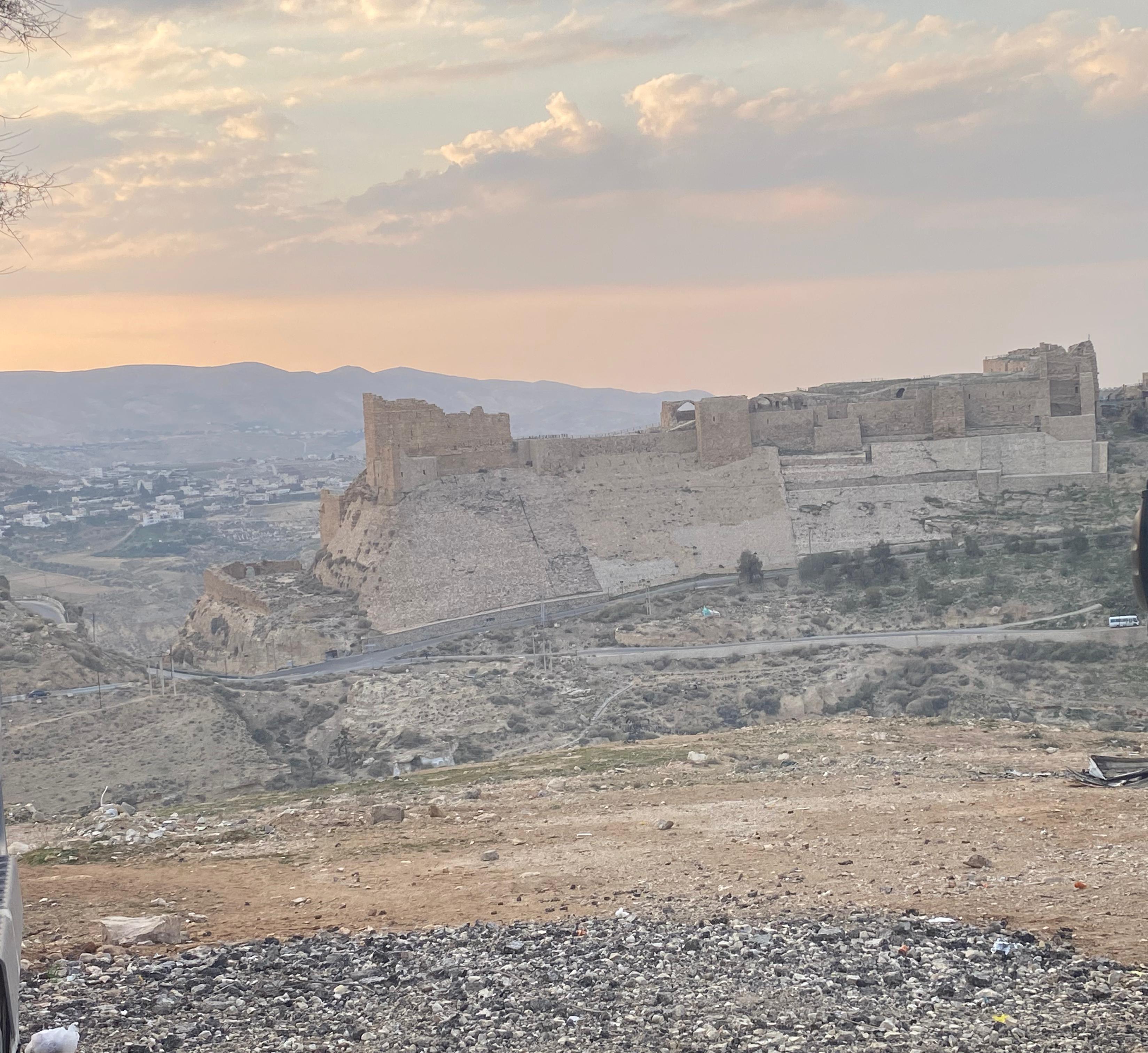
United States intelligence agencies have warned that Iranian efforts to target American personnel abroad have reached an advanced stage, prompting Washington to trim its diplomatic presence across the Middle East. The warning came in a one-page, unclassified memorandum dated 23 October from Director of National Intelligence Jay Clayton to Secretary of State Marco Rubio, who also serves as national security adviser, with a copy to CIA Director John Ratcliffe. Axios first reported the memorandum; a United States official later confirmed its authenticity to The New York Times on behalf of the administration, and CNN obtained its own copy and reported that its substance broadly matched the intelligence community's assessment.
Clayton's language was unusually blunt for an unclassified document. “Through various channels, we have received intelligence that Iran has substantially increased efforts to target U.S. personnel,” he wrote. “The lethal plotting efforts by the Iranians against U.S. citizens have reached advanced stages in both the Middle East and certain other countries.” The memorandum's subject line described lethal plotting against Americans in the Middle East and certain other countries, and Clayton offered to brief Rubio and to downgrade as much of the intelligence as possible so it could be shared more widely inside the State Department.
On Friday, President Donald Trump said the United States “may do another little Epic Fury”, using the codename for the American-Israeli war against Iran that began in late February, while an envoy's warning that America could strike Iran "this weekend" kept renewed strikes in the headlines.
The document is short, and its limits matter as much as its warning. It says Iran has substantially increased its efforts to target American personnel, and that lethal plotting has reached advanced stages in the Middle East and in certain other countries. It does not name specific targets, it does not identify the countries outside the Middle East, it does not describe the nature of the plots, and it does not say that any attack is imminent. Anyone reading the memorandum alone cannot tell who is supposedly at risk, where outside the region, or by what means.
Clayton also explained why he was writing in this form. He wrote that certain intelligence about Iranian efforts to target American government officials was relevant to more individuals than are currently cleared to receive it, that the material had already been provided to appropriately cleared senior staff on Rubio's team, and that his office would make every effort to downgrade as much intelligence as possible so Rubio could share it with State Department personnel at his discretion. The memorandum was therefore as much a circulation decision as an alarm: in Clayton's judgement, the circle allowed to see the underlying material was too small for the risk it described.
The reporting around the memorandum adds texture the document itself does not contain. The New York Times, citing American officials, reported that threats to American officials, including ambassadors, had been assessed in recent weeks, that Iran had lined up potential targets in Europe, and that some intelligence indicated Iranian operatives were already active inside the United States. The same reporting recorded a counterweight: another official played down Iran's ability to carry out attacks inside the United States and elsewhere, saying Tehran lacked the capacity to follow through on all of its ambitions. The Times also reported that the threat to Americans in the Middle East was assessed at its highest level since the war with Iran began.
The most important unknown is also the most basic: the underlying intelligence has not been made public. No evidence, no named target, no intercepted plan and no arrested suspect has been presented in connection with this memorandum. The public knows that American intelligence agencies assess that Iranian plotting has advanced; it does not know what they saw, how they saw it, or how confident they are about each element. Until that material is shared, even in downgraded form, the claim remains an assessment by one government about another, not a fact established in the open.
Iran has not responded to the news of the memorandum itself. That silence leaves open the central question of intent: whether Tehran is directing new lethal operations, whether American analysts are reading Iranian contingency planning as imminent plotting, or whether the warning reflects a mix of genuine threat reporting and precautionary signalling ahead of a possible new military campaign. Iranian officials have repeatedly threatened retaliation for renewed American-Israeli attacks, and the Revolutionary Guards said on Wednesday that Tehran would follow a new offensive strategy, rather than limiting itself to retaliatory strikes, if the United States renewed attacks. It is also unclear how much of the staffing reduction was driven by the plotting warning and how much by the Houthi attacks, which alone explain the Saudi departure order.
Embassy staffing decisions are never purely administrative. Ordering families out of Saudi Arabia and trimming missions across the Gulf tells allies, adversaries and markets alike that Washington judges the risk to its own people to be serious, and it does so in public, through reporting that Tehran will certainly read. That publicity is part of the point: a warning that stays classified protects no one outside the classified circle, while a warning that surfaces can deter, reassure allies and prepare the public for decisions that may follow. It can also harden positions on both sides, giving each capital a reason to treat the other's next move as confirmation of hostile intent.
This is not the first time American officials have accused Iran of plotting against Americans, and the history is what makes the new warning both credible and contestable. In 2022, an Iranian Revolutionary Guards member was charged with trying to arrange the assassination of former National Security Adviser John Bolton, allegedly offering $300,000 for a killing in Washington or Maryland, according to the Justice Department. In March this year, a Pakistani national was convicted by an American court of plotting to assassinate Trump and other American politicians on the orders of the Revolutionary Guards. Last year, the American intelligence community warned that Iran would continue to directly threaten American persons globally, singling out officials it believed were involved in the 2020 assassination of Quds Force commander Qassem Soleimani.
If the alert hardens from a staffing adjustment into a standing posture, the costs will spread well beyond embassy rosters. Gulf governments will face pressure to harden their own facilities and to choose, more openly than they wish, between their American security partnerships and their interest in avoiding another round of war. Insurers and shippers already price Gulf risk by the week, and any sign that American personnel are being targeted, or that the Strait of Hormuz could again become a theatre of confrontation, feeds directly into freight rates, oil prices and the planning of every company with people in the region.
Four things will tell readers whether this warning was a precaution, a prelude or a turning point. First, whether the State Department widens or narrows its staffing adjustments, and whether any further ordered departure follows the Saudi one. Second, whether the downgraded intelligence Clayton promised reaches a wider circle and, through reporting, the public, with enough detail to test the claim. Third, whether Iran responds to the memorandum itself, rather than to the wider confrontation. Fourth, whether the Houthi campaign against Saudi Arabia escalates beyond the kingdom, as American officials fear, or subsides.
The calendar supplies its own markers. The midterm elections on 3 November are the date before which, according to reporting, a new campaign was not expected, and the period after them is when a decision on renewed strikes would become most visible. Any American or Israeli military move, any Iranian retaliation against bases, shipping or cables, and any further American withdrawal from a Gulf capital would each change the picture materially. Until one of those markers moves, the honest summary stays narrow: a serious warning, from a named intelligence chief, in a one-page document, about plots the public has not yet seen evidence of, in a war that has not yet ended.
The Western lens: a threat assessment treated as a policy document Seen from Washington, the memorandum reads less like a news story than like a bureaucratic event with consequences. Axios obtained the document, the Times confirmed it, CNN obtained its own copy, and the story immediately became a question about what the administration will do next: whether staffing cuts widen, whether the president orders strikes after the midterms, and whether downgraded intelligence reaches the wider circle of officials Clayton says need it. Western coverage therefore focuses on process, on the chain from intelligence to staffing to military option, and on the tension between officials who judge the threat at its highest since February and those who doubt Iran's capacity to act on every ambition.
The Eastern lens: West Asia counts the cost first Seen from New Delhi and the wider Asian press, the same memorandum reads as a West Asian security story with Asian consequences. The Hindu's reporting foregrounds the Houthi campaign against Saudi Arabia, the near-daily attacks this month and the strike on Riyadh's airport, and it recalls the earlier withdrawals before the February war and in July, placing the new warning inside a cycle of escalation and pause rather than presenting it as a single revelation. For Asian readers, the stakes are concrete: energy shipments, migrant workers, airlines and shipping lanes that cross the Gulf.
The Southern lens: the region that lives with the warning Seen from Doha and Riyadh, the story is not primarily about an American memorandum but about a region already living with war. Al Jazeera's explainer sets the warning inside the February war, the Revolutionary Guards' new offensive doctrine, and Iran's detailed plans to strike Gulf undersea cables , while Arab News, reporting from the Saudi capital's perspective, centres the Houthi attacks on Saudi civilian infrastructure that drove the departure order. From this vantage point, the memorandum is one more American document in a conflict whose costs are already being paid by the people of the region rather than debated in Washington.
Director of National Intelligence Jay Clayton wrote to Secretary of State Marco Rubio that Iran had substantially increased efforts to target American personnel and that lethal plotting had reached advanced stages in the Middle East and certain other countries. The one-page, unclassified memorandum was copied to CIA Director John Ratcliffe and first reported by Axios.
No. The memorandum named no specific targets, no countries outside the Middle East, and no methods, and it did not state that any attack was imminent. Its warning was about the assessed stage of Iranian plotting, not about a dated or located attack that the public has been shown evidence of.
The State Department ordered non-emergency personnel and families to leave Saudi Arabia, including Riyadh, Jeddah and Dhahran, citing Houthi attacks on Saudi infrastructure. It also reduced staffing, without ordered departures, at embassies in the United Arab Emirates, Lebanon, Qatar and Jordan, linking the moves to both Houthi attacks and Iranian plotting.
Iran has not responded to the news of the memorandum itself. Iranian officials have repeatedly threatened retaliation for renewed American-Israeli attacks, and the Revolutionary Guards said Tehran would follow a new offensive strategy, rather than limiting itself to retaliatory strikes, if the United States renewed attacks.
