 MAGNA BUREAU
The Wire
French police protest at their own ministry as riot squads buckle after two months on the streets
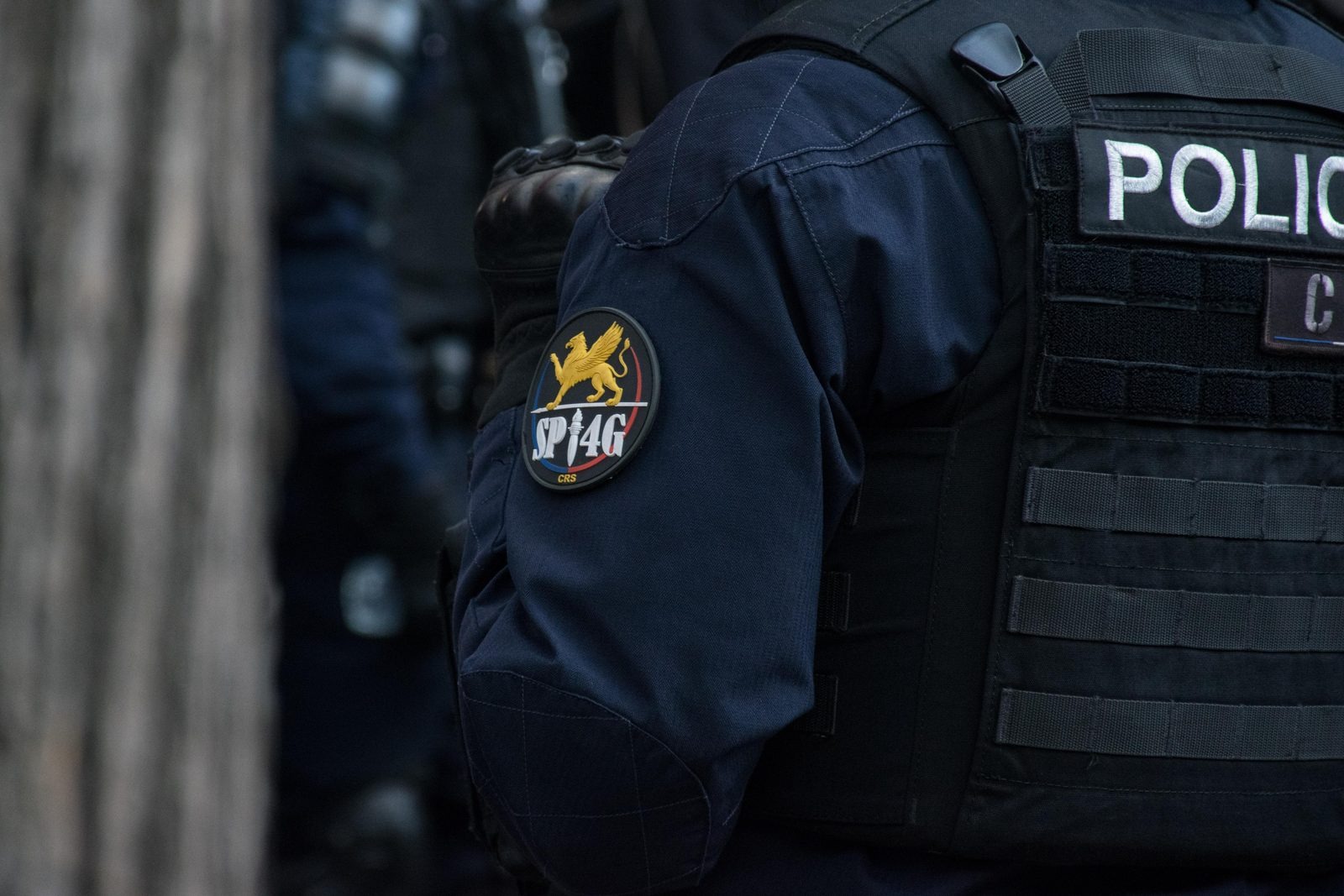
Officers of the CRS riot squads joined a surprise demonstration outside the Interior Ministry in Paris on Wednesday, pitching tents at Place Beauvau and demanding a rise in their risk pay; a day after hundreds of them stayed away from duty.
Key points
- French police staged a surprise demonstration outside the Interior Ministry in Paris on Wednesday 18 November, called by the Alliance Police Nationale union, with CRS riot officers among those present and tents pitched at the ministry gates. <span class=”src”><a href=”https://www.france24.com/en/video/20261118-french-police-hold-paris-rally-after-weeks-of-protests” target=”_blank” rel=”noopener”>France 24</a> (18 Nov 2026)</span>
- The unions demand an immediate rise in the ISSP risk premium to 35 per cent of base salary, from 28.5 per cent; Interior Minister Laurent Nuñez offered a phased rise of one point in April 2027, two in 2028 and two in 2029. <span class=”src”><a href=”https://www.lemonde.fr/en/france/article/2026/11/17/after-two-months-of-protests-anger-rises-among-french-riot-police_6782824_7.html” target=”_blank” rel=”noopener”>Le Monde</a> (17 Nov 2026)</span>
- On Tuesday 17 November, several hundred CRS officers were absent on medical appointments; Le Monde counted almost 30 of the 63 CRS companies nationwide affected, with nearly 1,000 officers involved, and the CRS 8 rapid-response unit at a standstill. <span class=”src”><a href=”https://www.lemonde.fr/en/france/article/2026/11/17/after-two-months-of-protests-anger-rises-among-french-riot-police_6782824_7.html” target=”_blank” rel=”noopener”>Le Monde</a> (17 Nov 2026)</span>
- The protest movement began in mid-September with high-school students demonstrating over school conditions, then widened to wages, the cost of living and public services; on 24 October the Interior Ministry counted 410,000 demonstrators nationwide, including 110,000 in Paris. <span class=”src”><a href=”https://www.aljazeera.com/news/2026/10/24/france-braces-for-another-day-of-mass-protests-as-security-on-high-alert” target=”_blank” rel=”noopener”>Al Jazeera</a> (24 Oct 2026)</span>
- About 70,000 police officers and gendarmes were deployed for the 7 November protests, including 110 mobile units, 25 armoured vehicles and water cannon vehicles, according to Interior Minister Laurent Nuñez. <span class=”src”><a href=”https://en.apa.az/europe/france-to-deploy-70000-police-officers-and-gendarmes-for-protests-on-november-7-534623” target=”_blank” rel=”noopener”>APA</a> (7 Nov 2026)</span>
ONE EVENT. THREE READINGS.
From Paris and London, the coverage reads as a pay dispute with a fatigue problem attached.
Le Monde centres the numbers, the 28.5 to 35 per cent ISSP demand, the phased ministerial offer, the count of affected CRS companies, and the union calendar, with professional elections in the public sector due in December.
What this reading highlights: France 24 frames the rally as the latest turn in the protest story itself: weeks of marches that “often descended into violence” and criticism of “heavy-handed tactics”, now answered by the police themselves.
The tone is factual and procedural, focused on the negotiation and on the 26 November deadline, rather than on the symbolism of the tents.
Sources: France 24 (1), Le Monde (1), Franceinfo (1), CNEWS (1)
From Baku and Hong Kong, the coverage is structural rather than personal.
APA reports the deployment arithmetic, 70,000 officers and gendarmes, 110 mobile units, 25 armoured vehicles, water cannon, as the measure of a state leaning ever harder on its police, while Annie Lab, the Hong Kong-based fact-checker, does the sorting work the moment demands: it established that viral claims in October that police had joined the protesters were false, the officers filmed at the front of a march being on crowd-control duty.
What this reading highlights: The East lens reads the 18 November rally as a stress test of state capacity: the force misread as defecting a month ago is now genuinely stepping back, on its own terms and for its own pay.
From Doha, Al Jazeera covers the story as a social revolt, not a policing story.
Its reporting centres the crowds, hundreds of thousands marching, 410,000 by the ministry’s count on 24 October, the curfews and gathering bans in Paris and Lyon, and the grievances that started it all: school conditions, the cost of living, wages.
What this reading highlights: In that frame the police rally reads as the enforcement arm joining the grievance: the people sent to hold the line are now telling the ministry the line is being held at their expense.
The South lens also keeps the human scale in view: 2,700 arrests since mid-October.
Sources: Al Jazeera (2)
Sources by lens: 4 West, 2 East, 2 Global South. See every source
THE POINT OF CONVERGENCE
On the sequence; French police staged a surprise demonstration at Place Beauvau on Wednesday 18 November, called by the Alliance union, with CRS officers present and tents pitched at the Interior Ministry gates; on Tuesday 17 November several hundred CRS officers were absent on medical appointments; the unions demand the ISSP risk premium raised to 35 per cent from 28.5 per cent, and Minister Laurent Nuñez offered a phased rise instead; the protest movement began in mid-September with students and widened to wages and the cost of living; and on 24 October the Interior Ministry counted 410,000 demonstrators nationwide.
WHAT REMAINS CONTESTED
On the size of the Place Beauvau rally; Franceinfo reported dozens of officers, CNEWS put the figure at around a hundred, and no official count exists; on whether Tuesday’s CRS absences were coordinated union action or individual medical appointments; and on whether the ministry’s phased ISSP offer is a genuine negotiation or a way of running down the clock to the December union elections.
The story
What happened at Place Beauvau on Wednesday morning?
French police officers staged a surprise demonstration outside the Interior Ministry in Paris on Wednesday morning, turning the tables on two months of protest policing by protesting themselves. Officers, including members of the CRS riot squads, gathered at Place Beauvau waving the blue flags of the Alliance Police Nationale union, pitched tents at the ministry gates and said they were ready to camp overnight. “We’ll sleep here if we have to, we want to be heard!” one officer shouted, in footage broadcast by French channels. Some officers then marched on toward the Élysée Palace.
The rally was called at short notice by Alliance, the majority police union, and it came the morning after a public-sector strike day on which hundreds of CRS officers had stayed away from duty. Estimates of the turnout varied widely, Franceinfo reported dozens of officers, CNEWS put the figure at around a hundred, and no official count was published. The message is clear: the force that has policed France’s rolling protests since September says it is exhausted, and it wants to be paid for the risk.
What do we actually know about the officers’ demands?
The demand at the centre of the rally is precise. The unions want an immediate rise in the police risk premium, the ISSP, to 35 per cent of base salary, up from 28.5 per cent. Interior Minister Laurent Nuñez met the unions on Friday and offered a phased rise instead: one percentage point in April 2027, two more in 2028 and two more in 2029. The unions left disappointed; Alliance’s spokesperson, Yoann Maras, said the minister had been warned.
The rally followed a warning shot the day before. On Tuesday 17 November, the latest public-sector protest day, several hundred CRS officers were absent on medical appointments. Le Monde’s count, based on data from several police unions, put almost 30 of the 63 CRS companies nationwide as affected, with nearly 1,000 officers attending appointments. In Marseille, no unit was available for crowd control, and CRS 8, the rapid-response unit, was at a standstill. The Interior Ministry declined to confirm or comment on the figures.
The backdrop is a movement that began in mid-September with high-school students protesting school conditions, then widened to wages, the cost of living and public services. The demonstrations turned violent on 17 October, when looting and vandalism swept through several cities and Paris imposed a nighttime curfew. On Saturday 24 October, the Interior Ministry counted 410,000 demonstrators nationwide, including 110,000 in Paris, while the CGT union put both figures at nearly double; nearly 1,000 people were arrested that day, and more than 70,000 police and gendarmes were deployed. The Justice Ministry says 2,700 people have been arrested since the violence of 17 October. Alliance had already marched officers once before, in mid-September, after a 4 September meeting with Nuñez failed to move its budget demands, and has now announced a national “black day” demonstration for 26 November.
“We’ll sleep here if we have to, we want to be heard!” one officer shouted, in footage broadcast by French channels.
What is still unclear after the tents went up?
The exact size of the Place Beauvau rally is unresolved: the counts published so far range from dozens to around a hundred, and no official figure exists. It is also unclear whether the tents stayed up overnight, as the officers threatened, or were taken down the same day. The ministry has said nothing about the rally itself, and it declined to confirm the scale of Tuesday’s CRS absences, so there is no official reading of either event yet. Nor is it known whether any officer will face discipline: CRS members are legally barred from striking, and the line between a demonstration and a strike has not been tested in this way before. Finally, the turnout for the “black day” on 26 November, and whether Nuñez reopens the pay talks before then, is still entirely open.
Why does a police protest change the arithmetic of the movement?
Because the state’s enforcement arm is now publicly disputing its own conditions. France’s protest response has rested on Saturday deployments of around 70,000 police and gendarmes, week after week, and that model only works if the CRS companies turn up. Tuesday showed the model has a breaking point: when a third of the companies in the country’s riot police are short-handed, prefects must fall back on mobile gendarmes and Paris intervention companies, thinning coverage everywhere else. A force that cannot staff its own deployments cannot keep promising an “extremely firm response” to disorder.
The politics cut both ways. For Nuñez, the rally is a direct challenge to his handling of the crisis: he met the unions, offered a phased rise spread over three years, and was answered first by a mass sick-out and then by tents at his own gate. For the protesters, it is a complicated gift: the same officers who fired the tear gas now make a pay claim echoing their own grievances. And for President Emmanuel Macron, who has blamed “seditious” groups for the unrest, the sight of riot police demonstrating against their own ministry is the clearest sign yet that two months of mobilisation are wearing down the institutions, not just the streets.
What does the sick-out, then the rally, actually signal?
The sequence is the signal. Tuesday’s absences were the quiet weapon: medical appointments are legal, deniable and hard to discipline, which matters because CRS officers are barred from striking. Wednesday’s tents were the public weapon: a demonstration at the minister’s own gate, announced by the majority union, with the officers’ own flags and their own slogan. What happened over two days looks like a coordinated escalation, designed to show the ministry the force can withhold itself in two different ways.
The distinction matters because of what happened a month ago. On 24 October, viral posts claimed French police had joined the demonstrators; fact-checkers established there was no evidence for it; the officers were on crowd-control duty. That claim was false then. The 18 November rally is real now, but it is a different thing from the viral fantasy: the police are not joining the protesters’ march, they are staging their own, for their own pay, outside their own ministry. The force is not defecting to the movement; it is bargaining with the state, in public.
The calendar sharpens the bargain: police unions are campaigning ahead of December’s public-sector elections, and Alliance’s “black day” on 26 November, a national demonstration eight days after the tents, is the leverage, with the ISSP figure as the price. The force has already been ordered to stop using stun grenades after recent injuries and complaints, so the ministry has conceded on tactics; the question now is pay.
What happens next if the CRS keeps stepping back?
The most concrete second-order effect is in the deployment arithmetic. Saturdays of 70,000 officers depend on the CRS turning up in strength; if the 17 November absences spread, prefects will lean harder on mobile gendarmes and Paris intervention companies; more fatigue, more absences, a loop that feeds itself. Every company that stands down narrows the state’s options for the next Saturday.
The second effect is political and runs through December. The unions are competing for votes in the public-sector elections, so each has an incentive to show results before the ballot; Alliance’s black day is built for that timetable, and a large turnout on 26 November would harden its hand. The third effect is on the wider movement: the yellow vests’ call for mass disobedience and the unions’ Saturday marches now share the streets with a police force that has publicly said it is exhausted, which changes the atmosphere of the next confrontation even if it changes nothing about the law. And behind it sits the budget: a police pay rise is a spending commitment for a government already under pressure over its deficit.
What should readers watch before 26 November?
First, whether Nuñez reopens the ISSP talks, and on what terms; an improved offer before the black day would signal the ministry read the tents as a threat, while silence would signal it is calling the unions’ bluff. Second, whether the Place Beauvau camp lasted the night, and whether any officer faces discipline for a demonstration by a force barred from striking. Third, the turnout on 26 November, when Alliance tests whether a national police demonstration can match the crowds it has spent two months policing. Fourth, the December union elections, where the payoff for this week’s escalation will be counted. And finally, the next Saturday: the deployment and arrest figures, and whether Tuesday’s absent CRS companies report for duty.
What we agree on, and what remains open
Established
- On the sequence; French police staged a surprise demonstration at Place Beauvau on Wednesday 18 November, called by the Alliance union, with CRS officers present and tents pitched at the Interior Ministry gates.
- On Tuesday 17 November several hundred CRS officers were absent on medical appointments.
- The unions demand the ISSP risk premium raised to 35 per cent from 28.5 per cent, and Minister Laurent Nuñez offered a phased rise instead.
- The protest movement began in mid-September with students and widened to wages and the cost of living.
- On 24 October the Interior Ministry counted 410,000 demonstrators nationwide.
Contested
- On the size of the Place Beauvau rally; Franceinfo reported dozens of officers, CNEWS put the figure at around a hundred, and no official count exists.
- On whether Tuesday’s CRS absences were coordinated union action or individual medical appointments.
- On whether the ministry’s phased ISSP offer is a genuine negotiation or a way of running down the clock to the December union elections.
Still open
- The exact turnout at Place Beauvau.
- Whether the tents stayed up overnight.
- Whether any officer will face disciplinary action for a demonstration by a force barred from striking.
- Whether Nuñez will reopen the ISSP talks before 26 November.
- Or how large the black-day demonstration will be.
What to watch
Questions, answered
They want an immediate rise in their risk premium, the ISSP, to 35 per cent of base salary, up from 28.5 per cent. Interior Minister Laurent Nuñez offered a phased rise spread over three years, which the unions rejected. The claim follows two months of near-weekly protest duty, with 70,000 officers deployed on Saturdays and hundreds of CRS officers absent on medical appointments on 17 November.
No. CRS officers are legally barred from striking, which is why Tuesday’s protest took the form of hundreds of officers booking medical appointments, and Wednesday’s took the form of a demonstration. The line between a lawful demonstration and an unlawful strike action by a force that may not strike has not been tested in this way before, and it is unclear whether any officer will face discipline.
The published estimates disagree and no official count exists. Franceinfo reported dozens of officers demonstrating outside the Interior Ministry on Wednesday morning, while CNEWS put the figure at around a hundred. What the reports agree on is the form of the protest: Alliance union flags, tents pitched at the ministry gates, and officers saying they were ready to camp overnight.
Alliance, the majority police union, has called a national “black day” demonstration for 26 November, eight days after the tents at Place Beauvau. It is the unions’ leverage in the pay dispute and in the run-up to professional elections in the public sector in December. Whether the minister reopens the ISSP talks before then is the open question the day is designed to force.