After a weekend of looting and arson left nearly 2,400 people arrested and some 3,000 shops damaged, France has imposed targeted night curfews in Paris, Lille, Lyon and Nice — and a Paris court has just overturned a police ban on Thursday's protest.
Published 22 October 2026 · 23:35 GMT
After a weekend of looting and arson left nearly 2,400 people arrested and some 3,000 shops damaged, France has imposed targeted night curfews in Paris, Lille, Lyon and Nice — and a Paris court has just overturned a police ban on Thursday's protest. Some 550,000 people joined 110 demonstrations across France on Saturday, October 17, 2026 — 110,000 in Paris — before the marches degenerated into the country's worst street violence in years.
On October 17–18, 2026, cost-of-living and education protests across France degenerated into the worst street violence in years — hundreds of thousands marched, nearly 2,400 people were arrested on Saturday alone, and the government answered with targeted night curfews in Paris, Lille, Lyon, Nice and other cities starting October 19.
On the scale and the blame. The New York Times calls it the worst rioting in decades; the Associated Press calls it the most violent unrest in years.
Who precisely led the weekend's violence, what the intelligence failure that Macron ordered investigated actually was, how long the curfews will last, whether a state of emergency follows, or what the final damage bill will be.
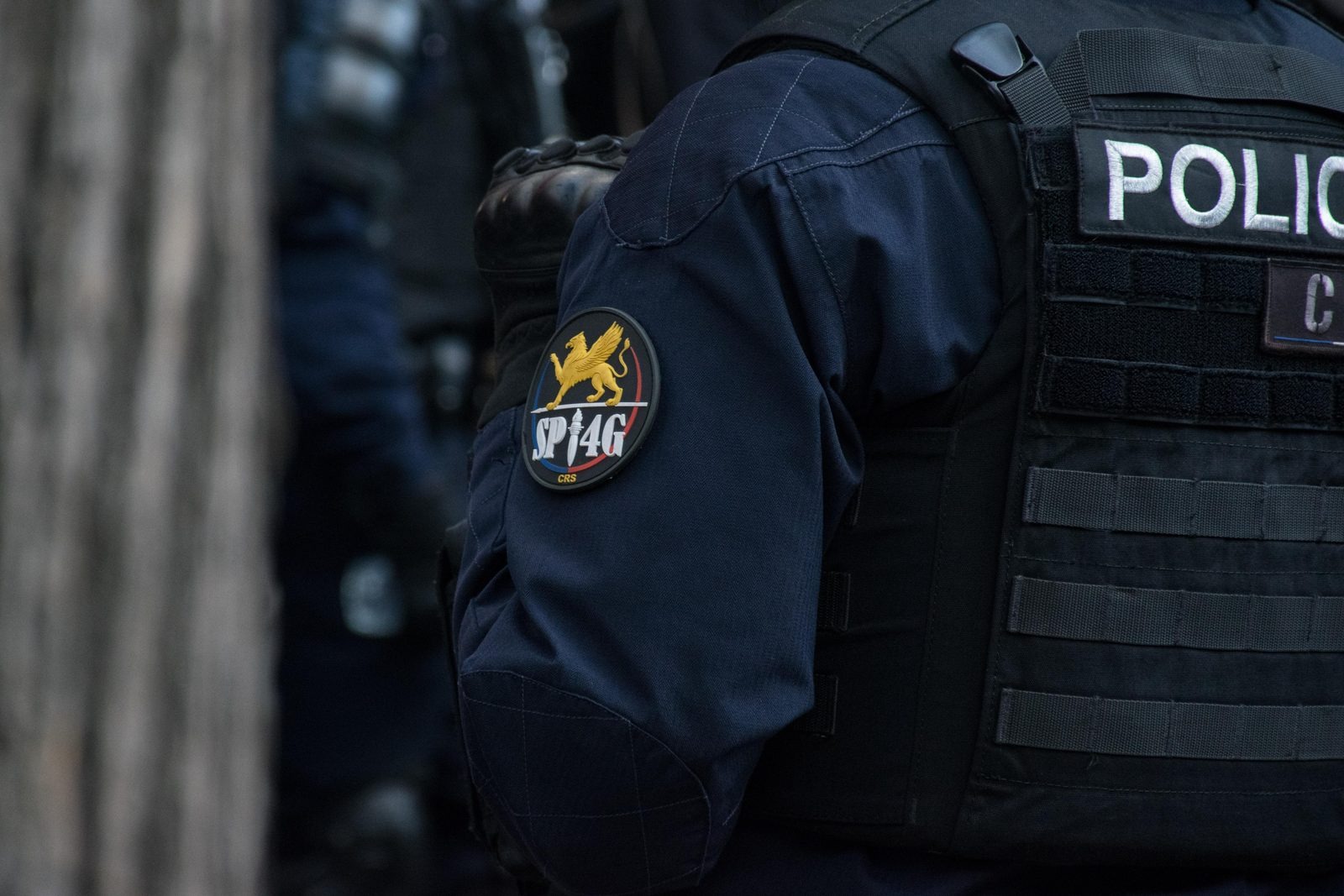
Saturday, October 17, 2026 began as another national day of demonstrations and ended as the worst night of civil unrest France has seen in years. Some 550,000 people joined 110 demonstrations across the country — 110,000 of them in Paris, according to figures released by Interior Minister Laurent Nunez — to denounce the rising cost of living and deteriorating public services. By nightfall, the marches had degenerated: protesters clashed with police at the Place de la République, shops across Les Halles were looted and vandalised, municipal buildings and cars were set ablaze, and storefronts were ransacked from Marseille to Lille.
The toll was heavy. The Interior Ministry said 2,397 people were arrested on Saturday alone; 997 police officers and gendarmes were injured, seven of them seriously. In Marseille, demonstrators broke into City Hall and ransacked the building; in Lyon, tens of thousands marched and the city's tourism office was set on fire; Bordeaux, Lille, Calais and Limoges all reported violence and damage. The New York Times described the weekend as the country's worst rioting in decades. What had begun four weeks earlier as largely peaceful, student-led protests over conditions in French high schools had become a national crisis.
On Monday, October 19, Prime Minister Sébastien Lecornu asked local authorities to impose partial, localised curfews — ruling out a blanket curfew for Paris but not a state of emergency. Paris police ordered a curfew around the Place de la République and the streets surrounding Les Halles from 11 pm Monday (2100 GMT) to 6 am Tuesday (0400 GMT), and banned gatherings and demonstrations in parts of the capital from 8 pm. Similar orders followed: in Lille, Douai, Wattignies and Denain, a curfew for minors ran from 8 pm to 6 am on Monday and Tuesday nights; Lyon imposed a 9 pm–6 am curfew on part of the Presqu'île; Nice ordered a 9 pm curfew for minors; Coulaines and Marseille announced their own restrictions, with Marseille banning gatherings outright.
On Tuesday the net widened. Paris police renewed the 11 pm–6 am curfew for a second night; Marseille imposed a 10 pm–5 am curfew to run nightly through Friday; Lyon extended its own. Lecornu said the Monday curfews had "helped keep the night calm" and promised "massive" police deployments for the demonstrations expected on Saturday, October 24 — with soldiers from the army's Operation Sentinelle to be deployed alongside police, Interior Minister Nunez announced. The human and material balance sheet kept growing: nearly 2,400 arrests on Saturday, more than 2,500 since the weekend began with 67 people jailed, according to French media tallies, and almost 3,000 shops affected nationwide, the Federation of Trade and Retail said. On Monday morning, President Emmanuel Macron declined Nunez's offer to resign, asking him instead to keep the chain of command intact, devise new methods against looters, and establish "transparency over the failures in planning and intelligence" behind the violence.
Who exactly turned the marches violent remains contested. Lecornu blamed far-left groups for "profound unrest" ahead of the presidential election; hard-left leader Jean-Luc Mélenchon demanded evidence, telling the prime minister to "apologise, keep quiet and stop fanning the flames of unrest" if he had none. The intelligence failure Macron ordered investigated has not been explained. Nor is it clear how long the curfews will last, whether the state of emergency Lecornu refused to rule out will be declared, or what the final bill for the damage will be. What is certain is that the strategy for the coming days is being written in real time — between prefects' orders, court rulings, and the streets.
France elects a successor to Emmanuel Macron in about six months, and the unrest has become the campaign's unavoidable backdrop. A government that imposes night curfews in its own capital is a government fighting for authority — and every image of a burning barricade at the République is political ammunition. Magna Bureau's analysis of how October 17 became a rallying date traces how the calendar itself turned against the government.
The stakes are material as well as symbolic. With nearly 3,000 businesses damaged, Lecornu has announced partial-unemployment measures for affected firms; tourism — already rattled by the Louvre's forced closure on Monday and foreign advisories, including a US embassy warning to avoid demonstrations — faces a difficult autumn. And the legal precedent matters beyond France: the right to demonstrate is protected by the French Constitution, yet prefects are banning protests city by city. Courts are pushing back — as Thursday's ruling in Paris showed. How France balances order and liberty in the next two weeks will be watched in every European capital where the cost of living is also biting: smaller clashes already broke out in Milan and Belgium last weekend, with protests simmering in Spain and Portugal.
Lecornu's doctrine is now legible: localised force first, national narrative later. "It is out of the question to put all of Paris under curfew," he said — but also, "I'm absolutely determined to restore public order." The curfews are deliberately partial, the protest bans deliberately selective: demonstrations requested by "individuals or groups with no legitimate authority" are banned, Macron said after Thursday's Élysée security meeting, while union-backed marches get examined "in accordance with the law," with alternative routes proposed to shield city centres, businesses and public buildings.
It is a tightrope. Keeping Nunez after his resignation offer preserves the chain of command but keeps the minister who admitted police had "lost control" in charge of regaining it. Deploying Sentinelle soldiers — troops designed for counter-terrorism patrols — against demonstrators raises the temperature even as it promises security. And the courts are an independent variable: the administrative court's overturning of the Paris ban, hours before thousands marched peacefully through southeastern Paris under heavy police watch, showed that the judiciary will not simply ratify the executive's fears. The state can clear the streets for a night; it has not yet shown it can clear the grievances.
The economic aftershocks are only beginning. Retailers face looted stock and shattered windows; the government's partial-unemployment scheme is a tourniquet, not a cure. Tourism operators are reworking autumn itineraries around protest calendars, and French markets are already pricing political risk into the autumn. The policing bill will be doctrinal: Lecornu admitted the weekend response was "too static and insufficiently mobile," and Nunez must now produce the "new methods" Macron demanded — under the scrutiny of the transparency inquiry into the intelligence failure.
Then there is the information front. Officials met social media platform representatives this week amid accusations that online disinformation fuelled the violence — a new theatre in French crisis management. And the students, whose high-school protests started it all, say they will keep mobilising through the autumn break. A movement that began over school conditions has acquired a national infrastructure of anger; the question is whether the unions' November 5 general strike absorbs it or is absorbed by it.
Saturday, October 24 is the first test: organisers have called new demonstrations, the Yellow Vests want gatherings at the Bastille and the République, and the government promises "massive" deployments with Sentinelle soldiers in support. October 31 brings the next round; November 5 brings the unions' nationwide general strike, which could paralyse rail, transit and roads. Meanwhile France's diplomatic front — from Hormuz to Gaza — continues to demand the government's attention abroad.
Watch three things: whether prefects extend or lift the curfews night by night; whether courts continue to overturn protest bans, as Paris's did on Thursday; and whether the judicial operation Lecornu announced produces the rapid convictions the government is counting on to deter the next wave. Six months from a presidential election, France is not just policing its streets — it is auditioning its future.
The Western lens: order, institutions, and the intelligence failure Western coverage reads the crisis as a stress test of the French state. The New York Times' "worst rioting in decades" verdict set the scale; the Associated Press framed Thursday's court ruling as a constitutional moment — the right to demonstrate versus the prefects' bans. France24 and BFMTV tracked the curfew orders almost hour by hour, while the American embassy's warning to its citizens abroad underscored how the unrest is read as a governance risk.
The Eastern lens: prices, calm, and the economic roots Eastern coverage foregrounds economics over street theatre. Xinhua's dispatches itemise the material facts — 550,000 marchers, 2,397 arrests, 997 injured officers — and China Daily's Paris correspondents quote commuters directly: rising petrol prices, shrinking food budgets, "the conflict in Ukraine and other global crises" squeezing household budgets. NHK's reporting is terse and public-order centred: curfews imposed, the Louvre blocked, more than 3,000 shops damaged.
The Global South lens: power, precedent, and the pre-election stakes From Doha to Johannesburg, the story is political. Al Jazeera centres on Macron's management of the crisis — declining his interior minister's resignation, demanding transparency, denouncing the rioters' "anger and shame." Daily Maverick, carrying Reuters reporting, stresses the electoral calendar: unrest six months before the vote, Lecornu blaming the far left, Mélenchon firing back. TRT World relays BFMTV's granular curfew detail to Turkish and regional audiences, while Nigeria's Vanguard and India's Hindustan Times tally the arrests.
Mass demonstrations over the cost of living and school conditions drew some 550,000 people to 110 protests on Saturday, October 17. The marches degenerated into France's worst street violence in years: clashes with police, looting, torched cars and ransacked municipal buildings from Paris to Marseille and Lyon. The Interior Ministry reported 2,397 arrests on Saturday and 997 injured officers. The New York Times called it the country's worst rioting in decades.
In Paris, the curfew covers the Place de la République and the Les Halles district from 11 pm to 6 am, with demonstrations banned from 8 pm. Lille, Douai, Wattignies and Denain imposed 8 pm–6 am curfews for minors on Monday and Tuesday nights; Lyon set a 9 pm–6 am curfew on the Presqu'île; Nice ordered a 9 pm curfew for minors. Marseille banned gatherings outright. Paris, Marseille and Lyon extended restrictions on Tuesday.
French authorities reported 2,397 arrests on Saturday, October 17 alone, and more than 2,500 since the weekend began, with 67 people jailed. Nearly a thousand police officers and gendarmes were injured, seven of them seriously. The Federation of Trade and Retail said almost 3,000 shops were affected by looting and damage nationwide.
Yes. Organisers have called demonstrations for Saturday, October 24 and October 31, with the Yellow Vests seeking gatherings at the Bastille and the Place de la République in Paris. Trade unions have called a nationwide general strike for November 5, which could disrupt rail, public transit and roads. The government has promised 'massive' police deployments, backed by Operation Sentinelle soldiers.
Paris is functioning — landmarks like the Eiffel Tower remain open — but authorities can close sites on short notice, as happened with the Louvre on October 19. Police advise avoiding protest areas and checking official advisories; the US embassy has urged Americans to steer clear of demonstrations. Curfews apply only to limited districts late at night, but transport disruptions are possible on protest days, especially around November 5.
