Federal prosecutors have charged the former FBI director with transmitting national defence information in 2016, in a case filed under seal on 5 October and unsealed eight days before the midterms. Comey calls it an abuse of the Justice Department; his lawyers say the clock has already run out.
Published 26 October 2026 · 23:10 GMT
Federal prosecutors have charged the former FBI director with transmitting national defence information in 2016, in a case filed under seal on 5 October and unsealed eight days before the midterms. Comey calls it an abuse of the Justice Department; his lawyers say the clock has already run out. On Monday, 26 October 2026, a criminal information unsealed in the US District Court for the District of Columbia charged former FBI director James Comey with transmitting national defence information and conspiring to do so, in October 2016.
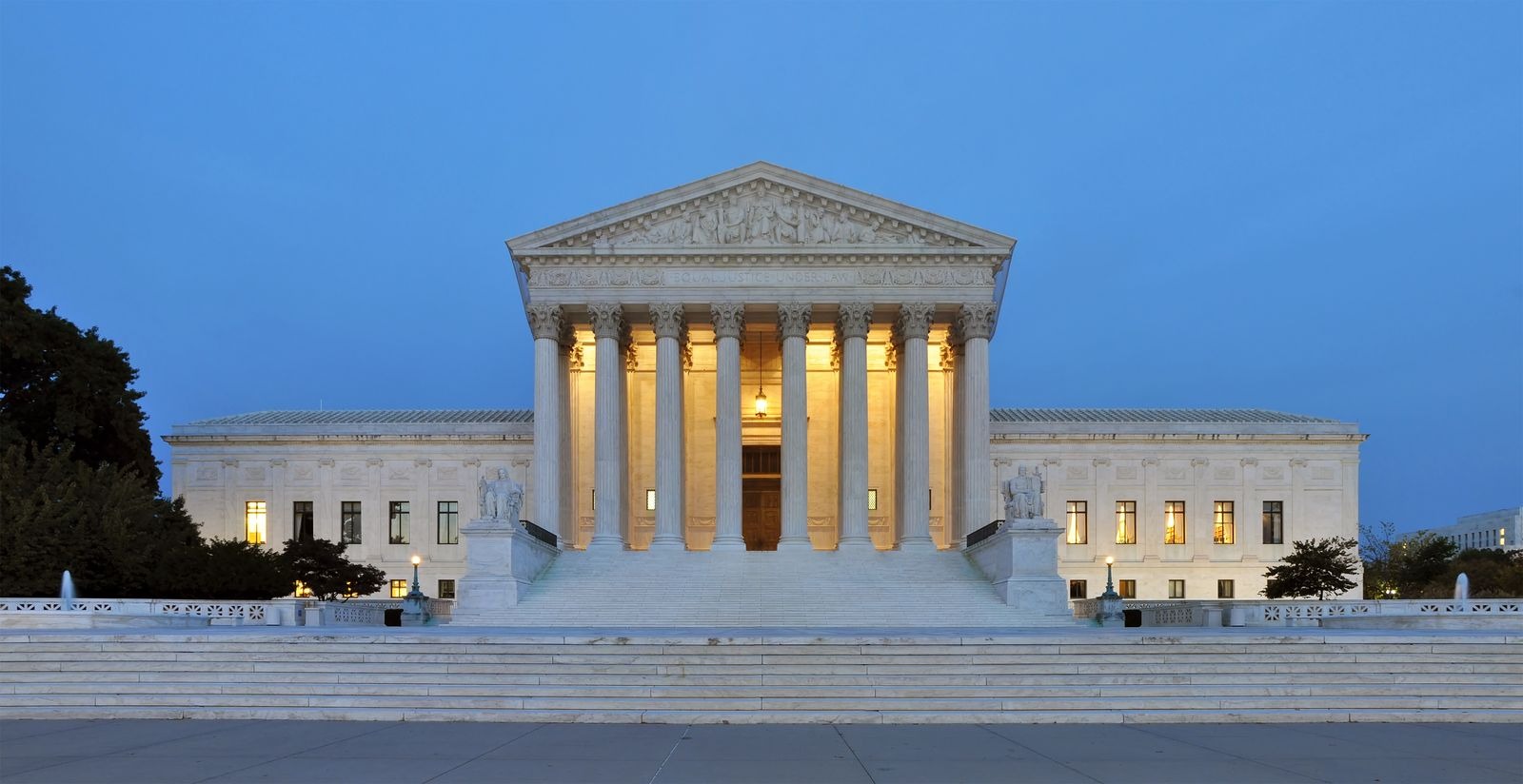
James Comey is facing a third criminal case. Court documents made public on Monday, 26 October 2026, in the US District Court for the District of Columbia, accuse the former FBI director of transmitting national defence information, and of conspiring to transmit it, in October 2016, when he led the bureau under President Barack Obama. The charges arrived as a criminal information, a charging document filed by prosecutors, rather than an indictment returned by a grand jury, and Comey has not been indicted in the matter. Filed under seal on 5 October, ten years to the day after the alleged disclosure, it was unsealed on Monday, eight days before the 3 November midterms.
Within hours, Comey answered in a video posted online. “Well, now they’re back again. It would almost be funny if it weren’t such an appalling abuse of the Department of Justice, one that we cannot become numb to,” he said. “Nothing’s changed with me. I’m still innocent, and I’m still not afraid of these people, and I still believe in the independent federal judiciary.” His defence lawyer, Pat Fitzgerald, said the government had investigated the matter twice before and both times decided no charges should be brought against anyone.
The known core of the case is narrow, and that narrowness is itself the story. The charges concern a New York Times article published on 5 October 2016, by reporter Charlie Savage, headlined “Yahoo Said to Have Aided U.S. Email Surveillance by Adapting Spam Filter.” The article described how Yahoo had been ordered to scan its users’ traffic for a specific computer signature allegedly tied to a terrorist organisation. Prosecutors allege that Comey, acting through one or more co-conspirators, directed an unidentified person, “Individual #1” in the filing, to disclose national defence information to a reporter for a national news publication.
TRT World’s account of the filing adds the mechanism prosecutors allege: Special Assistant US Attorney Dustin Farahnak wrote that the investigation found evidence Comey sought to correct misinformation that had appeared in a Reuters report the day before, and directed staff to speak to Savage about specific accuracy concerns, “thereby illegally transferred classified information.” The three-page filing names neither the information nor the co-conspirators. The two counts invoke the Espionage Act provisions on communicating national defence information, 18 U.S.C. sections 793(d) and 793(g).
The procedure matters as much as the substance. CNN reports the department says it filed a “waiverless criminal information to toll the statute of limitations,” a widely recognised practice approved by multiple appeals courts, and still seeks a grand jury indictment. Comey’s lawyers moved to dismiss while the case was still sealed, arguing that the law required a grand jury indictment within ten years and that an information does not suffice. “An indictment fundamentally differs from an information,” they wrote.
The history around the case is established. In September 2025, a Virginia grand jury indicted Comey on false-statement and obstruction charges tied to his 2020 Senate testimony; a federal judge dismissed that case in November 2025 after finding that interim US Attorney Lindsey Halligan had been unlawfully appointed, and the department has appealed. In April 2026, a North Carolina grand jury indicted him over a social media post showing seashells arranged to read “86 47,” which prosecutors characterised as a threat against the president; that case remains pending, with proceedings continued into 2027. And on the same Monday the new charges surfaced, a judge ruled that the department’s firing of Comey’s daughter Maurene Comey, a Manhattan federal prosecutor was unlawful; a Michigan subplot already fought over identity and loyalty in the campaign’s final week.
Almost everything that would let a reader judge the merits is still sealed from public view. The filing does not identify the national defence information allegedly transmitted, so it is impossible to know from the public record whether it was classified, how sensitive it was, or whether its disclosure harmed anyone. It does not name the intermediary, the co-conspirators, or even confirm the reporter, although the reporting around the case points to Savage and the 2016 Yahoo article. It does not explain how a disclosure in October 2016 amounts to a conspiracy continuing for a decade.
Nor is the legal question settled. Courts have accepted informations filed to toll a limitations period, but Comey’s lawyers argue this one cannot substitute for an indictment within ten years, and no judge has yet ruled on their motion in open court. It is also unknown whether prosecutors will obtain a grand jury indictment, what evidence they hold beyond the single alleged act described in the filing, and whether the department’s appeal in the dismissed Virginia case affects the new one. Until those questions are answered, the case is best described precisely: a charge has been filed, not a guilt proven, and a dismissal motion is already waiting.
The calendar is what turns a ten-year-old disclosure allegation into a national event. The filing was made on the last day available under a ten-year clock, and unsealed eight days before midterm elections in which control of Congress is at stake; a week in which the president has been campaigning hard, including in Michigan, where the midterm stakes are already driving the national argument. That timing guarantees the case will be read politically whatever a court eventually decides, and it puts the Justice Department’s independence, not just Comey’s conduct, on trial in public.
The institutional stakes run deeper than one defendant. Prosecuting a former FBI director under Espionage Act provisions is rare, and doing it for a third time, after one case was dismissed over an unlawful appointment and another remains pending, tests whether repeated prosecution of a prominent critic strengthens or corrodes the department’s authority. If the tolling device survives, prosecutors gain a confirmed route to preserve old leak cases; if it fails, the case collapses on procedure before any evidence is weighed. Either way, the ruling will be cited the next time a leak investigation reaches a deadline.
Strip away the politics and the case turns on a procedural hinge that rarely decides headlines: can a prosecutor stop a ten-year clock with a charging document that no grand jury has approved? The department says yes, citing appellate approval for tolling informations. Comey’s lawyers say no, because the Constitution’s grand jury guarantee means an information is not an indictment, and the distinction is the whole point. Neither side can cite a ruling on these facts: the motion was filed under seal.
The factual hinge is just as narrow. Prosecutors do not allege that Comey handed a document to a reporter for publication. They allege he directed staff to correct a Reuters report by speaking to Savage, and that the correction itself transferred protected information. That theory, if proven, would blur the line between correcting the record and disclosing the secret. If the correction was the crime, officials will think twice before speaking to reporters at all; if it was not, a decade-old conversation has been dressed as espionage. The court, not the campaign, will have to draw that line.
Three consequences follow whatever happens to Comey. First, leak investigations everywhere gain a precedent to watch: a successful tolling information would let prosecutors preserve old cases to the last day, while a failed one would force faster, grand-jury-first decisions. Second, press relations change; sources inside government will read this case as a warning that even a corrective conversation with a reporter can become a count in an indictment. Third, the department’s own credibility is now tied to the outcome twice over, through this case and through its appeal of the dismissed Virginia prosecution, in a year when its handling of high-profile justice questions is already under scrutiny.
Watch four things. First, the dismissal motion: whether the judge treats the 5 October information as a valid tolling device or as an end-run around the grand jury, and how quickly that ruling comes. Second, whether prosecutors present the case to a grand jury and secure an indictment, which would moot the sharpest procedural objection. Third, the North Carolina case, continued into 2027, and the department’s appeal in the Virginia case; both of which shape how this third case is argued. Fourth, the campaign: whether the case stays a court story or becomes a rally story in the final eight days, and whether voters treat the prosecution as accountability, overreach, or background noise.
Western coverage has centred on the court record and the clock. CNN and the Wall Street Journal reconstruct the filing step by step, the 5 October seal, the tolling rationale, the department’s insistence that it still seeks an indictment, and give Comey’s denial and his lawyers’ time-bar argument equal weight. USA Today frames the case as the third round in a sequence, and pairs it with the same-day ruling for Maurene Comey, treating the two developments as one story about a family and a department in open conflict.
Coverage from the East has been thinner and more procedural, arriving through outlets that track Washington as a distant capital rather than a domestic battleground. TRT World’s account, the fullest non-Western write-up found in this cycle, sticks closely to the filing itself: the two counts, the sealed 5 October date, the Yahoo article, and the dismissal motion, without adopting either side’s characterisation of motive. Searches of CNA, The Hindu, NHK and Kyodo found no standalone coverage of the charges yet; a story unsealed on a Monday evening in Washington reaches Asian newsrooms overnight.
Coverage from the Global South has framed the case as a test of American institutions. Al Jazeera leads with the retribution argument, quoting Comey’s video at length and his lawyer’s point that the matter was twice examined and dropped, while Arab News stresses the sequence, September 2025, April 2026, now October 2026, as a pattern of pursuit. The emphasis differs from the Western frame: less on the tolling doctrine, more on what repeated prosecution of a critic signals about the health of the system doing the prosecuting.
Prosecutors allege that on or about 5 October 2016, while he was FBI director, Comey directed an intermediary to disclose national defence information to a reporter for a national news publication. The case is tied to a New York Times article of that date, by Charlie Savage, about Yahoo adapting spam filters to aid US email surveillance. The filing does not name the information, the intermediary, or the co-conspirators.
The Justice Department filed a criminal information under seal on 5 October 2026, exactly ten years after the alleged disclosure, to stop the ten-year statute of limitations from expiring. The department calls this a widely recognised practice approved by multiple appeals courts and says it still seeks a grand jury indictment. Comey's lawyers argue an information cannot substitute for an indictment within ten years.
In September 2025, a Virginia grand jury indicted Comey on false-statement and obstruction charges tied to his 2020 Senate testimony, but a judge dismissed the case in November 2025 after finding the interim US attorney had been unlawfully appointed, and the department appealed. In April 2026, a North Carolina grand jury indicted him over a social media post of seashells reading 86 47; that case remains pending.
Comey's lawyers have already moved to dismiss the case as time-barred, and a judge must decide whether the criminal information validly stopped the limitations clock. Prosecutors are also seeking a grand jury indictment, which would blunt the procedural challenge. The North Carolina case continues into 2027, and the department's appeal in the dismissed Virginia case is still live.
