The secretary of state's public appeal to Cubans, hours after President Trump mused about US warships stopping off Cuba on their way back from the Iran confrontation, drew mockery in Havana and a sharp rejection from Cuba's foreign minister.
Published 24 October 2026 · 09:02 GMT
The secretary of state's public appeal to Cubans, hours after President Trump mused about US warships stopping off Cuba on their way back from the Iran confrontation, drew mockery in Havana and a sharp rejection from Cuba's foreign minister. On Friday, October 23, 2026, US Secretary of State Marco Rubio posted on X: “To those who seek to create positive change in Cuba – now is the time,” urging Cubans to “seize this opportunity to create the change you desire through a discreet partnership with the CIA.”
On Friday, October 23, 2026, Secretary of State Marco Rubio publicly urged Cubans seeking change to pursue a discreet partnership with the CIA, hours after President Trump told a Fort Myers rally that US warships could stop off Cuba on their way back from the Iran confrontation; Havana answered with mockery and rejection the same day.
Whether the episode is a deliberate escalation or rally rhetoric — Washington presents it as pressure for change, Havana calls it desperation and imperial ambition, and analysts split over whether a public intelligence appeal signals strength or exposes a lack of covert options.
What concrete cooperation Rubio is proposing; whether the CIA is currently active in Cuba; whether any military step is planned or merely threatened; what “deal” Rubio would be sent to finish; and how ordinary Cubans, already coping with fuel shortages and blackouts, will be affected.
On Friday, October 23, 2026, the United States secretary of state did something secretaries of state do not normally do: he advertised for the CIA in public. “To those who seek to create positive change in Cuba – now is the time,” Marco Rubio wrote on X. “The disappointment of failed promises, corruption, and the privileged lives of only a few; seize this opportunity to create the change you desire through a discreet partnership with the CIA.”
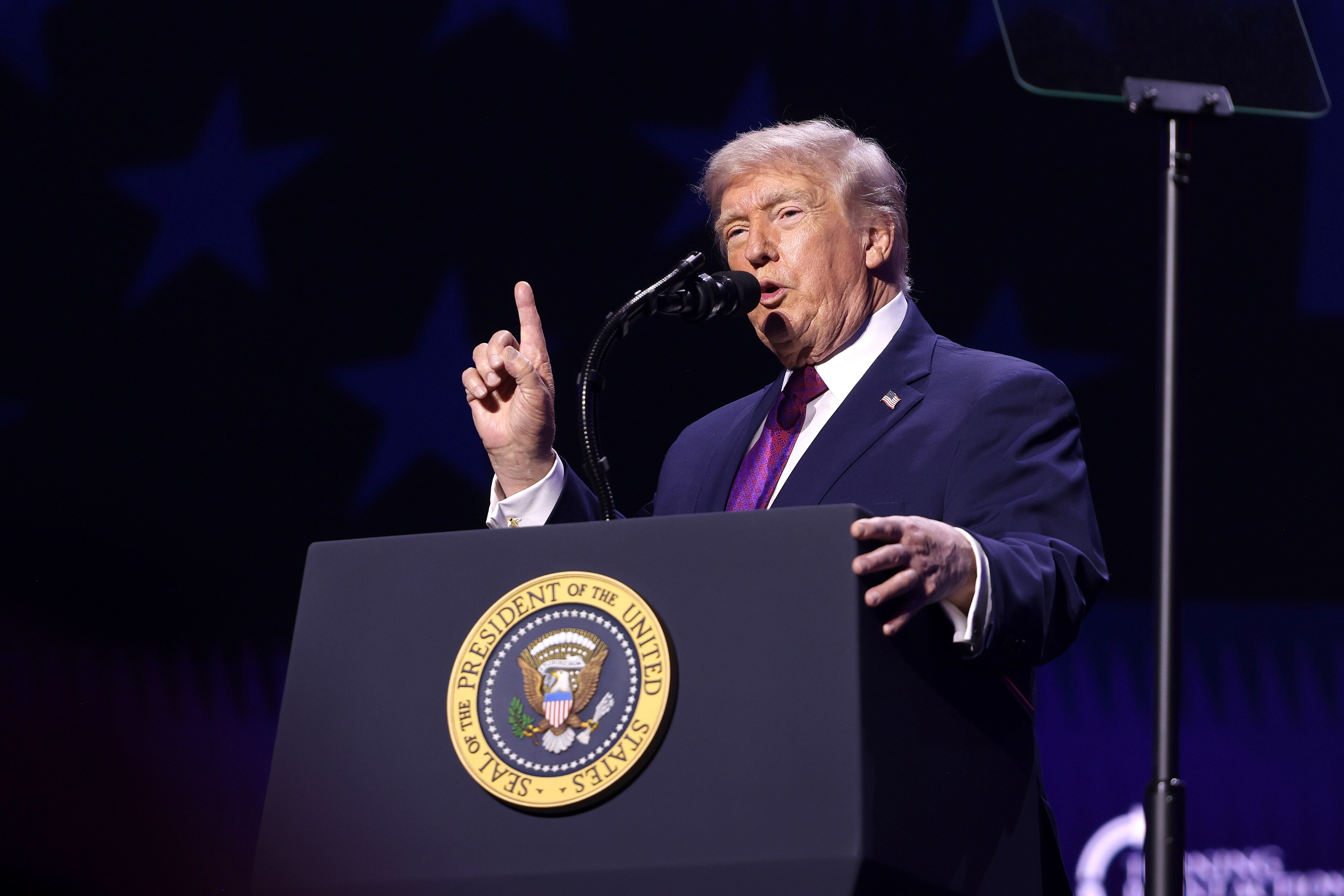
The post landed about an hour after President Donald Trump, speaking at a campaign rally in Fort Myers, Florida, had revived his own idea for Cuba. Asked by a member of the crowd about the island, Trump answered with a scenario: American warships coming back from the confrontation with Iran would pass Cuba, one would stop “about 50 yards off the coast,” the Cuban leadership would raise its hands, and then, Trump said, “we're going to send Marco Rubio in to finish up the deal.”
The CIA followed Rubio's post with a video of its own, in Spanish, offering instructions to anyone who believes they hold information of interest. Havana's reply was fast and contemptuous. Deputy Foreign Minister Carlos Fernández de Cossio wrote that the United States was now “resorting to public recruitment for the CIA,” adding: “There must be a great deal of desperation or misery within the agency for it to be forced to sell its services like a tube of toothpaste.”
The sequence is not in dispute. Trump spoke at the Alico Arena in Fort Myers, campaigning days ahead of the November 3 midterm elections, A shouted question about Cuba drew the “little stopover” answer; moments later, Rubio's post appeared. Newsmax, which carried the rally live, puts the gap at about an hour.
Trump's full remarks went further. “We'll take care of Cuba on our way back from Iran,” he said. “Those beautiful ships will pass Cuba.” He added that if Havana did not negotiate, “we may do another little Epic Fury, or they'll agree” — invoking, without elaboration, the name of a US operation. He had first floated the Cuba stopover idea earlier this year, then let it drop for months; on Friday he picked it back up.
The pressure campaign behind the rhetoric is documented. In January 2026, Trump signed an executive order authorising tariffs against countries that sell oil to Cuba, and US naval forces moved to block oil tankers bound for the island. The blockade has left civilians contending with fuel shortages and blackouts, worsened by failing infrastructure. Washington has maintained its embargo on Cuba for more than 60 years, and the tempo quickened after the US military's capture of then-Venezuelan President Nicolás Maduro in a deadly raid in January.
For all its bluntness, Rubio's post is strikingly vague about the substance. It does not say what kind of partnership he means, what information the CIA wants, what protection anyone who responds would receive, or what “positive change” would look like in practice. The CIA's video is equally generic: it describes how to make contact, not what contact would entail. Nothing in the public record confirms an operation, a network, or a timeline.
Nor is it established that the CIA is currently active in Cuba in any organised way. One report describes Rubio's post as appearing “to confirm that the intelligence agency is currently active in Cuba” — but appearing to confirm is not confirming, and the post itself is the only new evidence offered. Similarly, no military operation against Cuba has been announced, and none of the reporting claims one is under way. Trump's remarks were made to a rally crowd, not issued as an order.
What “deal” Rubio would be sent to finish is also undefined. Trump used the word twice without saying what Havana would be asked to concede or what Washington would offer in return. And the human consequence is unmeasured: whether the appeal reaches disaffected Cubans, or mainly hands Havana a propaganda exhibit, no one can yet show.
Intelligence services recruit in secret because exposure endangers the recruited. A public appeal inverts that logic: it tells every Cuban that Washington is listening, and it tells Havana exactly where to look. That is either a sign of confidence — that the pressure on the island is now so great that discretion no longer matters — or, as Havana argues, a sign of desperation, an agency forced to advertise because its quiet channels have failed. Both readings cannot be right, and the difference matters for anyone who might answer the call.
The legal shadow is equally long. United Nations rights experts have condemned the oil blockade as a violation of international law, and Fernández de Cossio said last month that it would be an “atrocious international crime” for the United States to use military force against Cuba, “a peaceful neighbouring country.” The move from economic pressure to an open intelligence appeal, paired with a presidential musing about warships 50 yards off the coast, narrows the space in which Havana can treat American intentions as merely rhetorical.
There is also the calendar. The remarks were made ten days before midterm elections in which Florida's Cuban-American voters are a prized audience, and in which the cost of living is a live grievance. A tough Cuba line plays to that audience at home while landing as a threat abroad.
Read as strategy rather than theatre, the Rubio-Trump sequence has a clear division of labour. Trump supplies the menace — the warships, the stopover, the “Epic Fury” hint — and Rubio supplies the supposed off-ramp: a negotiation he would be sent to “finish.” It is the same pattern Washington used around Venezuela: maximum pressure first, a named negotiator second. Whether that is a genuine two-track policy or two men improvising in public is, at this stage, indistinguishable.
The Venezuela precedent cuts both ways for Havana. On one hand, the January raid showed that this administration will use force against a neighbouring government it has named as a target. On the other, Cuba is not Venezuela: its government has survived six decades of embargo, and its leadership has had months to watch the Venezuela playbook and prepare its answers — including the mockery that met Rubio's post within hours.
The deeper risk sits with the people the post claims to address. A Cuban who takes Rubio at his word and contacts the CIA faces, at minimum, surveillance by a state security apparatus that has just been publicly warned to look for exactly that. The post offers no protection and no evidence that anyone who answers will be safer than before. That asymmetry — Washington risks a post, a Cuban risks everything — is the hardest fact in this story.
The first ripple runs through the United Nations. Cuba has long used the annual embargo vote to isolate Washington diplomatically, and Havana charges that the United States has threatened countries ahead of that vote. A public CIA appeal, layered onto the oil blockade, gives Havana fresh material for that campaign
The second ripple is economic. The January tariffs on countries selling oil to Cuba were designed to deter suppliers; the naval blockade enforces that deterrence physically. If suppliers now read the Rubio-Trump sequence as a prelude to something harder, some may pull back further, deepening the fuel shortages that already define daily life on the island — punishing the same civilians Rubio's post claims to address.
The third ripple is precedent. An American secretary of state has now, in the open, invited the citizens of another country to work with the CIA against their own government. Other governments will note the method, whether to imitate it or to inoculate against it. The Bureau's earlier reporting on the renewed American military posture toward Iran — including signs of renewed major US military operations against Iran and an envoy's warning that America could strike Iran “this weekend” — shows how quickly rally language in this administration has, before, hardened into operational reality. Eight months after the February strikes, the pattern is familiar enough to take seriously and uncertain enough to refuse to prejudge.
Five things are worth watching. First, whether the White House or the State Department issues anything formal that converts rally language into policy, or whether the episode is left to live and die on social media. Second, whether Rubio posts again, travels, or meets Cuban-American leaders in Florida, which would signal a campaign rather than a moment.
Third, Havana's formal response — a foreign ministry statement, a speech, or action at the United Nations around the embargo vote. Fourth, the material indicators on the island: fuel availability, blackout frequency, and any reported detentions linked to contact with US officials. And fifth, the midterm aftermath: whether the Cuba line survives past November 3.
The Western lens: the rally, the timing, the politics Western coverage — led by The Times of Israel's live reporting and Newsmax's live feed — treats the episode as a campaign story with strategic overtones. The emphasis falls on sequence and staging: Trump reviving an idea he first floated earlier this year and then dropped, the shouted crowd question that prompted it, the midterm calendar, and the price pressures voters blame on the Iran confrontation. The Associated Press account adds the longer arc: Trump telling reporters in May it “looks like I'll be the one” to intervene in Cuba.
The Eastern lens: escalation, stated plainly Eastern coverage — India's Economic Times, Business Today and ETV Bharat — reports the sequence with less hedging about its meaning. Trump “vows to take care of Cuba,” Rubio “calls on Cubans to partner with the CIA,” and the two halves are presented as one deliberate escalation.
The Southern lens: Havana answers, and the civilians pay Southern coverage carries the argument itself. Al Jazeera, reporting with AFP and Reuters, centres the Cuban response — the mockery, the rejection, the limestone-spike warning — and the civilian cost of the blockade that precedes it: fuel shortages, blackouts, failing infrastructure. The frame is historical as well as immediate: a six-decade embargo, the Bay of Pigs behind every CIA mention, the January raid on Venezuela as the reason Havana takes even rally rhetoric seriously.
On Friday, October 23, 2026, Secretary of State Marco Rubio posted on X: “To those who seek to create positive change in Cuba – now is the time. The disappointment of failed promises, corruption, and the privileged lives of only a few; seize this opportunity to create the change you desire through a discreet partnership with the CIA.” He gave no details about what cooperation would involve.
At a Fort Myers rally on October 23, Trump said US warships returning from the confrontation with Iran could stop off Cuba, with one halting “about 50 yards off the coast,” after which Cuban leaders would “raise up their hands” and he would send Rubio “to finish up the deal.” He added that the US might do “another little Epic Fury, or they'll agree.”
Deputy Foreign Minister Carlos Fernández de Cossio mocked the appeal as “public recruitment for the CIA,” saying the agency must be desperate to “sell its services like a tube of toothpaste.” Foreign Minister Bruno Rodríguez rejected “every threat related to US ambitions toward Cuba” and warned that hostile arrivals would face “razor-sharp limestone spikes” along the coast.
No military operation against Cuba has been announced. Trump's remarks were made at a campaign rally, not issued as an order, and no White House directive matching them has been published. What is documented is escalating economic pressure: the six-decade embargo, January 2026 tariffs on Cuba's oil suppliers, and a naval blockade of oil tankers bound for the island.
