Under Operation Delta Sentinel, the Nigerian Navy recovered 33,800 litres of stolen petroleum products and shut two illegal refining sites in Rivers State. The theft economy is old; the pressure is new.
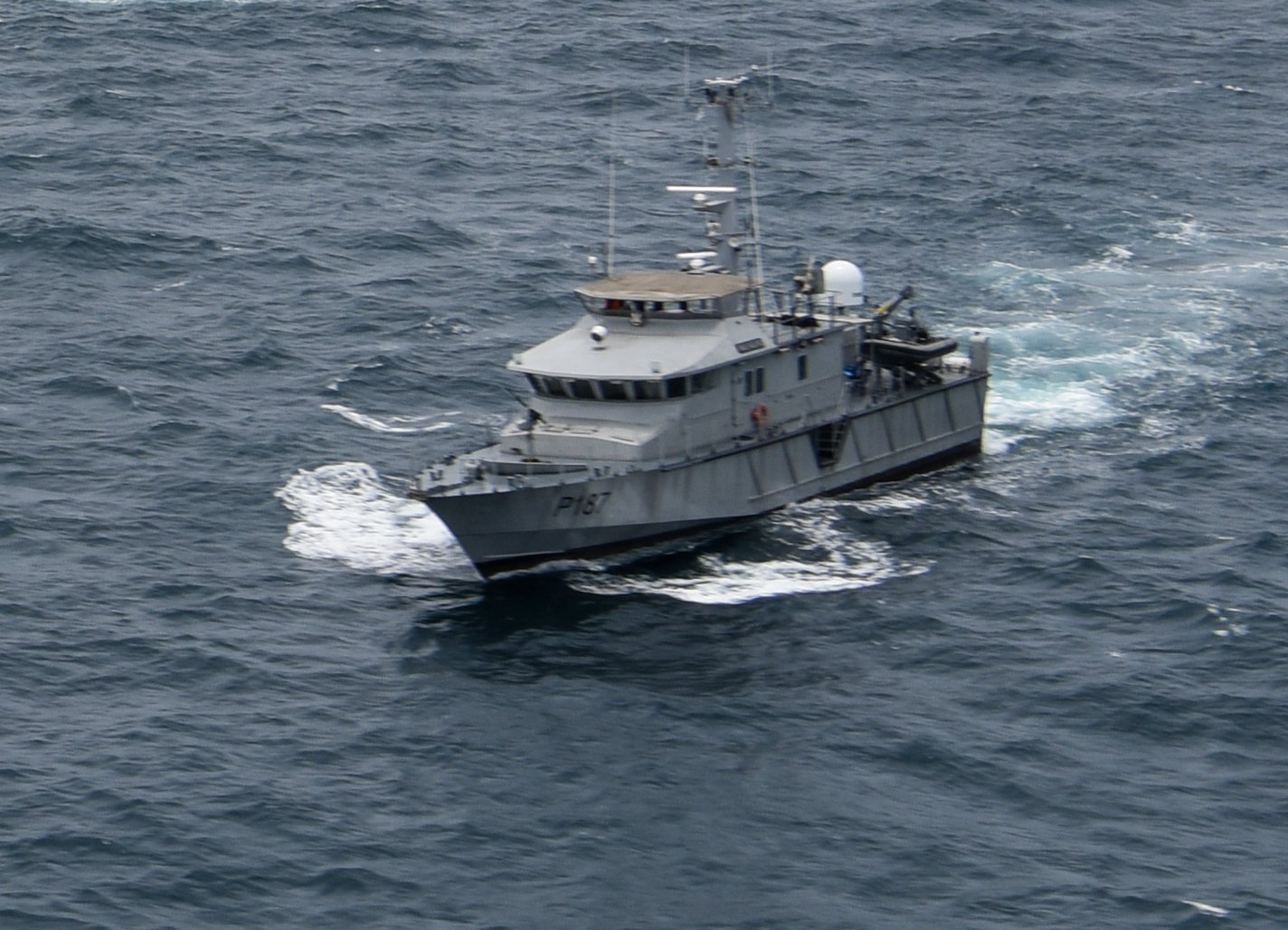
Thirty-three thousand eight hundred litres. That is how much stolen petroleum the Nigerian Navy pulled out of the creeks of Rivers State on September 25 — no papers, no permits, no owners willing to claim it. Operation Delta Sentinel is the Navy's name for the campaign. The Delta's name for it is older: another raid in a fifty-year war.
The mechanics of the theft economy are almost artisanal in their simplicity. Taps are bored into pipelines; crude is siphoned into barges and wooden boats; it is 'cooked' in makeshift refineries hidden in the mangroves — the infamous 'bush refineries' — and the resulting diesel and kerosene move through the creeks to buyers who ask no questions. The Navy's September 25 haul — 33,800 litres of undocumented product — is one convoy's worth of a trade that moves millions.
What makes this operation different is the framing. Naval headquarters is not presenting Delta Sentinel as a raid but as a campaign — 'sustained operational successes' is the phrase — and it is deactivating the refining sites themselves, not just seizing the product. Seizing product is whack-a-mole. Killing the stills is strategy.
The Navy can deactivate stills; it cannot deactivate the economics that build them.
The context is unforgiving. Nigeria's crude output has fallen for a second straight month, according to BusinessDay, and every barrel stolen is a barrel the treasury cannot sell at $105. The arithmetic of theft has changed: when oil was $70, the bunkering trade was a nuisance; at war prices, it is a fiscal emergency.
Beneath the surface, the Delta's wound is older than the theft. Decades of spills — from the majors and from the bush refineries alike — have poisoned farmland and fisheries, which is precisely what pushes young men toward the creeks in the first place. The Navy can deactivate stills; it cannot deactivate the economics that build them.
And yet the pressure is real, and it is new in one respect: the state is finally treating oil theft as a revenue war rather than a policing problem. The seizures are getting bigger, the operations more sustained, the rhetoric more fiscal. Whether that survives contact with the Delta's deeper politics — the settlements, the protection networks, the local economies built on the trade — is the question every previous campaign has failed to answer.
For now, the scoreboard reads 33,800 litres and two dead refineries. In a fifty-year war, that is a skirmish. But skirmishes, fought consistently, are how wars turn.
Western coverage — Reuters, the energy press — reads Delta Sentinel through the supply lens: Nigeria is Africa's largest oil producer, OPEC quotas are binding, and every stolen barrel tightens a market already stretched by war. The operation is presented as market-relevant enforcement — good for supply, good for prices, good for the majors' Nigeria exposure.
The Western lens also notes the governance angle with familiar skepticism: Nigeria has announced crackdowns on oil theft for decades, and the trade has outlasted every one. The question asked in London and Houston is whether this time is structurally different — and the answer, so far, is 'not yet proven.'
Eastern coverage treats the story as a footnote to the larger energy war: while the West obsesses over Hormuz, the Global South's producers are fighting their own supply battles. The theft economy is presented as a symptom of underdevelopment — a country rich in crude but poor in refining capacity will always leak.
The Eastern lens also reads the timing geopolitically. With Gulf exports at war-time highs and prices above $105, Nigeria's stolen barrels matter more to the market than they did at $70. Enforcement, in this reading, is Nigeria aligning itself with the high-price regime.
The Global South lens — Business Day, the Nigerian press, Al Jazeera — reads the story from the creeks. The theft economy is not an abstraction here; it is employment, pollution, and violence in the same villages. The coverage asks the question the Navy cannot answer: what replaces the refineries for the young men who work them?
The South's deeper point is about the majors. The Delta's environmental ruin — the spills, the gas flaring, the dead fisheries — was built by decades of formal extraction before the bush refineries arrived. The Navy raids the symptom; the disease has a longer corporate history.
