Aaron Rodgers told reporters in Paris on Friday that the league would not be staging Sunday's first regular-season NFL game in France if the situation were unsafe, as the Steelers and Saints prepare to meet at the Stade de France a day after fresh protests.
Published 24 October 2026 · 11:04 GMT
Aaron Rodgers told reporters in Paris on Friday that the league would not be staging Sunday's first regular-season NFL game in France if the situation were unsafe, as the Steelers and Saints prepare to meet at the Stade de France a day after fresh protests. Pittsburgh Steelers quarterback Aaron Rodgers said on Friday, October 23, that the NFL would have cancelled its first regular-season game in Paris if the situation were unsafe, adding that he was confident the game would go ahead as planned. The game between the Steelers and the New Orleans Saints kicks off at 2:30 p.m.
On Friday, October 23, 2026, Aaron Rodgers said the NFL would have cancelled its first regular-season game in Paris if the situation were unsafe, and the game between the Pittsburgh Steelers and the New Orleans Saints remains scheduled for Sunday, October 25, at the Stade de France in Saint-Denis.
Whether proceeding is prudent — United States President Donald Trump said on Friday the league could probably have postponed the match, while the NFL, Commissioner Roger Goodell and Rodgers express confidence in the security arrangements, and travelling fans are split between calm and worry.
How Saturday's planned demonstrations will unfold and whether any violence reaches areas used by fans; the scale of the police deployment for the weekend; whether the league holds a postponement threshold it has not disclosed; and how many ticket-holders will stay away.
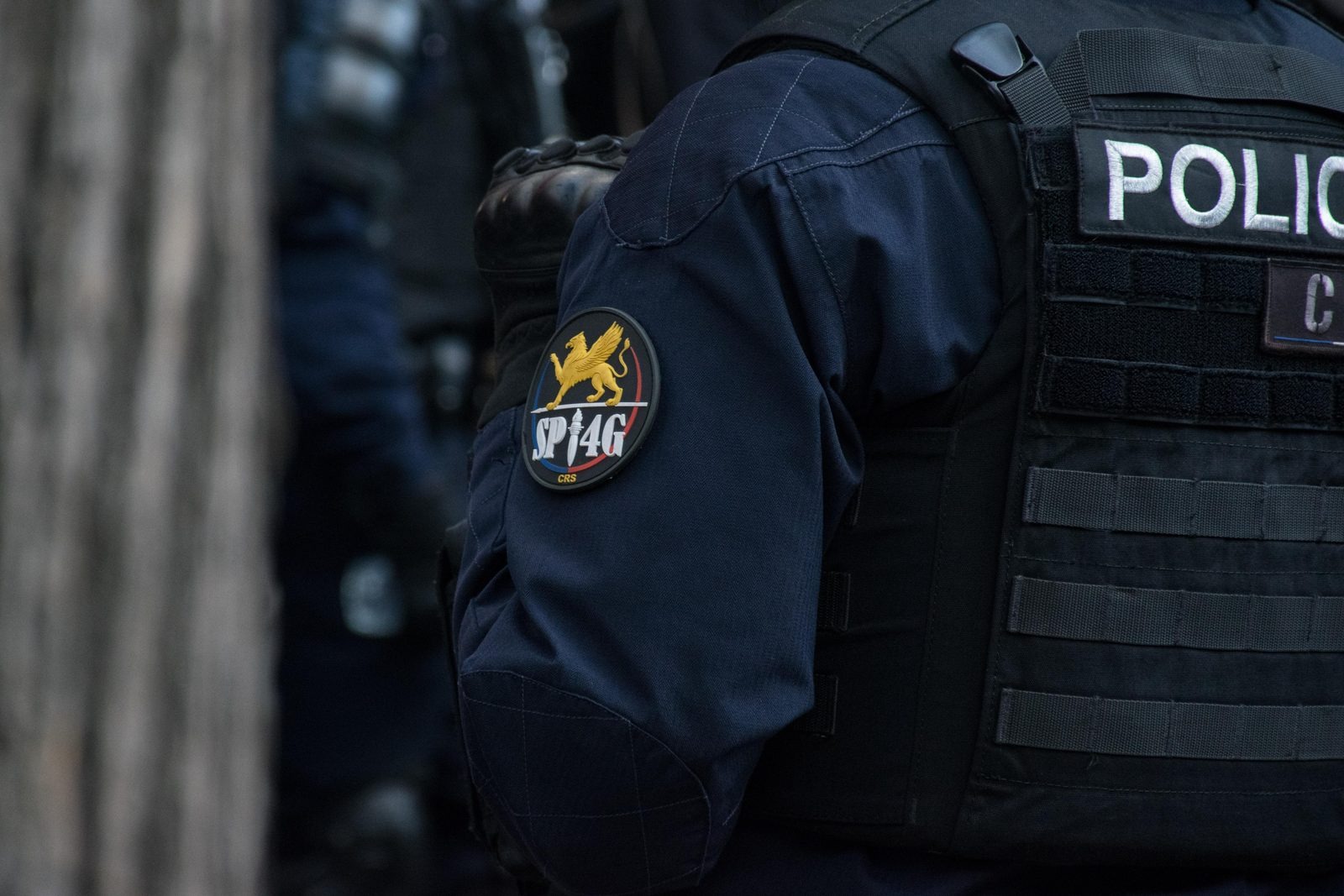
The Pittsburgh Steelers landed in France on Friday morning, and by the afternoon their quarterback was answering the question everyone in Paris had been asking all week. Aaron Rodgers told a press conference, moved to a Paris hotel after bad weather cancelled the team's training session, that the NFL would not be playing its first regular-season game in France if the situation were unsafe. “I definitely think that the NFL is alert to what's going on,” he said. “This game means a lot to the NFL. If it was unsafe, then I'm sure we wouldn't be here.”
The game itself is set: the Steelers against the New Orleans Saints on Sunday, October 25, at 2:30 p.m. Paris time, at the Stade de France in Saint-Denis, around ten kilometres from the centre of Paris. It is the first regular-season NFL game ever staged in France, the sixth of nine international games on the league's 2026 schedule.
The backdrop is what makes a routine pre-game press conference into news. France has lived through weeks of protest that began in schools and widened into anger over the cost of living; the weekend of October 17-18 brought some of the worst urban unrest in years, with rioting, looting and thousands of arrests. New demonstrations are planned for Saturday, and Storm Austen has brought orange weather alerts to much of the northwest, including the Paris region.
Nothing in the league's public position suggests a cancellation is close. The NFL has said preparations continue as planned, that it is working closely with local authorities and partners on security matters, and that there have been no disruptions at league sites. Commissioner Roger Goodell said on Wednesday that he had spoken with United States Secretary of State Marco Rubio and that officials remain in contact with Parisian and French authorities. “We've made all the preparations,” Goodell said. “Protests are not unusual in France, as you know, and that's something that we will be aware of and make sure that the appropriate arrangements are made.” Earlier in the week the league said it would increase security for the game, with its security team already in France coordinating with Paris and national authorities.
The United States government has been blunter than the league. Its State Department issued a security alert on Thursday night calling on citizens to “avoid demonstrations and areas of unrest”, adding that “Americans in Paris for the NFL game on Sunday, October 25 should also exercise caution and be aware of their surroundings.” The alert noted numerous groups had submitted plans for protests on Saturday, October 24, and warned that protests can occur outside planned routes.
What has changed so far is the programme around the game, not the game. The Steelers informed fans on Thursday that their Steelers House event at a bar in the Bastille neighbourhood would not go ahead, as a precautionary measure for an area that has experienced recent disruption. The NFL said its pop-up store on Rue Saint-Merri would close on Saturday, with an alternative store operating at the stadium. The contrast with domestic football is stark: Paris Saint-Germain's Ligue 1 match against Lyon, due on Sunday at the Parc des Princes, was moved to Monday night at the request of Paris police, who cited security concerns and the strain on police resources. The Louvre shut for the weekend and the Art Basel Paris fair stayed closed — a reminder, for readers following the curfews and unrest that have marked Paris this month, of how wide the disruption already runs.
The central unknown is Saturday itself. Demonstrations are planned, with the Bastille among the expected starting points, but no one can say in advance how large they will be, whether they stay peaceful, or whether trouble reaches the neighbourhoods and transport routes that fans will use on Sunday. The French Interior Ministry had promised a Friday briefing on security measures for Saturday's protests; the full scale of the weekend deployment has not been detailed in the reporting available so far.
A second unknown is the league's own red line. Rodgers framed the logic — if it were unsafe, the game would not be played — but neither he nor the league has described what specific development would trigger a postponement, a relocation or a game behind closed doors. Nor is it public whether the league holds contingency plans beyond the added security.
A third unknown is the crowd. The league expects more than 70,000 people at the Stade de France, with 10 to 12 percent travelling from across the Atlantic. How many ticket-holders reconsider, and how transport and weather affect the day, are questions only Sunday will answer.
This is not just a game that happens to be played during a protest movement; it is a game whose meaning has been changed by it. The NFL chose Paris as a new frontier for its international expansion, and a first regular-season game in France is a commercial and symbolic milestone the league has promoted for months. The week was built as a festival: fan houses, a pop-up store, a fan experience, thousands of Americans flying in. When the festival shrinks — a cancelled fan event here, a closed store there — the game itself becomes the statement.
For France, the stakes run the other way. The protest movement began on September 17 with students and school staff demonstrating over conditions in schools, teacher shortages and funding, and it has since drawn in far wider anger over living costs and fuel prices. For readers who have followed the school protests that opened this season of unrest and the student marches that followed, the NFL weekend is the moment a domestic argument plays out in front of a global television audience. A calm Sunday lets the authorities say Paris can host anything; a violent Saturday lets the protesters say the country is in crisis. Both readings will be available by Monday morning, and both will be used.
The most instructive comparison of the week is not between the NFL and its critics, but between the NFL and Paris Saint-Germain. One match was postponed by police order; the other goes ahead. The difference is partly geography: the Stade de France sits in Saint-Denis, north of the capital, away from the Bastille and the central Paris flashpoints, while the Parc des Princes sits in a city policing a protest weekend. It is partly about resources: postponing the domestic match freed officers for the rest of the weekend. And it is partly about who decides: the police prefecture can prohibit a Ligue 1 fixture, while the NFL's game rests on coordination between the league, French authorities and the United States government.
There is also a difference in what each organisation is selling. A domestic league fixture can be moved to Monday with little lost; a first-ever game in a new country cannot be moved without losing the milestone itself. Rodgers understood that when he spoke: his assurance was not just about safety, it was a star player publicly owning a decision the league had already made. The risk the NFL is running is reputational as much as physical. If Sunday passes calmly, the league's confidence looks prescient and its security template becomes the model for future host cities. If violence touches fans, the decision to proceed — taken after a United States government alert, a presidential warning and a domestic postponement — will be judged harshly.
Whatever happens on Sunday, this weekend will enter the planning files of every city hoping to host an NFL game. The lessons are already visible. Fan events belong away from flashpoint neighbourhoods: the Bastille cancellation shows that the soft programme around a game is more fragile than the game itself. Security planning must assume a second crisis — here, a storm — arriving on top of the first. And coordination with foreign ministries is now part of the job: the league's visible contact with the United States government, and the State Department's alert to travelling fans, are a template other hosts will copy.
The second-order effects reach beyond sport. A successful weekend burnishes Paris as a city that can absorb protest and spectacle at once; a troubled one would feed the argument that France's protest movement has made its cities unpredictable. For the movement itself, the weekend is a stage either way.
Saturday comes first. The planned demonstrations, the scale of the police response, and whether any disruption reaches the stadium area or the fan zones will set the tone for Sunday. Then comes kickoff at 2:30 p.m. Paris time.
After the final whistle, expect statements rather than silence: the league and both clubs will characterise the weekend, and the Interior Ministry will publish its protest and arrest figures. On Monday night, Paris Saint-Germain against Lyon will finally be played, closing a weekend in which French football moved and American football did not. The comparison will be the story of the week — whichever way Sunday goes.
The Western lens: confidence, with the caveats printed alongside Western coverage, led by Reuters and the Associated Press and carried by France 24, is quote-led and measured: Rodgers's assurance first, the league's preparations second, the caveats third. It gives space to dissent — President Trump's suggestion that the game could have been postponed, and the worry of players' families — but the centre of gravity is institutional confidence.
The Eastern lens: the alert, read from afar Coverage from India, led by the Hindustan Times, leads with the traveller's question rather than the fan's: what has the United States government told its citizens, and how dangerous is Paris this weekend? The alert, the rioting and the cancelled fan event come first; the game itself second.
The Southern lens: a game that goes on while a city argues with itself Al Jazeera's coverage frames the weekend through the unrest itself, calling the protests riots and placing the game inside a country arguing over living costs and school conditions. The postponement of Paris Saint-Germain against Lyon becomes the telling contrast: domestic football yielded to the police, American football did not.
As of Friday, October 23, yes. The NFL says preparations continue as planned, Commissioner Roger Goodell says the league has made all preparations with French and United States authorities, and Aaron Rodgers says he is confident the game will be played. No postponement has been announced, though the league has not described what development would change that position.
The movement began on September 17, 2026, with students and school staff demonstrating over conditions in schools, teacher shortages and funding. It has since widened to anger over the rising cost of living and fuel prices. Most demonstrations have been peaceful, but the weekend of October 17-18 brought rioting, looting and thousands of arrests in Paris and other cities.
The Steelers cancelled their Steelers House fan event in the Bastille neighbourhood on Thursday as a precaution, and the NFL said its Paris pop-up store would close on Saturday. A Friday fan event closed early because of Storm Austen, and the Steelers cancelled a Friday training session for the same reason. The game itself, and the stadium programme, remain unchanged.
The State Department issued a security alert on Thursday night urging Americans to avoid demonstrations and areas of unrest. It said numerous groups had submitted plans for protests on Saturday, October 24, warned that protests can occur outside planned routes, and told Americans in Paris for the Sunday game to exercise caution and be aware of their surroundings.
Kickoff is at 2:30 p.m. Paris time on Sunday, October 25, 2026, at the Stade de France in Saint-Denis — 9:30 a.m. Eastern time in the United States, where the game airs on NFL Network. It is the first regular-season NFL game ever played in France, with the Pittsburgh Steelers facing the New Orleans Saints.
