 MAGNA BUREAU
The Wire
Britain and the EU strike a reset deal; and Burnham opens the road back
Ten years after the Brexit vote, London and Brussels agree deals on food, youth mobility and carbon; and the prime minister says the long-term relationship, rejoining included, is now an open question.
Key points
- The summit: Britain and the EU struck a reset deal at a summit in Brussels on Friday, 20 November 2026, between Prime Minister Andy Burnham, European Commission President Ursula von der Leyen and European Council President António Costa. 8
- The food deal: A Common Sanitary and Phytosanitary Area will scrap most checks on animal and plant products from 1 March 2028, worth an estimated £5.1 billion a year to the British economy. 5
- The youth scheme: Up to 100,000 young people from each side, aged 18 to 31, will be able to live, work, study or travel in the other’s territory for up to three years. 1
- The carbon link: The two sides will link their emissions trading systems from 2028, exempting goods such as steel from each other’s border carbon levies. 8
- The economics: The Treasury estimates the package could add up to 0.5% to British GDP; about £17 billion. 8
ONE EVENT. THREE READINGS.
Western coverage has centred on the rejoining question and the mandate fight.
The Times led with a senior ally’s account that Burnham is “determined to take Britain back into the European Union” and believes it “deeply”, and CNN framed the summit as the moment the rejoining debate returned to the centre of British politics, noting Burnham took office only in July after Keir Starmer’s resignation.
What this reading highlights: Reuters stuck to the mechanics, the deal is done, timelines agreed, while the Press Association dwelt on the tuition-fee standoff.
The domestic backlash is the other half of the story: Farage’s charge of betrayal, Conservative anger, and a manifesto that promised the opposite.
Eastern coverage has been cooler and more transactional.
The South China Morning Post headlined the deadlock rather than the breakthrough, “UK, EU seal food and youth deals, but are stuck on tuition fees”, and stressed the concessions on both sides: Britain doubling its youth offer from 50,000 to 100,000, the EU holding the line on fees.
What this reading highlights: The Straits Times framed the summit as a pragmatic repair job between neighbours who share “values, interests and a global neighbourhood”.
The Bangkok Post called the reset a first step in Burnham’s push to rebuild ties, noting the deals addressed “a small part of those Brexit losses”. The East reads this as management, not destiny.
Sources: South China Morning Post (1), The Straits Times (1), Bangkok Post (1)
Southern coverage has carried the fullest account of what was actually agreed.
Al Jazeera, reporting from Brussels, set out the three deals, the £5.1 billion estimate for the food arrangement and the 0.5% GDP figure, and gave the story its frame: the end of a “decade of drift”.
What this reading highlights: Its explainer noted there was no signing on Friday and months of negotiation lie ahead.
Indian outlets went deepest into the joint statement: Moneycontrol and the ANI wire listed the Erasmus+ return, the Digital Partnership on artificial intelligence and quantum technology, the Structured Dialogue on Migration, and a Framework Participation Agreement opening EU defence missions to Britain. For the Global South, the story is less about Britain’s identity crisis than about a former great power quietly rejoining the institutions it left.
Sources: Al Jazeera (4), Moneycontrol (1), Asianet News (1)
Sources by lens: 4 West, 3 East, 6 Global South. See every source
THE POINT OF CONVERGENCE
On the facts. On Friday, 20 November 2026, Britain and the EU concluded three agreements at a summit in Brussels, a Common Sanitary and Phytosanitary Area, a link between their emissions trading systems, and a Youth Experience Scheme, and opened a year-long discussion of the long-term relationship. The food arrangement is targeted for 1 March 2028 and is estimated to be worth £5.1 billion a year; the youth scheme offers 100,000 places a year to each side for people aged 18 to 31 for up to three years; and the Treasury estimates the package could add up to 0.5% to British GDP, about £17 billion.
WHAT REMAINS CONTESTED
On two points. First, whether the food and carbon deals depend on a tuition-fee agreement: The Times reported that EU member states insisted the package would be implemented only if Britain agreed to charge EU students home fees, while Foreign Secretary Ed Miliband said the food, energy and youth agreements would come into force regardless and called tuition a separate issue; Reuters reported that it is not clear whether the deals are conditional. Second, the youth scheme’s age band: Al Jazeera’s explainer describes it as open to people under 30, while The Times, the South China Morning Post and the joint-statement reporting put it at 18 to 31.
The story
A Friday in Brussels, ten years after the vote
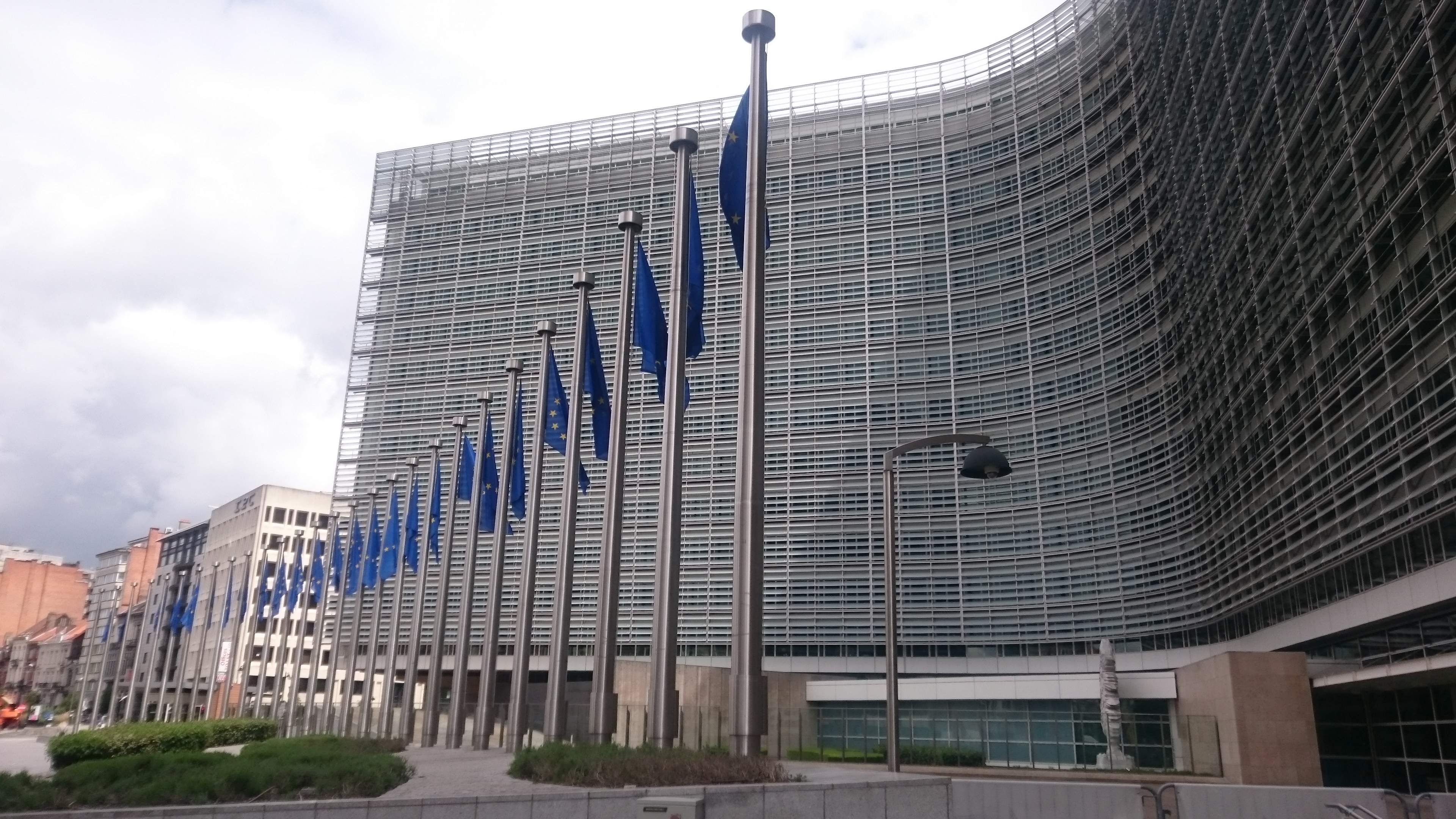
Britain and the European Union struck a reset deal on Friday, 20 November 2026, at a summit in Brussels, agreeing to scrap most checks on food and farm trade, link their carbon markets and open a youth mobility scheme; the most significant step toward rebuilding ties since Britain left the bloc. Prime Minister Andy Burnham, European Commission President Ursula von der Leyen and European Council President António Costa announced the package at a joint press conference, with Burnham calling it “a good day for Britain” and “a good day for Europe” and saying it would draw a line “on a decade of drift and division”. Von der Leyen called the agreement a “turning point” in relations. There was, notably, no signing ceremony: Al Jazeera’s correspondent in Brussels reported that no document was inked on Friday, with the details to be set out in a joint leaders’ statement. The summit was the second of the reset and had been postponed from July, after the resignation of Burnham’s predecessor, Keir Starmer. In the four months since he took office, Burnham has moved faster on Europe than any prime minister since the referendum; and on Friday he went further still, opening a formal discussion about Britain’s long-term relationship with the bloc, rejoining included.
Three deals, and the numbers behind them
First, food and farming. The two sides concluded a Common Sanitary and Phytosanitary Area that will remove most certificates and checks on animal and plant products moving between Great Britain, Northern Ireland and the EU, targeted to take effect on 1 March 2028. Britain estimates the arrangement is worth £5.1 billion a year to its economy. Second, carbon. The UK and EU will link their emissions trading systems from 2028, exempting goods such as steel from each other’s border carbon levies. Third, young people. The Youth Experience Scheme will let up to 100,000 people from each side, aged 18 to 31, live, work, study or travel in the other’s territory for up to three years, with applications opening by 2028 and rollout by January 2030. Britain had originally offered 50,000 places a year. The package goes further: Britain will rejoin the Erasmus+ student exchange programme in 2027, its funding call having opened on 18 November. The Treasury estimates the whole reset could add up to 0.5% to British GDP, about £17 billion. Legislation to implement the package is to be introduced in Parliament next week. The ground was laid before Burnham took office, Britain’s earlier push for closer ties had already brought the food deal near completion; but the summit turned a negotiation into a political fact.
a good day for Britain.
Could tuition fees still stop the whole package?
The largest unknown is university tuition fees. The EU wants its students at British universities to pay the same “home fees” as British students, rather than international rates that can run four times higher; Britain prefers to offer only “significantly reduced” fees. The two sides have given themselves six months to agree, and it is not settled whether the food and carbon deals take effect regardless: The Times reported that member states insisted the package would be implemented only if London agreed on fees, while Foreign Secretary Ed Miliband insisted on Sunday that the food, energy and youth agreements would come into force and called tuition a “separate issue”. The full legal texts have not been published, so the conditions, the review clauses and the enforcement machinery remain unseen. Nor is it known what the year-long “brainstorming” on the long-term relationship will produce, whether rejoining will appear in Labour’s next manifesto, or how the European Parliament and the 27 member states will treat a British application if one ever comes.
Why does the first step back change the argument?
This is the biggest change to Britain’s relationship with the EU since it left the bloc, and its significance is political as much as economic. For a decade, the argument in Britain was whether Brexit could be made to work; on Friday, a sitting prime minister said the destination might be the other way. Burnham has said he wants Britain to rejoin the EU in his lifetime, and a senior ally told The Times he believes it “deeply” and thinks he is “on the right side of public opinion”. The polling points that way: an Ipsos survey of 1,109 British adults in October found 56% would vote to apply to join the EU in a referendum, against 30% who would stay out. The material gains are real but modest, 0.5% of GDP against losses from leaving that economists put far higher, and the deals do not take effect until 2028. What changed on Friday is the frame: the question is no longer whether Britain moves closer to Europe, but how far, and how fast.
Burnham’s gamble: promise the future, deliver the present
The choreography of Friday was deliberate. Burnham announced as much as he could without a mandate for more, then announced a process, a year of informal “brainstorming” with Brussels, that keeps the biggest question alive until after the next general election, which must be held by August 2029. “What we are announcing today is probably the limit of what we can achieve in this Parliament,” he said, a sentence that does two jobs at once: it reassures voters who fear a secret rejoining, and it tells supporters that the door is open. The vulnerability is the mandate. Labour’s 2024 manifesto said, in black and white, that “with Labour, Britain will stay outside of the EU”, with no return to the single market, the customs union or freedom of movement; and Burnham has never fought a general election as leader. Reform UK’s Nigel Farage called him “naïve” and accused him of peddling untruths about the deal, and the Conservatives are furious. On the European side, the price of closeness is already visible: the tuition-fee demand shows member states will charge for every step. The long post-Brexit balance sheet is what makes the politics move; a decade of friction, and a public that has changed its mind faster than its parties.
Universities, exporters and the next election feel it first
The second-order effects start with universities, whose finances now hang on a six-month negotiation over fee levels; a cut from international rates of up to £38,000 a year to the domestic £9,970 would cost the sector heavily, which is why London is resisting. Food exporters gain from 2028, when the checks that have strangled small producers fall away; steel and aluminium exporters gain from the carbon linkage. For young Britons, the scheme reopens a door closed since Brexit, though capped and time-limited. Politically, the reset redraws the battlefield for the next election: Labour will fight it on competence and the cost of living, Reform and the Conservatives on sovereignty and the manifesto. And in Brussels, the precedent matters; the EU’s institutional machinery has now shown it can reabsorb a former member piece by piece, on its own terms, without reopening the treaties.
What happens now; and when?
Three clocks now run. The first is the six-month deadline for a tuition-fee agreement, with the fate of the wider package argued over it. The second is parliamentary: the Chief Whip will introduce implementing legislation next week, and Burnham will publish a ten-year plan for Britain next month setting out options for the relationship beyond this Parliament. The third is the year-long brainstorming process with Brussels, due to report before the next EU-UK summit in about a year’s time. The Erasmus+ funding call is already open, and the first British students will return to the programme in 2027. The food and carbon deals apply from 2028; the youth scheme rolls out by January 2030. Whether any of it becomes a road back into the EU will be decided not in Brussels, but by British voters; at the next general election, and perhaps in a referendum after it.
What we agree on, and what remains open
Established
- On the facts. On Friday, 20 November 2026, Britain and the EU concluded three agreements at a summit in Brussels, a Common Sanitary and Phytosanitary Area, a link between their emissions trading systems, and a Youth Experience Scheme, and opened a year-long discussion of the long-term relationship. The food arrangement is targeted for 1 March 2028 and is estimated to be worth £5.1 billion a year.
- The youth scheme offers 100,000 places a year to each side for people aged 18 to 31 for up to three years.
- The Treasury estimates the package could add up to 0.5% to British GDP, about £17 billion.
Contested
- On two points. First, whether the food and carbon deals depend on a tuition-fee agreement: The Times reported that EU member states insisted the package would be implemented only if Britain agreed to charge EU students home fees, while Foreign Secretary Ed Miliband said the food, energy and youth agreements would come into force regardless and called tuition a separate issue.
- Reuters reported that it is not clear whether the deals are conditional. Second, the youth scheme’s age band: Al Jazeera’s explainer describes it as open to people under 30, while The Times, the South China Morning Post and the joint-statement reporting put it at 18 to 31.
Still open
- The full legal texts, which have not been published.
- Whether the food and carbon deals are conditional on tuition fees.
- What the year-long brainstorming will conclude.
- Whether rejoining will appear in Labour’s next manifesto.
- Or how the EU’s member states would treat a British application for membership, which would require unanimity.
What to watch
Questions, answered
Three deals: a Common Sanitary and Phytosanitary Area scrapping most checks on food and farm products from 1 March 2028; a link between the two sides’ emissions trading systems from 2028; and a Youth Experience Scheme offering 100,000 places a year to each side for people aged 18 to 31, for up to three years. Britain also rejoins the Erasmus+ student exchange programme in 2027.
Not now. No application has been made and no referendum proposed. But Prime Minister Andy Burnham has said he wants Britain to rejoin in his lifetime, and the two sides have opened a year-long informal discussion of the long-term relationship, with options ranging from the status quo to the customs union to full membership. Any rejoining would need a British vote and the unanimous agreement of all EU member states.
University tuition fees. The EU wants its students at British universities to pay the same home fees as British students; Britain prefers significantly reduced fees, and the two sides have six months to agree. It is also unclear whether the food and carbon deals take effect regardless of the fee talks. The full legal texts of the agreements have not yet been published.
The food and carbon deals apply from 2028, with the food arrangement targeted for 1 March 2028. Britain returns to Erasmus+ in 2027, with the funding call already open. The youth scheme aims to open applications no later than 2028 and roll out by January 2030. Implementing legislation goes before Parliament next week.