A decade after the referendum, Britain lives with the consequences of Brexit. The reset with Europe is real, but rejoining is not on the table.
Published 14 October 2026 · 06:00 GMT
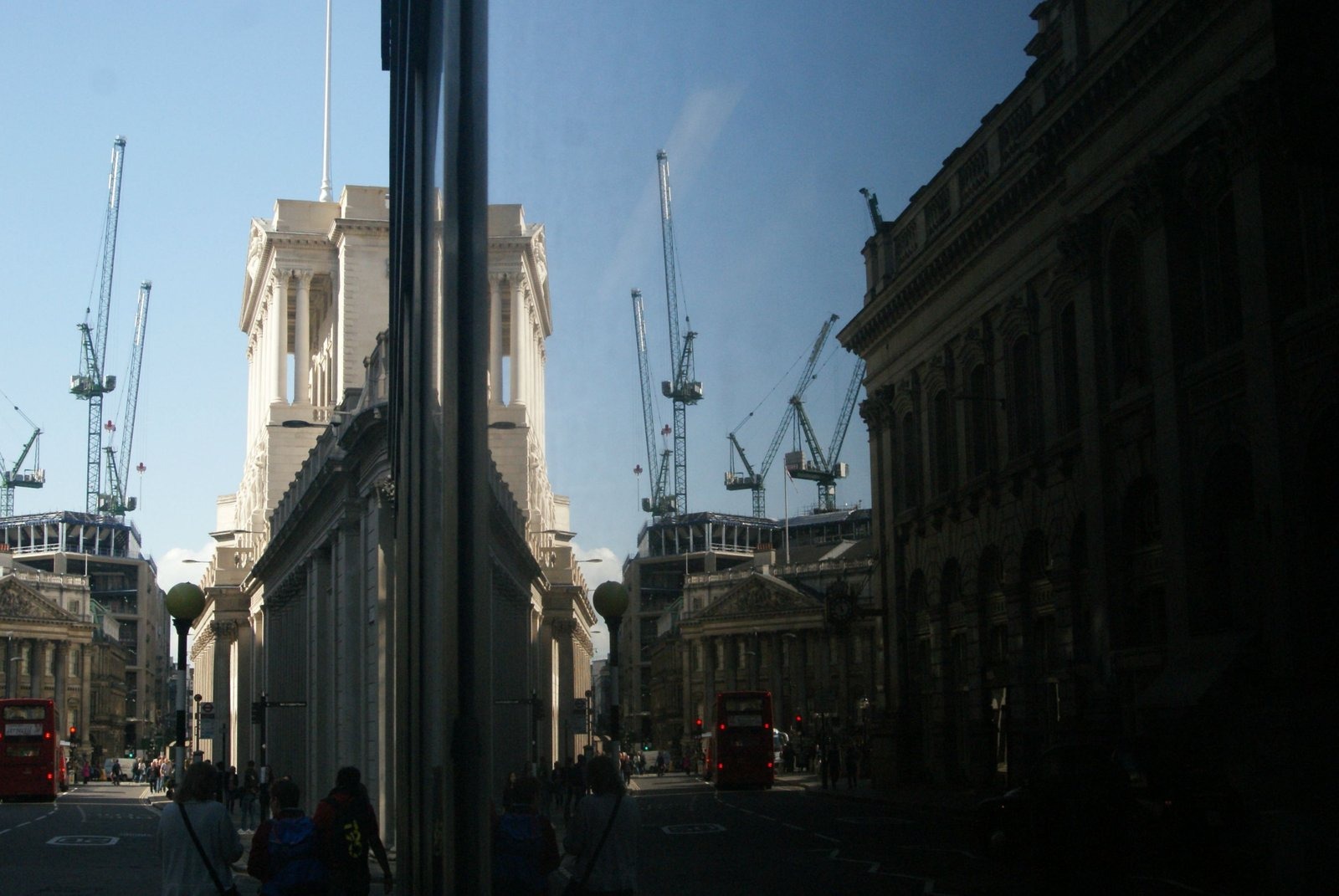
Brexit was the largest constitutional change in modern British history, and its effects are still being sorted. Britain left the European Union, the single market, and the customs union, ending four decades of integration. Free movement of people ended. British goods crossing into Europe faced customs checks, paperwork, and rules of origin. Services, the heart of the British economy, lost the automatic right to operate across the bloc.
The economic argument has never settled. Supporters of Brexit point to regulatory freedom, new trade deals with countries outside Europe, and control over immigration. Critics point to trade friction, labour shortages in sectors that relied on European workers, and slower growth. The Office for Budget Responsibility, the official forecaster, has estimated that Brexit will leave long-run productivity about 4 percent lower than it would otherwise have been. Estimates vary, and the counterfactual, what would have happened without Brexit, can never be observed. But the direction of the official estimate has been consistent.
Northern Ireland was the hardest problem, and it remains the most delicate. The 1998 Good Friday Agreement, which ended decades of conflict, depends on an open border between Northern Ireland and the Republic of Ireland. Brexit put a customs border somewhere, and the original Protocol put it in the Irish Sea, between Northern Ireland and Great Britain. Unionists objected. The Windsor Framework of February 2023 softened the arrangement, creating a green lane for goods staying in Northern Ireland and a red lane for goods heading to the EU. It calmed the politics without fully satisfying anyone, which in Northern Ireland counts as success.
Immigration changed shape rather than shrinking. EU migration fell, and migration from the rest of the world rose, driven by work visas, students, and humanitarian routes. Net migration reached record levels in the early 2020s before falling back. The politics of immigration, which powered much of the Leave campaign, did not get simpler after Brexit. It got more complicated, because the levers were now in London, and so was the blame.
Keir Starmer came to office in July 2024 promising a reset with Europe, and he meant it in the limited sense that British politics allows. Labour ruled out rejoining the EU, the single market, and the customs union, and it ruled out restoring free movement. The reset would be about the relationship, not the membership. That distinction, dull as it sounds, is the whole of British European policy.
A 2025 summit between Britain and the EU produced the first fruits: a defence and security pact, talks on easing food and agricultural trade through alignment on standards, and discussions on youth mobility. Defence cooperation was the easiest win, because the war in Ukraine had already made Britain and the EU de facto partners on security. Food standards mattered because they affect everyday trade. Youth mobility, a scheme allowing young people to live and work across the Channel, became the symbolic test of whether the reset had real content.
The politics of the reset are treacherous. The Conservative Party, now in opposition, watches for any concession it can call betrayal. The Liberal Democrats call for a closer relationship. Reform UK, the party that inherited much of the Brexit vote, calls the reset a sellout. Starmer must show progress to a public that is weary of the argument, without giving his opponents a headline. The result is incrementalism: small deals, quiet language, and no grand speeches about Europe.
Europe, for its part, has been cautiously welcoming. Brussels prefers a cooperative Britain to a hostile one, and the defence pact serves European interests directly. But the EU has no incentive to give Britain the benefits of membership without the obligations. Every negotiation starts from that asymmetry, and British officials know it. The reset will be measured in lorry queues and export forms, not in declarations.
Britain’s economy since Brexit has been neither the catastrophe its critics predicted nor the liberation its supporters promised. Growth has been sluggish, as it has been across much of Europe. The City of London remains a global financial centre, though some trading and jobs moved to Amsterdam, Paris, and Frankfurt. Manufacturing supply chains adjusted, at a cost. The country muddled through, which is what Britain usually does.
The deeper question is about the British growth model. For decades it rested on services, above all finance, on London as a global hub, and on flexible labour markets. Brexit did not destroy that model, but it removed one of its supports: frictionless access to the European market. The government has tried to compensate with trade deals beyond Europe and with deregulation at the margins. The results, by most assessments, have been modest. Geography still matters in trade, and Britain’s nearest neighbours are in Europe.
Public opinion has shifted, slowly. Polls through the mid-2020s have consistently shown that a majority of Britons now say Brexit was the wrong decision, a reversal of the 2016 result. Yet the same polls show little appetite for reopening the membership question. The public seems to want the benefits of closeness without the fight of rejoining. That mood, tired of the argument but unhappy with the outcome, is the climate in which British politics now operates.
Brexit also reopened the question of the United Kingdom itself. Scotland, which voted to remain in the UK in a 2014 independence referendum and to remain in the EU in 2016, saw Brexit as a change imposed against its will, and the Scottish National Party has pressed ever since for a second independence vote. Wales, which voted Leave, has debated further devolution rather than separation. Northern Ireland, which voted Remain, now lives under arrangements unlike any other part of the kingdom. The United Kingdom survived Brexit intact, but the union that emerged is more loosely bound and more openly questioned than the one that entered the referendum era.
Brexit will be studied for generations, not because it was unique, every country has its constitutional traumas, but because it was a controlled experiment in unwinding integration. Britain chose sovereignty over market access, and has spent a decade learning the price. The reckoning is not over. It has simply moved from the referendum campaign to the slow grind of trade statistics, border posts, and summit communiques. That is where history now happens: not in slogans, but in paperwork.
The Western lens reads Britain as a cautionary tale about referendums: a close vote, an unclear mandate, and a decade of consequences. In this telling, the reset is the sensible correction, and the lesson for other democracies is to define the question before asking it.
From the East, Brexit looks like a gift to Europe’s rivals. A divided West is a weaker West, and Britain’s departure from the EU weakened both. In this telling, the defence pact and the reset are the important story: the West reassembling itself under the pressure of war.
From the Global South, Brexit is about immigration and empire memory. Britain wanted control of its borders and got migration from new sources instead. In this telling, the old imperial map still shapes who comes to Britain, and the Brexit debate never honestly reckoned with that.
