 MAGNA BUREAU
The Wire
Burnham seals his Brussels reset; and the ‘Brejoin’ question follows him home
Two days after sealing trade and youth-mobility deals with the European Union in Brussels, Prime Minister Andy Burnham faces a revolt of former prime ministers. Theresa May says she is ‘aghast’ and tells him to accept Brexit and move on, while Boris Johnson calls the reset a betrayal; and a senior ally tells The Times the prime minister wants to rejoin.
Key points
- On Friday 20 November 2026 in Brussels, Prime Minister Andy Burnham and EU chiefs Ursula von der Leyen and António Costa sealed three agreements, easing food and farm trade, linking emissions trading, and a youth mobility scheme, the biggest UK-EU step since Brexit. 6
- The Youth Experience Scheme will let 100,000 people under 30 from each side live, work or study in the other’s territory for up to three years, starting in 2030; Britain will also rejoin the Erasmus+ exchange from next year. 6
- Burnham says the package could add 0.5% to Britain’s GDP, a £17 billion boost on Treasury estimates, while the farm-trade arrangement alone is worth £5.1 billion. 6
- Former prime minister Theresa May said on BBC television on Sunday 22 November that she was ‘aghast’ her successor could be considering rejoining the EU, and told him: ‘Brexit is done. Just accept Brexit and move on.’ 4
- Former prime minister Boris Johnson called it ‘madness’ to make Brexit a political priority again; Burnham replied that he would not listen to Johnson, who ‘left us with a bad Brexit deal’. Hürriyet Daily News
ONE EVENT. THREE READINGS.
Western coverage framed the weekend as a test of nerve.
Le Monde called the summit Burnham’s European “moment”, standing before the EU flag and the Union Jack “without hiding his satisfaction”; the British press, led by the BBC interview that carried May’s warning, treated the reset as a question of how far one prime minister can go before his predecessors pull him back.
What this reading highlights: The Western reading is that the deal is real but capped, “probably the limit of what we can achieve in this Parliament”, and the argument now is whether that cap holds.
Sources: France 24 (1), Le Monde (1), Glasgow Times (1)
Asian coverage read the substance, not the theatre.
The Hindu and the Straits Times carried the AFP account straight, the deals, the dates, the “aghast”, while ANI’s report lingered on the numbers that matter beyond Europe: the £17 billion growth claim, the 30% collapse in farm exports, the return to Erasmus+.
What this reading highlights: For Asia, the story is a former imperial power renegotiating market access with its neighbours, and a reminder that education fees are now a bargaining chip in trade diplomacy.
Sources: The Hindu (1), Asianet News (1)
Al Jazeera, which carried the fullest account of the summit, stressed what was not signed, “no actual signing”, “no document being inked”, and the six months left to settle student fees.
Arab News called the package “landmark” and a “turning point”.
What this reading highlights: The Southern reading is of a middle power seeking shelter in its largest market: a country that spent a decade insisting it would thrive alone, now measuring the cost of the distance; in salmon shipments, in student fees, in the life chances of its young.
Sources: Al Jazeera (1), Arab News (1)
Sources by lens: 3 West, 2 East, 2 Global South. See every source
THE POINT OF CONVERGENCE
On Friday 20 November 2026 in Brussels, Prime Minister Andy Burnham and EU chiefs Ursula von der Leyen and António Costa sealed three agreements, easing food and farm trade, linking emissions trading, and a youth mobility scheme, the biggest UK-EU step since Brexit, and the first time a British prime minister has openly questioned the settlement of the last decade.
WHAT REMAINS CONTESTED
On what comes next; Burnham presents the reset as a practical fix inside his predecessor’s red lines, while May, Johnson and Cameron warn it is the first step back into the EU; a senior ally’s reported claim that he ‘wants to rejoin’ is unattributed, and Burnham himself has set out no rejoin position on the record.
The story
A Friday handshake in Brussels, a Sunday row back home
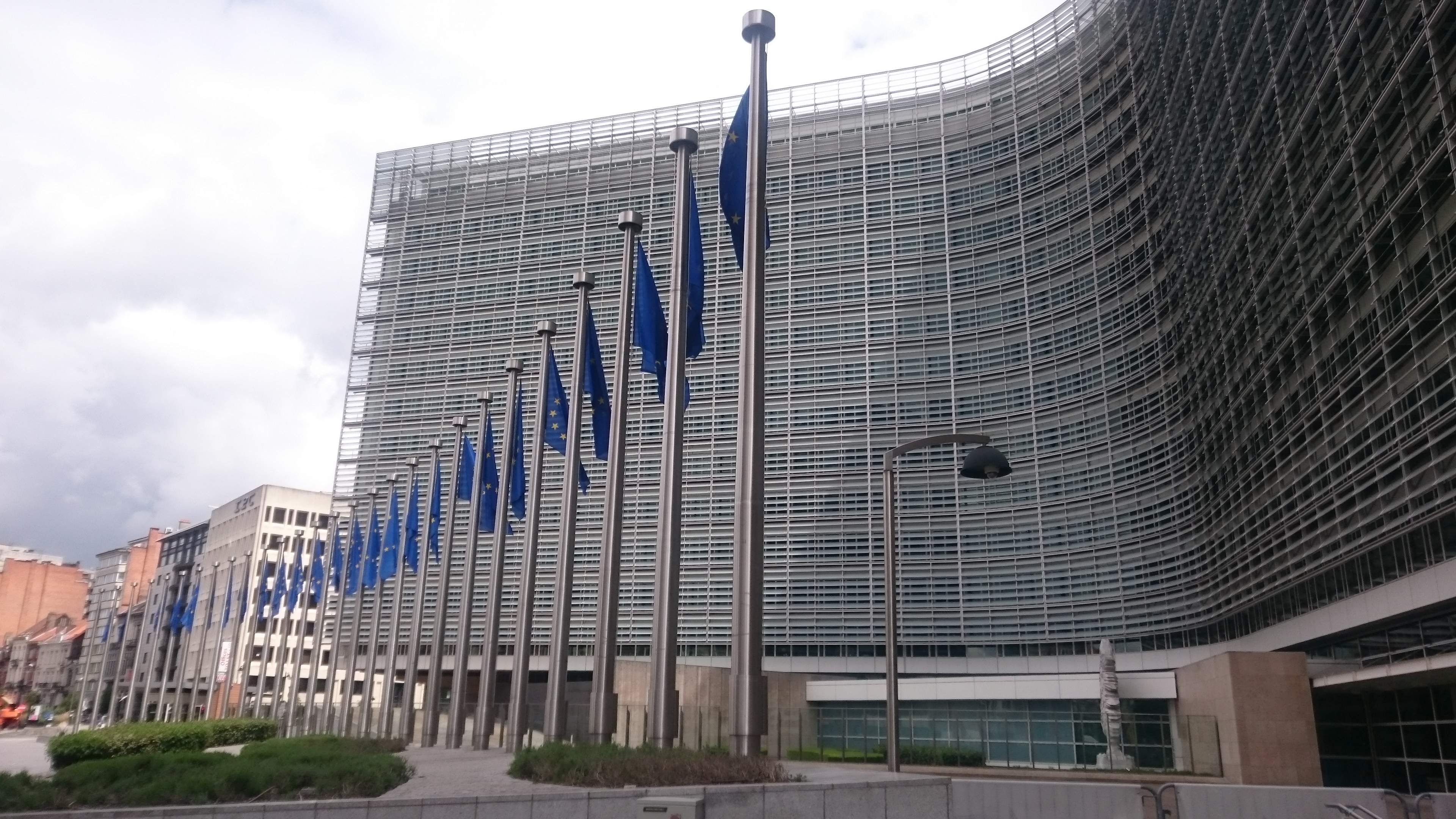
On Friday 20 November, in Brussels, Prime Minister Andy Burnham stood beside European Commission President Ursula von der Leyen and European Council President António Costa and announced that Britain and the European Union had sealed a reset of their relations, ten years after the Brexit vote. “This is a good day for Britain, and this is a good day for Europe,” Burnham said, calling the package a step towards undoing a decade of damage. Von der Leyen called it a “turning point”. A string quintet played the anthems of both sides as the leaders shook hands.
By Sunday, the argument had followed Burnham home. On BBC television, former prime minister Theresa May said she was “aghast” that her successor could be considering rejoining the EU, and told him to “accept Brexit and move on”. The France 24 programme Spotlight asked the question now hanging over Westminster: nearly a decade after David Dimbleby announced at 4.40am on 24 June 2016 that “the people of Britain have spoken, and the answer is: we are out”, is Britain changing its mind?
What the three deals actually contain
The summit produced three agreements. The first creates a common sanitary and phytosanitary area, scrapping most checks and certificates on food and farm products traded between Britain and the EU, due to take effect on 1 March 2028. London says the arrangement is worth £5.1 billion ($6.7 billion) to the British economy. The second links the two sides’ emissions trading systems from 2028, exempting goods such as steel from each other’s carbon border levies. The third, the Youth Experience Scheme, will let 100,000 people under 30 from each side live, work or study in the other’s territory for up to three years, starting in 2030. Britain will also rejoin the Erasmus+ student exchange from next year.
Burnham said the package could add 0.5% to Britain’s GDP; a £17 billion ($22 billion) boost, according to a Treasury study. He pointed to the costs of the current settlement: farm exports to the EU have fallen by more than 30% in the decade since the vote, and exporting a single shipment of salmon can cost up to £1,400 in paperwork. The two sides also agreed to extend the energy title of the Trade and Cooperation Agreement through March 2028, open talks in 2027 on British entry to the EU’s internal electricity market, launch a digital partnership on artificial intelligence and quantum technologies, and cooperate on economic security and on tackling irregular Channel crossings.
One issue remains unresolved, and the whole package depends on it: what EU students will pay at British universities. Brussels wants them charged the same domestic rates as British students; Burnham has proposed £12,000 a year, against the £9,790 domestic fee, rising to £10,050 in 2027. The two sides gave themselves six months to settle it. Until they do, the political deal is sealed but the treaty text is still to be published; the Conservative leader, Kemi Badenoch, noted on Sunday that “the summit is over, but we still haven’t seen any treaty text”.
“This is a good day for Britain, and this is a good day for Europe,” Burnham said, calling the package a step towards undoing a decade of damage.
What the summit did not settle
The first unknown is the treaty text itself. Downing Street says “the deal is done” and legislation will reach Parliament next week; until the text appears, the exact obligations, including any British payments into EU budgets, cannot be checked. The second is the student-fee level, which the EU has made a condition of implementation. The third is the biggest question of all: whether Burnham intends to take Britain back into the EU. He has promised to set out options for the future relationship alongside a ten-year plan in December, and to open a discussion with EU partners after the summit. A senior ally told The Times that “he wants to rejoin”; but the claim is unattributed, Burnham has not set out a rejoin position on the record, and he has committed to his predecessor Keir Starmer’s red lines for this Parliament: no return to the single market, the customs union or freedom of movement.
Why a trade fix has become a question of identity
This is the largest single step in UK-EU relations since Britain left the bloc in 2020, and the first time a British prime minister has said openly that the country has “lost more than it has gained” in the decade since the vote. The economics are concrete: cheaper food trade, lower costs for farmers and exporters, and a youth scheme aimed at a generation that has never known free movement; one million young Britons are not in education, employment or training, and Burnham told them directly: “This deal is for you. This deal really is about lifting your life chances.”
The politics are larger still. For ten years, no prime minister has dared to reopen the question of the relationship itself; Burnham has now put the word “rejoin” back into the Westminster conversation, and the reaction of three former prime ministers in a single weekend shows how live the argument remains. What is decided in the next twelve months will shape Britain’s place in Europe for a generation.
How Burnham is gambling his premiership on Europe
Burnham has been prime minister only since July, when he succeeded Keir Starmer, and the reset is his defining gamble. He promised at Labour’s September conference to lay out options for the relationship around the time of the summit, and in a speech on 16 November he said Britain had left on “bad terms” and needed “to consider whether the relationship we have now is right”; “like the emperor’s new clothes where no one is prepared to say the obvious truth”. At the summit he went further, saying Brexit was what Britain’s “enemies” wanted, and that the deal was “probably the limit of what we can achieve in this Parliament”, suggesting no closer ties before the next election, due by 2029.
The politics cut both ways. Polling gives him cover: a YouGov tracker in late September found 73% of Britons favour a closer relationship with the EU. But the former prime ministers have mobilised. Johnson, who negotiated the exit deal, told The Telegraph it was “madness to escalate the Brexit issue as your political priority” and insisted voters would back Leave again; Cameron, who called the referendum, also warned him off. Burnham’s reply, on Sky News, was blunt: “I’m afraid I’m not going to listen to Boris Johnson on this particular matter. He left us with a bad Brexit deal that has led to Britain losing more than it’s gained… He burned bridges and created a lot of bad feeling.” May’s intervention is the most damaging, because it comes from the premier who tried and failed to deliver Brexit; and because her warning is managerial, not ideological: EU negotiations, she said, consume “vast amounts of government time” across the whole of government.
What the fees fight will decide
The first aftershock will land on universities. EU students currently pay full international fees; Burnham’s £12,000 proposal would cut that sharply, and university leaders have warned of a financial black hole if the gap is not filled. Brussels holds the leverage: implementation of the whole package is tied to the fees agreement, and the two sides have until 20 May 2027 to conclude it. The second aftershock is political. The Conservatives, led by Badenoch, will fight the implementing bill as a sell-out, and Johnson’s newspaper column, calling the reset “an abomination” and “a betrayal of Brexit”, gives the attack its language. The third is European: the EU has shown it will trade market access for alignment on food standards and carbon rules, a template it may now offer, or impose, elsewhere. And the fourth is the quiet one: the digital partnership and the economic-security dialogue pull Britain into joint work on artificial intelligence, quantum technologies and supply chains, including on China, rebuilding habits of cooperation that Brexit broke.
What happens between now and December
On Monday, Burnham is expected to make a statement to the House of Commons, and the bill to implement the deals is expected in Parliament next week. The tuition-fee talks run for six months. In December, the government publishes its ten-year plan for Britain, and Burnham has promised to set out, alongside it, what the next phase of the relationship could look like. “At every stage the British people will be the boss,” he said on 16 November; a pledge that will be tested the moment any options paper mentions the word rejoin. The farm-trade deal takes effect on 1 March 2028, the emissions link the same year, and the youth scheme in 2030. The ghosts of Brexit, as France 24 put it, are not laid to rest. They have simply been given a date.
What we agree on, and what remains open
Established
- On Friday 20 November 2026 in Brussels, Prime Minister Andy Burnham and EU chiefs Ursula von der Leyen and António Costa sealed three agreements, easing food and farm trade, linking emissions trading, and a youth mobility scheme, the biggest UK-EU step since Brexit, and the first time a British prime minister has openly questioned the settlement of the last decade.
Contested
- On what comes next; Burnham presents the reset as a practical fix inside his predecessor’s red lines, while May, Johnson and Cameron warn it is the first step back into the EU.
- A senior ally’s reported claim that he ‘wants to rejoin’ is unattributed, and Burnham himself has set out no rejoin position on the record.
Still open
- The treaty text, the student-fee level on which implementation depends, whether Burnham will formally put rejoining on the table in his December options paper, or whether Parliament passes the implementing bill.
What to watch
Questions, answered
At the EU-UK summit on Friday 20 November 2026, Britain and the EU sealed three agreements: a common sanitary and phytosanitary area scrapping most checks on food and farm trade from 1 March 2028, a link between their emissions trading systems from 2028, and a youth mobility scheme for 100,000 under-30s from each side for up to three years. Britain will also rejoin Erasmus+ next year.
The Youth Experience Scheme will allow 100,000 people under 30 from each side to live, work or study in the other’s territory for up to three years, starting in 2030. Prime Minister Andy Burnham presented it as a deal for young Britons whose horizons narrowed after Brexit, telling them it would lift their life chances after a decade of drift.
Speaking on the BBC’s Sunday with Laura Kuenssberg on 22 November, the former prime minister said she was ‘aghast’ that Andy Burnham could be considering rejoining the EU. She warned that EU negotiations consume vast amounts of government time, said voters had chosen Brexit, and told him: ‘Brexit is done. Just accept Brexit and move on.’
Not on the record. Burnham has promised to set out options for the future relationship alongside a ten-year plan in December, and says the Brussels package is ‘probably the limit of what we can achieve in this Parliament’. A senior ally told The Times that ‘he wants to rejoin’, but the claim is unattributed and Burnham has committed to no single market, customs union or freedom of movement.