A federal magistrate in Miami has ordered President Donald Trump to sit for a sworn, video-recorded deposition by December 11 in the defamation suit he filed against the BBC — or risk having his own $10 billion case thrown out.
Published 23 October 2026 · 01:29 GMT
A federal magistrate in Miami has ordered President Donald Trump to sit for a sworn, video-recorded deposition by December 11 in the defamation suit he filed against the BBC — or risk having his own $10 billion case thrown out. US Magistrate Judge Enjoliqué Lett ordered President Donald Trump to sit for a deposition under oath by December 11 in his $10 billion defamation lawsuit against the BBC, in a bench ruling at a Miami hearing on October 22, 2026.
US Magistrate Judge Enjoliqué Lett ruled from the bench in Miami on October 22, 2026 that Donald Trump must sit for a deposition under oath by December 11 in the defamation suit Trump himself filed against the BBC, after Trump canceled a deposition set for October 16; the suit claims at least $10 billion over a spliced January 6, 2021 speech in the 2024 Panorama documentary ‘Trump: A Second Chance?’; and the BBC has apologized for the edit while denying liability and seeking dismissal.
On why the October 16 deposition did not happen and whether the president is stalling. The BBC’s lawyers say Trump chose campaigning — a Georgia midterms rally and a Mar-a-Lago fundraiser — over testimony, telling the court that “no plaintiff is above the law.” Trump’s lawyers say presidential duties, security needs and “matters of national importance” constrained him, deny he is avoiding the deposition, and call the BBC’s document requests overbroad.
Whether Judge Kuntz extends the discovery period; whether the deposition actually takes place by December 11; what questions the BBC’s lawyers will put to Trump and what his answers will establish; and whether the BBC’s motion to dismiss — arguing the programme neither meets the defamation threshold nor was available in the United States — succeeds before any trial.
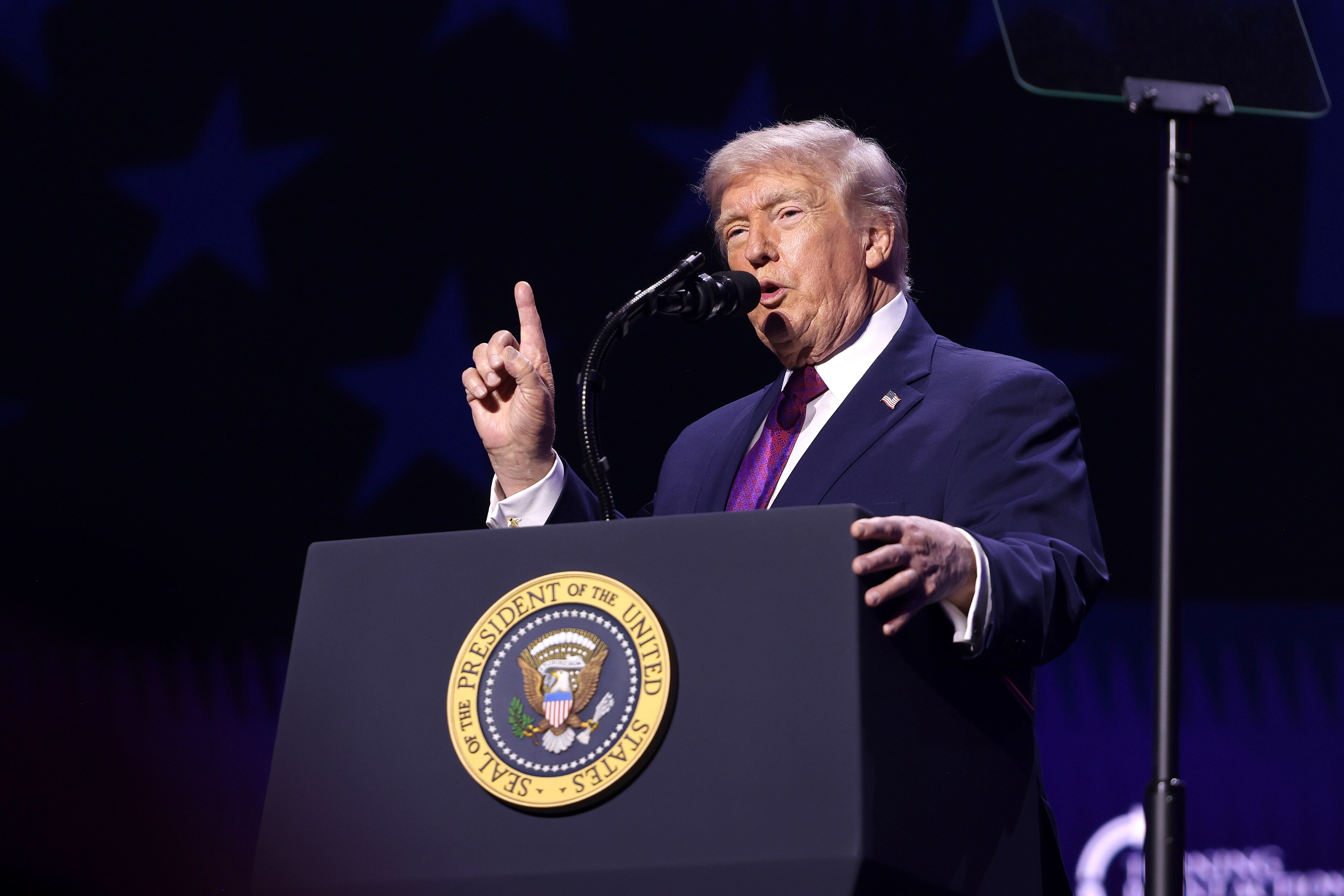
On Thursday, October 22, 2026, US Magistrate Judge Enjoliqué Lett did something no court had yet done in this case: she gave the plaintiff a deadline. In a ruling delivered from the bench in Miami, Lett ordered President Donald Trump to sit for a deposition — sworn, out-of-court testimony taken under oath, recorded verbatim by a court reporter — by December 11, in the $10 billion defamation lawsuit he filed against the BBC. Failure to comply could bring sanctions up to and including the dismissal of his own case.
The order landed after the BBC's lawyers told the court that, with two months left in the discovery period, Trump had still not completed a deposition despite the two sides having agreed on an October 16 date. Trump canceled that session, citing "matters of national importance." In court, the BBC's lawyer Charles Tobin said the president had in fact spent that day campaigning in Georgia — a midterms rally in Dalton and a fundraiser at his Mar-a-Lago property — and had "prioritised that" over answering questions under oath.
The lawsuit, filed in December 2025 in Florida federal court, accuses the BBC of "intentionally, maliciously, and deceptively doctoring" the speech Trump gave outside the US Capitol on January 6, 2021. The complaint targets the 2024 Panorama documentary "Trump: A Second Chance?," which joined his line "we're going to walk down to the Capitol ... and I'll be there with you" with a passage from much later in the same speech in which he questioned the 2020 election result, adding: "And we fight, we fight like hell."
The BBC has apologized for the error, saying the broadcast gave "the mistaken impression that President Trump made a direct call for violent action." The incident has already cost the broadcaster: multiple senior executives resigned in its wake. But the BBC denies it is liable for defamation and has asked the court to throw the case out, arguing the programme neither meets the legal criteria for defamation nor was available in the United States.
Because it converts private testimony into a permanent, reviewable record. Lett rejected Trump's attempt to block cameras, so the up-to-seven-hour deposition will be preserved on video for use in the litigation — admissible at trial, quotable by lawyers, and impossible to walk back. The case is now in the discovery phase, where both sides exchange records that could become evidence; that phase closes on December 18. The BBC is pursuing financial records from Trump's Mar-a-Lago club and the web of business entities around him, arguing the material is needed to defend against a $10 billion damages claim. Trump's lawyers call those requests too broad and irrelevant — and his attorney Alejandro Brito told the court the president's scheduling constraints extend beyond what any public calendar shows.
First, the BBC's motion to dismiss is unresolved: the broadcaster argues the programme was not available in the US and does not clear the defamation bar, and the July concession by Trump's own lawyers on US availability gives that argument real weight. Second, the discovery timeline is contested: Trump's legal team proposed a January 11–22 deposition window that sits beyond the December 18 discovery deadline, so the deposition ordered for December 11 can only move if District Judge Jeffrey Kuntz — who oversees the lawsuit — extends discovery. Third, nobody knows what the BBC's lawyers will ask or what Trump's answers will establish; depositions are exploratory, and the transcript may either arm the $10 billion claim or quietly deflate it.
A sitting US president answering questions under oath — on video, in a case he himself filed — is the kind of event that tests institutions rather than just headlines. The figure alone commands attention: $10 billion sought from a foreign public broadcaster would rank among the largest defamation claims in American legal history. But the structural stakes run deeper. This is one of several lawsuits Trump has filed privately against news organizations, which Reuters describes as part of a wider pressure campaign against coverage he dislikes; a Trump spokesman's counter-frame is that the case holds the BBC accountable for defamation and "reckless election interference."
For the BBC, the case is already an institutional crisis regardless of the verdict: an apology issued, senior executives gone, and now its lawyers cross-examining a sitting president. For the press at large, the proceedings will set live precedent on how far a president's own defamation litigation can reach into a foreign newsroom — and how courts weigh presidential scheduling claims against the machinery of discovery.
Strip away the $10 billion headline and this is a discovery war — and discovery wars are wars of attrition. The BBC's strategy is legible: pin down the deposition date, force the plaintiff to testify under oath, and widen the financial record to attack the damages figure, a pattern echoing across Trump’s other legal offensives, where the courts have become the chosen battlefield. Every document request the Trump team calls "too broad" is a front in that fight. The cancellation of the October 16 date, and the dueling accounts of what the president was doing instead — matters of national importance versus a Georgia rally and a fundraiser — gave Lett the opening to rule, and she took it without ambiguity: testify by December 11 or face sanctions that could end the case.
The 5D reading sees the calendar as the weapon. Trump's lawyers proposed January 11–22, beyond the December 18 discovery close; that is not a scheduling note but a bid to reset the tempo, since any extension now requires Judge Kuntz's assent. The video-recording ruling matters on the same axis: it removes the option of a deposition that exists only as transcript, raising the cost of every answer. And the July concession on US availability quietly reframes the entire damages edifice — a programme that never aired in America makes a $10 billion American defamation claim a steeper climb, which is precisely why the BBC is asking for the financial records that would test whether the number has any foundation at all.
Inside the BBC, the resignations already mark this as the broadcaster's gravest editorial crisis in years; a courtroom defeat or a trial would deepen it, while a dismissal would let the institution frame the episode as closed — at the price of the apology and the exits already on the record. Across the Atlantic, the case feeds the transatlantic argument over who regulates speech: a US president deploying American courts against a British public broadcaster will be read in London as an assertion of reach, whatever the verdict.
For newsrooms everywhere, the precedent being written is double-edged. A president held to discovery deadlines and sworn testimony is accountability functioning as designed — the system treating the most powerful plaintiff like any other. But a $10 billion claim, even one never collected, is itself a signal: litigation at this scale prices risk into every edit, every splice, every documentary decision. The chill does not require a verdict; the number is the message.
The dates are fixed and unforgiving. Trump must sit for the deposition by December 11; the discovery period closes on December 18; his legal team's proposed January 11–22 window can only happen if District Judge Kuntz extends discovery — a decision the BBC will oppose. Expect a paper fight over the extension, further sparring over the financial-records requests, and the BBC's dismissal motion moving toward a ruling that could end the case before any deposition matters.
The judge named the consequence plainly: sanctions up to and including dismissal of his own lawsuit. A court can also draw adverse inferences or bar claims tied to the refused testimony. Trump's lawyers insist he is not avoiding the deposition and cite presidential duties and security needs — arguments that now have a December 11 test date. The midterms context sharpens the politics: with campaign season consuming his calendar, every scheduling claim the White House makes will be weighed in open court.
The Western lens: accountability, process, and the president's calendar Western coverage reads the ruling as a rule-of-law stress test. The AP, via Reuters, foregrounds the stalling accusation and frames the suit within Trump's wider litigation campaign against the press. The Times leads with the throw-out threat.
The Eastern lens: the wire-service read from Singapore Channel News Asia, carrying AFP, files the story straight: the deadline, the canceled October date, the apology, the executive resignations, the January proposal. There is no editorial overlay — the East's treatment so far is wire-driven and institutional, interested less in the American press-freedom argument than in the machinery of the case and the broadcaster's internal crisis. That restraint is itself a signal: for the East, a US president ordered onto the stand in his own lawsuit is a process story, notable for what it reveals about American courts' willingness to hold their own executive to the timetable.
The Global South lens: the asymmetry question Al Jazeera's Courts desk leads with the possible dismissal and situates the case inside Trump's broader suits against the media. The Southern read centers on asymmetry: a sitting US president suing a foreign public broadcaster for $10 billion — and being ordered by his own case's logic to answer questions under oath, on camera, from the defendant's lawyers. Where the West debates procedure and the East files the wire, the South asks the structural question: what does it mean for public broadcasters everywhere when the presidency itself becomes a plaintiff with a ten-figure claim?
A deposition is sworn, out-of-court testimony: a party answers lawyers’ questions under oath, recorded verbatim by a court reporter, with the transcript usable as evidence at trial. It matters here because Trump is the plaintiff — the party who chose to sue — and courts rarely let a plaintiff demand $10 billion while refusing to be questioned. The judge’s order makes testimony a condition of keeping the case alive.
Trump alleges the BBC “intentionally, maliciously, and deceptively doctored” his January 6, 2021 speech in the 2024 Panorama documentary ‘Trump: A Second Chance?’ The complaint says the programme spliced his line about walking to the Capitol together with a later passage — “we fight, we fight like hell” — creating the false impression he directly called for violent action before the Capitol riot.
US Magistrate Judge Enjoliqué Lett set December 11 from the bench at an October 22 hearing in Miami, after the BBC’s lawyers complained Trump had canceled an agreed October 16 deposition and still had not testified with two months left in discovery. The date sits just before the December 18 close of discovery, and the judge warned that missing it could bring sanctions including dismissal of Trump’s own lawsuit.
Partially. The BBC has apologized, saying the edit gave “the mistaken impression that President Trump made a direct call for violent action,” and the episode triggered the resignations of multiple senior executives. But the broadcaster denies legal liability for defamation and is seeking dismissal, arguing the programme neither meets the defamation threshold nor was available in the United States.
