Russia will “immediately” supply 300,000 tons of diesel to US and global markets, Trump said, as record fuel prices threaten Republicans weeks before the midterms.
Published 9 October 2026 · 23:54 GMT
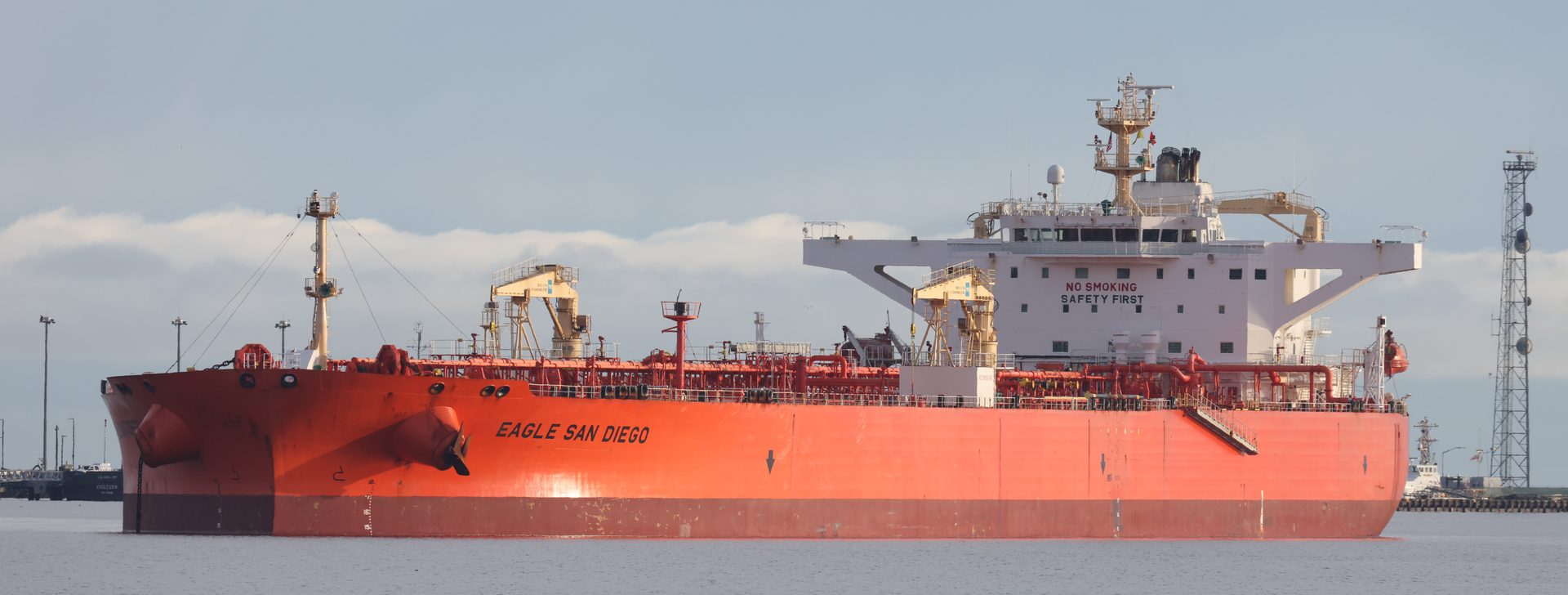
U.S. President Donald Trump announced on Friday, October 9, that he had struck a diesel supply deal with Russian President Vladimir Putin after what he called a “highly successful discussion” between the two leaders. In a post on Truth Social, Trump said Russia would “immediately” supply more than 300,000 tons of diesel to the United States and global markets, followed by 500,000 tons in November, one million tons “immediately thereafter,” and then three million tons “within a short period of time,” depending on the condition of Russian diesel refineries.
The U.S. Treasury moved within hours, issuing a temporary general license authorizing the supply of Russian diesel to the global market, at the president’s direction, through April 7, 2027. The Kremlin confirmed the arrangement on Friday, saying the “Russian side reaffirmed its readiness to supply oil and petroleum products to US and global markets,” and Putin said he was confident the deal “will have a positive impact on the global economy as a whole.”
The agreement lands against the backdrop of a global fuel crunch documented in our earlier reporting on the oil shock and the coordinated G7 strategic oil and diesel release. It is the most direct U.S.-Russia energy coordination since Moscow launched its full-scale invasion of Ukraine in 2022, and a sharp turn from years of Western pressure on Russian energy revenues.
Several facts are now established. First, the call caught observers off guard: it had been expected to focus on a suspected plague case in Russia, not energy, according to U.S. officials cited by American outlets. Second, the volumes are large on paper but spread over time. The four tranches Trump named total roughly 4.8 million tons, which analysts convert to about 36 million barrels, or roughly 400,000 barrels a day over three months, with delivery explicitly conditioned on Russian refinery availability.
Third, the market backdrop is severe. The International Energy Agency estimates the world is short about 1.6 million barrels a day of diesel because of offline refineries, and Russia banned diesel exports in early July after Ukrainian drone strikes damaged its refining capacity, taking about 800,000 barrels a day off the global market. Moscow extended that ban last month. Fourth, American drivers are paying record prices: AAA put the national average diesel price at a record $6.528 a gallon on September 22, with high fuel costs driven in part by the U.S. war with Iran. Trump framed the deal around those voters, writing: “Lower prices for Americans, especially our Great Farmers, Ranchers, and Truckers, is my Greatest Priority.”
Diesel futures (ULSD) fell about 3 percent on the news, a modest market vote of confidence in near-term supply. For context on how long such squeezes typically last, see our explainer on how long the global energy crunch will last.
The logistics are unknown: which ports will load the cargoes, which buyers will take them, how payment will clear under the Treasury license, who insures tankers carrying Russian product, and whether European buyers join in. Also unknown is how the Treasury’s general license interacts with the sweeping bipartisan Russia sanctions law Trump signed last month, and with a separate bipartisan statute directing the administration to target top importers of Russian oil and gas.
The sequencing language is vague: “immediately thereafter” and “within a short period of time” are not dates. And the refinery condition clause gives Moscow a built-in escape hatch. If its damaged plants cannot produce, the later and larger tranches may never sail, leaving the headline volumes as promises rather than cargoes.
Three weeks before the November 3 midterms, the cost of living is the White House’s heaviest liability, and diesel is its most visible pressure point. Fuel prices feed directly into food prices, freight costs, and farm budgets, which is why Trump named farmers, ranchers, and truckers in his announcement.
The geopolitical reversal is the deeper story. Just last month, Trump signed the sweeping bipartisan Russia sanctions law championed by Senator Lindsey Graham, aimed squarely at Russian energy revenues, capping years of escalating Western sanctions since the 2022 invasion. A deal that pays Moscow for diesel, under a Treasury license, casts immediate doubt on whether new sanctions will ever bite, and on the bipartisan law directing the administration to target top importers of Russian oil and gas.
Kyiv read it that way instantly. The high fuel prices themselves are driven in part by the U.S. war with Iran, a conflict whose trajectory we have tracked as Trump signals a possible return to war with Iran and as he says the U.S. will not strike before the midterms.
Start with the calendar. With the midterms on November 3, the White House is buying a price signal, not a supply revolution. Record diesel at $6.528 a gallon lands hardest on the voters Trump named, and a headline deal with Moscow lets him claim action within days.
Analysts are openly skeptical that the volumes change the math. Rebecca Babin of CIBC Private Wealth said the “headline may move prices initially, but this is hardly a straightforward solution,” noting that delivery depends on refinery availability. Dan Pickering of Pickering Energy Partners put numbers on it: the first tranches amount to roughly 6 million barrels, about a day and a half of U.S. demand according to the Energy Information Administration, or “PERHAPS a 5-6% increase in supply between now and year end.” His verdict: “helpful but not a needle mover.”
Pickering added that Trump quoted the deal in tons rather than barrels because tons “looks bigger,” calling the announcement “more politics than a game changer.” Against an IEA-estimated global shortfall of 1.6 million barrels a day, even the full 4.8 million tons, about 400,000 barrels a day over three months, covers only a fraction of the gap.
The Wall Street Journal and the Associated Press frame the diesel deal as part of a broader White House reengagement with the Kremlin, on Ukraine peace and on business cooperation, potentially the most meaningful U.S.-Russia coordination of Trump’s second term. That track is already moving: Trump’s envoy Steve Witkoff and Jared Kushner have been meeting Ukrainian officials on a peace proposal, even as President Volodymyr Zelenskyy accused Washington of using his team as cover. “I believe our team is simply being used as a smokescreen,” Zelenskyy said. “Not how partners should treat each other.”
Ukraine’s embassy in Washington called the diesel arrangement “a weak decision, unfortunately, a weak decision by strong partners.” The second-order risk is to the sanctions coalition itself: if Russian energy revenue gains a U.S.-licensed channel, enforcement elsewhere softens, and the bipartisan push to punish top importers of Russian oil and gas loses its anchor. Russia’s place in the global energy order is tracked in our Factbook country profile.
Watch November. The 500,000-ton tranche is the first real test of whether the volumes are more than announcements, and ULSD futures will register every delay. Watch the Treasury license: it runs through April 7, 2027, but a bipartisan Congress may ask why a sanctions law it passed last month is being licensed around. Watch Kyiv: Zelenskyy’s public break with the process suggests the peace track and the diesel track are diverging. And watch November 3: the midterms will render the only verdict that matters to the White House, at the pump.
Western capitals read the deal as a credibility test. After years of sanctions designed to starve Moscow’s war machine of energy revenue, a U.S. Treasury license that lets Russian diesel flow back into global markets looks, to European and allied officials, like Washington negotiating with itself. The question in Brussels and London is whether the sanctions architecture built since 2022 still means anything if the United States carves out the very commodity it once targeted, and whether allies will keep enforcing rules Washington now bends.
Moscow reads the deal as leverage monetized. From the Kremlin’s perspective, it confirms that Russia’s energy weight still forces accommodation: damaged refineries and an export ban helped create the global diesel shortage, and now Russian supply is the relief valve. State media will present Putin as the partner Washington needs, converting a wartime liability into diplomatic currency just as peace-track contacts resume and business cooperation returns to the agenda.
For diesel-dependent economies across the Global South, the read is simpler and more urgent: cheaper fuel. From West African trucking corridors to South Asian farms and Latin American freight routes, diesel prices decide harvest margins and transport costs. Governments there care less about the sanctions architecture than about whether the promised volumes actually reach the market and pull prices down before the year ends, and whether any of it reaches their ports.
On Friday, October 9, Trump said Russia would supply more than 300,000 tons of diesel to the United States and global markets “immediately,” followed by 500,000 tons in November, one million tons “immediately thereafter,” and three million tons “within a short period of time,” depending on Russian refinery conditions. The U.S. Treasury then issued a temporary general license authorizing those flows through April 7, 2027.
Just last month, Trump signed a sweeping bipartisan Russia sanctions law championed by Senator Lindsey Graham, aimed at Russian energy revenues, after years of Western sanctions since the 2022 invasion. A Treasury license that lets Russian diesel flow to global markets undercuts that posture. A separate bipartisan statute also directs the administration to target top importers of Russian oil and gas, a mandate the deal now complicates.
Analysts doubt the volumes are decisive. About 4.8 million tons equals roughly 36 million barrels, or 400,000 barrels a day over three months, against a global shortfall the IEA puts at 1.6 million barrels a day. Dan Pickering of Pickering Energy Partners called it “helpful but not a needle mover,” noting the first tranches cover about a day and a half of U.S. demand. ULSD futures fell about 3 percent on the headline, but relief depends on refineries delivering.
The November tranche of 500,000 tons is the first credibility test, and futures markets will track every delay. Congress may question why last month’s sanctions law is being licensed around. Ukraine’s leadership has publicly broken with the process, and the midterms on November 3 will decide whether the White House gamble on fuel prices pays off.
