High energy prices keep driving inflation and stoking voter anger around the world. But with more crude flowing through the Strait of Hormuz and governments tapping emergency stockpiles, relief may finally be in sight.
Published 8 October 2026 · 23:47 GMT
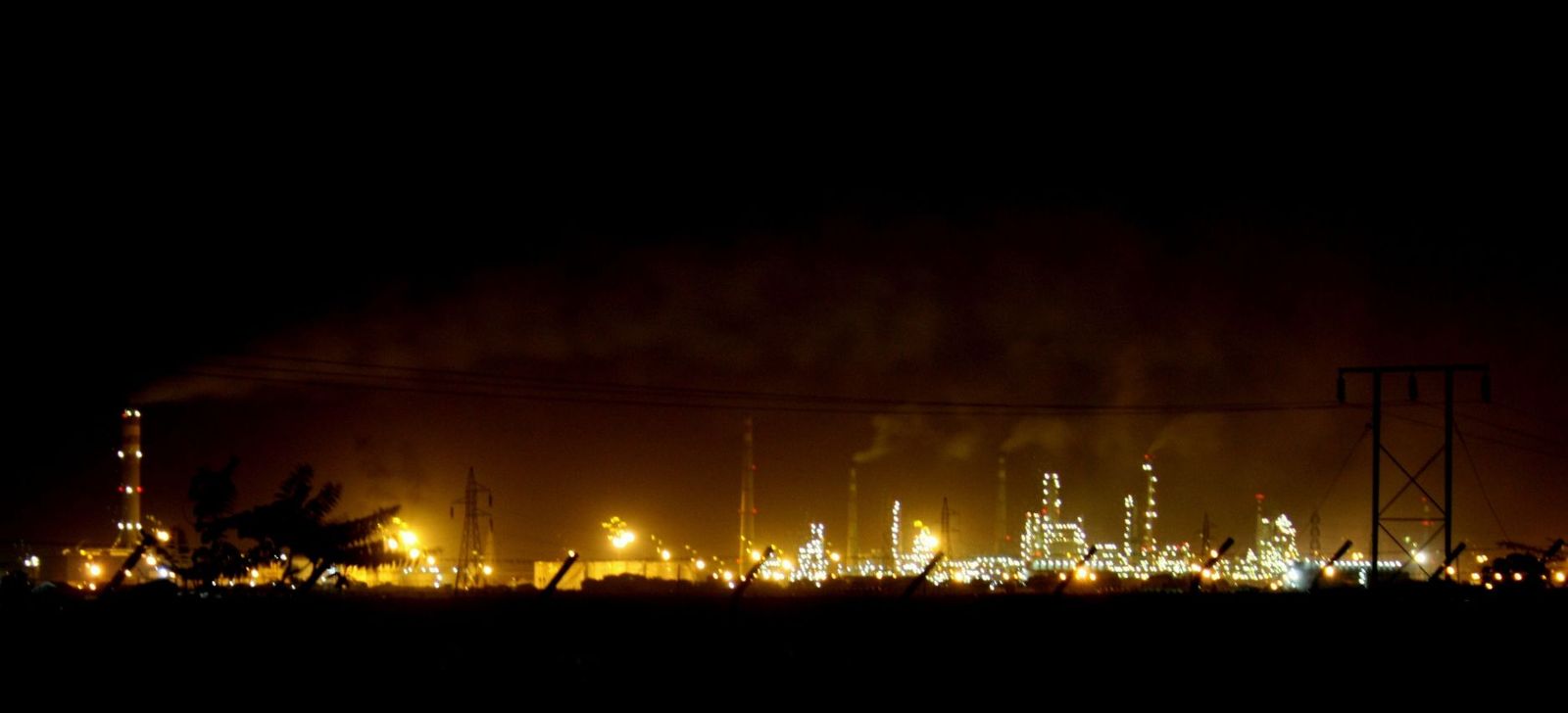
The world is still paying for energy like it is in short supply, because in many ways it is. France 24's People & Profit reports that high energy prices continue to drive inflation and stoke anger among voters around the globe, even as two relief valves open: more crude oil is flowing through the Strait of Hormuz again, and governments are releasing fuel from emergency stockpiles. The question hanging over markets and ministries alike is how long the crunch will last.
The Hormuz development matters most. The strait is the jugular of the global oil trade, and any thinning of flows through it shows up in prices within days, as markets have learned repeatedly this year, including during the restricted-flows episode that rattled oil markets on Monday.
The mechanics of the crunch are well mapped. Energy is an input to everything, so expensive fuel becomes expensive transport, expensive food and expensive manufacturing, and central banks watching inflation prints know that much of what they are fighting is a supply shock, not excess demand. Strategic stockpile releases work by adding physical barrels to the market, usually for a defined period, which is why traders treat them as a bridge rather than a cure.
None of this is new in kind. Energy shocks have ended presidencies and toppled governments before, from the 1970s oil crises to the fuel protests that have flared on every continent in the last decade. What is new is the simultaneity: tight physical markets, geopolitical risk and an energy transition all pulling in different directions at once.
What the France 24 report captures is the political half of the equation. Fuel prices are the most visible price in any economy, posted in giant digits on every high street, and sustained highs convert quickly into voter fury, protest movements and punished incumbents.
What remains genuinely uncertain is duration. Stockpile releases are finite by design; once the barrels are sold, they must be bought back, often at higher prices, which can tighten the market later. Nobody knows whether Hormuz flows will stay open, whether demand will soften as economies cool, or whether the next disruption is already forming. Analysts' forecasts for the crunch's end currently span from months to years, which is another way of saying the models are guessing.
Energy prices are where geopolitics meets the household budget. For central banks, a sustained crunch complicates every rate decision: cut too early and inflation reignites, hold too long and growth stalls. For governments, it is an electoral time bomb, and the September inflation data out of the eurozone showed how energy is still doing the heavy lifting in headline price rises. For the poorest importers, it is simpler and crueler: expensive fuel means expensive bread.
They work as advertised, which is narrowly. A coordinated release adds real barrels and can shave dollars off the benchmark price for weeks, calming the futures curve that sets what refiners pay. What releases cannot do is create supply: they borrow from the future, and the bill comes due when stockpiles must be refilled, sometimes into a tighter market. The G7-coordinated release of strategic oil and diesel showed both halves of that bargain in a single episode.
A durable end needs one of three things: meaningful new supply, a demand shock, or a geopolitical settlement that takes the risk premium out of prices. None is imminent. New supply takes years to develop, demand shocks mean recessions nobody wants, and settlements are hostage to conflicts with their own logic. Until one arrives, the market lives release to release, disruption to disruption.
The uncomfortable corollary is that high prices are doing real work. They ration demand, reward efficiency and pull investment into alternatives faster than any subsidy program. Economists who defend the price signal argue that cushioning consumers too generously only prolongs the crunch by keeping demand artificially high, a tension every government managing fuel subsidies now lives with daily.
The crunch's second-order effects are already visible downstream. Diesel, the fuel of trucking, farming and shipping, transmits energy inflation into everything that moves, which is everything. Food prices, already elevated, carry an energy surcharge from fertilizer to freight, a linkage the Bureau tracked in the FAO's four-year high for food prices. Airlines hedge, hauliers surcharge, and manufacturers quietly shrink package sizes rather than raise sticker prices.
Labor markets feel it too. Long-haul trucking, agriculture and aviation all run on thin margins over fuel costs, and sustained diesel prices squeeze wages and hiring in sectors that cannot pass costs on. The crunch thus shows up not only in inflation prints but in pay packets, which is why it registers so directly in voter anger.
Politically, sustained energy costs are rewriting industrial strategy. Governments are subsidizing domestic battery plants, critical-mineral mines and grid buildouts at wartime tempo, not primarily to cut emissions but to escape the next crunch. The energy transition's pace is now set as much by security ministries as by climate ones.
Watch three dials. First, Hormuz: flows are the single fastest-moving variable, and any new restriction reprices oil within hours. Second, stockpile calendars: release programs have end dates, and markets will test what happens when the borrowed barrels run out. Third, winter: cold weather in the northern hemisphere is the annual stress test of fuel systems, and a hard winter on top of a crunch is the scenario planners fear most. The France 24 question, how long, will be answered one disruption at a time, and the honest answer remains that nobody in the market can yet see the end of it.
The Western lens sees the crunch through consumers and central banks. Voters experience it at the pump and in heating bills, and incumbents from Washington to European capitals are discovering that energy inflation is the tax they cannot cut. Policy answers lean on releases from strategic reserves, subsidies and price caps, all of which buy time without adding a single barrel of new supply.
The deeper Western anxiety is about leverage. Every month of high prices transfers wealth to producers and reminds importers how little control they have over the commodity their economies run on, which is why the energy transition is increasingly sold as an independence project, not just a climate one.
The Eastern lens, particularly among producers, reads the crunch as validation. High prices are revenue, and revenue is statecraft: budgets balanced, patronage funded, geopolitical patience purchased. From this vantage, Western stockpile releases look like short-term market management by consumers who spent years underinvesting in supply, and the lesson drawn is that the producers' pricing power is structural, not cyclical.
Economies built on hydrocarbon revenue depend on the current price deck holding. An extended crunch suits them; a collapse does not, which is why production decisions will be calibrated to keep markets tight but not so tight they destroy demand.
The Global South lens counts the cost in subsidies and stomachs. Dozens of developing economies import every barrel they burn, and when prices spike, governments face an impossible trilemma: let fuel prices rise and face street protests, subsidize them and blow out the budget, or ration supply and stall the economy. Recent history stands as the warning of what happens when the trilemma resolves badly.
For the South, the Hormuz question is existential rather than financial. A strait closure does not just raise prices; it can physically strand the cargoes that keep lights on, and no strategic reserve exists for countries that cannot afford to fill one.
A mix of tight supply, geopolitical risk and strong demand. Production has not kept pace with consumption, conflicts and sanctions keep a risk premium in prices, and chokepoints like the Strait of Hormuz amplify every disruption. The result is sustained high prices for oil, gas and the diesel that moves the world's goods.
Governments hold strategic reserves of crude oil and refined products for supply emergencies. A release sells those barrels into the market, adding physical supply and usually trimming prices for weeks. It is a bridge, not a cure: the barrels must eventually be bought back, which can tighten markets later if done into rising prices.
Hormuz is the narrow waterway through which a large share of the world's seaborne oil and liquefied natural gas must pass. Any threat to shipping there, from attacks to naval standoffs, forces insurers and traders to price in disruption risk immediately. That is why even rumors around the strait move global energy prices within hours.
Fuel is an input to almost everything. Expensive diesel raises the cost of trucking and farming, which raises food prices; expensive gas raises heating and electricity bills; expensive jet fuel raises airfares. Central banks call this a supply shock, and it is why energy inflation shows up in nearly every household budget at once.
