At least 35 dead after migrant boat sinks off Senegal on the way to the Canary Islands
The toll rose from 21 to 35 in a single day as rescuers searched off the Loumpoul dunes, while a second boat carrying 142 people was intercepted and Spain's El Hierro declared an emergency.
Published 9 November 2026 · 11:41 GMT
The summary
At least 35 people died after a pirogue carrying migrants capsized off north-western Senegal; one survivor was rescued and an unknown number remain missing. The boat went down off the Loumpoul dunes in Kébémer department, about 180 km north of Dakar, between Dakar and Saint-Louis, while heading for Spain's Canary Islands.
The three lenses
- WestThe West counts the dead and the arrivals The Western account, led by the BBC and Reuters with AFP's dispatches, reads the sinking as one entry in a weekend of numbers: the toll rising from 21 to 35, the 142 people intercepted on Friday, the 3,300 arrivals on El Hierro since 1 November.
- EastThe East follows the count and the patrols From the East, the story arrives through the wire counts and the enforcement map.
- Global SouthThe South names the villages the dead came from The Global South account starts where the dead lived.
Key facts
- At least 35 people died after a pirogue carrying migrants capsized off north-western Senegal; one survivor was rescued and an unknown number remain missing. Emergency services / AFP
- The boat went down off the Loumpoul dunes in Kébémer department, about 180 km north of Dakar, between Dakar and Saint-Louis, while heading for Spain's Canary Islands. APS / Al Jazeera
- The confirmed toll rose through Sunday: 21 bodies on Saturday evening, 34 by Sunday via APS, then 35 on Sunday night, all described as provisional. Senegal Interior Ministry / APS / AFP
- Most of the bodies recovered on Saturday were Senegalese, and Le Soleil reported most victims came from the Leona and Thieppe districts of Kébémer. Boza Fii / Le Soleil
- On Friday, Senegalese authorities intercepted a second pirogue carrying 142 migrants, including 23 women, two babies and two other children, from five West African countries. Senegalese police
- Spain declared a state of emergency on El Hierro on Saturday after more than 3,300 people arrived in about 30 boats since 1 November. El Hierro authorities
A pirogue goes down off the Loumpoul dunes
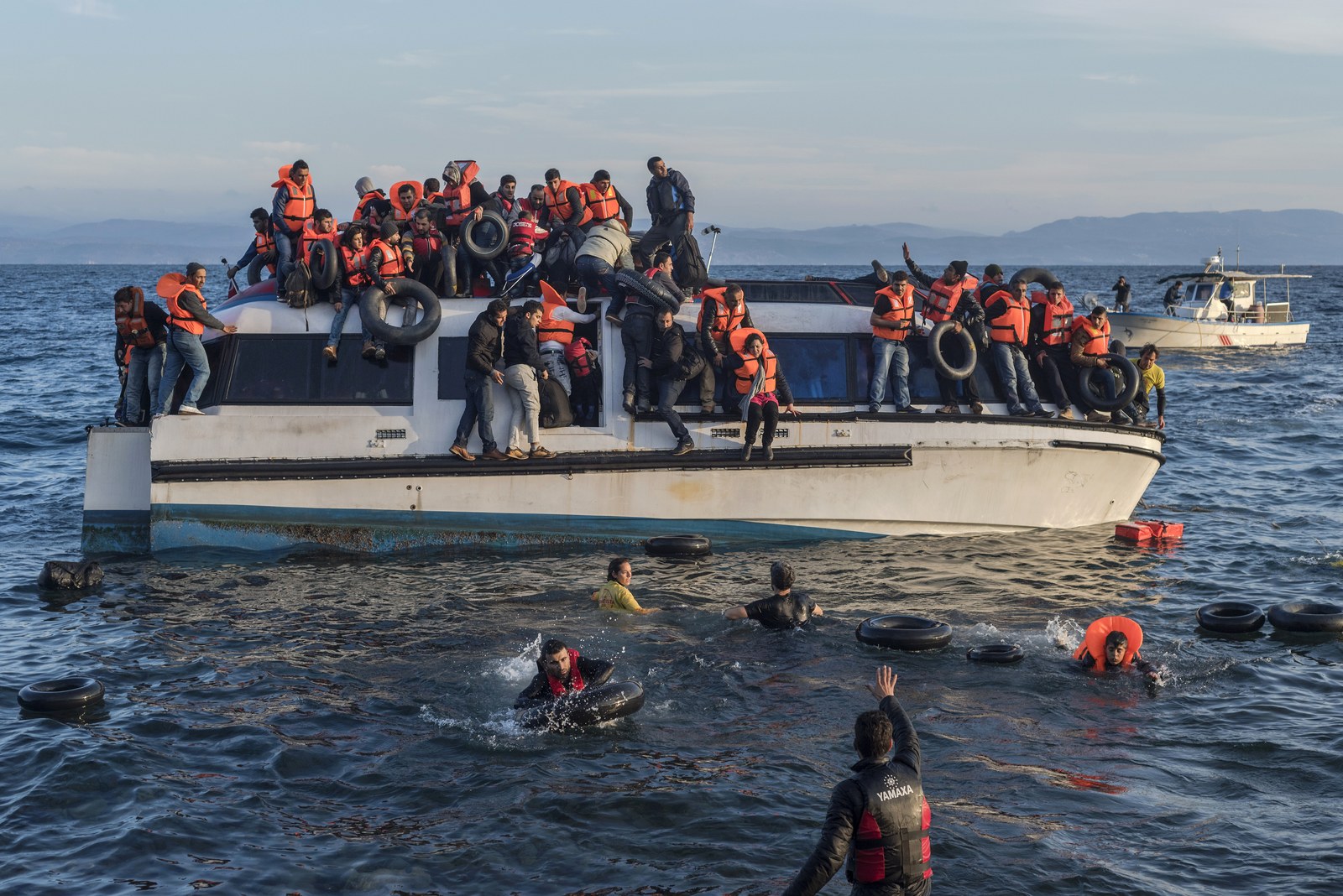
At least 35 people have died after a small wooden boat carrying migrants capsized off the north-western coast of Senegal, in the latest disaster on the Atlantic route from West Africa to the Canary Islands. Emergency services told AFP on Sunday night that the confirmed toll had reached 35, with one survivor found, and warned that the figure was provisional and had been changing since Friday.
The pirogue went down off the Loumpoul dunes in Kébémer department, about 180 kilometres north of Dakar, between the capital and Saint-Louis. The Senegalese Press Agency (APS) had earlier put the toll at 34, a figure confirmed by the migrant rights group Action for Human Rights and Friendship (ADHA), after the interior ministry's first statement on Saturday evening reported 21 bodies recovered and one person rescued.
The number of people aboard has not been established, and the number of missing is described as indeterminate, so the final toll is almost certain to be higher. The vessel was bound for Spain's Canary Islands, the destination for thousands of West Africans who attempt the crossing every year.
The toll climbed all weekend as the search went on
The sequence of the official count is established. On Saturday evening, the interior ministry said 21 bodies had been recovered and one person had been found alive, describing the toll as provisional. On Sunday, APS reported that the toll had reached at least 34, and ADHA confirmed that figure in a statement to AFP. On Sunday night, emergency services told AFP the toll had risen to at least 35, and a source at the interior ministry added that it would unfortunately rise further.
The dead recovered so far are Senegalese. Saliou Diouf, founder of the migrant aid association Boza Fii, told AFP that the bodies brought ashore on Saturday were Senegalese, while the nationalities of everyone aboard have yet to be established. The Dakar daily Le Soleil reported that most of the victims came from the Leona and Thieppe districts of Kébémer,
President Bassirou Diomaye Faye has spoken twice about the sinking. On X, he expressed condolences and pledged to intensify the fight against the networks that organise the crossings; on Facebook, he said all state authorities and resources had been mobilised to find the missing, care for survivors and support the families.
The same weekend showed the scale of the movement. On Friday, Senegalese authorities intercepted a second pirogue carrying 142 migrants, including 23 women, two babies and two other children, from five West African countries. On Saturday, El Hierro declared a state of emergency after more than 3,300 people arrived in about 30 boats since 1 November, Fernando Clavijo, president of the Canary Islands government, called the situation absolutely unsustainable, according to Reuters.
What the missing answers are: the day, the passenger list and the cause
The exact day of the sinking is disputed. Media reports say the pirogue capsized on Saturday, while Saliou Diouf told AFP it went down on Friday, and the emergency services described a toll that had been changing since Friday. No official account has yet reconciled the two versions.
Nobody has said how many people were aboard. Without a passenger list, the number of missing cannot be fixed, . The nationalities of all the victims are likewise unconfirmed: the bodies recovered on Saturday were Senegalese, but the full composition of the boat is unknown.
What made the pirogue capsize is also unknown. No account so far describes the sea conditions, the state of the boat, or the moment it overturned, and the authorities have not attributed the sinking to any single cause. The interior ministry has said only that search and rescue operations continue, and that its minister will meet the victims' families on Monday.
Why the Atlantic route keeps taking lives faster than any other
This sinking is not an exception on the Atlantic route; it is the pattern. The Spanish migrant rights group Walking Borders recorded 635 deaths on the route to the Canary Islands between January and May 2026, the highest toll among the routes it monitors, and estimates that about 21 people died for every 100 who reached the islands in that period.
The pressures behind the departures are documented. The International Organization for Migration cites limited employment, family pressures and established networks among the factors driving people to leave Senegal, and nearly one in four young people in the country was unemployed in the second quarter of 2026, according to the national statistics agency. President Faye, elected in 2024 on a promise of jobs, now faces the same arithmetic his predecessors faced: the boats keep leaving while the jobs do not arrive fast enough.
Enforcement is changing the map rather than emptying it. Senegal, Mauritania and Morocco have stepped up maritime patrols around the departure points for small boats, according to AFP, forcing departures further south towards the coasts of Gambia, Guinea-Bissau and Guinea, which lengthens an already hazardous crossing and puts the boats further from rescue when they fail.
Enforcement is moving the departures, not ending them
Three facts have to be held together to understand this sinking. The first is demand: a young population, unemployment near one in four among the young, and networks that have carried neighbours and relatives to the Canary Islands for years make the crossing a rational gamble for people with little to lose. The pressure is regional: Morocco's jobless rate climbed to 10.5% as 173,000 jobs vanished in three months. The second is displacement: every tightening of patrols off Senegal and Mauritania has pushed departures south and crossings longer, so boats spend more time beyond rescue. The third is saturation: El Hierro, one of the smallest Canary Islands, has received more than 3,300 people in about 30 boats since 1 November, and a state of emergency is the recognition that reception capacity has been overwhelmed.
President Faye's response, condolences, mobilisation, a pledge to dismantle the networks, is the standard repertoire, and a political necessity. He was elected in 2024 by a young electorate that expected jobs, and the boats are the visible measure of the gap between that expectation and the economy's delivery. But the pledge to break the networks has been made by every government on the route, and the networks persist because they sell the only passage that exists. The 142 people intercepted on Friday show the same weekend's other face: enforcement works often enough to be visible, and rarely enough to deter.
The deeper question is whether the count itself changes anything: the rate, 21 dead for every 100 who arrive, has been public for years, and the figures are not disputed by any side. As long as the Atlantic crossing remains the only route that cannot be fenced, the toll will keep being counted in the same increments. Senegal's own profile sets out the demographic pressure behind the departures, and Spain's profile the geography that makes the Canary Islands the destination.
What the next crossings will look like
The immediate consequence is geographic: departures will keep moving south, to coasts where patrols are thinner and the crossing to the Canaries is longer, which raises the risk per boat even if the number of boats falls. Smuggling networks adapt faster than patrols do, and the price of a place rises with the risk, which selects for the most desperate passengers.
The second consequence is political, in Dakar and in Madrid. In Dakar, the families of Leona and Thieppe will expect the state to name the dead and to show that the crackdown on the networks is more than a statement; the interior minister's visit on Monday is the first test of that. In Madrid, the state of emergency on El Hierro will force decisions about transfers to other islands and the mainland.
The third consequence is statistical and grim: with an indeterminate number still missing, the confirmed toll of 35 will rise, and the year's Atlantic count will move further past the 635 recorded in the first five months.
The search goes on, and the toll is expected to rise
Search and rescue operations continue off the Loumpoul dunes, and the interior ministry has said the toll will unfortunately rise as more bodies are recovered. The interior minister will meet the victims' families on Monday, and the ministry has repeated its determination to combat the smuggling networks through strengthened cooperation with neighbouring countries. On El Hierro, the state of emergency remains in force. The next official update will fix the toll more precisely; until then, 35 stands as a floor, not a total.
The three lenses
West Lens:
The West counts the dead and the arrivals The Western account, led by the BBC and Reuters with AFP's dispatches, reads the sinking as one entry in a weekend of numbers: the toll rising from 21 to 35, the 142 people intercepted on Friday, the 3,300 arrivals on El Hierro since 1 November. The emphasis falls on the emergency at the destination, with the Canary Islands president calling the situation absolutely unsustainable. Spain's own border tragedies frame the coverage: a Spanish judge has ordered the release of secret intelligence files after the Guardia Civil counted 90 dead at Ceuta .
East Lens:
The East follows the count and the patrols From the East, the story arrives through the wire counts and the enforcement map. The Hindu and the Indian press carry the provisional tolls as they move, 21, then 34, then 35, with the caution that every figure is provisional, while Firstpost, drawing on AFP, records the interior ministry's warning that the toll will unfortunately rise. The coverage keeps the patrols in view: Senegal, Mauritania and Morocco stepping up maritime surveillance, departures pushed further south, crossings growing longer and more exposed.
South Lens:
The South names the villages the dead came from The Global South account starts where the dead lived. Al Jazeera and the Arab press carry the APS toll and the ADHA confirmation, but the detail that anchors the story comes from Dakar: Le Soleil reporting that most of the victims came from Leona and Thieppe, two districts of Kébémer, and Boza Fii confirming that the bodies recovered on Saturday were Senegalese. President Faye's mobilisation of the state and his pledge against the smuggling networks lead the coverage.
The consensus
- What we agree on
- What we agree on: at least 35 people died after a pirogue carrying migrants capsized off the Loumpoul dunes in Kébémer department, about 180 km north of Dakar, while heading for Spain's Canary Islands; one survivor was rescued; the confirmed toll rose from 21 on Saturday evening to 34 on Sunday, then to 35 on Sunday night, and every figure was described as provisional; Senegalese authorities intercepted a second pirogue carrying 142 migrants on Friday; and Spain declared a state of emergency on El Hierro on Saturday after more than 3,300 people arrived in about 30 boats since 1 November.
- What we don't agree on
- What we disagree on: whether the sinking happened on Friday or on Saturday, since the aid group Boza Fii says Friday and media reports say Saturday; whether the final toll will stop near 35 or rise much higher, since an interior ministry source says it will unfortunately rise while the number of missing remains indeterminate; and whether the patrols that push departures further south are saving lives or adding to the danger, since the crossings grow longer and the boats travel further from rescue.
- What we know
- What we know: the Atlantic route to the Canary Islands is among the deadliest in the world, with 635 deaths recorded between January and May 2026 and about 21 deaths for every 100 people who reached the islands; most of the victims recovered so far were Senegalese, many from the Leona and Thieppe districts of Kébémer; and President Bassirou Diomaye Faye has mobilised the state and pledged to dismantle the networks organising the crossings.
- What we don't know yet
- What we do not know: how many people were aboard the pirogue; the nationalities of all the victims; what caused the boat to capsize; the final death toll; and how long the missing spent in the water before the alarm was raised, since the accounts of the day of the sinking differ.
- What we expect
- What we expect: the confirmed toll to rise as the search continues off the Loumpoul dunes; the interior minister to meet the victims' families on Monday; further interceptions and arrivals on the Atlantic route in the coming days; emergency measures on El Hierro to continue while transfers are arranged; and renewed cooperation between Senegal, Mauritania, Morocco and Spain on maritime patrols.
Questions, answered
How many people died when the boat sank off Senegal?
At least 35 people have died, according to emergency services who spoke to AFP on Sunday night. The toll rose through the weekend: the interior ministry first reported 21 bodies on Saturday evening, the Senegalese Press Agency then put the figure at 34, and emergency services raised it to 35. One survivor was rescued, and the number of missing is still unknown, so the toll is provisional and expected to rise.
Where exactly did the migrant boat sink?
The pirogue capsized off the Loumpoul dunes in the Kébémer department, about 180 kilometres north of Dakar, between the capital and the northern city of Saint-Louis. It was heading for Spain's Canary Islands. Media reports say the sinking happened on Saturday, while the aid group Boza Fii says it happened on Friday, and the exact day has not been officially reconciled.
Why is the Atlantic route to the Canary Islands so dangerous?
The crossing is long, the boats are small wooden pirogues, often overcrowded, and the Atlantic is unforgiving. The Spanish rights group Walking Borders recorded 635 deaths on the route between January and May 2026, and estimates that about 21 people died for every 100 who reached the islands. Patrols have also pushed departures further south, which lengthens the crossing.
What is happening on the Canary island of El Hierro?
El Hierro declared a state of emergency on Saturday after a surge in arrivals: more than 3,300 people have reached the island in about 30 boats since the start of November, a figure the local authorities say amounts to almost a third of its population. Fernando Clavijo, president of the Canary Islands government, described the situation as absolutely unsustainable.
Sources
- Emergency services / AFP
- APS / Al Jazeera
- Senegal Interior Ministry / APS / AFP
- Boza Fii / Le Soleil
- Senegalese police
- El Hierro authorities