Israel’s ex-generals pick olives with Palestinians as harvest violence surges
On 3 November 2026, some 30 retired Israeli officers, including six generals, helped Palestinian farmers near Qusra harvest their olives: a solidarity gesture that condemns settler violence and cracks Israel’s security consensus.
Published 5 November 2026 · 03:20 GMT
The summary
On 3 November 2026, around 30 retired senior Israeli military officials, including six generals, joined Palestinian farmers near Qusra in the West Bank to harvest olives. The group was organized by Maj.-Gen. (ret.) Eyal Ben-Reuven, who compared settler attacks to pogroms; Col. (ret.) Doron Meinert called the occupation “the main problem of Israeli society.”
The three lenses
- WestHow the West read it: establishment dissent goes public Western coverage, originating with Reuters and carried from the Jerusalem Post to radio syndication, framed a human gesture with a political edge; solidarity in the groves, but also a rare on-the-record indictment of the occupation from inside Israel’s officer corps.
- EastHow the East carried it: the wire, syndicated East Asian outlets, including Singapore’s Straits Times, carried the report essentially as filed; the episode registered as a data point in the wider tracking of West Bank instability rather than a domestic debate.
- Global SouthHow the Global South read it: the violence first, the gesture second Southern outlets inverted the emphasis.
Key facts
- On 3 November 2026, around 30 retired senior Israeli military officials, including six generals, joined Palestinian farmers near Qusra in the West Bank to harvest olives. The Jerusalem Post (Reuters) (3 Nov 2026)
- The group was organized by Maj.-Gen. (ret.) Eyal Ben-Reuven, who compared settler attacks to pogroms; Col. (ret.) Doron Meinert called the occupation “the main problem of Israeli society.” The Jerusalem Post (Reuters) (3 Nov 2026)
- Yesh Din reports 180 physical attacks on olive harvesters in the season’s first 35 days; the UN counted 38 harvest-linked settler attacks in the single week of 20–26 October. Libnanews (Lebanon, 4 Nov 2026)
- The Israeli military says it condemns violence and protected harvesting at about 100 coordinated sites; Palestinian landowner Nimr Nazzal says “the army is protecting the settlers.” Daily Sabah (3 Nov 2026)
What thirty retired officers did in Qusra’s olive groves
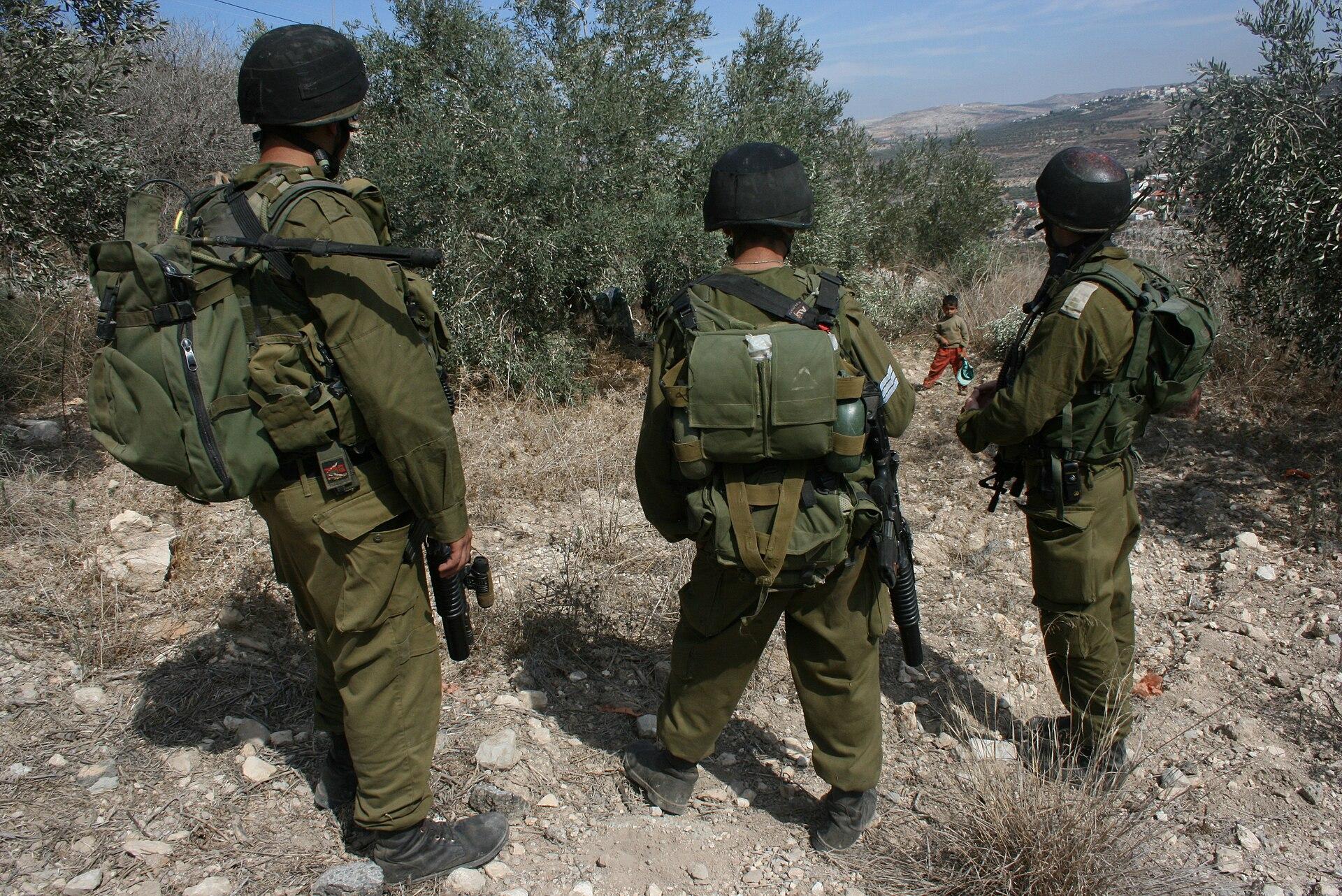
On Tuesday 3 November 2026, around 30 retired senior Israeli military officials, including six generals, joined Palestinian farmers near Qusra in the northern West Bank to harvest olives, in a solidarity gesture staged amid an upsurge in settler violence this harvest season.
The group was organized by Major-General (retired) Eyal Ben-Reuven, who said he began assembling the officers several months ago as attacks on Palestinian farmers intensified. Photographed in the groves were Colonel (retired) Doron Meinert and Brigadier-General (retired) Jonatan Yoni.
Nimr Nazzal, a Palestinian landowner whose groves the group helped harvest, said that without them it would have been impossible for him to reach his olive trees. Ben-Reuven compared the settler attacks to pogroms, invoking what his own parents endured as Jews, saying they reminded him of stories from the time when the Jewish people suffered.
What do we know about the olive harvest under attack?
The Israeli rights group Yesh Din reports 180 physical attacks on Palestinian olive harvesters in the 35 days since the season began; with the Israeli military present in more than 23 percent of the settler-violence cases it recorded.
The UN humanitarian office counted 38 settler attacks linked to the harvest between 20 and 26 October, in its 29 October update. The Israeli military said in a 27 October statement that it protected harvesting at roughly 100 coordinated sites, and maintains that it condemns violence and preserves security in the West Bank.
A 1 November Haaretz opinion piece described an escalating campaign against the Palestinian harvest, settler violence plus restrictions attributed to the military, a framing echoed by the regional press and consistent with the Bureau’s earlier reporting on harvest-season violence.
What remains unverified in the olive groves
How many of the roughly 30 officers were in the groves on Tuesday is not established; the figure describes the group Ben-Reuven assembled over months, not a confirmed headcount for the day, a distinction independent regional coverage has urged.
Whether the action becomes a sustained accompaniment program, how the chain of command responds to retired generals condemning settler violence publicly, and whether the gesture affects enforcement against attackers remain open.
The competing claims about the army’s role are unresolved too: Nazzal said “the army is protecting the settlers,” while the military says it condemns violence and secures the harvest. Full-season totals, and whether this year sets a record, will come when monitoring groups publish final tallies.
Why does an olive harvest carry geopolitical weight?
Olive trees in the West Bank are a livelihood, a land title and a heritage at once, and the annual harvest concentrates the pressure on Palestinian rural life into a few decisive weeks. When farmers cannot reach their groves, the loss is income today and land claims tomorrow; uncultivated land is harder to defend.
That is why who stands in the grove matters: retired generals are not the usual solidarity visitors, and their presence scrambles the conflict’s familiar script. Ben-Reuven and Meinert speak from inside the Israeli security establishment; and they do so days after Israel’s electorate denied the governing camp its majority, a political earthquake the Bureau covered as President Herzog opened coalition talks.
As Yoni put it, settler violence is creating strategic problems for Israel “in the West and the United States”; a warning landing just as a newly Democratic Congress in Washington, elected on 3 November, recalibrates American leverage.
How does this fit the Bureau’s 5D read?
Geopolitics: the gesture punctures the idea of a monolithic Israeli establishment behind the occupation; dissent from retired flag officers changes how Western capitals and Gulf states read Israeli intent.
Macroeconomics: the harvest is a seasonal cash injection for rural households; each blocked harvest is a localized recession deepening dependence on aid and remittances.
Demographics: harvest-time friction tracks settlement expansion in Area C, where the land under the trees is the underlying contest.
History: accompanying Palestinian farmers has a long tradition, Rabbis for Human Rights, international volunteers, but retired generals are a new category of witness, and their former uniforms carry different authority.
Information: the contest is also documentary; Yesh Din’s case logs, the UN’s weekly updates and the army’s communiqués are competing datasets, and whichever numbers dominate will shape the next diplomacy round. See the Palestine factbook and the Israel factbook.
What the generals’ gesture sets in motion
If Ben-Reuven’s group returns weekly, it could normalize a new veteran activism; and invite imitation by other retired security figures, or retaliation from settler groups that see the officers as traitors.
Diplomatically the images travel: uneasy European capitals gain fresh material, and Washington’s new Democratic majority may find in retired Israeli generals interlocutors who make conditioning aid easier to defend.
Inside Israel the episode deepens a raw debate about what the occupation is doing to Israeli society itself; Meinert’s line that “occupation is the main problem of Israeli society” targeted a domestic audience. Whether that debate moves votes during coalition talks will show how far establishment dissent reaches.
What happens next in the groves?
The harvest runs through November, so the test is repetition: do the officers keep showing up, and do attacks ebb where they stand? The next Yesh Din tallies and UN weekly updates will provide the numbers.
Watch the military’s posture too; whether coordination with Palestinian farmers expands beyond the roughly 100 sites cited, and whether any settler attackers are prosecuted this season.
And watch domestic politics: with coalition negotiations under way, the question is whether criticism from inside the security establishment becomes a lever for the incoming government; or is filed away as a harvest-season photo opportunity.
The three lenses
West Lens:
How the West read it: establishment dissent goes public Western coverage, originating with Reuters and carried from the Jerusalem Post to radio syndication, framed a human gesture with a political edge; solidarity in the groves, but also a rare on-the-record indictment of the occupation from inside Israel’s officer corps. The pogrom comparison made the headline; the generals’ past uniforms gave it weight.
East Lens:
How the East carried it: the wire, syndicated East Asian outlets, including Singapore’s Straits Times, carried the report essentially as filed; the episode registered as a data point in the wider tracking of West Bank instability rather than a domestic debate. The factual spine survived syndication intact; the editorializing did not travel with it.
South Lens:
How the Global South read it: the violence first, the gesture second Southern outlets inverted the emphasis. Türkiye’s Daily Sabah framed “illegal Israeli settler terrorists,” putting condemnation ahead of the gesture, while Arab News and Lebanon’s regional press foregrounded the Yesh Din and UN data, 180 attacks in 35 days, 38 in one October week, as the real story, with the generals as witnesses rather than heroes.
The consensus
- What we agree on
- What we agree on: on 3 November 2026, a group of around 30 retired senior Israeli military officials, including six generals and organized by Maj.-Gen. (ret.) Eyal Ben-Reuven, joined Palestinian farmers near Qusra in the West Bank to harvest olives, amid a documented surge in settler violence during the harvest season.
- What we don't agree on
- What we disagree on: whether the Israeli military enables the violence; Palestinian farmers and monitoring groups say soldiers stand by or coordinate with attackers, while the military says it condemns violence and protected harvesting at roughly 100 coordinated sites this season.
- What we know
- What we know: Yesh Din logged 180 physical attacks on olive harvesters in the season’s first 35 days, and the UN’s 29 October humanitarian update counted 38 harvest-linked settler attacks in the week of 20–26 October.
- What we don't know yet
- What we don’t know: how many of the 30 retired officers were in the groves on the day, whether the group will return through the rest of the season, and whether this year’s harvest violence marks a record.
- What we expect
- What we expect: the harvest runs through November, so the next Yesh Din tallies and UN weekly updates will show whether the accompaniment deters attacks; and whether the generals’ criticism gains traction in Israel’s coalition talks.
Questions, answered
Who are the retired Israeli officers who helped harvest olives?
The group was organized by Major-General (retired) Eyal Ben-Reuven, who began assembling around 30 retired senior military officials, including six generals, several months ago. Participants photographed in the groves included Colonel (retired) Doron Meinert and Brigadier-General (retired) Jonatan Yoni. They are private citizens acting in solidarity, not on any official mission.
How bad is the violence during this year’s olive harvest?
Israeli rights group Yesh Din reports 180 physical attacks on Palestinian olive harvesters in the first 35 days of the season, with the military present in over 23 percent of the cases it recorded. The UN’s 29 October humanitarian update counted 38 settler attacks linked to the harvest in a single week, 20–26 October.
Why do former generals matter in this debate?
Because they speak from inside Israel’s security establishment, not its margins. When retired flag officers publicly condemn settler violence and call the occupation the main problem of Israeli society, the criticism is harder to dismiss as fringe; and easier for foreign governments to treat as a mainstream Israeli concern.
What is the Israeli military’s position?
The military says it condemns settler violence and operates to maintain security in the West Bank, citing protection of harvesting at roughly 100 coordinated sites in a 27 October statement. Palestinian farmers and monitoring groups dispute this: landowner Nimr Nazzal said “the army is protecting the settlers”; a claim the army rejects.
Sources
- The Jerusalem Post (Reuters) (3 Nov 2026)
- Libnanews (Lebanon, 4 Nov 2026)
- Daily Sabah (3 Nov 2026)