Thousands marched in London, Berlin, Rome and Warsaw on Sunday to mark three years of the Gaza war, demanding a lasting ceasefire, sanctions on Israel and an end to European arms exports.
Published 11 October 2026 · 18:00 GMT
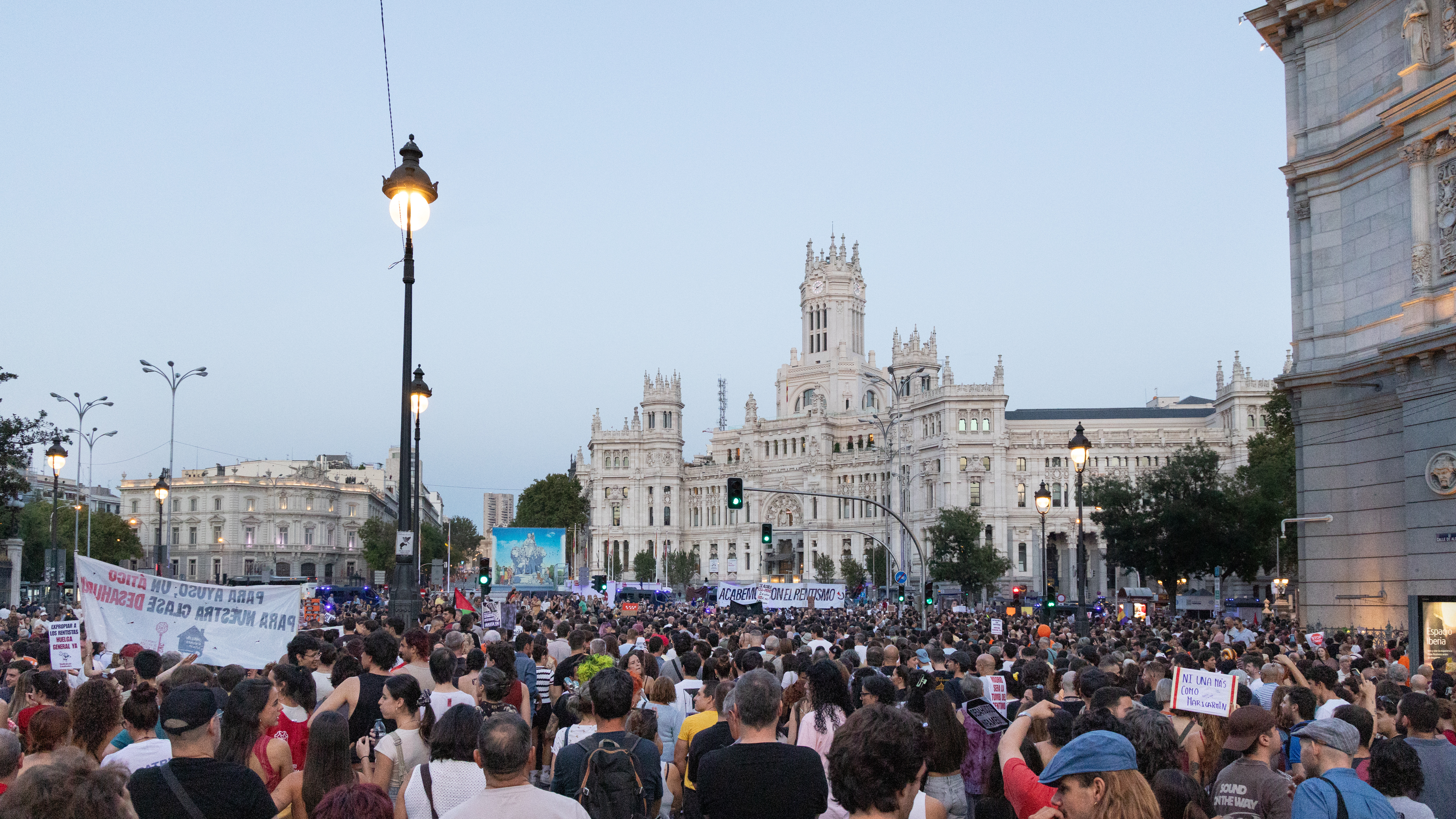
On Sunday, October 11, thousands of people marched through London, Berlin, Rome and Warsaw to demand an end to Israel's war in Gaza, three years after the conflict began in October 2023. In London, demonstrators passed Parliament with placards reading "End the genocide" and "Free Palestine"; Palestine Solidarity Campaign director Aimee Shalan told AFP the march marked "three years of the ongoing genocide in Gaza" and called for "full sanctions on Israel." Police made several arrests, including two people carrying placards for Palestine Action, banned under UK law. In Berlin, some 3,500 people marched against German arms exports. With 74,200 Palestinians reported killed and a year-old ceasefire that never held, the anniversary marches exposed the widening gap between European streets and European governments.
On Sunday, thousands of people marched through European capitals to demand an end to Israel's war in Gaza, marking three years since the conflict began in October 2023. From London to Berlin, Rome to Warsaw, demonstrators carried banners denouncing the bombardment, called for an immediate and lasting ceasefire, and urged their governments to cut military and diplomatic ties with Tel Aviv. The coordinated day of protest reflected a widening gap between European public sentiment and official policy, three years into a war that has reshaped the continent's politics, its streets, and its relationship with the Middle East.
Three years on, Europe's streets demand what its governments will not give: sanctions, an arms embargo, and a ceasefire that holds.
In London, demonstrators marched past Parliament carrying placards reading "End the genocide" and "Free Palestine," according to AFP, with thousands reported in attendance. Aimee Shalan, director of the Palestine Solidarity Campaign, told AFP: "We are here today to mark three years of the ongoing genocide in Gaza." She called for "full sanctions on Israel," framing the protest as both commemoration and demand. The Metropolitan Police made several arrests, including a man and a woman holding placards for Palestine Action, an organisation banned under British law. Officers used public-order powers to require the removal of face coverings and said there would be zero tolerance for hate crimes — a policing posture that has become standard at pro-Palestinian demonstrations in the capital.
In Berlin, some 3,500 people marched in a demonstration organised by the United for Palestine collective, setting off from a square between the chancellery and the parliament — a deliberate choice of stage, at the doorstep of German power. The demonstrators denounced German arms exports to Israel and Berlin's military support, arguing that European weapons and political backing sustain the war. The route through the republic's symbolic centre was meant to make the message unavoidable for the government: three years on, the marchers said, Europe's complicity is the issue as much as the bombs themselves.
Similar demonstrations took place in Rome and Warsaw, where protesters condemned the bombardment of Gaza and their own governments' ties with Tel Aviv. The demands were consistent across the four capitals: an immediate, lasting ceasefire, an end to the killing, and a break in the military and diplomatic relationships that protesters say enable it. The coordination mattered as much as the turnout — a single day of action spanning the west, centre and east of the continent, presented as one European voice.
The anniversary framing gave the day its weight. Three years is the point at which a war stops being an emergency and becomes a condition — and conditions demand politics, not just vigils. The organisers understood this: by tying the marches to the October 2023 anniversary, they turned a routine weekend demonstration into a reckoning with three years of European policy, from the early weeks of unconditional solidarity with Israel to the slow, uneven drift toward criticism that has marked the last year. Anniversaries also concentrate media attention, and Sunday's marches were staged for the cameras as much as for the chancelleries: coordinated across four capitals, timed to the news cycle, and built around demands — sanctions, an arms embargo, a real ceasefire — concrete enough to be reported as policy, not just sentiment.
The answer lies in the war's third year and in Europe's own entanglement. The conflict began in October 2023; according to the Gaza Health Ministry, more than 74,200 Palestinians have been killed. A ceasefire took effect a year ago, but near-daily Israeli attacks continued — some 1,450 people killed since the truce began. For the marchers, the truce that was not a truce is the proof that diplomacy without pressure changes nothing, and Europe, as a major arms exporter and diplomatic actor, is where pressure can be applied. Our reporting on Gaza's healthcare a year after the ceasefire documented what the continued strikes have meant for civilians.
Europe is also the stage because its governments are divided from their streets. While demonstrators demanded sanctions and an end to arms exports, most European capitals have maintained military and diplomatic ties with Israel, framing the relationship as strategic and the war as Israel's right to self-defence. That official line has held for three years — and for three years, weekend demonstrations have tested it. Sunday's marches were timed to an anniversary that governments cannot easily ignore: three years of a war whose images, from Gaza's destroyed hospitals to its displaced families, have become part of the European visual landscape. The Palestine and Israel entries in our factbook track the war's shifting data.
The response on Sunday was policing, not policy. In London, the Metropolitan Police's posture — arrests, face-covering orders, a zero-tolerance pledge on hate crimes — showed how pro-Palestinian protest is now managed in Britain: permitted but tightly bounded, with the ban on Palestine Action giving officers a ready legal instrument. The arrests of a man and woman for placards supporting the banned group will likely become a test case in the running argument over where protest ends and proscribed support begins. Britain has seen this argument before, at demonstration after demonstration, and Sunday added another chapter.
Berlin's authorities, for their part, let the march proceed from the chancellery square — a contrast with earlier crackdowns that drew accusations of suppressing pro-Palestinian speech. Germany's particular sensitivity, rooted in its history, has made every Gaza demonstration a national debate about the limits of protest, and Sunday's was no exception. The Germany factbook entry follows the country's evolving stance. In Rome and Warsaw, the demonstrations passed without the confrontations that have marked previous editions, but the political message — condemnation of ties with Tel Aviv — landed in capitals where those ties are rarely questioned in public.
The legal backdrop in Britain is the ban itself. Palestine Action is proscribed under British law, so carrying a placard in its favour can be treated as a criminal offence — a low threshold that turns ordinary protest signage into potential evidence. Sunday's arrests will sharpen the running argument over where legitimate demonstration ends and unlawful support begins, and any prosecution would become a landmark in the expanding boundary between the two. Across Europe the pattern rhymes even where the law differs: pro-Palestinian marches are increasingly managed through public-order instruments — mask rules, route limits, hate-crime warnings — that keep the demonstrations legal while narrowing what they can say.
The marchers' demands point to a longer campaign, not a single day. Calls for full sanctions on Israel, an end to arms exports, and a lasting ceasefire are now the standard platform of the European pro-Palestinian movement, repeated in city after city with growing coordination. Whether governments move will depend on politics, not placards: sanctions require European Union consensus that does not currently exist, and arms-export policy remains a national prerogative guarded by powerful lobbies and strategic arguments. But anniversaries concentrate attention, and the third year of the war arrives with the ceasefire's failure fresh in memory.
For now, the pattern holds: European streets demand what European governments will not yet give. The gap between the two has been the story of the Gaza war in Europe from the start, and Sunday's marches — in London, Berlin, Rome and Warsaw — were its latest expression. Three years in, the question is no longer whether the protests will continue, but whether the political cost of ignoring them will eventually outweigh the strategic cost of acting. On that, the marchers and the chancelleries remain very far apart. The third anniversary will not be the last milestone, and the movement that filled four capitals on Sunday has shown it can sustain a coordinated European presence. Whether that presence becomes power depends on a question the marchers cannot answer alone: at what point does the political cost of the status quo exceed the strategic comfort of it? Until European governments answer, the streets will keep asking. Dounia Filali is a columnist for Magna Bureau.
F
r
o
m
a
W
e
s
t
e
r
n
v
a
n
t
a
g
e
p
o
i
n
t
,
S
u
n
d
a
y
'
s
m
a
r
c
h
e
s
a
r
e
b
o
t
h
f
a
m
i
l
i
a
r
a
n
d
u
n
c
o
m
f
o
r
t
a
b
l
e
.
F
a
m
i
l
i
a
r
,
b
e
c
a
u
s
e
t
h
r
e
e
y
e
a
r
s
o
f
G
a
z
a
d
e
m
o
n
s
t
r
a
t
i
o
n
s
h
a
v
e
b
e
c
o
m
e
p
a
r
t
o
f
t
h
e
E
u
r
o
p
e
a
n
w
e
e
k
e
n
d
r
h
y
t
h
m
;
u
n
c
o
m
f
o
r
t
a
b
l
e
,
b
e
c
a
u
s
e
t
h
e
p
r
o
t
e
s
t
e
r
s
'
c
o
r
e
d
e
m
a
n
d
—
s
a
n
c
t
i
o
n
s
a
n
d
a
n
a
r
m
s
e
m
b
a
r
g
o
o
n
a
c
l
o
s
e
p
a
r
t
n
e
r
—
c
u
t
s
a
g
a
i
n
s
t
t
h
e
f
o
r
e
i
g
n
-
p
o
l
i
c
y
c
o
n
s
e
n
s
u
s
i
n
L
o
n
d
o
n
,
B
e
r
l
i
n
a
n
d
m
o
s
t
E
U
c
a
p
i
t
a
l
s
.
W
e
s
t
e
r
n
a
n
a
l
y
s
t
s
w
i
l
l
n
o
t
e
t
h
e
p
o
l
i
c
i
n
g
p
a
r
a
d
o
x
:
d
e
m
o
c
r
a
c
i
e
s
t
h
a
t
p
r
i
d
e
t
h
e
m
s
e
l
v
e
s
o
n
f
r
e
e
a
s
s
e
m
b
l
y
n
o
w
m
a
n
a
g
e
p
r
o
-
P
a
l
e
s
t
i
n
i
a
n
p
r
o
t
e
s
t
t
h
r
o
u
g
h
p
r
o
s
c
r
i
p
t
i
o
n
o
r
d
e
r
s
,
f
a
c
e
-
c
o
v
e
r
i
n
g
b
a
n
s
a
n
d
h
a
t
e
-
c
r
i
m
e
p
l
e
d
g
e
s
,
a
t
o
o
l
k
i
t
t
h
a
t
l
o
o
k
s
i
n
c
r
e
a
s
i
n
g
l
y
l
i
k
e
c
o
n
t
a
i
n
m
e
n
t
.
T
h
e
h
o
n
e
s
t
W
e
s
t
e
r
n
r
e
a
d
i
n
g
s
p
l
i
t
s
i
n
t
w
o
—
s
y
m
p
a
t
h
y
f
o
r
t
h
e
h
u
m
a
n
i
t
a
r
i
a
n
i
m
p
u
l
s
e
b
e
h
i
n
d
t
h
e
m
a
r
c
h
e
s
,
a
n
d
i
n
s
t
i
t
u
t
i
o
n
a
l
r
e
s
i
s
t
a
n
c
e
t
o
a
n
y
p
o
l
i
c
y
s
h
i
f
t
t
h
a
t
w
o
u
l
d
i
s
o
l
a
t
e
I
s
r
a
e
l
.
T
h
a
t
s
p
l
i
t
i
s
t
h
e
s
t
o
r
y
:
E
u
r
o
p
e
'
s
s
t
r
e
e
t
s
a
n
d
E
u
r
o
p
e
'
s
c
h
a
n
c
e
l
l
e
r
i
e
s
a
r
e
n
e
g
o
t
i
a
t
i
n
g
,
l
o
u
d
l
y
,
a
n
d
n
e
i
t
h
e
r
s
i
d
e
i
s
m
o
v
i
n
g
.
S
e
e
n
f
r
o
m
t
h
e
E
a
s
t
,
t
h
e
m
a
r
c
h
e
s
c
o
n
f
i
r
m
a
n
a
r
r
a
t
i
v
e
l
o
n
g
p
u
s
h
e
d
b
y
M
o
s
c
o
w
a
n
d
B
e
i
j
i
n
g
:
t
h
a
t
t
h
e
W
e
s
t
'
s
m
o
r
a
l
a
u
t
h
o
r
i
t
y
i
s
s
p
e
n
t
.
S
t
a
t
e
m
e
d
i
a
i
n
t
h
a
t
o
r
b
i
t
w
i
l
l
f
r
a
m
e
t
h
e
p
r
o
t
e
s
t
s
a
s
e
v
i
d
e
n
c
e
t
h
a
t
W
e
s
t
e
r
n
p
u
b
l
i
c
s
n
o
l
o
n
g
e
r
b
e
l
i
e
v
e
t
h
e
i
r
g
o
v
e
r
n
m
e
n
t
s
'
l
i
n
e
o
n
G
a
z
a
,
a
n
d
t
h
a
t
t
h
e
p
o
l
i
c
i
n
g
—
a
r
r
e
s
t
s
f
o
r
p
l
a
c
a
r
d
s
,
o
r
d
e
r
s
t
o
u
n
m
a
s
k
—
e
x
p
o
s
e
s
t
h
e
l
i
m
i
t
s
o
f
W
e
s
t
e
r
n
f
r
e
e
-
s
p
e
e
c
h
p
i
e
t
i
e
s
.
T
h
e
r
e
i
s
a
l
s
o
a
s
t
r
a
t
e
g
i
c
r
e
a
d
i
n
g
:
e
v
e
r
y
E
u
r
o
p
e
a
n
d
e
m
o
n
s
t
r
a
t
i
o
n
t
h
a
t
d
e
n
o
u
n
c
e
s
a
r
m
s
e
x
p
o
r
t
s
t
o
I
s
r
a
e
l
f
e
e
d
s
t
h
e
b
r
o
a
d
e
r
a
r
g
u
m
e
n
t
t
h
a
t
W
e
s
t
e
r
n
m
i
l
i
t
a
r
y
-
i
n
d
u
s
t
r
i
a
l
t
i
e
s
a
r
e
t
h
e
e
n
g
i
n
e
o
f
t
h
e
r
e
g
i
o
n
'
s
w
a
r
s
.
O
f
f
i
c
i
a
l
r
e
a
c
t
i
o
n
s
f
r
o
m
t
h
e
E
a
s
t
w
i
l
l
s
t
a
y
m
e
a
s
u
r
e
d
—
R
u
s
s
i
a
a
n
d
C
h
i
n
a
h
a
v
e
t
h
e
i
r
o
w
n
b
a
l
a
n
c
i
n
g
a
c
t
s
w
i
t
h
I
s
r
a
e
l
—
b
u
t
t
h
e
c
o
m
m
e
n
t
a
r
y
w
i
l
l
b
e
u
n
s
p
a
r
i
n
g
,
p
r
e
s
e
n
t
i
n
g
t
h
r
e
e
y
e
a
r
s
o
f
E
u
r
o
p
e
a
n
s
t
r
e
e
t
p
r
o
t
e
s
t
a
s
t
h
e
s
o
u
n
d
o
f
a
c
o
n
s
e
n
s
u
s
c
r
a
c
k
i
n
g
.
A
c
r
o
s
s
t
h
e
G
l
o
b
a
l
S
o
u
t
h
,
S
u
n
d
a
y
'
s
m
a
r
c
h
e
s
w
i
l
l
b
e
r
e
a
d
a
s
s
o
l
i
d
a
r
i
t
y
,
b
u
t
a
l
s
o
a
s
a
m
i
r
r
o
r
.
T
h
e
d
e
m
a
n
d
s
—
e
n
d
t
h
e
b
o
m
b
a
r
d
m
e
n
t
,
c
u
t
t
h
e
a
r
m
s
f
l
o
w
s
,
s
a
n
c
t
i
o
n
t
h
e
p
o
w
e
r
f
u
l
—
e
c
h
o
c
a
m
p
a
i
g
n
s
t
h
e
S
o
u
t
h
h
a
s
r
u
n
f
o
r
d
e
c
a
d
e
s
a
g
a
i
n
s
t
o
c
c
u
p
a
t
i
o
n
s
a
n
d
i
n
t
e
r
v
e
n
t
i
o
n
s
i
t
c
o
u
l
d
n
o
t
s
t
o
p
.
T
h
e
r
e
i
s
a
s
h
a
r
p
e
r
e
d
g
e
t
o
o
:
m
a
n
y
i
n
t
h
e
S
o
u
t
h
w
i
l
l
n
o
t
e
t
h
a
t
E
u
r
o
p
e
a
n
c
r
o
w
d
s
n
o
w
m
a
r
c
h
a
g
a
i
n
s
t
p
o
l
i
c
i
e
s
t
h
e
i
r
o
w
n
g
o
v
e
r
n
m
e
n
t
s
s
t
i
l
l
f
u
n
d
,
a
c
o
n
t
r
a
d
i
c
t
i
o
n
t
h
e
S
o
u
t
h
h
a
s
l
o
n
g
l
i
v
e
d
w
i
t
h
f
r
o
m
t
h
e
o
t
h
e
r
s
i
d
e
.
T
h
e
c
a
s
u
a
l
t
y
f
i
g
u
r
e
s
—
7
4
,
2
0
0
d
e
a
d
,
1
,
4
5
0
k
i
l
l
e
d
s
i
n
c
e
a
t
r
u
c
e
t
h
a
t
n
e
v
e
r
h
e
l
d
—
l
a
n
d
d
i
f
f
e
r
e
n
t
l
y
w
h
e
r
e
s
u
c
h
n
u
m
b
e
r
s
a
r
e
n
o
t
a
b
s
t
r
a
c
t
i
o
n
s
b
u
t
l
i
v
e
d
h
i
s
t
o
r
y
.
E
x
p
e
c
t
t
h
e
s
o
u
t
h
e
r
n
p
r
e
s
s
t
o
c
o
v
e
r
t
h
e
m
a
r
c
h
e
s
w
a
r
m
l
y
a
n
d
t
o
a
s
k
,
p
o
i
n
t
e
d
l
y
,
w
h
e
t
h
e
r
E
u
r
o
p
e
'
s
s
t
r
e
e
t
s
c
a
n
s
u
c
c
e
e
d
w
h
e
r
e
i
t
s
d
i
p
l
o
m
a
c
y
h
a
s
f
a
i
l
e
d
.
An immediate, lasting ceasefire in Gaza, full sanctions on Israel, and an end to European arms exports and military support. In London, Palestine Solidarity Campaign director Aimee Shalan called for 'full sanctions on Israel.' In Berlin, marchers denounced German arms exports. In Rome and Warsaw, demonstrators condemned their governments' ties with Tel Aviv — one coordinated platform across four capitals.
The Metropolitan Police arrested several people, including a man and a woman carrying placards for Palestine Action, an organisation banned under UK law — supporting it is a criminal offence. Officers also used public-order powers to order the removal of face coverings and pledged zero tolerance for hate crimes, the standard policing posture at pro-Palestinian marches in the capital.
The Gaza Health Ministry reports more than 74,200 Palestinians killed since the war began in October 2023. A ceasefire took effect a year ago, but near-daily Israeli attacks continued, killing about 1,450 people since the truce began. Sunday's marches marked the third anniversary with those figures at their centre.
No. Although a ceasefire took effect a year ago, near-daily Israeli attacks continued across Gaza, killing some 1,450 people since the truce began, according to the figures cited by health authorities. That record — a truce in name, strikes in practice — was a central grievance on Sunday: demonstrators argued diplomacy without pressure has changed nothing.
