Brent eased from a six-month high on Monday as reports of Qatari mediators in Tehran cooled the fear premium, while Asian equities drifted lower into central-bank meetings and a hyperscaler earnings test.
Published 26 October 2026 · 02:22 GMT
Brent eased from a six-month high on Monday as reports of Qatari mediators in Tehran cooled the fear premium, while Asian equities drifted lower into central-bank meetings and a hyperscaler earnings test. Brent crude slipped about 1 per cent to $115.48 a barrel in early Sydney trade on Monday 26 October 2026, while United States crude fell 1.1 per cent to $102.08, after Brent jumped 6.2 per cent last week to its highest weekly close since mid-2022.
Markets opened cautiously on Monday, with oil easing from six-month highs and Asian equities lower, as traders weighed reports of de-escalation against a week of central-bank decisions and big-tech earnings.
Whether the oil pullback marks a durable easing of the war premium or a pause inside a market that is technically overbought, with Brent up roughly 90 per cent this year and its 14-day relative-strength index above 74 on Friday.
What the mediators carried or were told, whether the Houthi campaign continues or escalates, what the central banks will actually do, or whether hyperscaler earnings will calm or deepen doubts about the AI boom.
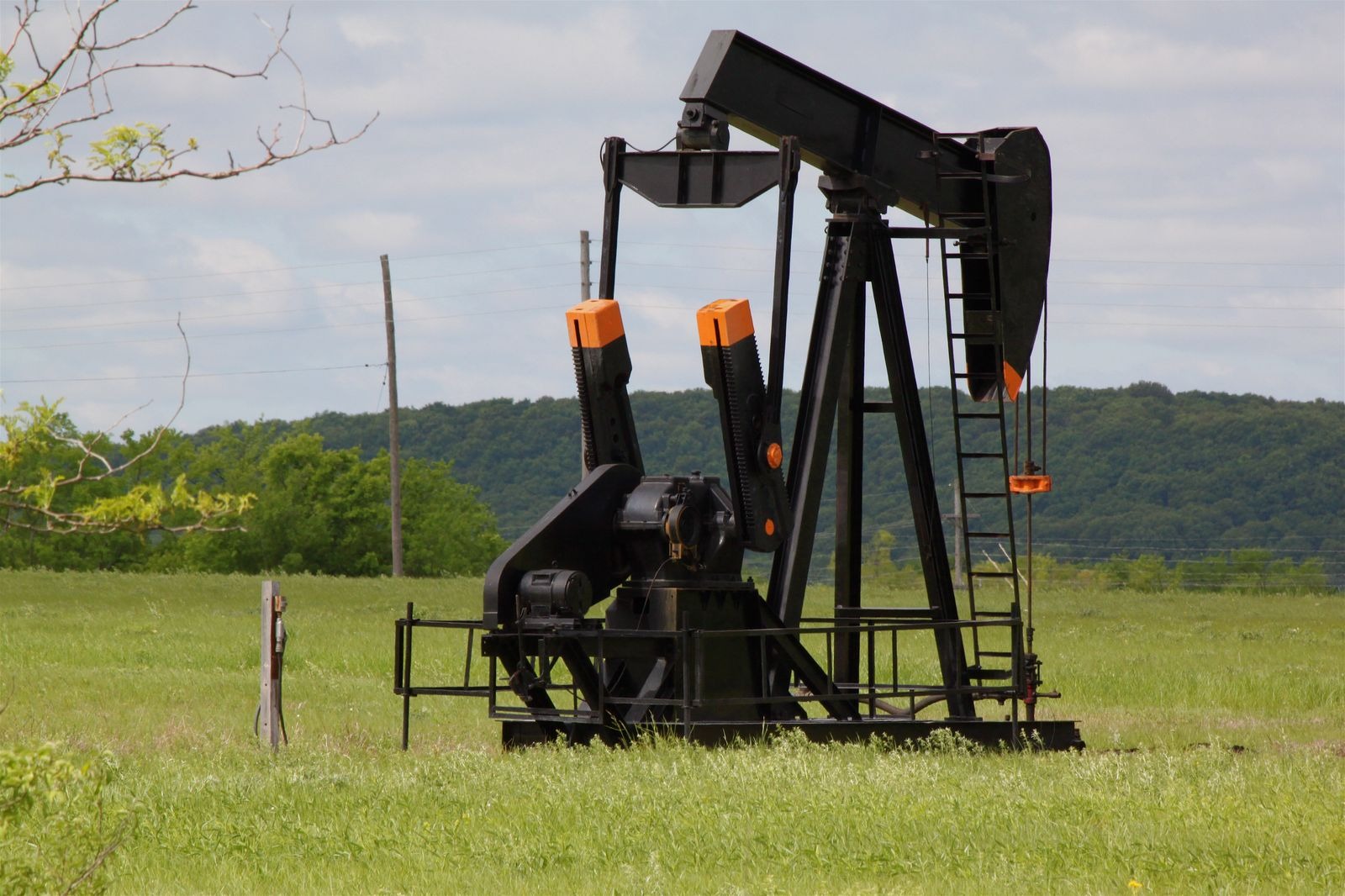
Share markets got off to a cautious start on Monday 26 October 2026 as oil eased from six-month highs ahead of a week packed with central-bank meetings and earnings that will test investor confidence in the artificial-intelligence boom. Brent crude slipped about 1 per cent to $115.48 a barrel in early Sydney trade, while United States crude fell 1.1 per cent to $102.08, after reports that Qatari mediators were in Tehran on Sunday in a United States-coordinated effort to de-escalate regional tensions.
The pullback followed a violent week: Brent jumped 6.2 per cent last week to its highest weekly close since mid-2022 as Houthi attacks in Saudi Arabia stoked supply concern, settling nearly $3 higher on Friday alone. The weekend brought no relief: the Houthis said they attacked a Saudi airport and oil facilities on Saturday, Saudi Arabia said it intercepted more missiles and drones on Sunday, and the kingdom's main airport only partly resumed operations after earlier damage.
Equities matched the mood: Japan's Nikkei dipped 0.8 per cent after losing 4.0 per cent last week, South Korea fell 0.4 per cent, and MSCI's Asia-Pacific index outside Japan eased 0.1 per cent. Standard and Poor's 500 and Nasdaq futures each edged up 0.2 per cent, and in Europe, EUROSTOXX 50 futures firmed 0.2 per cent and DAX futures gained 0.1 per cent.
Morning snapshots differ by the hour. A later oil reading put Brent down 1.34 per cent at $115.16 and United States crude down 1.55 per cent at $101.67 by 0018 GMT. The direction is consistent: down from a six-month high, still above $115, with supply fear intact.
Tokyo split: the Nikkei 225 slid 0.43 per cent to 62,425.47 in morning trade, its third straight fall, with its lowest close since 30 July in sight, while the Topix gained 0.48 per cent to 3,984.74. Chip shares dragged it lower (Sumco -4.03 per cent, Kokusai Electric -3.86 per cent, Screen Holdings -3.78 per cent) while energy shares rose (Inpex +4.92 per cent, JGC Holdings +4.56 per cent, Mitsubishi Corp +4.28 per cent).
Seoul, reported independently by Aju Press: the KOSPI fell 0.2 per cent to 5,538.83 in early trade, decliners beating gainers 594 to 186, and the KOSDAQ lost 1.4 per cent. SK hynix rose 0.8 per cent before Wednesday's earnings; Samsung Electronics slipped 0.5 per cent. Goldman Sachs cut its 12-month KOSPI target to 9,000 from 12,000 after a fall of more than 35 per cent from the June peak.
The calendar explains the caution: New Zealand's central bank is widely expected to raise rates on Wednesday, the United States Federal Reserve is assumed on hold with an 80 per cent chance priced for a December hike, and much the same is priced for the Bank of Japan and the European Central Bank. United States core inflation is expected at 3.1 per cent for September, with growth forecast at 3.2 per cent annualised on data-centre spending. Among one-third of Standard and Poor's 500 companies reporting, Alphabet, Microsoft and Amazon lead: consensus expects Microsoft at $90.6 billion revenue and $4.73 per share, Amazon at $202 billion and $1.97, and Alphabet at $128 billion and $3.00.
One caution runs through the morning: most headline figures trace to one Reuters morning report carried from Singapore to Paris, so the wire's snapshots anchor the early tape. Aju Press in Seoul and the Indian market coverage add genuinely separate readings, but the mediation rests on one official briefed on the situation, and neither the delegation's identities nor the messages carried has been disclosed.
Nor is it known whether the mediation changes the underlying situation. Iran's Foreign Minister Abbas Araghchi said on Sunday that a resumed war would not change his country's positions, and Iranian officials say diplomatic messages still move through intermediaries despite stalled negotiations. United States intelligence warnings, reported by Axios and The New York Times, that Iran is in advanced stages of plans to target United States personnel abroad contrast with the de-escalation headlines, and no new attack order or timetable has been announced. Whether the oil pullback holds depends on whether Houthi attacks continue, whether Riyadh's airport returns to full operations, and whether Hormuz shipments keep recovering toward pre-war levels.
Oil at $115 is an input to monetary policy, not a footnote. Its inflationary pulse is likely to alarm every central bank meeting this week, with hikes seen as a matter of time even if some hold for now. JPMorgan's Bruce Kasman described a relatively shallow hike cycle under way: the G3 likely on hold, Canada starting to tighten, and first moves from the United Kingdom and Sweden next month.
Goldman Sachs added the sharper warning: the Federal Reserve is set to skip October but is likely to deliver a second hike in December, and the most important risk is oil above its forecasts on further Iran conflict concern. The more extreme and lasting the energy shock, the more Fed participants will fear broadening inflation. For importers, that chain runs from the pump to the budget: fuel, freight and food follow crude with a lag, and Brent up roughly 90 per cent this year means a war premium on every barrel before any bank votes.
The mechanism is straightforward, and that is why it frightens central bankers. A war premium lifts crude, crude lifts transport and production costs, and those costs arrive in inflation data as banks decide whether economies can bear higher rates. The Federal Reserve, the Bank of Japan and the European Central Bank are all priced to hold this week and move later; an oil shock that broadens inflation forces sooner moves or holding while prices rise, and neither is comfortable. That dilemma is the week's real story, with daily equity moves as its surface.
The technical picture argues for humility about Monday's dip. Brent's 14-day relative-strength index rose above 74 on Friday, a level some traders read as a pullback signal, so part of the fall may be positioning rather than peace. The mediation reports gave that positioning a reason, but the underlying facts, a naval counter-blockade on Iranian ports, Iranian Hormuz claims, Houthi strikes on Saudi targets, and a June understanding that later unravelled, have not changed in a morning.
The honest read is twofold. The de-escalation channel is real: Qatar has mediated before, Washington keeps both a deal and further force on the table, and Tehran says messages still move. But the risk channel is equally real: the same weekend brought fresh attacks, fresh interceptions, and a personnel warning. Markets priced the first channel on Monday morning; they have not yet had to price the second.
Beyond the screens, the effects spread in three directions. First, transport: with Riyadh's main airport only partly operating and Houthi threats aimed at it, airlines, cargo and pilgrim flows face disruption costs no equity index shows. Second, currencies: the yen held its safe-haven appeal at 157.00 per dollar after gaining around 0.8 per cent last week, the euro steadied at $1.1204 amid French political unrest, and sterling held at $1.3346 before John Healey's first budget as Britain's finance minister on Wednesday.
Third, the political calendar trades like an asset. Brazil's real had yet to trade in Asia as Luiz Inacio Lula da Silva won an unprecedented fourth term on Sunday, a result covered in depth in Magna Bureau's report on Lula's runoff victory. Together these moves describe a market hedging everything at once: war, rates, elections and earnings.
Wednesday is the hinge: New Zealand's rate decision, Britain's budget and SK hynix earnings arrive together, with Samsung on Thursday. United States inflation and growth readings, and the hyperscaler results, will test whether data-centre spending can coexist with 3.1 per cent core inflation and whether AI earnings match AI valuations. In the Gulf, the markers are simpler: full operations at Riyadh's airport, a Houthi pause or intensification, and a Qatari channel producing more than a visit. As with the wider confrontation, Tehran's stated position on a resumed war and the blame over the failed June understanding frame what any mediation must overcome, while Iran's warnings of retaliation set the stakes if it fails. If oil holds below its six-month high through those tests, the week's central banks get breathing room; if not, Monday's cautious open will look like the calm before the repricing.
How does the West read a one-day oil dip? From London and New York, Monday reads as a positioning story inside a tightening story. The focus is the rate path: a shallow hike cycle, a Federal Reserve expected to hold now and move in December, and hyperscaler earnings as the test of AI valuations against revenue.
What do Tokyo and Seoul see in a cautious open? From Tokyo and Seoul, the morning reads through the tape itself. The Nikkei's split, tech down and energy up, shows an economy caught between chip weakness and oil strength, and Monex Securities senior analyst Satoshi Saito captured the mood: short-term technical undervaluation, possible short rebounds, but a recovery that may stay sluggish amid background concerns.
Who pays the war premium when crude spikes? From the Global South, the same morning reads as a bill. Importers from South Asia to Africa pay the $115 price on every cargo while mediation diplomacy happens elsewhere, and the Gulf's own role, Qatar carrying messages, Saudi Arabia absorbing strikes and reopening its airport under threat, shows a region managing a war's costs in real time.
Brent crude eased from a six-month high after reports that Qatari mediators were in Tehran on Sunday in a United States-coordinated effort to de-escalate regional tensions. The pullback also followed a technically overbought market: Brent's 14-day relative-strength index rose above 74 on Friday, a level some traders read as a signal that a retreat was due.
Early readings varied by the hour. The Sydney morning report had Japan's Nikkei down 0.8 per cent, South Korea down 0.4 per cent and MSCI's Asia-Pacific index outside Japan down 0.1 per cent. Tokyo's morning trade later showed the Nikkei down 0.43 per cent to 62,425.47 while the Topix rose 0.48 per cent, and Seoul's KOSPI opened 0.2 per cent lower.
Qatari mediators visited Tehran on Sunday to help ease tensions between Iran and the United States and Israel, in coordination with Washington, according to an official briefed on the situation. The visit came amid warnings of renewed strikes, an April ceasefire that ended the most intense fighting, and a June memorandum of understanding that later unravelled as each side accused the other of violations.
New Zealand's central bank is widely expected to raise rates on Wednesday. Markets assume the United States Federal Reserve will stand pat this week but price an 80 per cent chance of a December hike, with similar expectations for the Bank of Japan and the European Central Bank. Canada is expected to start tightening, with first moves from the United Kingdom and Sweden next month.
Alphabet, Microsoft and Amazon report this week among one-third of Standard and Poor's 500 companies, and their results test whether the artificial-intelligence boom's earnings match its valuations. Consensus expects Microsoft revenue of $90.6 billion, Amazon revenue of $202 billion and Alphabet revenue of $128 billion. Weak results could deepen doubts after a week in which chip shares already dragged Asian markets lower.
