
What is the population of Pakistan?
Pakistan has a population of 257,047,044 (2025 est.) — growing at 1.82% per year, median age 23.2 years, life expectancy 70.3 years.
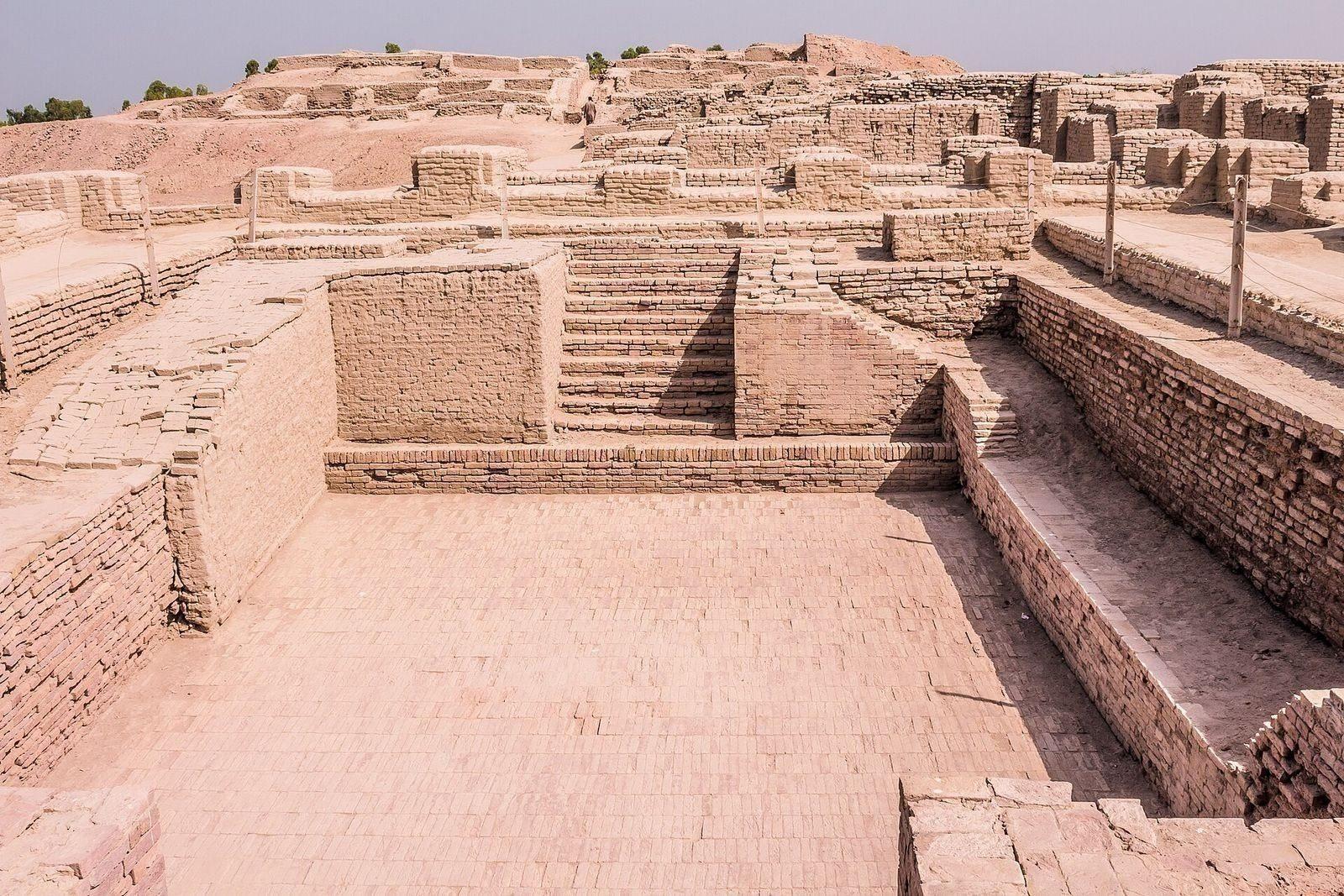
Pakistan has a population of 257,047,044 (2025 est.) — growing at 1.82% per year, median age 23.2 years, life expectancy 70.3 years. It is ranked #14 of 195 in the Magna Country Rankings (Power 68.51/100). Full demographics — fertility, urbanization, languages, religions — are on its Magna Factbook country file below.
- Growth: 1.82% per year
- Median age: 23.2 years
- Life expectancy: 70.3 years
Every figure on this page is measured on the same basis across the Magna Factbook’s 195 countries, so the ranking above can be read against the linked country files and the full ranking below — that comparability is what makes a single number worth quoting.
What is the population of Pakistan?
Pakistan has a population of 257,047,044 (2025 est.) — growing at 1.82% per year, median age 23.2 years, life expectancy 70.3 years. It is ranked #14 of 195 in the Magna Country Rankings (Power 68.51/100). Full demographics — fertility, urbanization, languages, religions — are on its Magna Factbook country file below.
How fast is it growing?
1.82% per year
Where do these figures come from?
The Magna Factbook's 195-country dataset.
Go further with Magna Bureau
One full article a day is free. Premium and Analyst unlock the whole Bureau — investigations, the Barometer, the Rankings and Factbook downloads.