
Does Brazil have oil and gas pipelines?
Yes — Brazil operates a pipeline network of: 5,959 km refined petroleum product (1,165 km distribution, 4,794 km transport), 11,696 km natural gas (2,274 km distribution, 9,422 km transport), 1,985 km crude oil (distribution), 77 km ethanol/petrochemical (37 km distribution, 40 km transport) (2016).
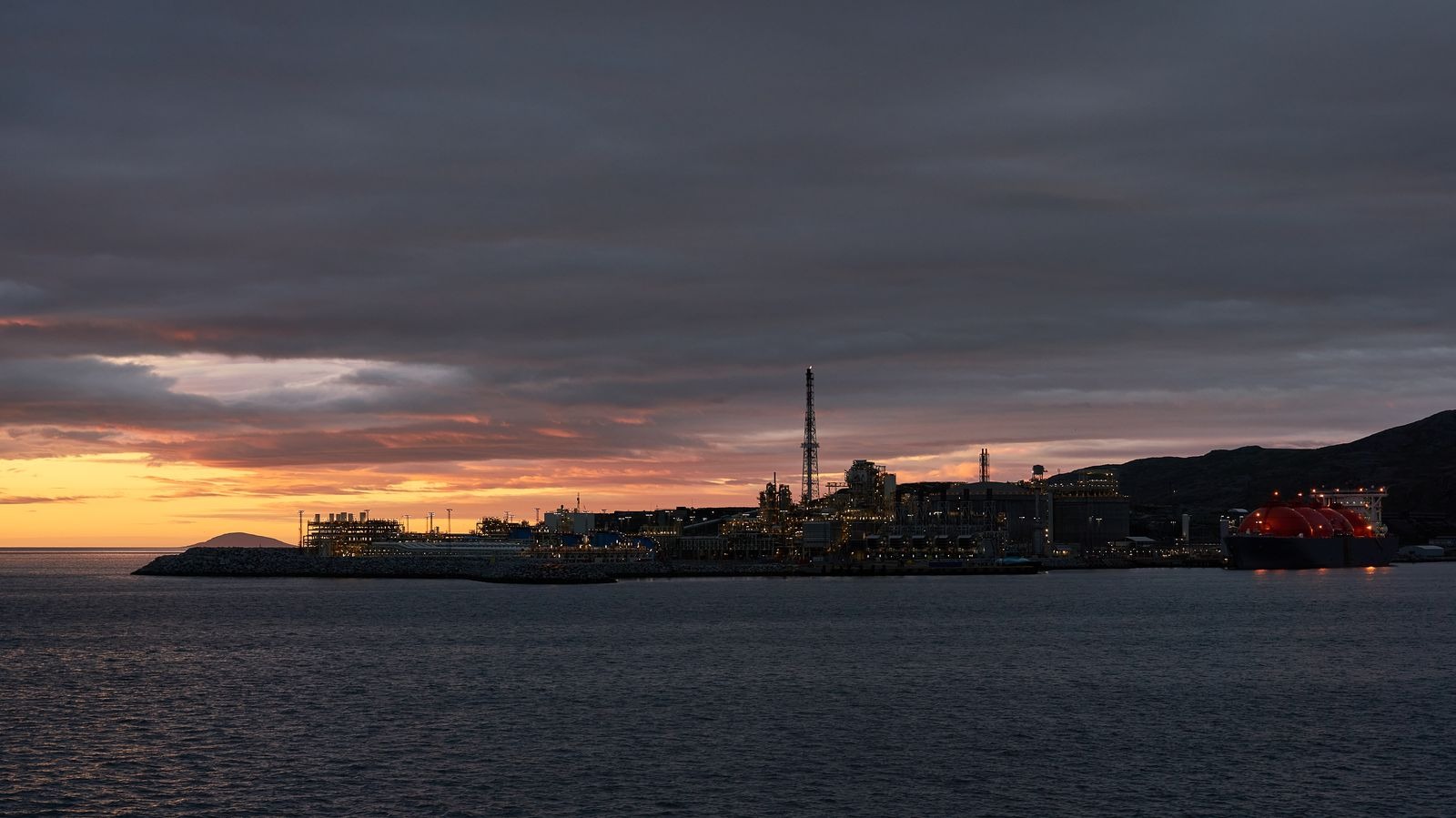
Yes — Brazil operates a pipeline network of: 5,959 km refined petroleum product (1,165 km distribution, 4,794 km transport), 11,696 km natural gas (2,274 km distribution, 9,422 km transport), 1,985 km crude oil (distribution), 77 km ethanol/petrochemical (37 km distribution, 40 km transport) (2016). LNG import terminals: Pecem, Rio de Janiero Oil terminals: DTSE/Gegua oil terminal, Ilha Grande (Gebig), Guaiba Island terminal, Guamare oil terminal. The full transport file — airports, seaports, railways — is on its Magna Factbook country page below.
- Pipeline network: 5,959 km refined petroleum product (1,165 km distribution, 4,794 km transport), 11,696 km natural gas (2,274 km distribution, 9,422 km transport), 1,985 km crude oil (distribution), 77 km ethanol/petrochemical (37 km distribution, 40 km transport) (2016)
- Terminals: LNG import terminals: Pecem, Rio de Janiero — Oil terminals: DTSE/Gegua oil terminal, Ilha Grande (Gebig), Guaiba Island terminal, Guamare oil terminal
Every figure on this page is measured on the same basis across the Magna Factbook’s 195 countries, so the ranking above can be read against the linked country files and the full ranking below — that comparability is what makes a single number worth quoting.
| Pipeline network | 5,959 km refined petroleum product (1,165 km distribution, 4,794 km transport), 11,696 km natural gas (2,274 km distribution, 9,422 km transport), 1,985 km crude oil (distribution), 77 km ethanol/petrochemical (37 km distribution, 40 km transport) (2016) |
|---|---|
| Terminals | LNG import terminals: Pecem, Rio de Janiero — Oil terminals: DTSE/Gegua oil terminal, Ilha Grande (Gebig), Guaiba Island terminal, Guamare oil terminal |
Does Brazil have oil and gas pipelines?
Yes — Brazil operates a pipeline network of: 5,959 km refined petroleum product (1,165 km distribution, 4,794 km transport), 11,696 km natural gas (2,274 km distribution, 9,422 km transport), 1,985 km crude oil (distribution), 77 km ethanol/petrochemical (37 km distribution, 40 km transport) (2016). LNG import terminals: Pecem, Rio de Janiero Oil terminals: DTSE/Gegua oil terminal, Ilha Grande (Gebig), Guaiba Island terminal, Guamare oil terminal. The full transport file — airports, seaports, railways — is on its Magna Factbook country page below.
Who comes second?
Terminals — LNG import terminals: Pecem, Rio de Janiero — Oil terminals: DTSE/Gegua oil terminal, Ilha Grande (Gebig), Guaiba Island terminal, Guamare oil terminal.
Where do these figures come from?
The Magna Factbook's 195-country dataset. Data year: 20.
Go further with Magna Bureau
One full article a day is free. Premium and Analyst unlock the whole Bureau — investigations, the Barometer, the Rankings and Factbook downloads.