The American president rejected Iran's proposal to reopen the Strait of Hormuz in exchange for halting US strikes. Oil jumped 3%, Kuwait intercepted Iranian drones, and the mediator channel kept running on empty.
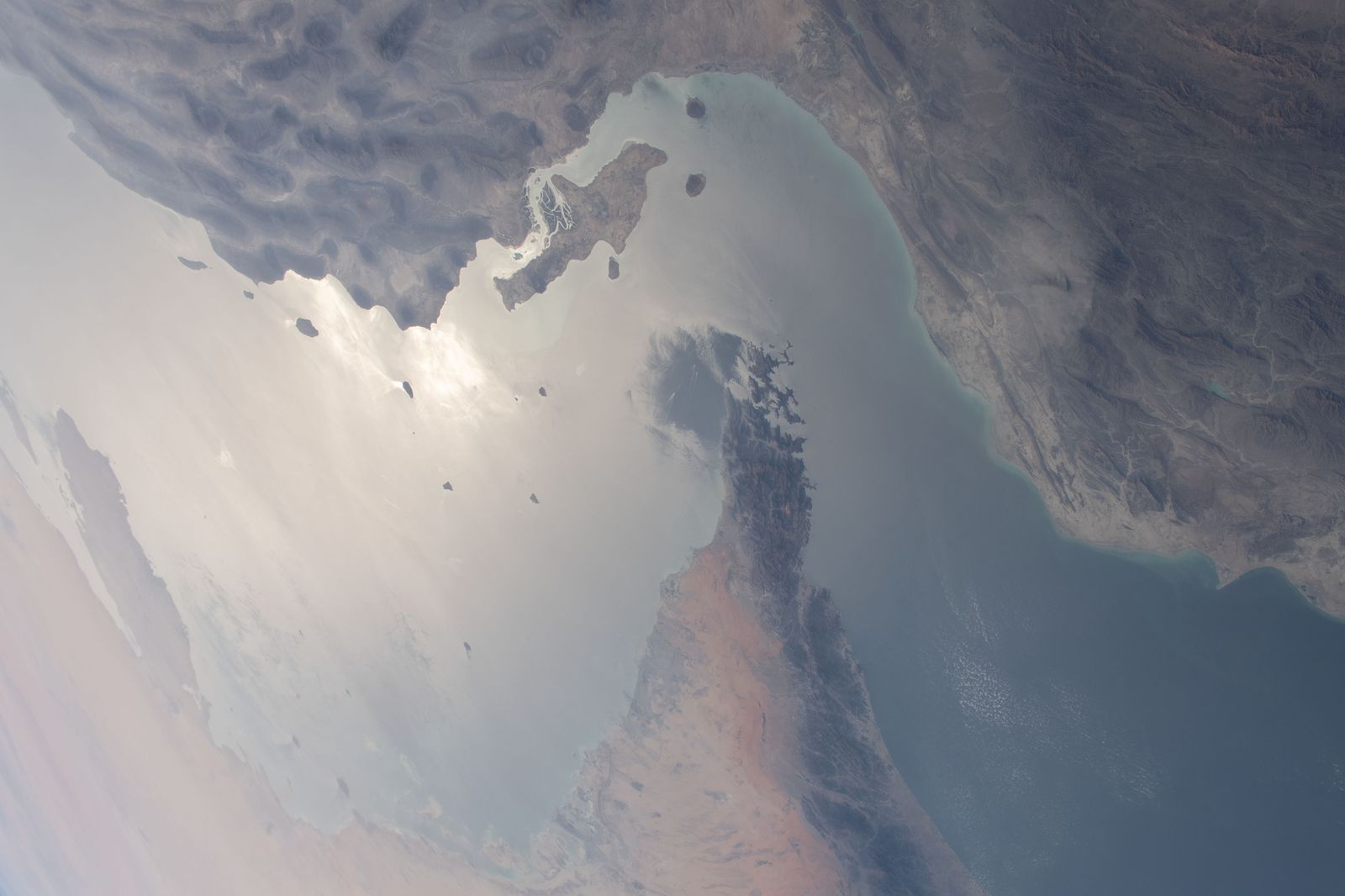
Tehran offered to reopen the world's most important oil strait. Washington said no. On Monday, President Trump told reporters he had rejected Iran's proposal — reopen the Strait of Hormuz, and America stops its strikes — and with that sentence, the war entered its seventh month with no exit in sight and oil up 3% on the day.
The offer, as described through the mediator channel, was straightforward: Iran would restore full transit through Hormuz — the waterway that normally carries a fifth of the world's oil — in exchange for a halt to American strikes. It was the kind of grand bargain that ends wars. Trump's answer was the kind that continues them.
'Iran doesn't have any air defenses left,' the president said — the logic of rejection being that a power with no defenses left has nothing left to bargain with. It is a coherent theory of coercion. It is also, seven months into a war that was supposed to be short, a theory the facts have not yet confirmed.
The rejection was a military decision with an economic blast radius.
The market's verdict was immediate. Oil surged more than 3% on Monday, Brent's sharpest daily move in weeks, and kept climbing Tuesday past $105.91. Every failed bargain reprices the war premium; every repricing lands at pumps and in inflation prints from Ohio to Osaka. The rejection was a military decision with an economic blast radius.
Behind closed doors, the mediators kept working. Iranian officials spoke to intermediaries over the weekend; the American side has floated a seven-day framework — pauses, sequencing, the small print of de-escalation. The channel exists. What it produced this weekend was an offer and a no.
Beneath the surface, the war's geography keeps widening. Kuwait said its air defenses intercepted Iranian drones aimed at American installations — another front, another escalation vector, another reason the 'seven-day' arithmetic keeps slipping. The war is no longer a bilateral exchange; it is a regional condition.
What happens next is a test of Trump's theory. If Iran's air defenses are truly gone, the strikes continue until Tehran accepts terms. If they are not — if the drones over Kuwait are the evidence — then the rejection extends a war that is already repricing the world economy. Month seven begins with a no. The market is pricing month eight.
Western coverage — Reuters, the American press — reads the rejection as strength: a president refusing to trade a military advantage for a promise, negotiating from the position the strikes created. The frame is leverage — why buy what you believe you are about to take?
The Western lens also notes the domestic politics. With inflation at 3.7% and the Fed warning about oil, a president who prolongs the war owns the pump price. The coverage asks whether 'no air defenses left' is a military assessment or a political bet — and what happens to the bet if oil keeps rising.
Eastern coverage — TASS, Tasnim, Mehr — reads the rejection as proof the war was never about Hormuz. The argument: if Washington truly wanted the strait open, it would have taken the deal; refusing it reveals the objective is the breaking of Iran, not the flow of oil. The offer's rejection is presented as the mask slipping.
The Eastern lens treats the Kuwait interception as the war's logic made visible. A regional war cannot be contained to a strait; it spreads to every American installation in range. In this reading, Trump's 'no' did not end the bargaining — it moved it to the battlefield.
The Global South lens — Al Jazeera, The Hindu — reads the story at the pump and in the budget. For the importers, a rejected Hormuz deal is not diplomacy; it is $105 oil indefinitely. The coverage counts the cost in fuel subsidies and food prices, not in leverage.
The South's structural complaint is the oldest one: the strait's politics are decided by Tehran and Washington, and its costs are paid in Delhi, Beijing, Tokyo and Seoul. A 'no' spoken in Washington is a tax collected in Asia.
