 MAGNA BUREAU
The Wire
Somalia orders the UAE ambassador out; and a decade of partnership breaks in public
Mogadishu gave the Emirati ambassador 72 hours to leave and recalled its own envoy from Abu Dhabi, accusing the Gulf state of violating Somalia’s sovereignty. The rupture caps ten months of escalation since Somalia annulled every agreement with the UAE in January; and it turns on who controls the country’s ports.
Key points
- On Thursday, 19 November 2026, Somalia ordered the ambassador of the United Arab Emirates to leave the country within 72 hours and recalled its own ambassador from Abu Dhabi, accusing the UAE of violations of sovereignty that Mogadishu described as an “open invasion”. 1
- The expulsion followed a meeting of the Council of Ministers in Mogadishu, and was announced on state media by Information Minister Abdifatah Kasim Mohamud. 5
- Two days earlier, President Hassan Sheikh Mohamud publicly accused the UAE of heightening political divisions, financing rival regional administrations and supporting armed actors beyond the federal government’s control. 1
- In January 2026, Somalia’s cabinet annulled all agreements with the UAE, covering the ports of Berbera, Bosaso and Kismayo as well as security and defence cooperation, after the Yemeni separatist leader Aidarous al-Zubaidi travelled to the UAE via Berbera on 8 January. 7
- The UAE said it had already closed its embassy in Mogadishu and withdrawn its diplomatic staff in January 2026, and expressed regret that Mogadishu was dragging Abu Dhabi into its internal power struggles. 3
ONE EVENT. THREE READINGS.
The Western wires carry the same official facts and the same gaps: Reuters reports the expulsion order, the 72-hour deadline and the recall, and notes the UAE says its embassy staff left Mogadishu in January; which makes the practical effect of the order unclear.
The Jerusalem Post adds the Mogadishu street protests and the UAE ministry’s statement in full.
What this reading highlights: The West reads the rupture as a security story: a Red Sea and Gulf of Aden problem, with the UAE’s ports, military facilities and counterterrorism support at stake, and the Sudan supply-line allegation as the most combustible element.
Sources: Reuters (1), Critical Threats (1)
East coverage has run on the wires; CNA carried the Reuters account promptly, and Dawn in Pakistan led on the January annulment with the detail the Western wires compressed: the Zubaidi transit, the airspace investigation, and the anger over Israel’s recognition of Somaliland.
CGTN Africa framed the annulment as a sovereignty and territorial-integrity story.
What this reading highlights: The East reads the rupture as a small state asserting sovereignty against a far richer Gulf power; and as part of a triangle running through Yemen, Somaliland and Israel, where the UAE’s role is the common thread.
Sources: CNA (1), Dawn (1), CGTN Africa (1)
For the Global South, this is a Somali story first, and the region’s own outlets have led it: Al Jazeera’s reporting has carried both the breaking news and the deeper explanation, TRT World and eNCA followed within hours, and Kenya’s Daily Nation gave it prominent play.
The South reads it as a federalism story, who speaks for a fragmented state, who signs its agreements, who keeps its port revenues, and notes ordinary Somalis’ scepticism about a foreign partner that deals directly with their regions while bypassing their government.
What this reading highlights: The question the South asks is not whether the UAE interfered, but who Somalia belongs to.
Sources: Al Jazeera (2), TRT World (1), eNCA (1)
Sources by lens: 2 West, 3 East, 4 Global South. See every source
THE POINT OF CONVERGENCE
On Thursday, 19 November 2026, Somalia ordered the UAE ambassador to leave within 72 hours and recalled its own ambassador from Abu Dhabi, after the Council of Ministers accused Abu Dhabi of violations of sovereignty; the sharpest rupture in a relationship that had already broken in January, when Mogadishu annulled every agreement with the UAE.
WHAT REMAINS CONTESTED
On what the UAE actually did; Mogadishu calls it an “open invasion” and accuses Abu Dhabi of financing rival regional administrations and armed actors beyond federal control, while the UAE denies meddling and says the Somali government is dragging it into internal power struggles.
The story
The ambassador told to leave within 72 hours
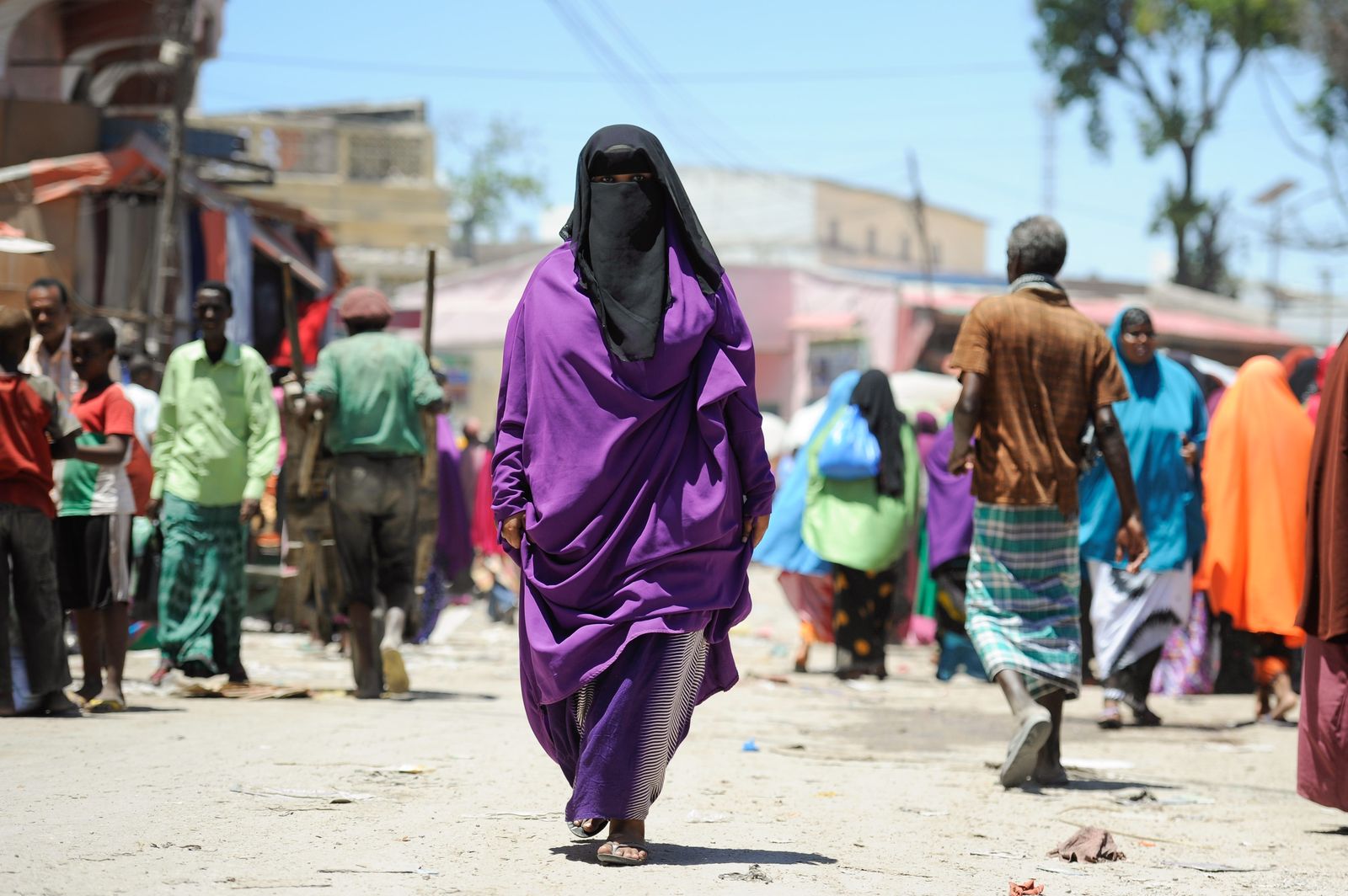
MOGADISHU; Somalia ordered the ambassador of the United Arab Emirates to leave the country within 72 hours on Thursday, 19 November 2026, and recalled its own ambassador from Abu Dhabi, in the sharpest rupture yet between the two former security partners. The order followed a meeting of the Council of Ministers in Mogadishu, and was announced on state media by Information Minister Abdifatah Kasim Mohamud, who accused the UAE of violations of sovereignty amounting to an “open invasion”. Residents carrying Somali flags gathered on KM4 street in the capital to protest against the UAE.
The UAE hit back the same day. Its foreign ministry expressed regret at what it called Mogadishu’s attempts to drag Abu Dhabi into Somalia’s internal power struggles, and said it had already closed its embassy in the capital and withdrawn its staff in January 2026.
Two days earlier, President Hassan Sheikh Mohamud had delivered the rebuke that set up the expulsion. Accusing the UAE of heightening political divisions, financing rival regional administrations and supporting armed actors beyond the federal government’s control, he said: “A brother does not burn your house. A brother does not buy your property without your knowledge. A brother does not divide your family.” His national security adviser, Awes Hagi Yusuf Ahmed, said the government assessed that “UAE policies threaten Somalia’s national security”.
The rupture, dated and documented
The break did not begin on 19 November. Ten months earlier, on Monday, 12 January 2026, Somalia’s Council of Ministers annulled all agreements with the UAE; covering the strategic ports of Berbera, Bosaso and Kismayo as well as bilateral security and defence cooperation. The cabinet cited “credible reports and compelling evidence” of “hostile actions undermining national sovereignty, territorial unity, and the political independence of the country”.
The immediate trigger was the passage of Aidarous al-Zubaidi, leader of Yemen‘s Southern Transitional Council, who travelled via Berbera in Somaliland to the UAE on 8 January. Somalia’s immigration authority announced an investigation into the “unauthorised use of Somalia’s national airspace and airports”. Defence Minister Ahmed Moallim Fiqi said the move rested on “reliable reports and evidence” of practices undermining sovereignty.
The decision exposed the fractures of Somalia’s federal system. Within hours, Somaliland, Puntland and Jubbaland rejected Mogadishu’s authority to cancel the agreements and insisted their deals with Abu Dhabi would stand. The UAE’s footprint there is deep: Dubai’s DP World has invested heavily in Berbera port and its corridor to Ethiopia, while its subsidiary P&O Ports operates Bosaso in Puntland. The two ports represent nearly $800 million of Emirati investment, according to the Critical Threats Project.
The security ties run as deep as the commercial ones. The UAE reopened its embassy in Mogadishu in 2014 and funded a military training centre inaugurated the following year. In Puntland it helped establish and fund the Puntland Maritime Police Force, and this year it has supported Puntland’s campaign against Islamic State fighters with drone strikes.
open invasion.
What is still unproven about the UAE’s role?
The most serious accusations remain unproven in public. Mogadishu accuses the UAE of financing rival regional administrations and supporting armed actors beyond federal control, but it has not published the “credible reports and compelling evidence” its cabinet cited in January, and the UAE denies meddling.
The same is true of the allegation reaching furthest beyond Somalia. Sudan has complained to Mogadishu that the UAE used facilities in Bosaso and Berbera to supply the Rapid Support Forces, the paramilitary group fighting the Sudanese army, and in early November Sudan’s army chief of staff alleged that fighters from northern Somalia had fought alongside the RSF. No public evidence has confirmed either claim.
Nor is it clear what the 72-hour order can do in practice. If the UAE’s account is right and its embassy staff left Mogadishu in January, there may be no ambassador in the capital to expel; which would make the order a statement rather than a removal. And the January annulment has never been tested: the regions rejected it within hours, and the port deals it was meant to void still operate.
Ports, not protocol, are the real prize
This is not a quarrel about diplomatic etiquette. The ports of Berbera, Bosaso and Kismayo are the revenue base of the administrations that run them, and the source of the autonomy that lets them defy Mogadishu. Whoever controls the ports controls the money and the leverage; and the UAE’s investments have given the regions an outside patron richer than the federal government. That is why the fight over who may sign an agreement with a foreign power is the fight over Somalia’s future as a single state.
It also matters because the rupture reaches beyond Somalia. The Gulf of Aden is one of the world’s busiest shipping lanes, and the ports along it are prizes for every power with interests in the Red Sea. The UAE’s military facilities near Berbera and Bosaso, its support for Puntland’s forces, and the alleged use of those ports in the Sudan war all mean a bilateral row in Mogadishu can quickly become a regional security problem; drawing in Ethiopia, which relies on the Berbera corridor, and Sudan, which says the ports feed its enemy.
A sovereignty claim aimed inward as much as outward
The striking feature of this rupture is that its real target may be domestic. President Mohamud’s fight with the UAE is inseparable from his fight with regional leaders resisting his efforts to reassert federal authority through constitutional and electoral change. Puntland and Jubbaland oppose changes they say would weaken their autonomy; Somaliland has long rejected Mogadishu’s authority altogether. As Aweis Ahmed, a Somalia expert at Chatham House, put it to Al Jazeera: “This issue with the UAE is more about the local dynamics than some big question about sovereignty for Hassan Sheikh.”
Read that way, the expulsion is a lever, not a solution. A direct line to Abu Dhabi gives regional leaders room to pursue their own priorities when relations with Mogadishu are difficult; and cutting that line is the point. But the lever has limits: the January annulment was rejected within hours by the administrations it targeted, and the port deals continue. If the embassy was indeed closed in January, the 72-hour order expels an ambassador who may not be there.
The danger is that the lever keeps working in the other direction too. Mogadishu has already deployed Turkish-trained federal forces against UAE-aligned rivals; removing Southwest State’s leader, Abdiaziz Hassan Laftagareen, and failing in a similar attempt against Jubbaland’s Ahmed Mohamed Islam, known as Madobe, after his disputed re-election in 2024.
The regional map redraws itself around Mogadishu
The first second-order effect is alignment. The federal government has drawn closer to Türkiye, Qatar and Egypt, while some regional administrations have cultivated ties with the UAE and Ethiopia, and Somaliland has drawn closer to Israel, whose December 2025 recognition of Somaliland Mogadishu regards as a violation of sovereignty; and which many Somalis believe the UAE facilitated. Abu Dhabi has signed security pacts elsewhere in the region, including with Morocco. The Horn is sorting into camps.
The second is the Sudan war. If Bosaso and Berbera supplied the Rapid Support Forces, as Khartoum alleges, then Somalia’s ports are already part of another country’s civil war; and the Sudanese army’s accusations will keep the allegation alive whether or not evidence follows.
The third is counterterrorism. The UAE’s support, funding, training, drone strikes, has been part of the fight against al-Shabab and Islamic State in Somalia. If the rupture ends that support, Puntland’s campaign against Islamic State fighters loses a backer, and federal forces gain a freer hand against regional rivals.
What happens when the 72 hours run out?
The deadline expires on Sunday, 22 November. Watch first for whether Mogadishu follows through on the information minister’s warning of measures against “anyone who cooperates with UAE in the invasion”; and at whom that threat is aimed.
Watch second for the regions’ answer. Somaliland, Puntland and Jubbaland rejected the January annulment within hours; their response will show whether the rupture has changed anything in practice, or whether the port deals simply carry on.
Watch third for mediation. The African Union, which signed a joint statement with the UAE on 7 January pledging support for Somalia’s sovereignty, and the Arab League both have an interest in keeping a member state’s rupture with a Gulf power from hardening into a regional split. And watch the constitutional fight underneath it all: the regions’ resistance to Mogadishu’s electoral and constitutional changes has not gone away.
What we agree on, and what remains open
Established
- On Thursday, 19 November 2026, Somalia ordered the UAE ambassador to leave within 72 hours and recalled its own ambassador from Abu Dhabi, after the Council of Ministers accused Abu Dhabi of violations of sovereignty; the sharpest rupture in a relationship that had already broken in January, when Mogadishu annulled every agreement with the UAE.
Contested
- On what the UAE actually did; Mogadishu calls it an “open invasion” and accuses Abu Dhabi of financing rival regional administrations and armed actors beyond federal control, while the UAE denies meddling and says the Somali government is dragging it into internal power struggles.
Still open
- Whether Emirati money reached armed actors opposed to Mogadishu, whether the ports of Bosaso and Berbera were used to supply the Rapid Support Forces in Sudan, how the 72-hour order applies when the UAE says its embassy staff already left in January, or whether the regional administrations will comply with Mogadishu’s decisions.
Questions, answered
Somalia ordered the UAE ambassador to leave within 72 hours on 19 November 2026, accusing Abu Dhabi of violating its sovereignty; what Mogadishu called an “open invasion”. The government says the UAE financed rival regional administrations and armed actors beyond federal control, and heightened political divisions. The UAE denies meddling and says Mogadishu is dragging it into internal power struggles.
On 12 January 2026, Somalia’s cabinet annulled all agreements with the UAE, covering the ports of Berbera, Bosaso and Kismayo plus security and defence cooperation. The trigger was the transit of Yemeni separatist leader Aidarous al-Zubaidi to the UAE via Berbera on 8 January. Somaliland, Puntland and Jubbaland rejected the annulment, and the UAE closed its Mogadishu embassy that month.
Berbera in Somaliland and Bosaso in Puntland are run by regional administrations, not Mogadishu, and their revenues fund those administrations’ autonomy. Dubai’s DP World has invested heavily in Berbera, and its subsidiary P&O Ports operates Bosaso; nearly $800 million combined. Whoever controls the ports controls the money, so the fight over the deals is a fight over who governs Somalia.
The deadline expires on Sunday, 22 November. Mogadishu has warned of measures against anyone cooperating with the UAE, while the regional administrations are expected to keep their port deals. The African Union and the Arab League may attempt mediation. Underneath it all, the federal government’s constitutional and electoral struggle with Puntland and Jubbaland continues.