Sirens sound in Bahrain as Iran’s Guards claim a drone attack on a U.S. radar base
Bahrain issued its first nationwide threat alerts since September as Tehran said six drones had targeted the American radar at Al-Riffa; the second such claim in three days, and still no confirmation from Washington or Manama.
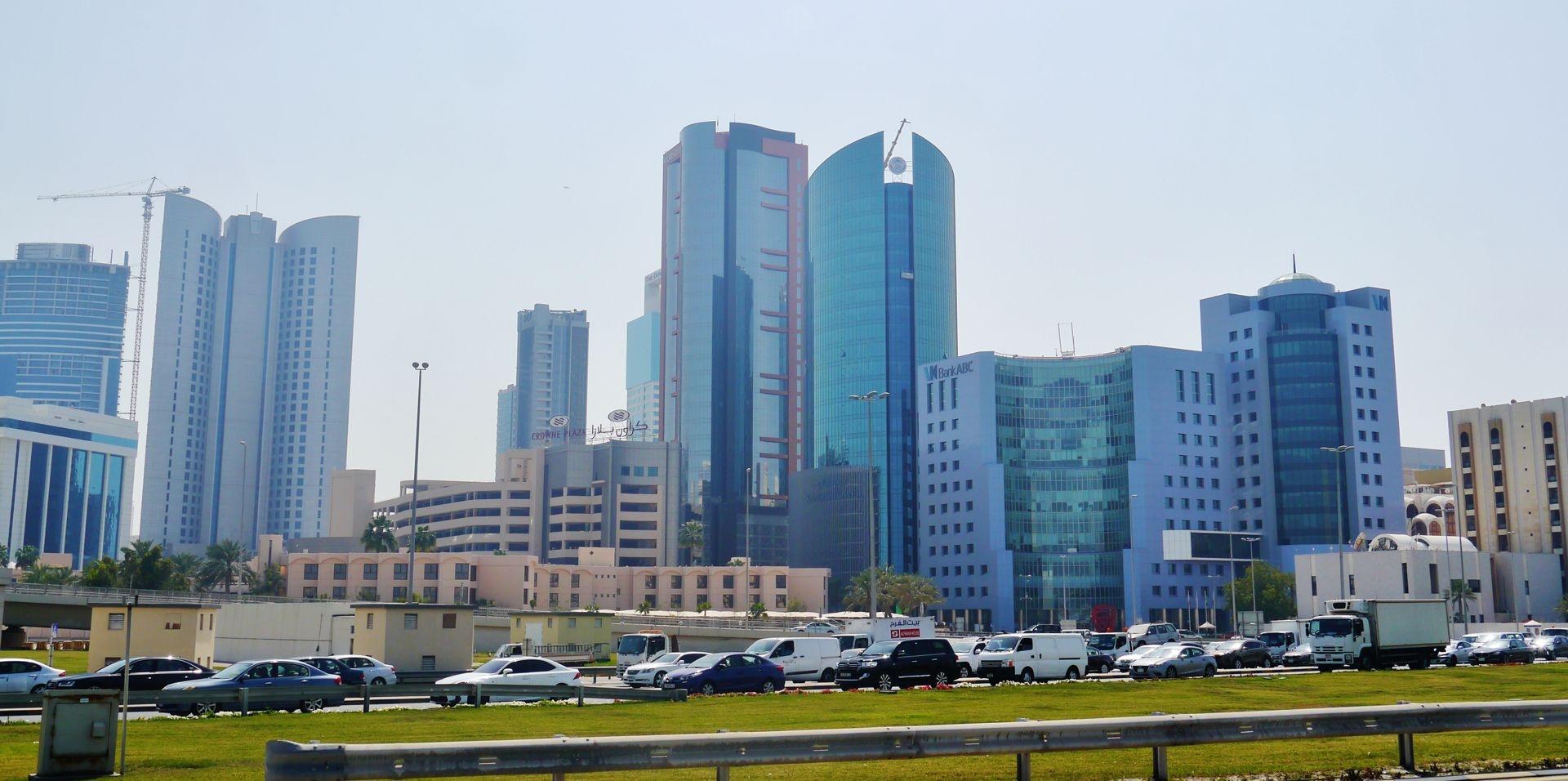
Key points
- Sirens sounded across Bahrain on Sunday 15 November 2026, and the Interior Ministry urged citizens and residents to remain calm and proceed to the nearest safe location, without naming the threat or any target. AFP / The Hindu, 15 Nov 2026
- Iran’s Revolutionary Guards said six drones from its Aerospace Force targeted a U.S. air-defense radar at the Al-Riffa helicopter base, in what Tehran called the second phase of a decisive and crushing response to U.S. aggression. Press TV, 15 Nov 2026
- Neither the United States nor Bahrain had confirmed the attack or reported any damage by Sunday morning; Bahrain’s state television reported air defenses intercepted and destroyed an Iranian drone. Ynet / Kurdistan24, 15 Nov 2026
- On Friday 13 November the Guards said they had destroyed a U.S. early-warning radar in Bahrain; U.S. Central Command said it intercepted two Iranian drones, with no injuries and no damage. The Hindu, 15 Nov 2026
- Saudi Arabia’s air defenses intercepted two ballistic missiles launched toward Riyadh by Iran-backed Houthi rebels, along with two drones in the Eastern Region, on the same Sunday morning. The National, 15 Nov 2026
Three readings of the same result
Same facts, different frames. Each reading names its outlets and what it emphasizes.
The story is read as a test of a fragile lull and of American defenses.
Israeli reporting framed the claim against the wider spread of the war, noting the Houthi missile and drone strikes on Saudi Arabia the same morning and the uncertainty hanging over diplomatic efforts to end a conflict now in its ninth month.
Key detail The emphasis falls on what Washington has denied rather than what Tehran has claimed: on Friday the U.S. military said it shot down two Iranian…
The emphasis falls on Tehran’s own account and on the pattern of the campaign.
Iran’s state broadcaster carried the Guards’ statement in full, presenting the six drones as a precise and successful blow and the operation as the second phase of a decisive response, while rebuking Washington for trying to divert attention from the closure of the Strait of Hormuz.
Key detail Indian reporting, carrying the Agence France-Presse wire, set the claim inside the longer war: eight months in which Iran has restricted shipping through Hormuz and…
The story is reported with the caution of neighbours who would absorb the next round.
The National, in Abu Dhabi, reported explosions across Bahrain and noted that the claims have not been independently verified, while recording the Saudi interceptions and the Guards’ claim about two tankers striking mines south of Hormuz.
Key detail Gulf Today, in the Emirates, stressed the same gap: Iran said it had attacked a U.S. base, and there was no immediate confirmation from American…
Sources by lens: 2 West, 3 East, 3 Global South. See every source
The story
What woke Manama on Sunday morning
Sirens sounded across Bahrain on Sunday morning, 15 November 2026, and the kingdom’s Interior Ministry told citizens and residents to remain calm, proceed to the nearest safe location, and follow developments through official channels. The alerts, posted on social media, did not name the threat or identify any target. Within the hour, Iran’s Islamic Revolutionary Guard Corps said its Aerospace Force had carried out a drone attack on a United States radar system at a military base in the Gulf nation. “The U.S. air defense radar system at the Al-Riffa helicopter base in Bahrain was targeted by six drones belonging to the IRGC Aerospace Force,” the Guards said in a statement carried by the Iranian state broadcaster. The statement described the operation as the second phase of a decisive and crushing response to American aggression, and claimed the precise and successful impact of the drones was heard in various parts of Bahrain. Bahrain, home to the U.S. Navy’s Fifth Fleet, issued its first nationwide threat alerts since September. Neither Washington nor Manama had confirmed the attack or reported any damage by Sunday morning, while Bahrain’s state television reported that the country’s air defenses had intercepted and destroyed an Iranian drone.
What the sirens, the statement and the intercepts establish
Several facts are now established by more than one independent account. Bahrain’s Interior Ministry issued two alerts of potential danger on Sunday, the first such warnings since September, and an Agence France-Presse journalist in Manama heard the sirens sound. The Revolutionary Guards’ statement, carried by Iranian state media, named the target precisely: a U.S. air-defense radar at the Al-Riffa helicopter base, attacked by six drones in what Tehran called the second phase of its retaliation. Explosions were reported across the kingdom during the morning, according to regional reporting. The claim follows an almost identical one two days earlier: on Friday 13 November the Guards said they had destroyed an American early-warning radar in Bahrain, and the U.S. military answered that it had intercepted two Iranian drones heading for Bahrain, with no injuries and no damage. Tehran linked Friday’s operation to an attack on a communications tower in Sirik, in Iran’s southern Hormozgan province, which its official news agency said had come under hostile attack on 12 November. On the same Sunday morning, Saudi Arabia’s air defenses intercepted two ballistic missiles launched toward Riyadh by Iran-backed Houthi rebels, along with two drones in the Eastern Region.
What nobody has shown yet about the radar at Al-Riffa
The central question remains unanswered: whether any drone reached the Al-Riffa radar, and whether anything was damaged. The Revolutionary Guards offered no evidence of destruction beyond the claim that the impact was heard across Bahrain, and neither the United States nor Bahrain had confirmed the attack or reported damage by Sunday morning. It is not clear what caused the explosions reported across the kingdom, whether they were interceptions or impacts, and no casualties have been reported by any side. A separate claim from the Guards’ naval arm, that two oil tankers exploded and caught fire after striking naval mines while using what it called an unauthorized route south of the Strait of Hormuz, has not been independently verified. The exact number of drones launched on Sunday is also Tehran’s figure alone. And Washington has not yet said how it will answer a claim that, if true, would mark the second strike on an American radar in Bahrain in three days.
Why a radar in Bahrain carries weight far beyond its size
Bahrain is small, but it holds the headquarters of the U.S. Navy’s Fifth Fleet, the command that watches the Gulf and the Strait of Hormuz, through which a large share of the world’s seaborne oil passes. A radar at Al-Riffa is part of the shield over that command, and a claim to have struck it is a claim to have reached inside the American security architecture of the Gulf. The timing sharpens the point: the war, which began on 28 February 2026 when the United States and Israel launched surprise attacks on Iran, is approaching its ninth month, and diplomatic efforts to secure an agreement to end it remain uncertain, with Tehran reading recent American moves as the end of the deal rather than its rescue. Gulf states that host American forces have become the front line of Iran’s retaliation, and the mutual defence pact signed by Qatar and Türkiye in Istanbul shows how the region is hedging. Each claim-and-denial round also tests the credibility of both sides: Tehran’s deterrent rests on being believed, and Washington’s on being seen to intercept.
How a six-drone claim becomes a message to three audiences
The operation, as Tehran describes it, is small: six drones against one radar. Its significance is in the audiences. To Washington, the message is that American installations in the Gulf remain reachable despite eight months of war and repeated interceptions. To the Gulf monarchies that host those installations, the message is that the shield has a price, and that price is being charged on their soil. To Tehran’s domestic audience, the message is that retaliation continues on schedule, phase after phase, after the surprise attacks of February. The choice of target matters too: a radar is a defensive system, and striking at the defense itself is a way of saying the next wave could go further. The pattern of the last three days supports that reading, claim on Friday, denial by Washington, claim again on Sunday, each round raising the stakes without yet producing a confirmed casualty. The open question is whether the cycle is bounded, a ritual of retaliation that both sides understand, or the early stage of a wider campaign, and the answer will come from what Washington says next and what Tehran does after that.
What follows if the radar war becomes a routine
If strikes on Gulf radars become a routine, three second-order effects follow. First, the air-defense burden on Gulf states grows: every claim forces alerts, interceptions and shelter orders, and the cost is paid in readiness and in public nerves, even when nothing is hit. Second, the shipping picture darkens further, because the Guards have tied the radar campaign to the Strait of Hormuz, where they say the waterway is closed and where tanker crews already navigate under the threat of mines; insurers and shippers price that risk long before any ship is struck. Third, the diplomatic window narrows: each round of claim and denial hardens the positions of negotiators who must explain to their own publics why they are talking to an enemy still firing. The nuclear file compounds the pressure, with inspectors still locked out of Iranian sites while the war goes on. None of these effects requires a confirmed hit; the claims alone are enough to move them.
What to watch before the next claim lands
Four things will settle what Sunday meant. A statement from U.S. Central Command, saying whether drones were intercepted, whether anything was hit, and whether the Al-Riffa radar is intact. Bahrain’s alert posture, and whether the Interior Ministry lifts its warnings or extends them. Any word from the diplomatic track, where an American-Iranian agreement to end the war is still described as uncertain. And the wider fronts: Houthi fire toward Saudi Arabia, shipping through the Strait of Hormuz, and the Guards’ promise of new targets in additional areas. If the next days bring confirmation of damage, the cycle has escalated; if they bring another interception and another claim, the ritual continues. Either way, the sirens over Manama have already changed the week.
What we agree on, and what remains open
Established
- Sirens sounded in Bahrain on Sunday 15 November 2026 and the Interior Ministry told residents to seek the nearest safe location without naming the threat.
- The Revolutionary Guards said six of its drones targeted a U.S. air-defense radar at the Al-Riffa helicopter base.
- Neither Washington nor Manama had confirmed the attack or any damage by Sunday morning.
Contested
- On whether the drones struck their target; Tehran calls the impact precise and successful, while the American record from Friday’s identical claim is interception with no damage.
- On what the operation means; Iran presents it as a second phase of retaliation, while Western reporting frames it as pressure on a fragile lull in diplomacy.
Still open
- Whether any drone reached the Al-Riffa radar or caused damage.
- What caused the explosions reported across Bahrain.
- Whether anyone was hurt.
- Whether the Guards’ claim that two tankers struck mines south of the Strait of Hormuz is true.
- Or how Washington will answer the claim.
What to watch
Questions, answered
Sirens sounded across Bahrain on Sunday 15 November 2026, and the Interior Ministry urged residents to remain calm and move to the nearest safe location, without naming the threat. It was the kingdom’s first nationwide alert since September. Iran’s Revolutionary Guards then said six of its drones had targeted a U.S. air-defense radar at the Al-Riffa helicopter base.
The Guards said their Aerospace Force targeted a U.S. air-defense radar system at the Al-Riffa helicopter base in Bahrain with six drones, calling it the second phase of a decisive and crushing response to American aggression. The statement, carried by Iranian state media, claimed the impact was heard in various parts of Bahrain, but offered no evidence of damage.
No. Neither Washington nor Manama had confirmed the attack or reported any damage by Sunday morning. Bahrain’s state television reported that air defenses intercepted and destroyed an Iranian drone. Two days earlier, after a similar Iranian claim, U.S. Central Command said it had shot down two Iranian drones heading for Bahrain, with no injuries or damage.
The war began on 28 February 2026, when the United States and Israel launched surprise attacks on Iran, and it is now in its ninth month. Iran has restricted shipping through the Strait of Hormuz and struck American assets across the Gulf, while diplomatic efforts to reach an agreement to end the fighting remain uncertain.