139 arrests in London as hundreds defy Britain's Palestine Action ban outside the US embassy
Defend Our Juries' Halloween “mass action” drew several hundred people to Nine Elms to oppose the proscription of Palestine Action as a terrorist organisation; days before the Supreme Court hears a landmark appeal. The Metropolitan Police said most of the 139 detained were held for expressing support for a proscribed group.
Published 31 October 2026 · 20:19 GMT
The summary
Saturday, October 31, 2026, several hundred protesters gathered outside the US embassy in Nine Elms, London, for a Defend Our Juries “mass action” against the proscription of Palestine Action; organisers put the crowd at about 400. The Metropolitan Police arrested 139 people by Saturday evening, up from 48 mid-afternoon; most for “expressing support for a proscribed organisation”; further arrests were expected.
The three lenses
- WestThe West: a policing story with a courtroom clock Western wires read Saturday as a public-order event with a legal countdown attached.
- EastThe East: a wire note, no independent lens yet East Asia's majors had not picked up the story by Saturday evening: searches of NHK, Kyodo and CNA English located no independent coverage in this cycle, and the rolling digest's CNA, The Hindu and Daily Maverick pulls carried no Palestine Action item.
- Global SouthThe South: a dystopian milestone on Halloween Al Jazeera framed the day as a grim landmark: more than 4,000 arrests under terror laws for “peaceful vigils silently expressing opposition to genocide and support for the protest group”; a milestone reached, as Defend Our Juries noted, on Halloween, outside the US embassy, the institution the organisers call the true author of the ban, “straight out of Trump's playbook”.
Key facts
- Saturday, October 31, 2026; several hundred protesters gathered outside the US embassy in Nine Elms, London, for a Defend Our Juries “mass action” against the proscription of Palestine Action; organisers put the crowd at about 400. Al Jazeera (Oct 31, 2026)
- The Metropolitan Police arrested 139 people by Saturday evening, up from 48 mid-afternoon, most for “expressing support for a proscribed organisation”; further arrests were expected. Al Jazeera (Oct 31, 2026)
- A parallel vigil outside the US consulate in Edinburgh drew protesters with the same placards; no arrests there, but Police Scotland is reviewing evidence. Times of India (AP wire) (Oct 31, 2026)
- Defend Our Juries says Saturday's arrests took the total detained for defying the ban past 4,000 since July 2025. Press Association (Oct 31, 2026)
- The protest came days before a two-day Supreme Court hearing from November 4 on co-founder Huda Ammori's challenge to the proscription, after the Court of Appeal ruled for the government in June. Arab News (AFP) (Oct 31, 2026)
A Halloween “mass action” outside the US embassy
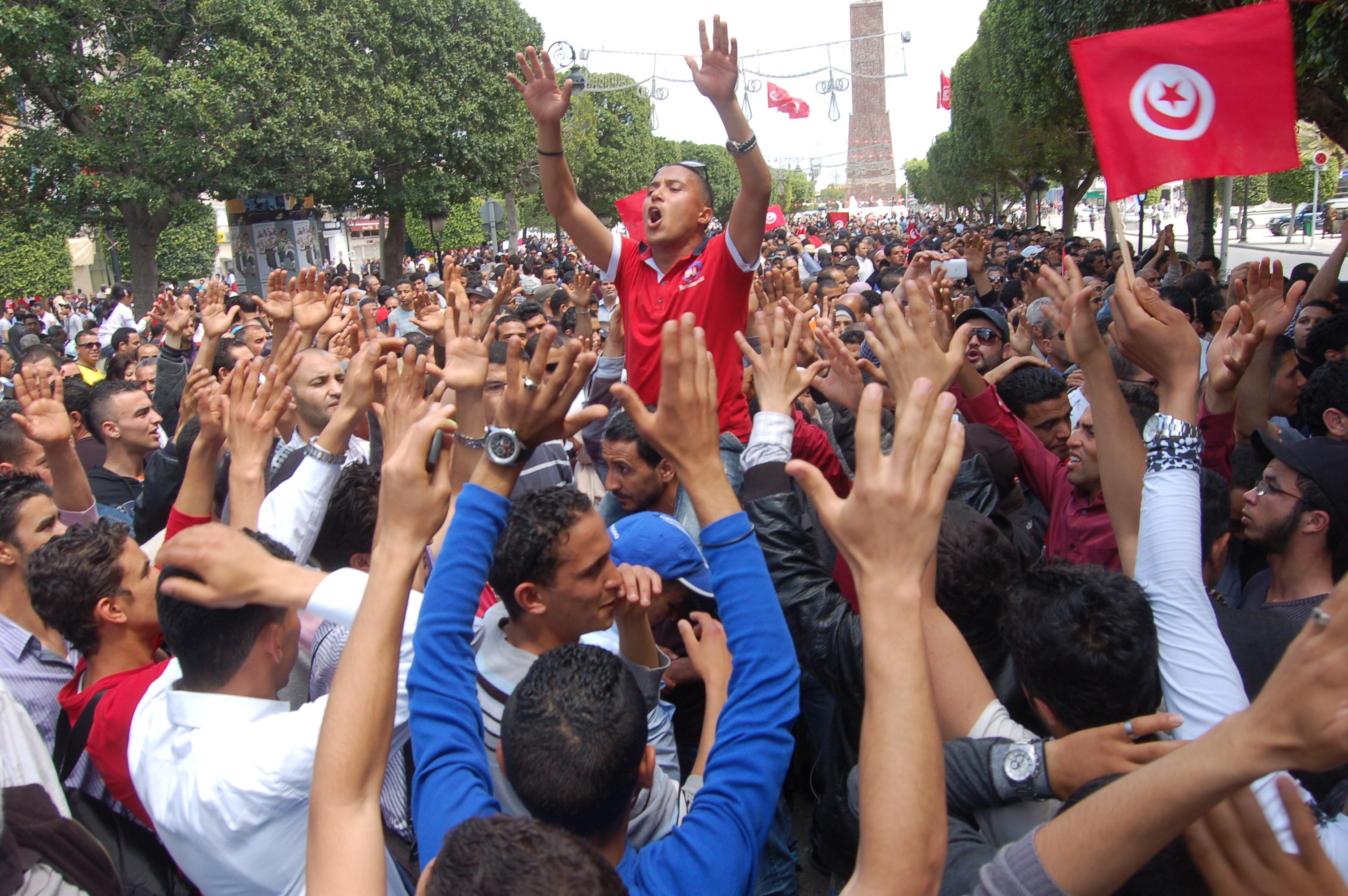
LONDON; Several hundred protesters gathered outside the United States embassy in Nine Elms, south London, on Saturday, October 31, 2026, for a lunchtime “mass action” against the British government's proscription of Palestine Action as a terrorist organisation. The rally was called by Defend Our Juries, the activist network that has coordinated a string of demonstrations since the ban took effect in July 2025.
Demonstrators held identical placards reading “I oppose genocide. I support Palestine Action”; each one, under the Terrorism Act, an arrestable offence. Officers began detaining protesters shortly after the rally started at about 1 p.m., sometimes carrying away those who refused to walk.
By mid-afternoon the Metropolitan Police said 48 people had been arrested, the majority for “expressing support for a proscribed organisation”. In an update posted on X at about 6:15 p.m., the force raised the tally to 139 and said further arrests were expected through the evening. Commander Adam Slonecki, who led the operation, had warned in advance that everyone attending knew support for a proscribed group was unlawful, “they are essentially meeting to purposefully commit a crime”, and that key organisers and logistical helpers would very likely be committing an offence themselves. A Section 35 dispersal order covered the embassy grounds and surrounding streets from 8 a.m. to 11 p.m.
A parallel vigil outside the US consulate in Edinburgh drew a smaller crowd carrying the same placards. Police Scotland reported no arrests there but said it was reviewing evidence and would take further action where appropriate.
What the arrest ledger shows
The Metropolitan Police's own tally tells the day's story in two acts: 48 arrests by mid-afternoon, then 139 by Saturday evening; the majority, the force said, for expressing support for a proscribed organisation. Officers remained on the scene and more arrests were expected, meaning the final count may still rise.
Organisers estimated about 400 people took part in the London rally, a figure reported by The Guardian. Defend Our Juries says Saturday's detentions took the cumulative number of people arrested for defying the Palestine Action ban past 4,000 since July 2025; a claim echoed by police and campaigners alike.
The legal stakes are severe: under the Terrorism Act, membership of or support for a proscribed organisation is a criminal offence punishable by up to 14 years in prison. The ban on Palestine Action took effect in July 2025; in August 2025 the US government announced its own sanctions against the group, designating it a terrorist organisation. Last month, more than 160 people were arrested or reported for summons at a similar demonstration outside the Labour Party's annual conference in Liverpool.
What the tally leaves open
We do not yet know how many of the 139 detained will be charged rather than released without charge; the Met has published no breakdown of charges versus releases, and the evening update spoke only of arrests “so far”.
We do not have an official crowd figure; the police published none, and the 400 estimate comes from the organisers. We do not know whether the evidence review in Edinburgh will lead to summonses, nor what the Supreme Court will decide when it hears co-founder Huda Ammori's appeal on November 4 and 5. And we do not know whether the Burnham government will heed calls, from Amnesty International UK and from Labour MP John McDonnell, to drop the proscription, or hold the Home Office line that it was the product of a “rigorous and evidence-based process”.
The first test of the Burnham government's red line
Saturday was the first mass protest against the proscription since Andy Burnham became prime minister in July; and it lands as a direct test of his government's position. The Home Office line, repeated in recent weeks, is that the ban was the product of a “rigorous and evidence-based process” endorsed by Parliament and upheld by the Court of Appeal in June.
The civil-liberties counter-argument is now impossible to ignore at this scale: Amnesty International UK's Felix Jakens called the sight of “grandparents, teenagers and everyone in between being hauled into police vans for peacefully holding placards” a “disgraceful attack on freedom of speech”, while McDonnell argued that opposing a government decision cannot be “automatically interpreted” as supporting a proscribed organisation. The chilling effect is already measurable beyond the streets: publisher Faber revealed this month it can no longer sell Sally Rooney's books in the UK because of her support for the group.
Whatever the courts decide on Wednesday, the day's images, mass arrests outside a foreign embassy, on Halloween, will define how Britain's terror-proscription regime is seen, at home and abroad.
Why the embassy became the stage
The choice of Nine Elms was deliberate, and it explains the choreography of the day. Defend Our Juries argues the proscription was an American import, the ban “straight out of Trump's playbook”, in the organisers' words, and the United States underlined the point by sanctioning Palestine Action itself in August 2025. Protesting the British ban at the American embassy fuses the two halves of that argument into a single image.
The tactic on display is mass defiance: several hundred people committing the same arrestable act at once, daring the enforcement model to process them all. More than 4,000 arrests since July 2025 have not broken the tactic; if anything, the rising tallies have become the movement's own metric of momentum. It is the same logic of confrontation seen across Europe's protest autumn; France's third Saturday of youth protests ended in clashes with police the same day; but with a distinctive legal edge: here the placard itself is the alleged crime.
That is what makes the Met's posture so consequential. A police force that treats a rally as a “meeting to purposefully commit a crime” is not managing a demonstration; it is executing a statute. The strategy bets that the courts will keep validating the proscription; a bet the Supreme Court will now price.
What the arrests set in motion
The first-order effect is visible: 139 more names in the arrest ledger, and a chilling signal to publishers, universities and charities recalculating the risk of association; the Rooney–Faber episode shows the ban's reach already extends into cultural life. The second-order effects are legal and diplomatic.
Legally, the November 4–5 hearing is now the hinge of the whole regime. If the Supreme Court upholds the proscription, the model becomes a template: other direct-action groups can be banned by the same instrument, and 4,000 arrests stand validated. If it strikes the ban down, the legal basis of every one of those arrests collapses at once; with compensation claims and political fallout to follow.
Diplomatically, the optics cut against Britain. Mass arrests of placard-holders outside a foreign embassy, filmed by the world's wires on Halloween, sit uneasily with any claim to exemplary free-speech standards; and they arrive as a wider European protest wave is already testing how democracies police dissent.
What Wednesday's hearing will decide
The Supreme Court's two-day hearing, opening November 4, is the decisive near-term event. Huda Ammori, Palestine Action's co-founder, has been partially granted permission to proceed with the challenge; Amnesty International has intervened, calling the ban “a grave misuse of sweeping counter-terrorism powers”. The legal question is narrower than the street drama suggests: the courts have already accepted that the group organised violent attacks on an Israeli defence company, its suppliers and aircraft at RAF Brize Norton. The fight is over whether proscription as a terrorist organisation was a proportionate response; or a misuse of the instrument.
Watch, in order: the Met's charging decisions on the 139; whether Defend Our Juries calls another “mass action” before or after the ruling; whether Police Scotland acts on its Edinburgh evidence review; and whether parliamentary pressure, McDonnell's intervention is unlikely to be the last, forces the Burnham government to defend the ban on the record. For the wider Palestine file, see our weekly Gaza briefing.
The three lenses
West Lens:
The West: a policing story with a courtroom clock Western wires read Saturday as a public-order event with a legal countdown attached. AP, AFP and the Press Association logged the 48-to-139 tally and the Met's warnings; The Guardian put the crowd at about 400 and framed the rally as the first mass protest under the Burnham government. The British press stressed the extraordinary security posture, the Section 35 dispersal order, Commander Slonecki's “purposefully commit a crime” warning, and kept the November 4 Supreme Court date as the story's real horizon: everything on Nine Elms Lane was prologue to Wednesday's courtroom.
East Lens:
The East: a wire note, no independent lens yet East Asia's majors had not picked up the story by Saturday evening: searches of NHK, Kyodo and CNA English located no independent coverage in this cycle, and the rolling digest's CNA, The Hindu and Daily Maverick pulls carried no Palestine Action item. India's Times of India republished the AP wire. The Eastern information environment is therefore rendered here from the wire record alone; a gap we record rather than fill, since five outlets repeating one wire is one source, not five.
South Lens:
The South: a dystopian milestone on Halloween Al Jazeera framed the day as a grim landmark: more than 4,000 arrests under terror laws for “peaceful vigils silently expressing opposition to genocide and support for the protest group”; a milestone reached, as Defend Our Juries noted, on Halloween, outside the US embassy, the institution the organisers call the true author of the ban, “straight out of Trump's playbook”. Arab News' AFP dispatch added the Liverpool precedent and the Rooney–Faber case, sketching a ban whose enforcement now reaches from the street into the bookshop. See also Europe's Gaza solidarity marches .
The consensus
- What we agree on
- We agree: the verified core is not in dispute; on Saturday, October 31, 2026, Defend Our Juries led several hundred protesters (about 400, per organisers) to the US embassy in Nine Elms, London, against the proscription of Palestine Action; the Metropolitan Police arrested 139 people by Saturday evening, most for expressing support for a proscribed organisation; a parallel vigil in Edinburgh saw no arrests; and a two-day Supreme Court hearing on the ban opens November 4.
- What we don't agree on
- We disagree: on whether the mass arrest of placard-holders defends the rule of law or attacks free speech; the Home Office calls the proscription the product of a “rigorous and evidence-based process”, while Amnesty International UK calls the arrests “a disgraceful attack on freedom of speech” and Labour MP John McDonnell rejects the automatic equation of protest with support for a proscribed group.
- What we know
- We know: the enforcement mechanics; the mid-afternoon count of 48 rising to 139 by about 6:15 p.m., the Section 35 dispersal order from 8 a.m. to 11 p.m., Commander Slonecki's advance warning, the Terrorism Act's up-to-14-year penalty, the ban's July 2025 start, the US sanctions of August 2025, and the 4,000-plus cumulative arrests since July 2025.
- What we don't know yet
- We don't know: how many of the 139 will be charged; the official crowd size; whether Edinburgh leads to summonses; how the Supreme Court will rule; or whether the Burnham government will review the proscription.
- What we expect
- We expect: the November 4–5 hearing to dominate the legal-political week; charging decisions on the 139 within days; possible further Defend Our Juries actions around the ruling; and continued parliamentary pressure on the government to justify the ban on the record.
Questions, answered
Who organized the London protest against the Palestine Action ban?
The activist network Defend Our Juries, which has coordinated a string of demonstrations since the ban took effect in July 2025. It called Saturday's rally a “mass action” outside the US embassy in Nine Elms and estimates about 400 people took part. The group says the day's arrests took the cumulative total detained for defying the ban past 4,000.
Why were 139 people arrested in London on October 31?
The Metropolitan Police said the majority were arrested for “expressing support for a proscribed organisation” after holding placards reading “I oppose genocide. I support Palestine Action”. Under the Terrorism Act, support for a proscribed group is a criminal offence punishable by up to 14 years in prison. Commander Adam Slonecki had warned in advance that attendees faced arrest.
What is Palestine Action and why was it banned?
Palestine Action, founded in 2020, campaigns to end British military support for Israel. The UK government proscribed it as a terrorist organisation, with the ban taking effect in July 2025; the US announced sanctions against it in August 2025. Co-founder Huda Ammori calls the ban disproportionate, while the Home Office describes it as the product of a rigorous, evidence-based process.
What happens at the Supreme Court on November 4?
A two-day hearing opens on co-founder Huda Ammori's legal challenge to the proscription, after the Court of Appeal ruled for the government in June. Amnesty International has intervened, calling the ban a grave misuse of counter-terrorism powers. The court will weigh whether proscription was proportionate; not whether the group's direct actions caused criminal damage, which is not in dispute.
Have there been similar protests before?
Yes; Defend Our Juries says more than 4,000 people have been arrested for defying the ban since July 2025. Last month over 160 people were arrested or reported for summons at a similar demonstration outside the Labour Party conference in Liverpool. A parallel vigil outside the US consulate in Edinburgh on Saturday saw no arrests, though Police Scotland is reviewing evidence.
Sources
- Al Jazeera (Oct 31, 2026)
- Times of India (AP wire) (Oct 31, 2026)
- Press Association (Oct 31, 2026)
- Arab News (AFP) (Oct 31, 2026)