Medical staff at al-Shifa Hospital say at least five people were killed and six severely wounded when fighter jets struck the al-Asala residential building in the Remal neighbourhood of western Gaza City early on Saturday 3 October, with no warning given.
Published 3 October 2026 · 04:32 GMT
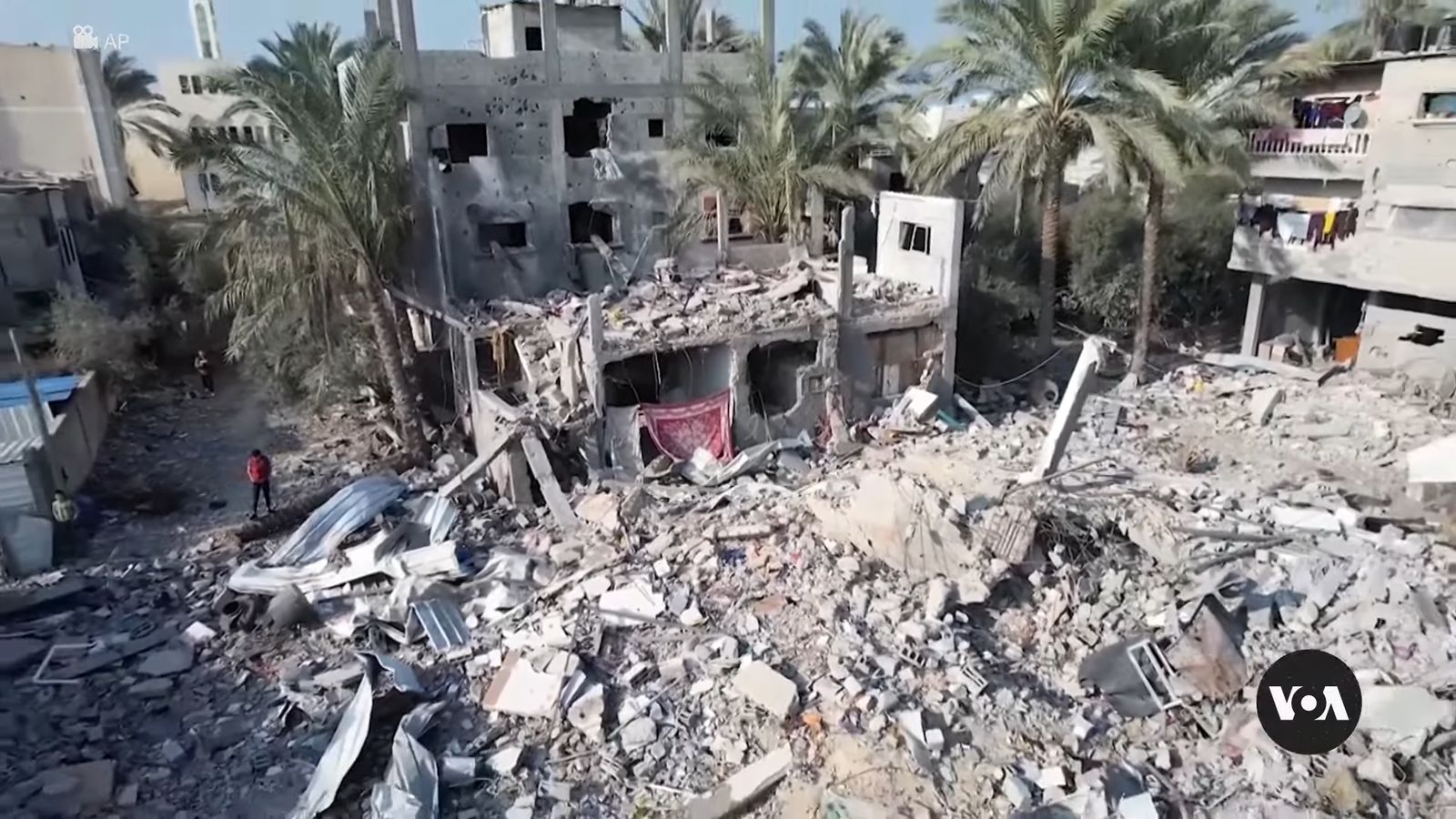
The jets were heard before they were seen. In the early hours of Saturday 3 October, residents of western Gaza City heard the sound of Israeli fighter jets growing louder overhead — and then, with no warning of any kind, three strikes slammed into the al-Asala residential building in the Remal neighbourhood. People were asleep inside.
The impact was devastating. According to Al Jazeera's reporting, the strike punched straight through the targeted apartment and kept going, tearing through the floors below and wrecking the multi-storey block around it. Flames took hold in the wreckage almost immediately and burned for at least an hour before crews from the Palestinian Civil Defence managed to put them out. In the dark, under the rubble, people lay trapped and buried.
“We heard fighter jets getting louder, then three strikes followed, hitting the apartment and killing those inside,” said Hani al-Shaer, an Al Jazeera journalist reporting from Khan Younis. He described the scene as “horrific” — residents buried under rubble as they slept, rescue workers digging through concrete and dust in the night. Hours after the attack, the crews were still at work, searching for the missing and recovering bodies.
At al-Shifa Hospital, medical staff counted the dead and the wounded: at least five people killed, at least six others severely wounded. The dead included four women — among them an elderly Christian woman and her daughter, the hospital said. The six wounded were brought to al-Shifa for emergency treatment.
The war did not pause overhead. Israeli drones kept circling above the area after the strike, al-Shaer reported, and fighter jets could be heard flying low across the Gaza Strip — a sound that told the living the night's violence might not be over. The Remal strike was one of several Israeli attacks across Gaza on Saturday; Al Jazeera's live coverage reported at least eight people killed across the Strip in separate incidents that day.
Remal is one of Gaza City's most crowded residential districts, and it is also a refuge: thousands of displaced people are sheltering there in makeshift camps, families who fled fighting elsewhere and are sleeping wherever they can find space. For the people under the rubble of the al-Asala building, there had been no safer place to go — and no warning to run.
The location and the target: the al-Asala residential building in Remal, a neighbourhood in western Gaza City. Remal is one of the city's most crowded residential areas, and it currently shelters thousands of displaced people in makeshift camps.
The timing: early on Saturday 3 October 2026, in the middle of the night, while residents slept. The sequence, as described by Al Jazeera journalist Hani al-Shaer: the sound of fighter jets growing louder, then three strikes in quick succession hitting the apartment.
The absence of warning: no prior warning was reported before the strike — neither in the outlet's reporting nor in the accounts of survivors and rescue workers it relayed.
The physical damage: the strike penetrated the targeted apartment and tore through the floors beneath it, heavily damaging the multi-storey building. Fires ignited by the blast burned for at least an hour before Palestinian Civil Defence crews extinguished them.
The human toll: at least five killed and at least six severely wounded, according to medical staff at al-Shifa Hospital. The dead included four women, among them an elderly Christian woman and her daughter. The wounded were taken to al-Shifa.
The aftermath: hours after the attack, Civil Defence crews were still searching the rubble for missing people and bodies. Israeli drones continued to fly over the area, and fighter jets were heard flying low across the Strip.
The wider toll the same day: Israeli attacks across Gaza killed at least eight people on Saturday, according to Al Jazeera's live coverage. In a separate development, Palestinians buried the remains of 105 people killed in an Israeli attack and recovered from rubble — days after a mass funeral in Gaza City on 30 September for more than 100 recovered dead.
The internal Israeli debate: Al Jazeera reported on 2 October that an Israeli ex-negotiator and an Israeli general had said the Gaza war could have been ended — and the captives freed — sooner, with one account putting the lost opportunity at a year earlier. That debate forms the backdrop against which Saturday's strikes fell.
No Israeli statement was present in the source material. The Israeli military has not been reported as saying what — or who — the strike targeted, nor has it offered any justification for hitting a residential apartment in a crowded neighbourhood in the middle of the night.
We do not know whether the apartment, or anyone inside it, was the intended target, or whether the building was struck in error, as collateral in an attack on something nearby, or for a reason that has not been stated.
We do not know whether any form of warning — a phone call, a leaflet, a “roof knock,” a message through any channel — was issued before the strike. The reporting available describes the attack as coming without warning, and no account of a warning has surfaced.
The full identities of the dead have not been reported beyond what al-Shifa staff confirmed: four women, including an elderly Christian woman and her daughter. We do not know the names or ages of the others, the condition and prognosis of the six severely wounded, or how many people remain missing under the rubble.
The final casualty count is not settled. With rescue crews still digging hours after the attack, the toll of five killed and six wounded may rise. We also do not know the type of munitions used, the full extent of the damage to the building and its surroundings, or whether further strikes hit the area later on Saturday.
A residential apartment block, in the middle of the night, with no warning: that is the starkest possible setting for civilian harm. The people inside the al-Asala building were asleep. Whatever the intended target, the strike fell on a home, in a neighbourhood where thousands of displaced families are sheltering in makeshift camps because they have nowhere else to go.
Remal's density multiplies everything. One of Gaza City's most crowded residential areas, packed further by displacement, is precisely the kind of place where a heavy strike on a multi-storey building cannot be contained to a single flat — the blast tore through the floors below, the fire burned for an hour, and the rubble buried the living alongside the dead.
The composition of the dead sharpens the picture: four women, including an elderly Christian woman and her daughter. Gaza's Christian community is tiny and ancient, and its losses are felt as a wound to one of the Strip's oldest minorities — a reminder that the war's toll cuts across every community in Gaza.
The strike lands inside a grim rhythm of recovery and mourning. Days earlier, on 30 September, Gaza City held a mass funeral for more than 100 people whose bodies had been recovered from rubble; on Saturday, Palestinians buried the remains of 105 more. Each new strike adds to a ledger of the missing, the buried, and the still-unfound — and to the strain on hospitals like al-Shifa, which received Saturday's dead and wounded.
And it lands against an extraordinary internal debate in Israel. An Israeli ex-negotiator and an Israeli general have said the war could have been ended and the captives freed sooner — a year earlier, in one account. If Israel's own former officials are right, then the people killed in the al-Asala building died in a war that, by that assessment, did not need to still be fought. That contrast — between a domestic reckoning over the war's duration and the continuing strikes on Gaza City's residential blocks — is what gives Saturday's attack its political weight.
Start with the mechanics, because they tell their own story. Three strikes, in quick succession, on a single residential apartment — and the first impact kept going, punching through the targeted flat and the floors beneath it. That is not a glancing hit or a strike on a building's edge; it is a heavy, concentrated attack on the interior of a multi-storey residential block, in a district the reporting describes as one of Gaza City's most crowded. The hour-long fire and the buried survivors are the predictable physics of that combination: dense building, dense neighbourhood, night-time, no warning.
The absence of warning is the decisive variable. Warnings — whatever form they take — exist precisely to separate combatants from the sleeping families around them. Here, by every account available, there was none: the jets grew louder, the strikes followed, and the people inside never had a chance to leave. In a neighbourhood sheltering thousands of displaced people in makeshift camps, there was, in any case, nowhere meaningfully safer to flee to — but the absence of even the attempt matters for how this strike will be judged.
The information vacuum matters almost as much. No Israeli statement accompanied the strike in the reporting — no named target, no claimed military objective, no justification. That leaves the most basic question about Saturday's attack unanswered: what was this strike for? Without an account of the target, the strike can only be read through its effects — five dead, six severely wounded, a wrecked building, a neighbourhood terrorised by low-flying jets — and that reading is damning precisely because it is the only one available.
Set against that vacuum is the one piece of Israeli context that did surface: the ex-negotiator and the general who said the war could have ended sooner and the captives freed earlier. That is not a fringe claim — it comes from inside Israel's own security and negotiating establishment — and it reframes every fresh casualty as a question about the war's continuation rather than only its conduct. The debate is no longer only about how the war is fought; it is about whether it needed to be fought at all this autumn.
The wider Saturday toll — at least eight killed across Gaza in separate incidents — suggests the Remal strike was not an isolated event but part of a continuing tempo of attacks. And the parallel ledger of the recovered dead — 105 buried on Saturday, more than 100 funeralised on 30 September — shows a war whose casualties are still being dug out of rubble long after the strikes that killed them. The living search for the missing; the dead are still being counted.
The honest bottom line is narrower than the outrage and wider than the incident. Narrower: we know what happened to one building on one night, and we do not know why. Wider: a no-warning night strike on a crowded residential block, killing sleeping civilians including an elderly Christian woman and her daughter, while Israel's own former officials say the war could have ended a year ago — that combination is why this attack will travel beyond Gaza City, into the arguments about the war's conduct, its duration, and its cost.
The first consequence is shelter itself. Every residential block destroyed in Gaza City is housing that cannot be replaced while the war continues — and Remal's destroyed apartments were sheltering not only their residents but displaced families with nowhere else to go. The strike does not only kill; it subtracts from an already exhausted stock of roofs, pushing more people into makeshift camps and more crowded rooms.
The second is the hospital ledger. Al-Shifa received Saturday's dead and six severely wounded, adding to the load of a health system that has been absorbing mass-casualty events for the duration of the war. Each such night is not only a toll of the dead but a claim on surgeons, beds, blood, and fuel — resources that do not regenerate under siege conditions.
The third is communal: the funerals. Gaza City buried more than 100 recovered dead on 30 September and 105 more on Saturday; the al-Asala dead will follow. These are not private griefs but collective ones, staged in public, and they accumulate into a shared memory of the war that will outlast any ceasefire — including for Gaza's small Christian community, which lost an elderly woman and her daughter in a single night.
The fourth is political, and it runs in two directions. Inside Israel, the ex-negotiator's and the general's assessments — that the war could have ended and the captives freed much earlier — give domestic critics a sharper weapon: every new strike becomes evidence in the argument that the war's continuation is a choice, not a necessity. Outside Israel, a no-warning night strike on a residential block feeds the arguments of those who say civilian protection in Gaza has failed — and hardens the positions of everyone watching.
The fifth is the negotiation climate. Strikes like Saturday's do not occur in a vacuum; they land while the question of the war's end is openly contested, including by Israelis. Whether the internal debate accelerates a settlement or the continued tempo of attacks buries it is the open second-order question — and the answer will be written in the coming weeks, in strikes and in statements alike.
The immediate next step is under the rubble. Palestinian Civil Defence crews were still searching the wreckage of the al-Asala building hours after the strike, and the toll — five killed, six severely wounded — may rise as the missing are found. The next confirmed number will come from al-Shifa Hospital or the rescue crews, and it will set the scale of Saturday's attack.
Funerals will follow, and they will follow quickly — Gaza's rhythm now is burial within days, sometimes within hours, and the al-Asala dead will join the processions that buried more than 100 recovered dead on 30 September and 105 more on Saturday. Watch for whether the funerals of the Christian woman and her daughter draw Gaza's Christian community into public mourning.
The outstanding question is whether the Israeli military says anything. No statement accompanied the strike in the reporting; if one comes — naming a target, offering a justification, or acknowledging an error — it will reshape the story entirely. If none comes, the vacuum itself becomes the story: a residential block destroyed at night, five dead, and no account of why.
The six severely wounded at al-Shifa bear watching too. Their survival, and the hospital's account of their injuries, will complete the human picture of the strike — and add one more entry to the hospital's long ledger of the war's wounded.
Beyond the incident, the tempo matters. Saturday saw at least eight killed across Gaza in separate incidents; whether that tempo holds, rises, or falls in the coming days will signal whether the Remal strike was routine or the start of something heavier. And the internal Israeli debate — the ex-negotiator and the general saying the war could have ended a year ago — will either gain force from nights like this or be drowned out by them. That contest is the real “what next” of the Gaza war.
Through a Western security-policy lens, the Remal strike reads first as a civilian-protection failure demanding answers. A no-warning night strike on a residential apartment in one of Gaza City's most crowded districts — killing five, including four women, wounding six — raises the questions Western policymakers and legal observers are trained to ask: what was the target, was the expected civilian harm proportionate to the anticipated military advantage, and why was no warning given?
The absence of any Israeli statement in the reporting deepens the problem from this perspective: without an account of the military objective, there is nothing to weigh against the civilian cost, and the strike can only be assessed by its effects. Western capitals will also note the context that did surface from inside Israel — a former negotiator and a general saying the war could have ended and the captives freed much earlier — because it reframes the strike within a domestic debate about the war's necessity, not just its conduct. From this lens, Saturday's attack is both a humanitarian incident and a data point in the argument over whether the war should still be fought at all.
Through an Arab and Gulf lens, the Remal strike is the latest entry in a ledger of Palestinian civilian suffering that needs no abstraction: fighter jets in the night, three strikes, a residential building in a crowded neighbourhood, people buried as they slept — an elderly Christian woman and her daughter among the dead. Al Jazeera's reporting, with its detailed account of the hour-long fire and the circling drones, speaks directly to an audience that experiences Gaza's war as a continuous, intimate catastrophe.
From this perspective, the no-warning character of the strike is not a technical detail but the moral core of the story: families asleep in a district sheltering thousands of displaced people, given no chance to flee. And the reported Israeli voices — the ex-negotiator and the general saying the war could have ended a year earlier — land as a bitter confirmation: Palestinians are dying, in this reading, in a war that even Israelis now say did not need to continue. The mass funerals — more than 100 on 30 September, 105 buried on Saturday — are the visible, communal proof of the toll.
Through a Global South lens, the Remal strike is Gaza as the emblem of a broken promise: the promise that civilian life is protected equally everywhere. A no-warning night strike on a residential block in a crowded district, killing sleeping civilians, would be a scandal anywhere; in Gaza, much of the world reads it as routine — and that routineness is itself the indictment. The dead — five in one building, eight across the Strip on Saturday, 105 recovered remains buried the same day — accumulate into a number so large it risks becoming background noise.
From this perspective, the striking detail is the contrast between the machinery of the war and the fragility of its victims: fighter jets and circling drones above, displaced families in makeshift camps below. The reported Israeli debate — that the war could have ended a year ago — reinforces a long-standing Global South scepticism: that the war continues not from necessity but from the choices of the powerful, while the powerless bury their dead. The question this lens asks is not only what happened in Remal, but why the world has learned to absorb it.
