She watched a sniper kill her 16-year-old in Tehran. Now an Iranian mother is naming names.
Samira's only child, Sevda, was shot dead on 9 January as Iran's January protests turned into a massacre. Forced to bury her daughter under a state lie, hounded by the intelligence ministry and charged in absentia with a capital offence, she fled Iran on foot over the mountains; and from exile she is now publishing the names of the security men she holds responsible. Her testimony anchors a BBC Panorama documentary airing tonight.
Published 2 November 2026 · 07:11 GMT
The summary
On 9 January 2026, 16-year-old Sevda was shot dead by a sniper firing from a rooftop as she led a chant, standing on a dustbin, during protests on the outskirts of Tehran; her mother Samira says the bullet went through her daughter's heart. Samira, a cosmetics saleswoman who says she was not political before that day, spent days searching morgues for her daughter's body and finally found her under three other bodies at one of Tehran's largest morgues.
The three lenses
- WestThe Western telling is an accountability story.
- EastThe East Asian telling is a stability-and-war story.
- Global SouthThe Global South telling is a contested-numbers story.
Key facts
- On 9 January 2026, 16-year-old Sevda was shot dead by a sniper firing from a rooftop as she led a chant, standing on a dustbin, during protests on the outskirts of Tehran; her mother Samira says the bullet went through her daughter's heart. BBC (Nov 2, 2026)
- Samira, a cosmetics saleswoman who says she was not political before that day, spent days searching morgues for her daughter's body and finally found her under three other bodies at one of Tehran's largest morgues. BBC (Nov 2, 2026)
- Iranian authorities acknowledge more than 3,000 people died in the January protests; the US-based Human Rights Activists News Agency (HRANA) estimates more than 7,000, most of them protesters. Al Jazeera (Jan 21, 2026)
- To reclaim her daughter's body for burial, Samira says she was forced to state that 'terrorists' rather than the security forces were responsible; weeks later the intelligence ministry offered her martyr-status perks if she would say Sevda was a Basiji killed by protesters; she refused and fled. BBC (Nov 2, 2026)
- Living abroad in hiding, Samira has been charged in absentia with a string of offences including 'moharebeh', enmity against God, which can carry the death penalty; a regime supporter has offered a $5,000 reward for information about her whereabouts. BBC (Nov 2, 2026)
- The deadliest nights were 8 and 9 January, according to state officials, foreign monitors and eyewitness accounts; Iran's own medical examiner told state media many victims were shot in the chest or head from rooftops; matching Samira's account of how her daughter died. Al Jazeera (Jan 19, 2026)
Why a mother in hiding chose tonight to speak
At 20:00 on Monday, BBC One airs a Panorama documentary built around an extraordinary decision: a woman living abroad in hiding, with a price on her head, has chosen to tell her story on camera. Her name is Samira. She sold cosmetics in Iran and, by her own account, was not a political person. Her only child, Sevda, was sixteen.
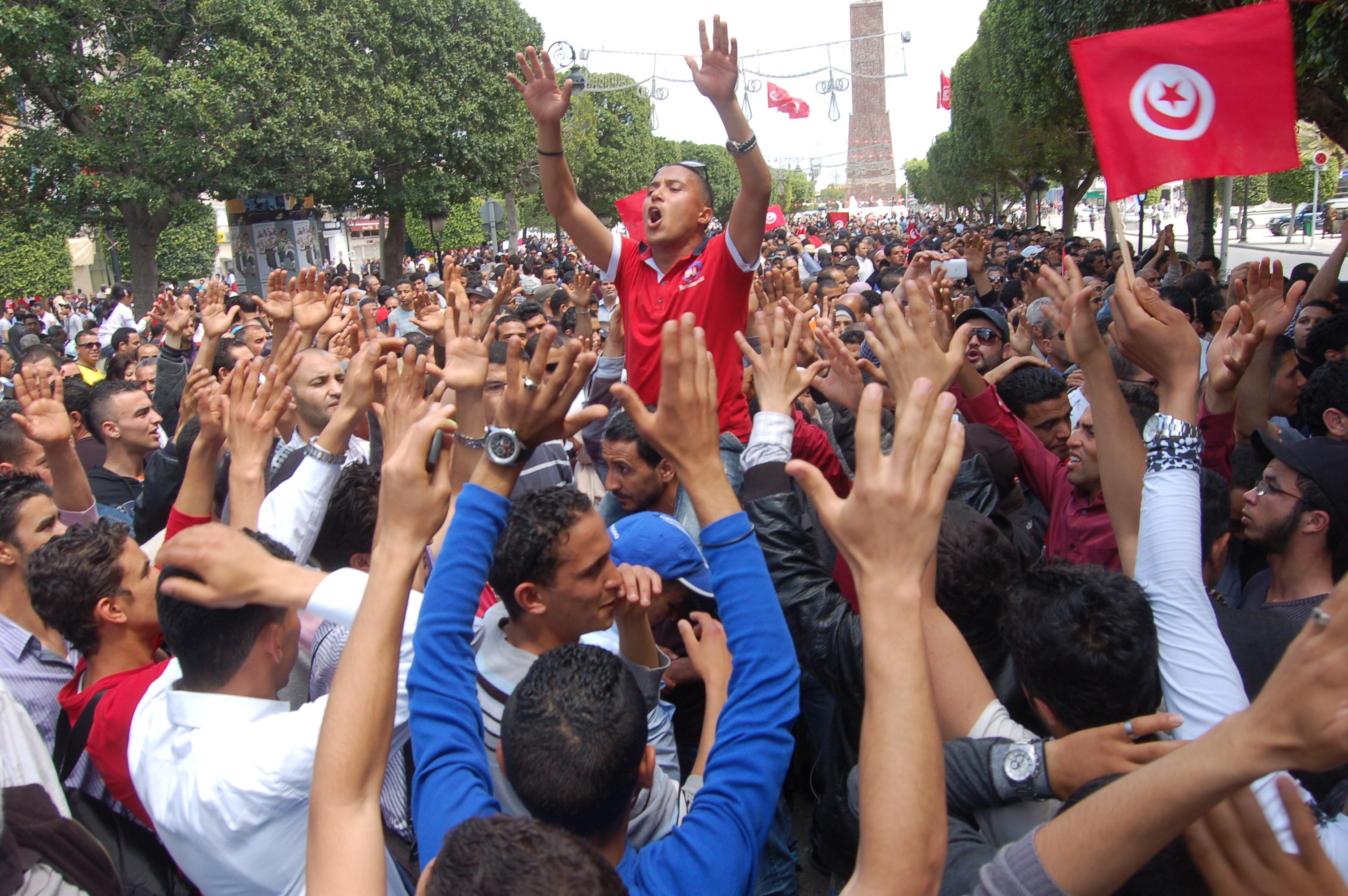
On 9 January, mother and daughter joined huge demonstrations on the outskirts of Tehran, protests that had begun the previous month over economic hardship and grown into calls for the end of the Islamic Republic. Sevda climbed onto a dustbin and began leading a chant. Samira remembers the security forces outnumbering the crowd, Basij and Revolutionary Guard units massed in the area.
Then, she says, a sniper fired from a rooftop. The bullet went through Sevda's heart. Samira got her daughter to hospital and was told doctors were operating; then a door opened and she saw Sevda zipped into a body bag. The body was taken away. It took Samira days to find her daughter at one of Tehran's largest morgues, where three other bodies were piled on top of her. “I died with every bag I unzipped,” she told Panorama.
What a 16-year-old died for on 9 January
The demonstrations that swallowed Iran began in late December 2025, when shopkeepers protested the sliding rial, and escalated into a nationwide movement against clerical rule. The nights of 8 and 9 January were by far the deadliest, according to state officials, foreign-based outlets and witnesses; a rare point of agreement. The day before Sevda was killed, crowds had been especially large after Reza Pahlavi, the exiled son of Iran's last shah, called for demonstrations; Samira says a shoot-to-kill order was announced the next day.
The toll is bitterly disputed: Iranian authorities acknowledge more than 3,000 dead, the Martyrs Foundation citing 3,117 and calling the rest “terrorists”; HRANA, the US-based monitor, estimates more than 7,000, most of them protesters. Decisively, Iran's own medical examiner told state media that many victims were shot in the chest or head from rooftops; independent corroboration of exactly the killing Samira describes. On 8 January, Trump had warned Tehran of very hard retaliation if protesters were killed; the attorney general warned protesters would face the death-penalty charge of “enmity of God”.
The year did not stop at the crackdown: in late February the US and Israel launched a joint attack on Iran, triggering the Middle East war that became a referendum question in America's midterms, with diplomatic efforts to end it still unresolved. And the prosecutions continued; Siavash Jamshidi was executed on 3 October for protest-linked offences including moharebeh.
What no court has established about the deadliest nights
Whether a shoot-to-kill order was formally issued remains unproven: Samira says it was announced; Tehran's narrative, repeated by its embassy in London to Panorama, is that peaceful protests were hijacked by foreign powers, with the US promoting violence and supplying weapons. The identity of the rooftop shooter who killed Sevda is unknown, and no official has been tried for her death.
Other facts sit in the same fog. The true toll cannot be fixed while official and monitor counts differ by thousands and blackouts block independent access. What happened to the man Samira named online, later found dead, with nine arrested per Iranian state media, is unverified beyond the BBC's reporting. Whether her in-absentia moharebeh charge will ever reach a courtroom is unknowable. And the largest unknown: whether the February war; and Trump's stated intent to keep striking targets in Iran; ended the regime's hunt for dissidents or gave it permanent cover.
What one family's refusal reveals about a regime fighting for survival
Samira's story exposes the machinery Tehran built to survive January. To take Sevda's body for burial she was forced to declare that “terrorists”, not the security forces, had killed her daughter. She was barred from visiting the grave or raising a tombstone. Days before the 40-day rites, a date of deep significance in Iranian culture, a local branch of the Ministry of Intelligence summoned her with an offer: say on television that Sevda was a Basiji killed by protesters, and she would be declared a martyr's mother, with a house or any perks she wanted.
She refused and fled as soon as the 40th day was over; smugglers guiding her across rivers and mountains until, The Sun reports, she reached Erbil, Iraq, on 27 February. The charges followed: in absentia, offences from insulting the leader to moharebeh, “waging war against God”. The pattern is not personal: at least 29 men arrested over January had been executed by August, the UN Fact-Finding Mission found. When grief itself is prosecuted as enmity against God, even mourning is treason; and a cosmetics saleswoman becomes, in her own words, “a one-woman army fighting the regime.”
How grief became evidence; and evidence became a target
Strip the story to its mechanics and a new kind of justice appears. Samira has no court, no prosecutor, no police file she can trust; so she built the only tribunal available: a public, online ledger of names. Each name she publishes of a security man or official she believes fired on 8 and 9 January is an accusation without a courtroom, but it is not empty. In a system where the state buries the dead under forced confessions and martyr bargains, naming is the one evidence-preservation tool the bereaved control. That is why the regime answered with a $5,000 bounty: the campaign threatens the anonymity the crackdown's foot soldiers depend on.
The demography of power matters. Samira was not an activist; Sevda's idols were Mahsa Amini and Nika Shakarami, and the mother now hunting shooters is the product of a state that killed the apolitical. Geopolitical pressure (Trump's warnings, then the February war) raised the stakes; the economic collapse supplied the crowds; the memory of 2022 supplied the courage; exile media supplied the megaphone; and the demographic reality, a young country, hundreds of dead children, supplies a fury no bounty can buy off.
Why a mother refuses to go silent
The second-order effects radiate from one morgue visit. First, the martyrdom-bargain economy: Tehran's offer, say your daughter was a Basiji, take a house, reveals a state that purchases the dead to rewrite the living. Second, grave control as governance: barring visits, blocking tombstones, threatening exhumation; the cemetery becomes a checkpoint. Third, the inversion of deterrence: charging a grieving mother with moharebeh was meant to terrify; it manufactured the regime's most determined adversary, who vows to fight “until my last breath.”
Fourth, the diaspora pipeline: Samira shared Sevda's story with a London-based Iranian outlet the moment the internet returned, and the ministry's panic, the summons came days later, shows how exile media now functions as Iran's opposition press. Fifth, the sanctions-and-war layer: with the February conflict and the UN mission documenting executions, every name Samira publishes feeds dossiers that outlive news cycles. The regime can raid a vigil; it cannot raid a name already published.
What a 16-year-old's death demands of the living
Tonight's Panorama broadcast puts Samira's naming campaign before a global audience, and the immediate question is her safety: a $5,000 bounty, a moharebeh charge carrying the death penalty, and a state that raided her daughter's birthday vigil suggest the hunt will not stop. The regime's likeliest moves are asymmetric; pressure on relatives inside Iran, disinformation about the named men, and use of the nine arrests as a warning.
Longer term, three tracks matter. The legal track: the UN Fact-Finding Mission's mandate was extended in January to cover exactly these violations, and its dossiers, 221 children dead, 29 executed since March, are the closest thing to a case file the January dead have. The political track: Washington's war posture decides how much cover Tehran keeps. And the human track: Samira says she is “stuck in January 9th”. The Bureau will keep following all three; because a story that begins with a mother unzipping body bags does not end when the credits roll.
The three lenses
West Lens:
The Western telling is an accountability story. BBC Panorama, with filmmaker Gesbeen Mohammad, who also filmed secretly inside Iran, frames Samira as a witness the state cannot silence: the morgue search, the forced confession, the ministry's martyr bargain, the mountain escape. The Sun adds the texture; the bounty on her head, the videocall vigil cut out mid-raid.
East Lens:
The East Asian telling is a stability-and-war story. Singapore's CNA covered the crackdown at its peak; Trump's military threats, foreign minister Araqchi insisting Iran was “ready for war but also for dialogue”. The Straits Times later confirmed the war's arrival: the late-February US–Israeli joint attack that triggered the Middle East war, and the 3 October execution of Siavash Jamshidi for moharebeh.
South Lens:
The Global South telling is a contested-numbers story. Al Jazeera published the most forensic accounting: the Martyrs Foundation's 3,117, HRANA's 4,519 confirmed with 9,049 under review, Khamenei's own admission that “several thousands” had died. Its ‘narrative war’ investigation also corroborates Samira: Iran's medical examiner saying victims were shot in the chest or head from rooftops.
The consensus
- What we agree on
- We agree: the verified core is not in dispute; on 9 January 2026, 16-year-old Sevda was shot dead during protests on the outskirts of Tehran; her mother Samira, a cosmetics saleswoman, found the body days later at a Tehran morgue, was forced to attribute the death to 'terrorists' to secure a burial, refused a ministry offer of martyr-status perks for a false account, fled Iran after the 40th-day rites, and is now charged in absentia with offences including moharebeh while publishing the names of security men she holds responsible.
- What we don't agree on
- We disagree: on what the January crackdown was; Tehran's Martyrs Foundation counts 3,117 dead and calls the rest 'terrorists' steered by foreign powers, while HRANA documents more than 7,000 dead, most of them protesters, and the BBC's witness accounts describe a shoot-to-kill order and rooftop snipers; the Iranian embassy in London told Panorama the US promoted violence and supplied weapons.
- What we know
- We know: the full factual record; the protests began in late December 2025 over the rial's collapse and escalated into calls to end the Islamic Republic; 8 and 9 January were the deadliest nights by the account of state officials, foreign monitors and witnesses alike; Iran's own medical examiner said many victims were shot in the chest or head from rooftops; Trump warned Tehran on 8 January of very hard retaliation if protesters were killed; Samira reached Erbil, Iraq, on 27 February; and a $5,000 reward has been offered for her whereabouts.
- What we don't know yet
- We do not know yet: whether any shoot-to-kill order was formally issued; the identity of the rooftop shooter who killed Sevda; what happened to the man Samira named online who was later found dead; whether her moharebeh charge will ever reach a courtroom; the true death toll, with official and monitor counts thousands apart; and whether the late-February US–Israeli war ended or entrenched the regime's hunt for people like her.
- What we expect
- We expect: the Panorama broadcast tonight to carry Samira's naming campaign to a global audience; Tehran to treat her as a security target rather than a grieving mother; the bounty to make her exile permanent; the regime's forced-confession machinery to keep producing televised 'terrorist' narratives over grieving families; and the January dead, especially the 221 children counted by the UN Fact-Finding Mission, to remain the moral charge sheet the Islamic Republic cannot answer.
Questions, answered
Who are Samira and Sevda?
Samira is an Iranian woman who worked in cosmetics sales and describes herself as previously apolitical; Sevda was her only child, a 16-year-old who admired Mahsa Amini and Nika Shakarami. On 9 January 2026, Sevda was shot dead by a rooftop sniper while leading a protest chant on the outskirts of Tehran. Samira now lives abroad in hiding and is the subject of a BBC Panorama documentary.
What is moharebeh, the charge hanging over Samira?
Moharebeh means 'enmity against God' or 'waging war against God' under Iranian law, and it can carry the death penalty. Samira says she was charged in absentia with a string of offences including moharebeh after giving interviews to foreign media from exile. The charge is not symbolic: Iran executed Siavash Jamshidi on 3 October for protest-linked offences including moharebeh, and the UN mission says 29 men were executed between March and August.
How many people died in Iran's January protests?
The toll is bitterly disputed. Iranian authorities acknowledge more than 3,000 dead, with the Martyrs Foundation citing 3,117 and calling the remainder 'terrorists'. The US-based monitor HRANA estimates more than 7,000 dead, most of them protesters, including hundreds of children. The UN Fact-Finding Mission reported at least 221 children killed. All sides agree the nights of 8 and 9 January were the deadliest.
What corroborates Samira's rooftop-sniper account?
Two independent lines of evidence. First, Iran's own medical examiner authority told state media that many January victims were shot in the chest or head from rooftops, as reported by Al Jazeera. Second, the broader pattern is documented: HRANA verified thousands of protester deaths, the UN mission documented mass arrests and executions, and the BBC's own reporting describes snipers firing from rooftops across multiple cities on 8 and 9 January.
Sources
- BBC (Nov 2, 2026)
- Al Jazeera (Jan 21, 2026)
- Al Jazeera (Jan 19, 2026)