 MAGNA BUREAU
The Wire
Hegseth signs US–Venezuela military pact in Caracas; and calls it the Donroe Doctrine
The US defence secretary’s surprise visit restores a military partnership suspended for more than two decades, tightens Washington’s hold on Venezuela’s oil and security, and carries the same message on to Colombia.
Key points
- What: US Defense Secretary Pete Hegseth announced a new military cooperation agreement with Venezuela on Wednesday, 18 November 2026, during a surprise visit to Caracas; his first trip to the country since US special forces deposed President Nicolás Maduro in a January raid. 1
- The deal: The agreement covers joint training, intelligence sharing, defence equipment and access to new military technologies. Hegseth signed it with Defence Minister Gustavo González López at Miraflores Palace, in the Simón Bolívar Hall, in the presence of interim President Delcy Rodríguez. 8
- The message: Hegseth said Venezuela had gone from “our most aggressive regional threat to a compliant security partner”, and told the drug trafficking groups the administration calls narco-terrorists: “We will hunt you down. We will find you. And we will kill you.” 1
- The oil: The pact follows an August deal giving North American Blue Energy Partners (NABEP) long-term access to 17 oilfields holding about a fifth of Venezuela’s reserves, with the US taking a 35% stake in NABEP’s parent. NABEP plans to produce more than 250,000 barrels a day by year-end, up from 224,000 in mid-October. 5
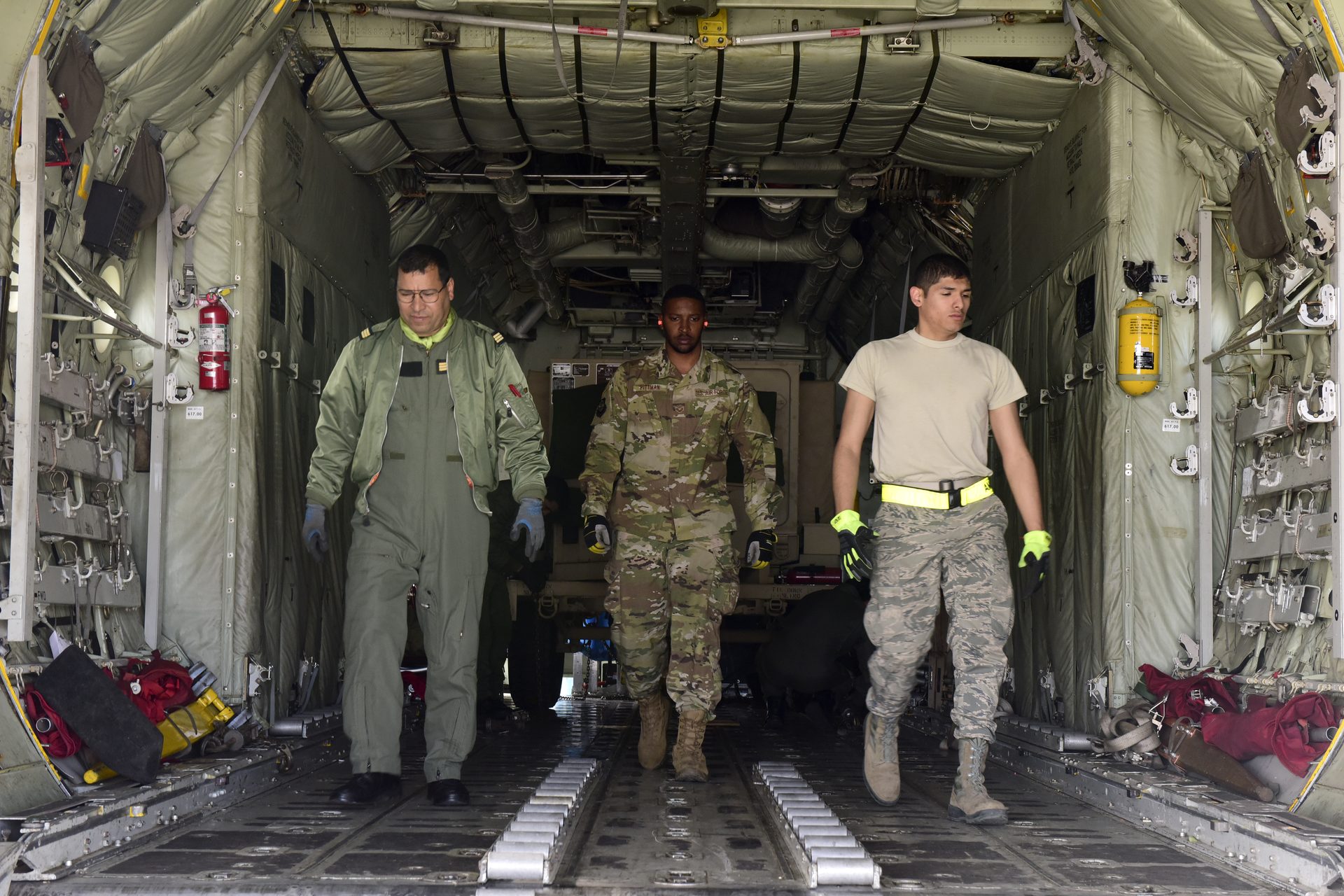
- The next stop: Hegseth flew on to Colombia the same day to deliver a C-130 Hercules aircraft and discuss security cooperation. The New York Times reported that Colombia’s President Abelardo De La Espriella had rejected a plan for joint strikes on armed groups; he later denied the report. 5
ONE EVENT. THREE READINGS.
From Washington, London and Brussels, the story reads as a fait accompli made formal.
Western coverage, the Associated Press, CNN and Reuters, stresses the same two facts: the deal is, in Hegseth’s word, “historic”, and almost nothing is known about its contents.
What this reading highlights: The emphasis falls on the questions the Pentagon would not answer: the timeline, the scope, the equipment, and the legality of the boat strikes that have killed more than 200 people.
The midterm shadow hangs over the reporting too: a defence secretary selling a foreign-policy success two weeks after his party lost ground over an unpopular war.
Sources: Reuters (1), Associated Press (1), CNN (1)
From Seoul, the story arrives largely through the wires: The Korea Herald carries the Associated Press account, The Korea Times the Reuters one, both straight and unsentimental.
Vietnam’s state media goes further, framing the signing as the restoration of a military-technical relationship suspended since 2005, a 21-year interruption ended in the Simón Bolívar Hall, and putting the oil arithmetic first: 17 fields, an estimated 65 billion barrels.
What this reading highlights: The Asian lens reads the pact as an energy story with a ceremony attached, and watches what a United States anchored in Venezuelan crude means for oil markets hostage to the Strait of Hormuz.
Sources: The Korea Times (1), The Korea Herald (1), Vietnam.vn (1)
The story is told as a question of sovereignty.
Al Jazeera leads with the abduction of Maduro on 3 January, Trump’s promise to “run” Venezuela, and the charge that Washington is reducing the country to a vassal state while leaving the old government largely intact.
What this reading highlights: The Daily Maverick, carrying the Reuters wire from Johannesburg, puts the oil deal’s figures in the foreground; the fifth of the reserves, the 35% stake, the 250,000 barrels a day.
From Caracas itself, the telling is different again: a resumption, on the interim government’s terms, of a relationship it says will strengthen its armed forces.
Sources: Al Jazeera (1), Daily Maverick (1)
Sources by lens: 3 West, 3 East, 2 Global South. See every source
THE POINT OF CONVERGENCE
On the facts. Hegseth visited Caracas on 18 November 2026, announced a military cooperation agreement with Venezuela’s interim government covering joint training, intelligence sharing and defence equipment, and flew on to Colombia the same day to deliver a C-130 aircraft. Neither side has published the text of the agreement.
WHAT REMAINS CONTESTED
On what the pact means. Washington presents it as a partnership against narco-terrorism and a stabilisation of Venezuela. Critics call it the reduction of Venezuela to a vassal state and the capture of its oil. Caracas presents it as the resumption of a technical-military relationship, suspended since 2005, on sovereign terms.
The story
What did Hegseth actually sign in Caracas?
United States Defense Secretary Pete Hegseth signed a military cooperation agreement with Venezuela on Wednesday, 18 November, during a surprise visit to Caracas; his first trip to the country since American special forces seized President Nicolás Maduro in a raid on the capital in January. The signing took place at Miraflores Palace, in the Simón Bolívar Hall, where Hegseth put his name to the text alongside Venezuelan Defence Minister Gustavo González López, in the presence of interim President Delcy Rodríguez, Foreign Minister Oliver Blanco and the US chargé d’affaires, John Barrett. State television broadcast the ceremony.
The agreement covers joint training, intelligence sharing, defence equipment and access to new military technologies, and, according to Reuters, strengthening military forces and border security. Rodríguez called it a resumption of the technical-military relationship between the two countries, to be brought to its highest possible level. At the US embassy later, Hegseth called the pact historic and declared that Venezuela had gone from “our most aggressive regional threat to a compliant security partner”. His warning to the trafficking groups the administration calls narco-terrorists was blunt: “We will hunt you down. We will find you. And we will kill you.” The Pentagon offered no further details, and neither side published the text.
What is on the record about the pact?
The visit was unannounced: the Pentagon gave Hegseth no public schedule, and the trip became known only when state television showed him at Miraflores. It was the highest-level American visit since the January operation, in which US forces captured Maduro on 3 January; Rodríguez, his former vice-president, was sworn in as interim president on 5 January. Since then, the Trump administration has moved quickly to shape the country’s future, above all on energy. In August, a deal granted North American Blue Energy Partners, or NABEP, long-term access to 17 oilfields holding about a fifth of Venezuela’s reserves, with the United States taking a 35% stake in NABEP’s parent, a guaranteed share of output and first refusal on the rest. NABEP plans to produce more than 250,000 barrels a day by year-end, up from 224,000 in mid-October.
The political backdrop matters. Hegseth arrived two weeks after voter anger over the war with Iran helped drive an election defeat for the president’s Republican Party in Congress. The nearly nine-month-old conflict has driven up petrol prices worldwide, as Iran fires on tankers in the Strait of Hormuz; and Hegseth said the Venezuela oil deal “makes the Strait of Hormuz a non-factor for the Western Hemisphere”. He also arrived weeks after House Republicans blocked an impeachment effort against him. Trump has said he planned to .run. Venezuela, and told The Atlantic that Rodríguez could “pay a very big price, probably bigger than Maduro” if she refused to comply with American demands.
At the US embassy later, Hegseth called the pact historic and declared that Venezuela had gone from “our most aggressive regional threat to a compliant security partner”.
What has neither side put on paper yet?
Almost everything that would let the pact be judged on its substance. No text has been published, the Pentagon has given no details, and, as CNN noted, the timeline and scope of the deal remain unclear. We do not know what equipment the United States will supply, whether American trainers or advisers will be stationed in Venezuela, how long the arrangement runs, or what it costs either side.
The Colombia leg is equally unsettled. The New York Times reported on Wednesday that Colombia’s new president, Abelardo De La Espriella, had rejected an American plan for joint strikes on Colombian armed groups because of a lack of votes in Congress; a US official confirmed concerns in Bogotá about congressional support but did not say De La Espriella had rejected the plan outright. Later on Wednesday, De La Espriella denied the report, saying he had rejected no proposal, that cooperation focused on strengthening Colombia’s security forces, and that any deployment of foreign forces would require congressional approval. His foreign minister, Omar Bula, said the same. Until the Pentagon or Miraflores publishes the Caracas text, the pact’s real weight will be read from what happens next, not from what was signed.
Why does a military pact change the Venezuela story?
Because it turns a relationship built by force and oil into a formal alliance. Ten months ago, American special forces seized a sitting president in his capital; on Wednesday, the American defence secretary signed a partnership with the government that replaced him, in the same palace, before the cameras. The arc from the January raid to the November pact is now written into an agreement whose contents the public has not seen. Venezuela’s political standoff has been frozen since Maduro’s capture; the pact unfreezes it on Washington’s terms, giving the interim government American training, intelligence and equipment in exchange for cooperation against the trafficking networks; and, in practice, for the oil deal that already gives Washington a stake in the reserves.
It also matters because Hegseth gave the new order a name. The “Donroe Doctrine”, his play on the Monroe Doctrine, is a claim that the Americas are again an American sphere, policed by American power. That claim will be tested first in Colombia, where Congress decides whether foreign forces may operate. And it matters for the opposition: opposition leader María Corina Machado’s return home was supposed to open a democratic path; a military pact between Washington and the interim government narrows that space, and raises the question of who, in Caracas, the agreement ultimately serves.
How did a raid in January become a partnership in November?
In four steps, each making the next harder to reverse. First, the capture: American forces took Maduro on 3 January, and Delcy Rodríguez, his vice-president, was sworn in two days later, giving Washington an interlocutor who owed her position to the operation that removed her predecessor. Second, the pressure: Trump said openly that he planned to “run” Venezuela and warned Rodríguez of a “very big price” for non-compliance. Third, the oil: the August NABEP deal, brokered with Hegseth’s involvement according to Trump, gave Washington a 35% stake in the company now pumping a fifth of Venezuela’s reserves; a commercial lock-in that made a security lock-in logical. Fourth, the pact: Wednesday’s agreement gives that lock-in a uniform and a flag.
The timing is political as well as strategic. The administration lost ground in the midterms two weeks ago, with voters punishing it over the Iran war and petrol prices; Venezuela is the one theatre where it can show a result, and Hegseth needs one. The pact lets the administration present a country it seized by force as a partner it has won over. Whether that presentation survives contact with the region is the open question: Latin America’s regional shift has been towards governments that guard their sovereignty jealously, and protests against De La Espriella’s cuts in Colombia show how quickly a president’s room for manoeuvre narrows when Congress and the street push back.
What does the Donroe Doctrine mean for the region?
It means the Monroe Doctrine is back, renamed for its author and enforced with live fire. Hegseth invoked the 19th-century policy asserting American primacy across the Americas, the doctrine critics associate with decades of intervention, and rebranded it on the spot: “That is the Donroe Doctrine.” The words were spoken the same day American strikes on suspected drug boats, running since last year, passed 200 people killed. The message: Washington will act first and explain later, and cooperation is now the price of not being a target.
The second-order effects will show up in three places. In Bogotá, where any joint strike or foreign deployment needs Congress, and where the tax reform fight already strains De La Espriella’s majority. In the oil market, where the fields are estimated to hold 65 billion barrels but production has to rise first. And in the region’s capitals, where governments must decide whether the Caracas pact is a model, Trump has held Venezuela up as an example to be replicated in countries like Iran and Cuba, or a warning. For the Global South, the precedent is the sharpest part of the story: a government installed after a foreign raid has now signed its military future over to the power that carried out the raid.
What should we watch after Colombia?
Three things. First, the text: whether the Pentagon or Miraflores publishes the agreement, and what it says about equipment, personnel and duration; the details that decide whether this is training or basing. Second, Colombia: the C-130 handover, the fate of the joint-strikes proposal in Congress, and whether De La Espriella’s denial holds. Third, the numbers: NABEP’s production by year-end, the next cabinet-level visit to Caracas, and the reaction of Venezuela’s opposition and the region’s governments. If the pact is followed by a published text and rising output, the administration will call it stabilisation; if it is followed by silence and pushback in Bogotá, the Donroe Doctrine will look like a slogan in search of a policy.
What we agree on, and what remains open
Established
- On the facts. Hegseth visited Caracas on 18 November 2026, announced a military cooperation agreement with Venezuela’s interim government covering joint training, intelligence sharing and defence equipment, and flew on to Colombia the same day to deliver a C-130 aircraft. Neither side has published the text of the agreement.
Contested
- On what the pact means. Washington presents it as a partnership against narco-terrorism and a stabilisation of Venezuela. Critics call it the reduction of Venezuela to a vassal state and the capture of its oil. Caracas presents it as the resumption of a technical-military relationship, suspended since 2005, on sovereign terms.
Still open
- The text of the agreement, which the Pentagon has not released.
- Its timeline and scope.
- What equipment will be transferred.
- Whether American personnel will deploy.
- Whether joint strikes on Colombian armed groups will go ahead, after conflicting reports from Bogotá.
Questions, answered
They signed a military cooperation agreement on 18 November 2026 covering joint training, intelligence sharing, defence equipment and access to new military technologies. Hegseth signed it with Defence Minister Gustavo González López at Miraflores Palace, in the presence of interim President Delcy Rodríguez. Neither side has published the text, and the Pentagon has given no further details.
Rodríguez was Nicolás Maduro’s vice-president until American special forces captured him on 3 January 2026. She was sworn in as interim president on 5 January and has led the government since, cooperating closely with Washington on oil and security while insisting the relationship is sovereign. Trump has warned she could pay a very big price if she refuses American demands.
In August 2026, North American Blue Energy Partners won long-term access to 17 Venezuelan oilfields holding about a fifth of the country’s reserves, in a partnership with the US government. Washington took a 35% stake in NABEP’s parent, a guaranteed share of output and first refusal on the rest. NABEP plans to produce more than 250,000 barrels a day by year-end.
It is Hegseth’s name for a revived Monroe Doctrine, the 19th-century American policy asserting primacy across the Americas, rebranded with President Trump’s name. Speaking in Caracas, he said: “That is the Donroe Doctrine. Venezuela has gone from our most aggressive regional threat to a compliant security partner.” Critics associate the original doctrine with decades of intervention.
Hegseth flew to Bogotá on Wednesday to deliver a C-130 Hercules aircraft and discuss security cooperation. The New York Times reported that President Abelardo De La Espriella rejected a plan for joint strikes on armed groups; he later denied it, saying cooperation focused on strengthening Colombian forces and that any foreign deployment needs congressional approval.