
In 2008, the money stopped believing — in the mortgages, in the banks, in itself. Defaults on American subprime mortgages, cascading through 2007 and 2008, did not merely topple banks: they revealed the pillars of the global financial system as scaffolding — and when they fell, they fell together.
The story in images
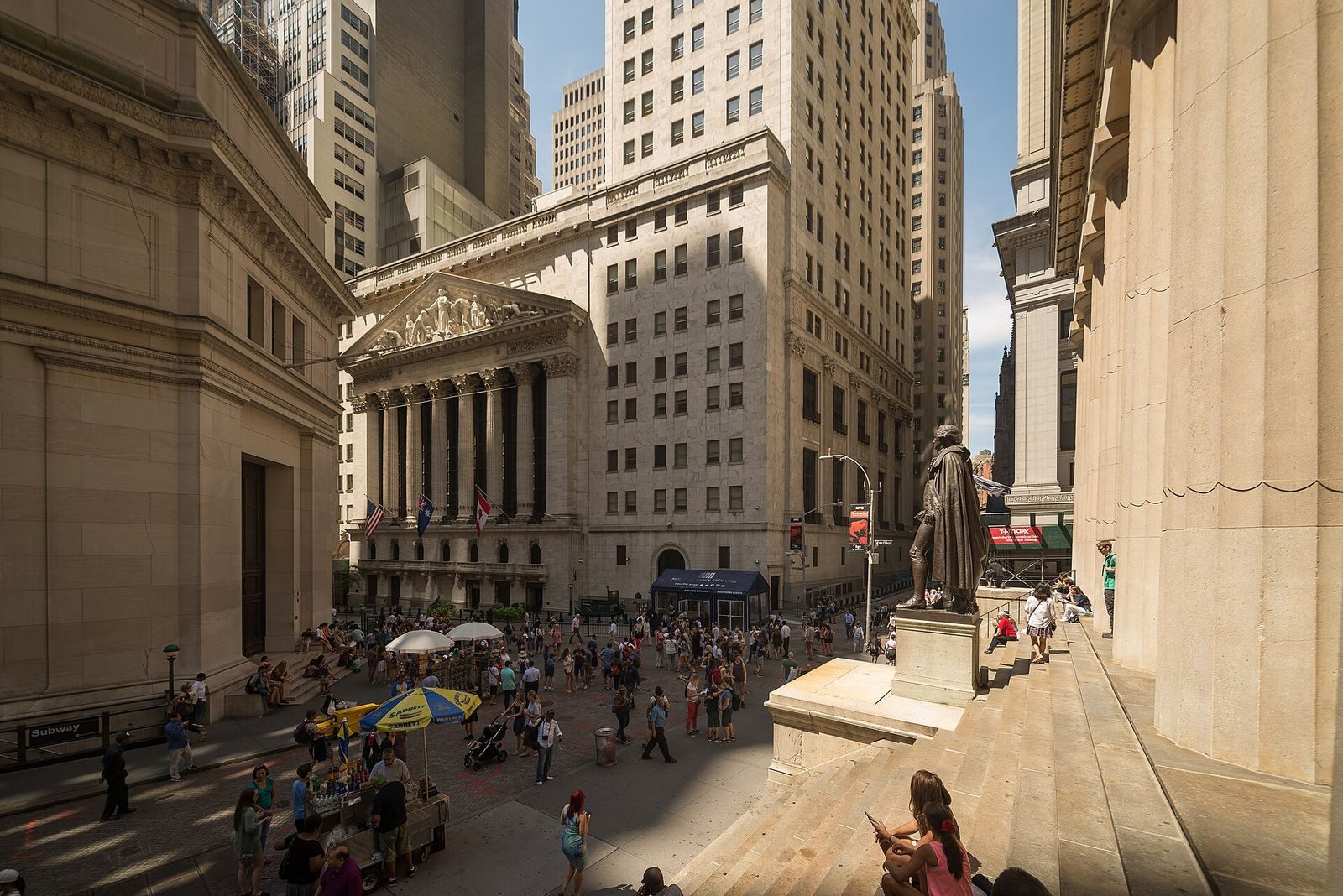
The crash in images
The rot
The crisis was compounding long before 2008. Defaults on American subprime mortgages — loans made to borrowers who could not repay them — cascaded through 2007 and into 2008, turning what the industry had sold as financial innovation into a contagion. The rot traveled from the American suburbs into the balance sheets of the world’s largest banks, and the system began to doubt its own foundations.
In March 2008, Bear Stearns — one of Wall Street’s oldest investment banks — was rescued through JPMorgan. The street exhaled: the system, it seemed, could still be saved bank by bank.
The fall
Then came the weekend the world still dates the crisis by. On September 15, 2008, Lehman Brothers filed for bankruptcy — and Washington let it fall. The shock was immediate and total: if Lehman could go, nothing was safe.
The next day, September 16, 2008, AIG was rescued with an $85 billion loan. The giant that had insured the system against risk had become the risk itself — and the state had to save it to save everything else.
The bailout
On October 3, 2008, the US Congress passed the $700 billion Troubled Asset Relief Program — TARP — a vast intervention to steady the financial system. The state had become the buyer, the guarantor, and the lender of last resort.
The legacy
The rescues stopped the panic; they did not stop the pain. A global recession followed, spreading from Wall Street to the world’s factory floors and high streets. The S&P 500 bottomed in March 2009 — the low-water mark of the crisis.
And the crisis had a sequel. In the eurozone, the wreckage of 2008 mutated into a sovereign debt crisis — Greece, in 2010, becoming its emblem. The year the money stopped believing closed with a new vocabulary — systemic risk, too big to fail — and a long, unfinished argument over what, exactly, had been saved.