Kyiv accuses Moscow of striking energy sites within hours of the announcement; the Kremlin refuses to confirm any deal, and the EU answers with its largest sanctions package since 2022.
Published 12 October 2026 · 18:00 GMT
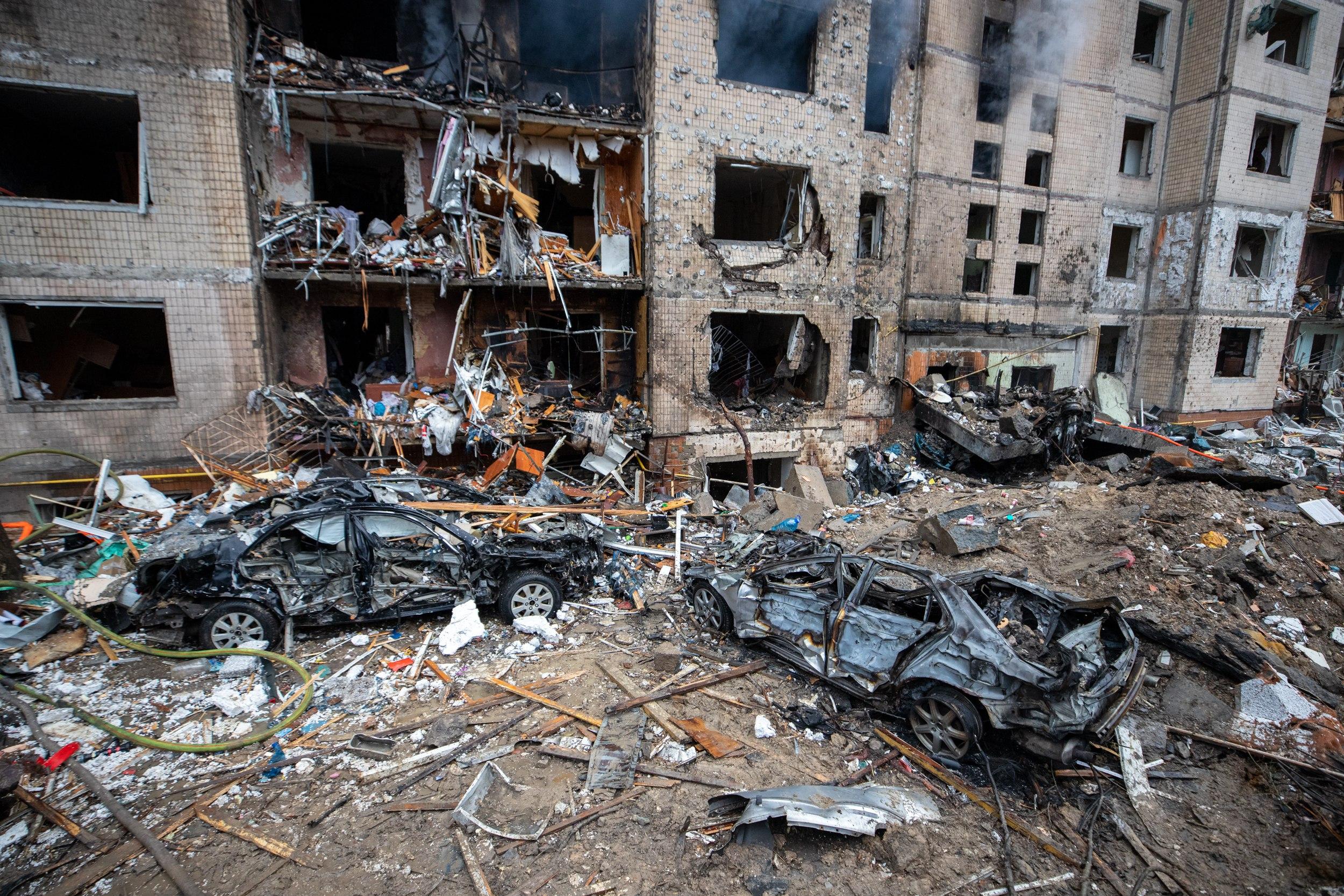
KYIV — One day after Donald Trump declared an “energy ceasefire” between Russia and Ukraine effective immediately, the arrangement is in tatters. Ukrainian President Volodymyr Zelensky told the Warsaw Security Forum on Monday that he had learned of the announcement “from the media,” accused Russia of already violating the supposed truce with strikes on a Kharkiv thermal power plant and other energy sites, and challenged the United States to enforce a deal Kyiv was never consulted on. Within hours of Sunday's Truth Social post, missiles and drones hit Ukrainian energy infrastructure; Moscow has refused to confirm any agreement; and the EU answered with its largest sanctions package since 2022. Kyiv says it will honour an energy truce if Russia does — but doubts Moscow is ready.
KYIV — Donald Trump's "energy ceasefire" lasted less than a day. On Monday, Ukrainian President Volodymyr Zelensky told the Warsaw Security Forum by video link that he had learned of the American president's weekend announcement "from the media," accused Russia of already violating the supposed truce, and challenged Washington to make Moscow respect a deal Kyiv says it never signed. The episode turned a Sunday Truth Social post — "Effective immediately, there is an ENERGY CEASEFIRE in the War between Russia and Ukraine. Both parties have agreed. Do not break it!" — into a live demonstration of how little such declarations weigh against the war's machinery.
Zelensky struck a careful line: Ukraine supports the idea and will honour it if Moscow does. "There were Russian violations of the energy ceasefire announced by President Trump," he said. He told the conference Ukraine had carried out no attacks on Russian refineries overnight and was ready to treat an energy truce as "a good first step" toward ending the war — but added bluntly: "I'm not sure that Putin is ready." As reported in yesterday's Magna Bureau evening article on the announcement, the declaration arrived without details on scope, duration, or verification.
There were Russian violations of the energy ceasefire announced by President Trump. — Volodymyr Zelensky
The Ukrainian president was explicit about the communication failure. "We've learnt that from the media as well, that the president of the United States has secured an energy ceasefire," he said, adding that Kyiv was "waiting for the details of the conditions between the Americans and Russians, and waiting to see one specific step the Americans are ready to take." It was the same message he had given Axios on Sunday, when he called the announcement "news for me" — while publicly welcoming it as "good news for everyone.
The blindsiding appears to have been a feature, not an accident. Trump announced the deal a day after publicly warning Zelensky that he had "better damn well stop" attacking Russian refineries and urging Ukrainians to replace their wartime leader in new elections. On Friday, Washington had already eased its own sanctions to let Russian diesel flow onto world markets. European allies were blindsided alongside Kyiv — and the pattern is repeating: in mid-September, Trump made a near-identical energy-ceasefire claim that neither side ever confirmed, after which strikes on refineries and power stations resumed almost immediately.
Kyiv's wariness runs deeper than wounded protocol. Ukraine's drone campaign against Russian refineries is one of its few levers of pressure on Moscow's war economy, and officials fear any deal that forces them to lay it down unilaterally. Zelensky made the bargain explicit: if Russia wants Kyiv to suspend those attacks, it must stop hitting Ukraine's energy system and critical infrastructure. Meanwhile, Washington is applying pressure on its own ally — a person familiar with the matter told Reuters the United States had threatened to cut off intelligence sharing with Ukraine and weapons supplied through the Prioritised Ukraine Requirements List (PURL) system if Kyiv did not comply.
Within hours of Trump's Sunday post, Ukrainian officials reported fresh Russian strikes on energy targets. A jet-powered drone hit a gas production facility in Ukraine at midnight; a petrol station was struck by several drones; and in the northeastern city of Kharkiv, missiles slammed into Thermal Power Plant No. 5. Witness Nataliia Minka told Reuters she had reached a shelter with her child just in time: "Ten minutes had passed since they promised they wouldn't target energy facilities, and there have already been five strikes. My child and I saw a missile hit Thermal Power Plant No. 5 and watched it burn there.
The attacks did not stop at sunrise. Kharkiv's mayor, Ihor Terekhov, said at least 12 people were wounded in several Russian attacks on Monday morning, and Ukrainian officials said Russian strikes had killed six people in two different cities on Sunday. In the capital, a Shahed drone hit a Kyiv power plant, knocking out electricity across districts and leaving residents without water for much of the day. Zelensky said Ukraine's skies had been "infested with Russian 'shaheds' all day" — glide bombs and strikes on energy infrastructure alongside them. Ordinary Ukrainians met the announcement with the scepticism of long experience: "Unfortunately, the Russian aggressor often fails to comply," 37-year-old civil servant Vira told Reuters. "There's no point in believing that we'll be saved tomorrow.
Moscow's answer, so far, is silence on the substance and scorn on the margins. Kremlin spokesman Dmitry Peskov refused to say whether any agreement had been reached: "Contacts are continuing. As soon as we have anything to say on this matter, we will be sure to let you know." Asked separately about Kyiv's call for a 60-day total ceasefire to enable elections, he was sharper: "We don't want a ceasefire, we want long-term peace." Foreign Minister Sergei Lavrov added on Monday that Zelensky did not "deserve" a two-month truce to hold a poll: "I do not think he deserves a respite." Earlier, on October 8, Peskov had told reporters that Kyiv was proposing a ceasefire in the area that is its "Achilles' heel" — the energy sector — and Russian officials have signalled they want sanctions concessions before agreeing to anything.
On elections, Zelensky has tried to turn Trump's pressure back on Moscow. Elections have been suspended in Ukraine since the 2022 Russian invasion, and the Ukrainian president said he would call a vote if Putin agreed to a 60-day ceasefire — stressing it was "up to Ukrainians" to choose their leader. Trump had echoed Russian calls for a new Ukrainian president on Saturday; Zelensky's counteroffer frames the ballot as something Moscow must earn by stopping the killing, not something Washington grants by fiat. The deeper record is instructive: Ukraine's drone strikes on Russian refineries are the asymmetry Kyiv is being asked to surrender, while Ukraine's power grid is the target Russia has never stopped hitting.
Behind the announcement sits a domestic American calculation. Trump blames Ukraine's refinery strikes for a rise in diesel prices that is hurting his Republican Party ahead of next month's midterm elections. On Friday he temporarily eased US sanctions to let Russian diesel onto world markets — more than 300,000 tonnes shipped immediately, 500,000 tonnes in November and a further million tonnes to follow, according to his own account — and markets noticed: oil and diesel prices eased on Monday. Zelensky has rejected the blame, insisting that "everybody in the world" knew the war in the Middle East was the bigger factor in fuel prices. The Treasury has issued a licence covering the Russian cargoes until April 2027, entangling American energy policy directly with the war's conduct.
Europe, caught between the announcement and the strikes, chose pressure over celebration. EU ministers meeting in Luxembourg adopted nearly 1,600 new sanctions listings targeting Russia's military-industrial complex — the bloc's largest package since the full-scale invasion began in 2022 — with foreign policy chief Kaja Kallas noting that more than half are connected to the ballistic-missile production chain. Kallas said she would prefer a ceasefire "which includes people not being killed" and urged Washington to keep sanctions pressure on Moscow so the war could "actually" be finished. French President Emmanuel Macron said he had seen no signs in the last 48 hours of Russia respecting any form of energy ceasefire. Germany's Europe minister, Gunther Krichbaum, struck a more loyal note, saying he expected the United States to remain a reliable partner.
Zelensky's closing argument was an appeal to enforcement, not to hope: "This energy ceasefire, it can work, and it can become a major step toward ending the war if the Americans truly step in now and make sure Russians respect it." It is the second time since mid-September that a Trump-declared energy truce has arrived unconfirmed by either belligerent and been followed by burning power plants. Whether Monday's unraveling hardens into something real or dissolves into the familiar pattern — a Sunday post, a Monday of strikes, a Tuesday of denials — now depends on what Washington does when the party it claims to have a deal with says it never saw the terms.
T
h
e
W
e
s
t
e
r
n
r
e
a
d
i
n
g
t
r
e
a
t
s
M
o
n
d
a
y
a
s
c
o
n
f
i
r
m
a
t
i
o
n
o
f
a
p
a
t
t
e
r
n
:
T
r
u
m
p
a
n
n
o
u
n
c
e
s
,
M
o
s
c
o
w
i
g
n
o
r
e
s
,
K
y
i
v
a
b
s
o
r
b
s
t
h
e
b
l
o
w
.
E
u
r
o
p
e
a
n
c
a
p
i
t
a
l
s
w
e
r
e
b
l
i
n
d
s
i
d
e
d
a
l
o
n
g
s
i
d
e
U
k
r
a
i
n
e
,
a
n
d
t
h
e
i
r
r
e
s
p
o
n
s
e
—
n
e
a
r
l
y
1
,
6
0
0
n
e
w
s
a
n
c
t
i
o
n
s
l
i
s
t
i
n
g
s
,
K
a
l
l
a
s
'
s
d
e
m
a
n
d
f
o
r
a
c
e
a
s
e
f
i
r
e
"
w
h
i
c
h
i
n
c
l
u
d
e
s
p
e
o
p
l
e
n
o
t
b
e
i
n
g
k
i
l
l
e
d
,
"
M
a
c
r
o
n
'
s
f
l
a
t
d
e
n
i
a
l
t
h
a
t
R
u
s
s
i
a
r
e
s
p
e
c
t
s
a
n
y
t
h
i
n
g
—
s
i
g
n
a
l
s
t
h
a
t
t
h
e
E
U
w
i
l
l
n
o
t
s
u
b
c
o
n
t
r
a
c
t
i
t
s
R
u
s
s
i
a
p
o
l
i
c
y
t
o
T
r
u
t
h
S
o
c
i
a
l
p
o
s
t
s
.
W
a
s
h
i
n
g
t
o
n
'
s
r
e
p
o
r
t
e
d
t
h
r
e
a
t
t
o
c
u
t
i
n
t
e
l
l
i
g
e
n
c
e
s
h
a
r
i
n
g
a
n
d
P
U
R
L
w
e
a
p
o
n
s
t
o
c
o
e
r
c
e
K
y
i
v
r
e
a
d
s
i
n
t
h
i
s
l
e
n
s
a
s
p
r
e
s
s
u
r
e
a
p
p
l
i
e
d
t
o
t
h
e
w
r
o
n
g
p
a
r
t
y
:
t
h
e
v
i
o
l
a
t
o
r
i
s
t
h
e
s
i
d
e
h
i
t
t
i
n
g
p
o
w
e
r
p
l
a
n
t
s
,
n
o
t
t
h
e
s
i
d
e
h
i
t
t
i
n
g
r
e
f
i
n
e
r
i
e
s
.
T
h
e
d
i
e
s
e
l
d
e
a
l
,
e
a
s
i
n
g
s
a
n
c
t
i
o
n
s
f
o
r
c
h
e
a
p
e
r
f
u
e
l
a
h
e
a
d
o
f
t
h
e
m
i
d
t
e
r
m
s
,
l
o
o
k
s
l
i
k
e
e
n
e
r
g
y
s
e
c
u
r
i
t
y
t
r
a
d
e
d
f
o
r
l
e
v
e
r
a
g
e
—
a
s
w
a
p
t
h
a
t
r
e
w
a
r
d
s
t
h
e
a
g
g
r
e
s
s
o
r
'
s
e
x
p
o
r
t
s
w
h
i
l
e
p
u
n
i
s
h
i
n
g
t
h
e
d
e
f
e
n
d
e
r
'
s
c
a
m
p
a
i
g
n
.
M
o
n
d
a
y
'
s
l
e
s
s
o
n
:
a
n
a
n
n
o
u
n
c
e
m
e
n
t
w
i
t
h
o
u
t
v
e
r
i
f
i
c
a
t
i
o
n
i
s
n
o
t
d
i
p
l
o
m
a
c
y
;
i
t
i
s
a
p
r
e
s
s
r
e
l
e
a
s
e
t
h
e
K
r
e
m
l
i
n
c
a
n
p
o
c
k
e
t
.
F
r
o
m
t
h
e
E
a
s
t
e
r
n
p
e
r
s
p
e
c
t
i
v
e
,
t
h
e
e
p
i
s
o
d
e
i
l
l
u
s
t
r
a
t
e
s
A
m
e
r
i
c
a
n
u
n
i
l
a
t
e
r
a
l
i
s
m
c
o
l
l
a
p
s
i
n
g
o
n
c
o
n
t
a
c
t
w
i
t
h
r
e
a
l
i
t
y
.
M
o
s
c
o
w
'
s
p
o
s
i
t
i
o
n
i
s
c
o
n
s
i
s
t
e
n
t
:
i
t
n
e
v
e
r
a
g
r
e
e
d
t
o
a
n
y
t
h
i
n
g
,
a
n
d
P
e
s
k
o
v
'
s
"
c
o
n
t
a
c
t
s
a
r
e
c
o
n
t
i
n
u
i
n
g
"
i
s
t
h
e
s
t
a
n
d
a
r
d
f
o
r
m
u
l
a
t
i
o
n
f
o
r
t
a
l
k
s
t
h
a
t
e
x
i
s
t
b
u
t
h
a
v
e
p
r
o
d
u
c
e
d
n
o
t
h
i
n
g
.
T
h
e
R
u
s
s
i
a
n
r
e
a
d
i
n
g
h
o
l
d
s
t
h
a
t
K
y
i
v
'
s
r
e
f
i
n
e
r
y
c
a
m
p
a
i
g
n
—
t
h
e
a
t
t
a
c
k
s
W
a
s
h
i
n
g
t
o
n
n
o
w
w
a
n
t
s
s
t
o
p
p
e
d
—
w
a
s
i
t
s
e
l
f
t
h
e
e
s
c
a
l
a
t
i
o
n
,
t
a
r
g
e
t
i
n
g
c
i
v
i
l
i
a
n
-
a
d
j
a
c
e
n
t
e
c
o
n
o
m
i
c
i
n
f
r
a
s
t
r
u
c
t
u
r
e
,
w
h
i
l
e
R
u
s
s
i
a
n
s
t
r
i
k
e
s
o
n
U
k
r
a
i
n
i
a
n
e
n
e
r
g
y
a
r
e
f
r
a
m
e
d
a
s
r
e
s
p
o
n
s
e
s
t
o
U
k
r
a
i
n
i
a
n
o
p
e
r
a
t
i
o
n
s
.
L
a
v
r
o
v
'
s
d
i
s
m
i
s
s
a
l
o
f
t
h
e
6
0
-
d
a
y
t
r
u
c
e
a
n
d
t
h
e
d
e
m
a
n
d
f
o
r
s
a
n
c
t
i
o
n
s
c
o
n
c
e
s
s
i
o
n
s
b
e
f
o
r
e
a
n
y
e
n
e
r
g
y
d
e
a
l
r
e
f
l
e
c
t
a
n
e
g
o
t
i
a
t
i
n
g
d
o
c
t
r
i
n
e
t
h
a
t
t
r
e
a
t
s
e
v
e
r
y
W
e
s
t
e
r
n
a
n
n
o
u
n
c
e
m
e
n
t
a
s
o
p
e
n
i
n
g
b
i
d
,
n
o
t
o
u
t
c
o
m
e
.
I
n
t
h
i
s
l
e
n
s
,
T
r
u
m
p
'
s
p
o
s
t
w
a
s
n
e
v
e
r
a
d
d
r
e
s
s
e
d
t
o
t
h
e
K
r
e
m
l
i
n
—
"
P
u
t
i
n
d
o
e
s
n
o
t
r
e
a
d
T
r
u
t
h
S
o
c
i
a
l
,
"
a
s
Z
e
l
e
n
s
k
y
q
u
i
p
p
e
d
—
b
u
t
t
o
A
m
e
r
i
c
a
n
v
o
t
e
r
s
,
a
n
d
M
o
s
c
o
w
w
i
l
l
n
e
g
o
t
i
a
t
e
t
e
r
m
s
o
n
l
y
a
t
t
h
e
t
a
b
l
e
,
n
e
v
e
r
o
n
a
s
c
r
e
e
n
.
T
h
e
G
l
o
b
a
l
S
o
u
t
h
l
e
n
s
r
e
a
d
s
M
o
n
d
a
y
a
s
t
w
o
s
t
o
r
i
e
s
i
n
o
n
e
.
T
h
e
f
i
r
s
t
i
s
a
b
o
u
t
e
n
e
r
g
y
m
a
r
k
e
t
s
:
a
U
S
p
r
e
s
i
d
e
n
t
e
a
s
i
n
g
s
a
n
c
t
i
o
n
s
o
n
R
u
s
s
i
a
n
d
i
e
s
e
l
t
o
c
a
l
m
p
r
i
c
e
s
a
t
h
o
m
e
,
w
i
t
h
I
C
E
g
a
s
o
i
l
f
u
t
u
r
e
s
f
a
l
l
i
n
g
a
n
d
t
r
e
a
s
u
r
i
e
s
l
i
c
e
n
s
i
n
g
c
a
r
g
o
e
s
i
n
t
o
2
0
2
7
—
t
h
e
w
a
r
'
s
e
c
o
n
o
m
i
c
s
b
e
n
d
i
n
g
t
o
a
n
A
m
e
r
i
c
a
n
e
l
e
c
t
i
o
n
c
a
l
e
n
d
a
r
,
w
h
i
l
e
c
o
u
n
t
r
i
e
s
t
h
a
t
b
u
y
R
u
s
s
i
a
n
f
u
e
l
w
a
t
c
h
t
h
e
r
u
l
e
s
r
e
w
r
i
t
e
t
h
e
m
s
e
l
v
e
s
a
r
o
u
n
d
W
a
s
h
i
n
g
t
o
n
'
s
d
o
m
e
s
t
i
c
n
e
e
d
s
.
T
h
e
s
e
c
o
n
d
i
s
a
b
o
u
t
s
o
v
e
r
e
i
g
n
t
y
t
h
e
a
t
e
r
:
a
n
a
n
n
o
u
n
c
e
m
e
n
t
m
a
d
e
w
i
t
h
o
u
t
c
o
n
s
u
l
t
i
n
g
t
h
e
c
o
u
n
t
r
y
i
t
c
o
n
c
e
r
n
s
,
l
e
a
r
n
e
d
"
f
r
o
m
t
h
e
m
e
d
i
a
,
"
f
o
l
l
o
w
e
d
b
y
m
i
s
s
i
l
e
s
—
a
r
e
m
i
n
d
e
r
t
h
a
t
i
n
g
r
e
a
t
-
p
o
w
e
r
d
e
a
l
m
a
k
i
n
g
,
t
h
e
s
t
a
t
e
s
a
c
t
u
a
l
l
y
f
i
g
h
t
i
n
g
r
e
m
a
i
n
o
b
j
e
c
t
s
,
n
o
t
a
u
t
h
o
r
s
,
o
f
t
h
e
p
e
a
c
e
.
F
o
r
c
a
p
i
t
a
l
s
f
r
o
m
N
e
w
D
e
l
h
i
t
o
B
r
a
s
í
l
i
a
,
t
h
e
l
e
s
s
o
n
i
s
t
h
e
p
r
e
c
e
d
e
n
t
:
i
f
c
e
a
s
e
f
i
r
e
s
a
r
e
d
e
c
l
a
r
e
d
b
y
p
o
s
t
a
n
d
v
i
o
l
a
t
e
d
b
y
n
i
g
h
t
,
t
h
e
n
n
e
u
t
r
a
l
i
t
y
m
e
a
n
s
b
u
i
l
d
i
n
g
e
n
e
r
g
y
b
u
f
f
e
r
s
a
n
d
a
l
t
e
r
n
a
t
i
v
e
s
u
p
p
l
y
c
h
a
i
n
s
,
n
o
t
w
a
i
t
i
n
g
f
o
r
a
n
n
o
u
n
c
e
m
e
n
t
s
t
o
h
o
l
d
.
In a Truth Social post, Trump declared: “Effective immediately, there is an ENERGY CEASEFIRE in the War between Russia and Ukraine. Both parties have agreed. Do not break it!” He gave no details on which targets are covered, how compliance would be monitored, how long it lasts, or what either side committed to in writing.
No. Zelensky said the announcement was “news for me” and that Kyiv learned of it from the media. Kremlin spokesman Dmitry Peskov refused to confirm any agreement, saying only that “contacts are continuing.” Asked about a broader truce, Peskov added: “We don't want a ceasefire, we want long-term peace.”
Kyiv reported a jet-powered drone hitting a gas production facility at midnight, several drones striking a petrol station, missiles hitting Kharkiv's Thermal Power Plant No. 5, and a Shahed drone hitting a Kyiv power plant that caused outages and water cuts. Officials said six people were killed Sunday and at least 12 wounded Monday morning in Kharkiv.
Trump blames Ukraine's drone strikes on Russian refineries for rising diesel prices that are hurting Republicans ahead of next month's US midterm elections. On Friday he temporarily eased US sanctions to let Russian diesel onto world markets, and on Saturday warned Zelensky he had “better damn well stop” the refinery attacks.
Kyiv has offered a path: Zelensky said he would call elections — suspended since 2022 — if Putin agreed to a 60-day full ceasefire, and called an energy truce “a good first step.” Moscow has shown no interest; Lavrov said Zelensky does not “deserve” such a truce, and the EU is pressing Washington to keep sanctions pressure on Russia instead.
