In an Oval Office broadside on October 20, the US president put the onus for peace on Kyiv, praised Moscow's grinding battlefield advance, said Europe is 'tired of spending' on Ukraine — and sent his envoy to Putin with an updated proposal.
Published 21 October 2026 · 02:42 GMT
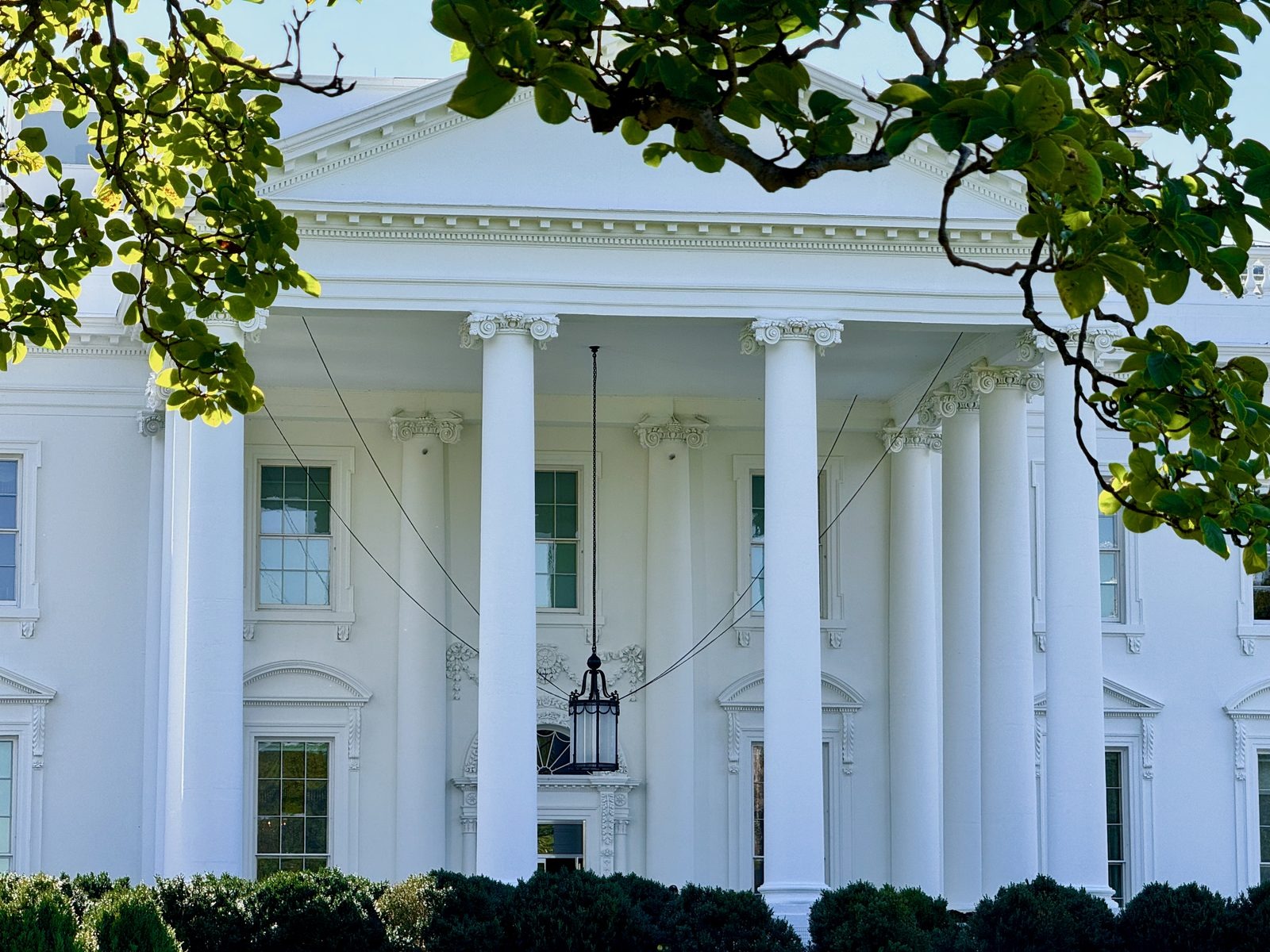
On Tuesday, October 20, 2026, US President Donald Trump turned a White House press appearance into an open ultimatum for Kyiv. Speaking to reporters in the Oval Office, he said Ukrainian President Volodymyr Zelenskyy must strike a deal with Russia — and that time is running out. "Ukraine has to want to settle this war. Zelenskyy has to want to settle this war, and if he doesn't, I think it's going to be a very bad thing," Trump said, Reuters reported.
The broadside landed within hours of a diplomatic repair effort in Oslo, where Trump's special envoy Steve Witkoff met Zelenskyy alongside European leaders. Rather than signaling that the fence-mending had worked, Trump doubled down: the obstacle to peace, in his telling, sits in Kyiv — not Moscow. "We want Zelenskyy to make a deal. He can make a deal," he said. "He will have to want a deal."
The remarks are extensively documented across the wire record. The demand: "Ukraine has to want to settle this war... if he doesn't, I think it's going to be a very bad thing." The battlefield read: "I think what's happening is that Russia would like to get it done. Russia is a big machine — they just keep grinding forward... They've taken a very large piece of land," with "an unlimited supply of people." The European pressure: "The European Union has quite a bit of money, although I have to tell you they're getting tired of spending it."
The money grievance: "We have given tremendous amounts to Ukraine. We've got nothing back, other than high diesel [prices]" — "hundreds of billions of dollars," with "the American taxpayers tired of it." The personal obstacle: "The hatred between President Putin and President Zelenskyy is tremendous... They don't have to be in the same room. I don't care how it's done." The February 2025 callback: "He could have made a good deal then. Could have made a much better deal then, probably, possibly than he can make now."
The Oslo track: the same day, Witkoff met Zelenskyy in Oslo with Finnish President Alexander Stubb and Norwegian PM Jonas Gahr Støre. Zelenskyy claimed "some clear ideas on how to get to peace" and proposed a trilateral leaders' meeting; Witkoff heads to Russia on Wednesday. US missile early-warning sharing resumed; an Article 5-style guarantee was discussed. The prisoner thread: Trump said he raised detained retired American teacher Stephen Hubbard with Putin — "remember that question for a couple of days from now." The refinery lever: in Oslo, Washington demanded Kyiv stop striking Russian oil refineries; Zelenskyy signaled a halt if Moscow reciprocated.
The backdrop: weeks of visible strain — including a public rupture between Trump and Zelenskyy — even as Washington rebuilds an economic channel with Moscow.
For all the volume of Tuesday's remarks, the substance of any settlement remains blank. No text of Witkoff's "updated proposal" has been published, and no official has described the territorial, security, or sanctions terms Washington is floating. Whether Putin will engage at all is open — Moscow has refused the trilateral format Zelenskyy keeps proposing.
The Hubbard case is similarly opaque: Trump hinted at movement "in a couple of days," but no release is confirmed and the Kremlin is silent. The battlefield claims behind the pressure arrived, as India's IANS noted, without independently verified territorial data. And the Starshield question is unresolved: Musk says any limits are decided by the US military and "ultimately POTUS," a Wall Street Journal account blamed Musk himself — while Trump and the Pentagon deny any government order.
Tuesday marks a doctrinal shift: Washington is no longer mediating between two parties — it is coercing one of them. The pressure is multi-channel: the rhetoric (public blame on Kyiv, praise for Moscow's momentum), the hardware (last week's Starshield slowdown showed Ukraine's communications lifeline can be throttled), and the economics (the diesel deal and the Graham-law sanctions waiver signal Washington re-normalizing business with Russia).
For Ukraine, Washington's clock is the budget clock: "The American taxpayers are tired of it. It's time to make a deal." For Europe, "tired of spending" warns Brussels — fund Kyiv without Washington's cover if you dare. For Moscow, it is an invitation to keep grinding: every week of advance shrinks the deal Kyiv can still get.
With midterms approaching, Trump is converting a four-year war into a ledger — money out, "nothing back" — and demanding the account be closed, even as resumed US early-warning intelligence shows the working relationship is not yet severed.
Strip out the theater and Tuesday was applied leverage across five dimensions. Geopolitically, Washington is re-centering itself as the decider rather than the backer — the power that sets the deadline, not the one underwriting the defense. Economically, aid fatigue has become an instrument: the 'tired of spending' line targets European capitals as much as Kyiv, while the diesel purchase from Moscow bends sanctions policy to the same transactional logic.
Demographically, Trump's 'unlimited supply of people' argument is crude but legible: Moscow can trade manpower for time and Kyiv cannot. Historically, the February 2025 Oval Office rupture is the template — public humiliation as negotiating tactic — with the August 2025 Alaska invitation to Putin as its counterpart. Structurally, the technology layer is the tell: Starshield, the military satellite system Ukraine relies on, sits under ultimate US government control, as Musk himself stated. Whether or not the White House ordered last week's slowdown, the episode proved the signal is a dial Washington can turn — while demanding Kyiv stop hitting Russian refineries dismantles Ukraine's leverage piece by piece.
No terms are public, but the axes are visible: territory, security guarantees (the Article 5-style arrangement floated in Oslo), the refinery-strike halt (already half-negotiated), and sanctions-relief sequencing. The missing variable is enforcement — who guarantees a deal neither side trusts the other to keep.
The first fracture line runs through Europe. 'Tired of spending' was not analysis; it was permission — an invitation to EU capitals to recalculate. If Brussels blinks, Kyiv's financial runway shortens, and the war becomes a contest of who runs out of money first.
The second runs through Ukrainian domestic politics: 'I don't think his people are going to stand for it any longer' applies external pressure directly to Zelenskyy's legitimacy. The third is the intelligence pipeline: early-warning sharing resumed, but the Starshield episode proved how quickly it can degrade — quietly.
For Moscow, patience now pays: Trump's own logic — delay means a worse deal for Kyiv — cuts both ways. And in energy markets, the refinery question links battlefield to oil price: a halt in Ukrainian strikes eases Russian supply; continued strikes keep Moscow's diesel expensive.
Witkoff travels to Russia on Wednesday carrying the updated proposal; Putin's response — engagement, stall, or silence — decides whether the Oslo track is a negotiation or a performance. Zelenskyy's trilateral-meeting proposal sits on the table, but Moscow has refused that format so far.
Then the Hubbard watch: Trump's 'remember that question for a couple of days' sets a clock expiring by week's end. A release would let Washington claim the Moscow channel delivers; silence would underline that it runs one way.
Kyiv has the least room: it cannot replace American intelligence or European money. Moscow has the most patience: time improves its position. Washington has the most optionality — which is why Tuesday's ultimatum may be less about ending the war than about being seen to try, on terms costing the United States nothing more.
The Washington read is transactional statecraft: an American president converting a four-year war into a balance sheet — hundreds of billions spent, 'nothing back' but high diesel prices — and ordering the client to settle the account. Reuters and Anadolu report the remarks as policy, not outburst — the shuttle, the Wednesday flight, the trilateral proposal all still moving. The subtext is a deliberate rebalancing of American risk away from Kyiv, the Moscow channel warming while the Kyiv channel is disciplined.
Singapore's CNA and the Indian press read the same Tuesday through the lens of process, not rupture. IANS's dispatch notes Vice President JD Vance at Trump's side and foregrounds the Hubbard prisoner thread; The Hindu and the Indian Economic Observer pair the ultimatum with the Oslo machinery — envoys moving, proposals updating, Witkoff's Wednesday trip to Russia. The 'very bad thing' warning is one half of a two-track maneuver: squeeze Kyiv in public, carry a proposal to Moscow in private.
Al Jazeera's framing is the feud: its headline lifts Trump's 'I don't care how it's done,' and its reporting situates the pressure inside a wider squeeze — the Starshield slowdown, the fragile resumption of intelligence sharing, the public blame-shifting onto Zelenskyy. From Doha, Washington is disciplining an ally on camera while keeping its Moscow line open, a dynamic the Global South recognizes from decades of great-power management.
In the Oval Office, Trump said: 'Ukraine has to want to settle this war. Zelenskyy has to want to settle this war, and if he doesn't, I think it's going to be a very bad thing.' He added 'We want Zelenskyy to make a deal. He can make a deal,' praised Russia's grinding advance, and said Europe is 'tired of spending' on Ukraine.
US envoy Steve Witkoff met Zelenskyy in Oslo with Finnish President Alexander Stubb and Norwegian PM Jonas Gahr Støre. Zelenskyy claimed 'some clear ideas on how to get to peace' and proposed a trilateral leaders' meeting. Witkoff was due in Russia the next day, US early-warning intelligence sharing with Kyiv resumed, and an Article 5-style guarantee was discussed.
Stephen Hubbard is a retired American teacher detained in Russia. Trump said he personally asked Vladimir Putin to release him and told reporters to 'remember that question for a couple of days from now,' hinting at possible movement within days. No release has been confirmed and the Kremlin has not commented publicly.
Ukrainian officials reported slowdowns last week in Starshield, the military satellite system vital for Kyiv's communications and targeting. Elon Musk said any limits are decided by the US military and 'ultimately POTUS'; a Wall Street Journal account blamed Musk himself. Trump and the Pentagon deny the government ordered restrictions.
