In a late-night Truth Social tirade and a Syracuse rally, the US president called the 2026 Nobel Peace Prize 'forever discredited,' claimed he deserved eight of them, and warned Norway: 'we will not forget.'
Published 10 October 2026 · 18:00 GMT
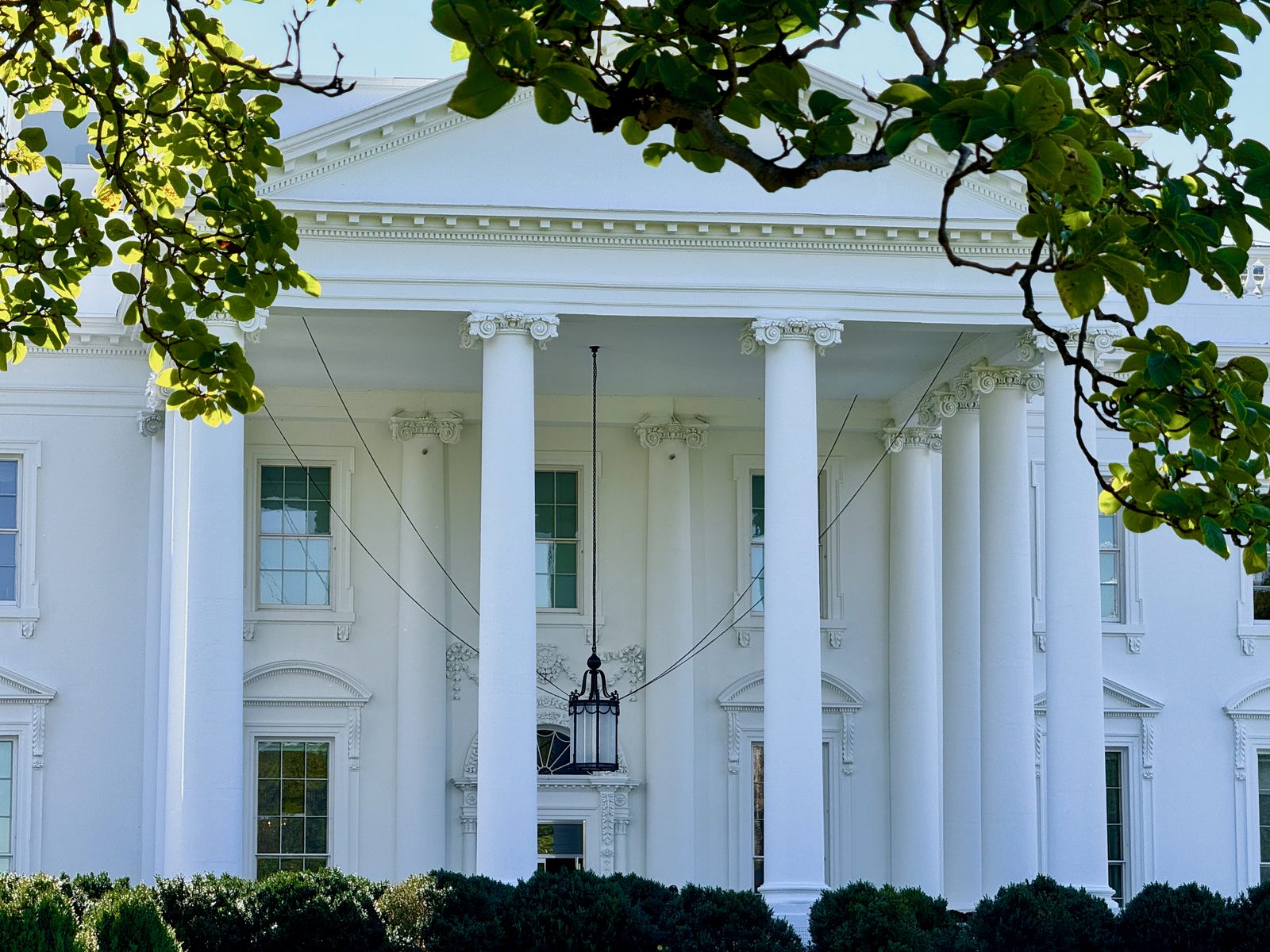
United States President Donald Trump launched a blistering late-night attack on the Norwegian Nobel Committee on Thursday, October 9, hours after it awarded the 2026 Nobel Peace Prize to South African jurist Navi Pillay. In a lengthy Truth Social post, Trump declared: 'I know nothing about this woman, and neither does anyone else!' — adding that, to the best of his knowledge, 'no one ever heard of her other than the fact that she, very obviously, hates Israel.' He went on to claim he deserved '8 Nobel Peace Prizes, not just 1,' listing eight conflicts he says he personally settled, from Cambodia–Thailand to Israel–Hamas, and accused the prize of having been 'forever discredited by a handful of radical ideologues.' The outburst continued at a campaign rally in Syracuse, New York, on Friday, while Pillay herself answered with a joke at a human-rights conference in Nuremberg: 'If you clap a little bit more, I may share this prize with Trump.'
The post, published late on Thursday night, opened with a direct attack on Pillay herself. Trump wrote that he knows 'nothing about this woman, and neither does anyone else,' adding that, to the best of his knowledge, 'no one ever heard of her other than the fact that she, very obviously, hates Israel.' He accused the five-member Norwegian Nobel Committee of being 'a handful of radical ideologues' and declared that the Nobel Peace Prize had been 'forever discredited' by its choice. He called the decision an 'indelible stain on Norway,' adding a pointed warning: 'we will not forget Norway.' The message landed just hours after the Oslo announcement and set the tone for a full day of attacks that continued at his rally in Syracuse on Friday afternoon. It ranks among the most aggressive public assaults ever launched by a sitting American president on the Nobel institution in its 125-year history.
"If you clap a little bit more, I may share this prize with Trump." — Navi Pillay
Trump devoted the longest passage of the post to his own record, insisting: 'I should have won 8 Nobel Peace Prizes, not just 1.' He listed eight conflicts he says he settled — Cambodia–Thailand, Kosovo–Serbia, the Democratic Republic of Congo–Rwanda, Pakistan–India, Israel–Iran, Egypt–Ethiopia, Armenia–Azerbaijan and Israel–Hamas — and said he was 'about to settle' two more, Iran and Russia/Ukraine. He claimed to have 'saved more lives than anyone in History' and cited Venezuelan opposition leader María Corina Machado, who he said handed him her own Nobel medal in January. He also used the post to attack the United Nations as useless to his peace efforts and to boast that he had 'got back all of the hostages in Israel, including the final 28.'
At the rally in Syracuse, New York, on Friday, Trump repeated the attack almost verbatim, drawing loud applause from the crowd. He returned to the Norway warning and to his tally of settled conflicts, presenting himself as the most effective peacemaker in American history and the Nobel Committee as a politicized body that had robbed him. The rally remarks turned a late-night social-media outburst into a sustained campaign message, suggesting the Nobel fight will feature in his political rhetoric for weeks. Footage of the rally circulated widely on Friday evening, amplifying the confrontation far beyond Truth Social's audience.
Pillay, meanwhile, answered the American president with humor. Speaking at a conference of human-rights lawyers in Nuremberg, Germany, on Friday, she drew laughter and cheers from colleagues when she joked: 'If you clap a little bit more, I may share this prize with Trump.' The lighthearted reply stood in sharp contrast to the fury of the Truth Social post — and to the gravity of the work that earned her the prize. As chair of the UN commission of inquiry on the occupied Palestinian territory, Pillay led the body that concluded Israel had committed genocide in Gaza, the finding that has made her a hero to much of the Global South and a villain in Washington and Jerusalem.
Israel's Foreign Ministry condemned the award as a 'grotesque weaponization' of the Nobel Prize, echoing Trump's framing of the decision as an anti-Israel gesture. On the same day, Secretary of State Marco Rubio announced new American sanctions against the International Criminal Court — the tribunal where Pillay once served as a judge. The one-two punch of the Nobel announcement and the sanctions turned Friday into a day of open institutional confrontation: Oslo honored the jurist, Washington punished the court she came from, and Jerusalem denounced them both. The sanctions deepen a standoff between the United States and the ICC that has been building for years over the court's scrutiny of American and Israeli conduct, and they land against an already volatile regional backdrop, as Houthi strikes continue to rattle the Gulf.
Thursday's edition of Magna Bureau covered the award itself in detail: Pillay, a South African jurist and former ICC judge, was honored for decades of human-rights work, culminating in the UN commission's Gaza genocide finding. That finding is the thread connecting every element of Friday's storm: it explains the Nobel choice, Trump's 'hates Israel' charge, the Israeli condemnation and the American sanctions on the court that shaped her. Pillay's career, from anti-apartheid lawyer to international judge, made her an unlikely Nobel pick only to those unfamiliar with the human-rights world; within it, her name carries decades of weight.
Trump's claims were presented as his own, and several sit uneasily with the public record. India has repeatedly and publicly denied that Washington played any mediating role in its 2025 ceasefire with Pakistan — directly contradicting his telling. His claim to have settled the Israel–Iran confrontation, and to be 'about to settle' Iran, sits alongside continuing American pressure on Tehran that this newspaper has tracked through the year. Egypt and Ethiopia never fought a war for him to stop; their dispute over the Grand Ethiopian Renaissance Dam remains unresolved. And the Nobel Committee awards the prize on the basis of nominations from qualified individuals worldwide; sitting American presidents have won it before — Theodore Roosevelt, Woodrow Wilson, Jimmy Carter and Barack Obama among them.
The warning to Norway — 'we will not forget' — was the passage that drew the most attention in European capitals. The Nobel Peace Prize is awarded in Oslo by a committee appointed by the Norwegian parliament, but it is formally independent of the Norwegian government, a distinction Trump's post made no room for. Whether the White House follows rhetoric with action against an ally remains unclear; Oslo has given no public indication of how it reads the threat. What is clear is that the episode injects a new irritant into transatlantic relations at a moment when they are already strained, and places Norway — a NATO member and usually quiet diplomatic player — uncomfortably at the center of an American political storm.
Attention now turns to Oslo in December, when the Peace Prize is traditionally presented on December 10, the anniversary of Alfred Nobel's death. Pillay is expected to receive the medal and deliver the Nobel lecture in the presence of the Norwegian royal family — a ceremony that will now unfold under the shadow of an American president's open hostility. Whether Trump escalates further, whether the ICC sanctions bite, and whether Pillay's joke about sharing the prize ages into prophecy or punchline are questions for the weeks ahead. For now, the 2026 Peace Prize has produced something the Nobel Committee surely did not intend: a transatlantic political brawl with no obvious off-ramp.
F
r
o
m
a
W
e
s
t
e
r
n
n
e
w
s
r
o
o
m
p
e
r
s
p
e
c
t
i
v
e
,
t
h
e
s
t
o
r
y
i
s
a
b
o
v
e
a
l
l
a
b
o
u
t
i
n
s
t
i
t
u
t
i
o
n
a
l
n
o
r
m
s
u
n
d
e
r
s
t
r
e
s
s
.
T
h
e
N
o
b
e
l
P
e
a
c
e
P
r
i
z
e
,
a
w
a
r
d
e
d
b
y
a
n
i
n
d
e
p
e
n
d
e
n
t
N
o
r
w
e
g
i
a
n
c
o
m
m
i
t
t
e
e
s
i
n
c
e
1
9
0
1
,
h
a
s
s
u
r
v
i
v
e
d
a
c
e
n
t
u
r
y
o
f
c
o
n
t
r
o
v
e
r
s
y
—
b
u
t
n
e
v
e
r
a
f
r
o
n
t
a
l
a
s
s
a
u
l
t
o
f
t
h
i
s
k
i
n
d
f
r
o
m
a
s
i
t
t
i
n
g
A
m
e
r
i
c
a
n
p
r
e
s
i
d
e
n
t
.
M
u
c
h
o
f
t
h
e
W
e
s
t
e
r
n
p
r
e
s
s
t
r
e
a
t
s
T
r
u
m
p
'
s
'
e
i
g
h
t
N
o
b
e
l
s
'
c
l
a
i
m
a
s
a
n
o
t
h
e
r
e
n
t
r
y
i
n
a
l
o
n
g
l
e
d
g
e
r
o
f
s
e
l
f
-
a
g
g
r
a
n
d
i
z
i
n
g
s
t
a
t
e
m
e
n
t
s
,
a
n
d
P
i
l
l
a
y
'
s
N
u
r
e
m
b
e
r
g
j
o
k
e
a
s
t
h
e
k
i
n
d
o
f
d
e
f
t
r
e
s
p
o
n
s
e
t
h
a
t
d
e
f
l
a
t
e
s
t
h
e
m
.
T
h
e
h
a
r
d
e
r
W
e
s
t
e
r
n
q
u
e
s
t
i
o
n
i
s
w
h
a
t
'
w
e
w
i
l
l
n
o
t
f
o
r
g
e
t
N
o
r
w
a
y
'
m
e
a
n
s
i
n
p
r
a
c
t
i
c
e
.
N
o
r
w
a
y
i
s
a
N
A
T
O
a
l
l
y
,
a
m
a
j
o
r
e
n
e
r
g
y
s
u
p
p
l
i
e
r
t
o
E
u
r
o
p
e
a
n
d
a
t
r
a
d
i
t
i
o
n
a
l
l
y
q
u
i
e
t
d
i
p
l
o
m
a
t
i
c
b
r
o
k
e
r
.
I
f
r
h
e
t
o
r
i
c
h
a
r
d
e
n
s
i
n
t
o
p
o
l
i
c
y
—
t
a
r
i
f
f
s
,
d
i
p
l
o
m
a
t
i
c
d
o
w
n
g
r
a
d
e
s
,
s
e
c
u
r
i
t
y
-
c
o
o
p
e
r
a
t
i
o
n
f
r
i
c
t
i
o
n
—
t
h
e
c
o
s
t
w
o
u
l
d
f
a
l
l
o
n
a
n
a
l
l
i
a
n
c
e
a
l
r
e
a
d
y
s
t
r
a
i
n
e
d
.
F
o
r
n
o
w
,
E
u
r
o
p
e
a
n
c
a
p
i
t
a
l
s
a
r
e
w
a
t
c
h
i
n
g
W
a
s
h
i
n
g
t
o
n
f
o
r
t
h
e
d
i
f
f
e
r
e
n
c
e
b
e
t
w
e
e
n
a
T
r
u
t
h
S
o
c
i
a
l
m
o
o
d
a
n
d
a
p
o
l
i
c
y
.
S
e
e
n
f
r
o
m
M
o
s
c
o
w
,
B
e
i
j
i
n
g
a
n
d
m
u
c
h
o
f
t
h
e
M
i
d
d
l
e
E
a
s
t
,
t
h
e
e
p
i
s
o
d
e
c
o
n
f
i
r
m
s
a
l
o
n
g
-
s
t
a
n
d
i
n
g
c
r
i
t
i
q
u
e
:
W
e
s
t
e
r
n
p
r
i
z
e
i
n
s
t
i
t
u
t
i
o
n
s
a
r
e
p
o
l
i
t
i
c
a
l
i
n
s
t
r
u
m
e
n
t
s
d
r
e
s
s
e
d
a
s
u
n
i
v
e
r
s
a
l
a
r
b
i
t
e
r
s
.
T
r
u
m
p
'
s
f
u
r
y
i
s
r
e
a
d
l
e
s
s
a
s
a
d
e
f
e
n
s
e
o
f
p
e
a
c
e
t
h
a
n
a
s
i
r
r
i
t
a
t
i
o
n
t
h
a
t
t
h
e
i
n
s
t
r
u
m
e
n
t
s
l
i
p
p
e
d
f
r
o
m
h
i
s
g
r
a
s
p
—
a
n
d
W
a
s
h
i
n
g
t
o
n
'
s
s
i
m
u
l
t
a
n
e
o
u
s
s
a
n
c
t
i
o
n
s
o
n
t
h
e
I
C
C
a
s
p
r
o
o
f
t
h
a
t
i
n
t
e
r
n
a
t
i
o
n
a
l
j
u
s
t
i
c
e
i
s
t
o
l
e
r
a
t
e
d
o
n
l
y
w
h
e
n
i
t
p
o
i
n
t
s
e
l
s
e
w
h
e
r
e
.
I
s
r
a
e
l
'
s
'
g
r
o
t
e
s
q
u
e
w
e
a
p
o
n
i
z
a
t
i
o
n
'
c
h
a
r
g
e
l
a
n
d
s
d
i
f
f
e
r
e
n
t
l
y
h
e
r
e
t
o
o
.
I
n
t
h
i
s
r
e
a
d
i
n
g
,
t
h
e
N
o
b
e
l
C
o
m
m
i
t
t
e
e
d
i
d
n
o
t
w
e
a
p
o
n
i
z
e
a
n
y
t
h
i
n
g
;
i
t
r
e
c
o
g
n
i
z
e
d
a
U
N
-
m
a
n
d
a
t
e
d
f
i
n
d
i
n
g
o
f
g
e
n
o
c
i
d
e
i
n
G
a
z
a
t
h
a
t
W
e
s
t
e
r
n
g
o
v
e
r
n
m
e
n
t
s
h
a
v
e
s
p
e
n
t
t
w
o
y
e
a
r
s
t
r
y
i
n
g
t
o
k
e
e
p
a
t
a
r
m
'
s
l
e
n
g
t
h
.
T
h
e
s
a
n
c
t
i
o
n
s
,
n
o
t
t
h
e
p
r
i
z
e
,
a
r
e
t
h
e
p
o
l
i
t
i
c
i
z
a
t
i
o
n
—
a
n
d
P
i
l
l
a
y
'
s
c
a
l
m
j
o
k
e
i
n
N
u
r
e
m
b
e
r
g
i
s
c
a
s
t
a
s
t
h
e
d
i
g
n
i
t
y
o
f
l
a
w
a
g
a
i
n
s
t
t
h
e
n
o
i
s
e
o
f
p
o
w
e
r
.
A
c
r
o
s
s
t
h
e
G
l
o
b
a
l
S
o
u
t
h
,
P
i
l
l
a
y
'
s
w
i
n
i
s
b
e
i
n
g
c
l
a
i
m
e
d
a
s
a
h
o
m
e
v
i
c
t
o
r
y
.
A
S
o
u
t
h
A
f
r
i
c
a
n
a
n
t
i
-
a
p
a
r
t
h
e
i
d
l
a
w
y
e
r
h
o
n
o
r
e
d
f
o
r
d
o
c
u
m
e
n
t
i
n
g
a
t
r
o
c
i
t
i
e
s
i
n
G
a
z
a
f
i
t
s
a
n
a
r
r
a
t
i
v
e
t
h
e
S
o
u
t
h
h
a
s
p
r
e
s
s
e
d
f
o
r
d
e
c
a
d
e
s
:
t
h
a
t
i
n
t
e
r
n
a
t
i
o
n
a
l
l
a
w
m
u
s
t
a
p
p
l
y
t
o
t
h
e
p
o
w
e
r
f
u
l
,
n
o
t
o
n
l
y
t
h
e
d
e
f
e
a
t
e
d
.
H
e
r
c
h
a
i
r
m
a
n
s
h
i
p
o
f
t
h
e
U
N
c
o
m
m
i
s
s
i
o
n
t
h
a
t
f
o
u
n
d
g
e
n
o
c
i
d
e
i
n
G
a
z
a
i
s
t
h
e
c
r
e
d
e
n
t
i
a
l
t
h
a
t
m
a
t
t
e
r
s
h
e
r
e
—
n
o
t
T
r
u
m
p
'
s
t
a
l
l
y
o
f
s
e
t
t
l
e
d
w
a
r
s
.
T
h
e
A
m
e
r
i
c
a
n
s
a
n
c
t
i
o
n
s
o
n
t
h
e
I
C
C
w
i
l
l
t
h
e
r
e
f
o
r
e
r
e
a
d
i
n
m
a
n
y
S
o
u
t
h
e
r
n
c
a
p
i
t
a
l
s
a
s
b
u
l
l
y
i
n
g
o
f
t
h
e
v
e
r
y
i
n
s
t
i
t
u
t
i
o
n
s
t
h
e
W
e
s
t
b
u
i
l
t
.
I
f
t
h
e
c
o
u
r
t
'
s
j
u
d
g
e
s
c
a
n
b
e
s
a
n
c
t
i
o
n
e
d
t
h
e
w
e
e
k
a
f
o
r
m
e
r
c
o
l
l
e
a
g
u
e
w
i
n
s
t
h
e
P
e
a
c
e
P
r
i
z
e
,
t
h
e
l
e
s
s
o
n
d
r
a
w
n
i
s
t
h
a
t
t
h
e
'
r
u
l
e
s
-
b
a
s
e
d
o
r
d
e
r
'
h
a
s
a
n
a
s
t
e
r
i
s
k
.
E
x
p
e
c
t
t
h
e
D
e
c
1
0
c
e
r
e
m
o
n
y
i
n
O
s
l
o
t
o
b
e
w
a
t
c
h
e
d
i
n
P
r
e
t
o
r
i
a
,
J
a
k
a
r
t
a
a
n
d
B
r
a
s
í
l
i
a
a
s
a
t
e
s
t
o
f
w
h
e
t
h
e
r
t
h
a
t
o
r
d
e
r
s
t
i
l
l
m
e
a
n
s
a
n
y
t
h
i
n
g
.
Navi Pillay is a South African jurist and former judge of the International Criminal Court. She chaired the United Nations commission of inquiry on the occupied Palestinian territory, the body that concluded Israel committed genocide in Gaza. The Norwegian Nobel Committee awarded her the 2026 Nobel Peace Prize on October 9, a decision announced in Oslo and covered in Thursday's edition.
On Truth Social late on October 9, Trump wrote that he knows 'nothing about this woman, and neither does anyone else,' claimed he deserved '8 Nobel Peace Prizes, not just 1,' listed eight conflicts he says he settled, called the prize 'forever discredited by a handful of radical ideologues,' and branded the award an 'indelible stain on Norway,' adding: 'we will not forget Norway.'
On October 10, Secretary of State Marco Rubio announced fresh United States sanctions against the International Criminal Court, where Pillay once served as a judge. Washington has long opposed the court's scrutiny of American and Israeli conduct. The move, announced hours after the Nobel decision, deepens the confrontation between the US and the Hague-based tribunal.
The Nobel Peace Prize is traditionally presented in Oslo on December 10, the anniversary of Alfred Nobel's death, with the laureate delivering the Nobel lecture before the Norwegian royal family. Pillay is expected to attend. This article was reported by Younesse Bouziani, Editor-in-Chief, and this year's ceremony will unfold under the shadow of an American president's open hostility toward the award.
