Trump says Taiwan agreed to buy 30% of the gas from the planned Alaska pipeline for 20 years and invest $4.4 billion. Taipei says it may invest up to that sum, subject to talks.
Published 14 October 2026 · 06:00 GMT
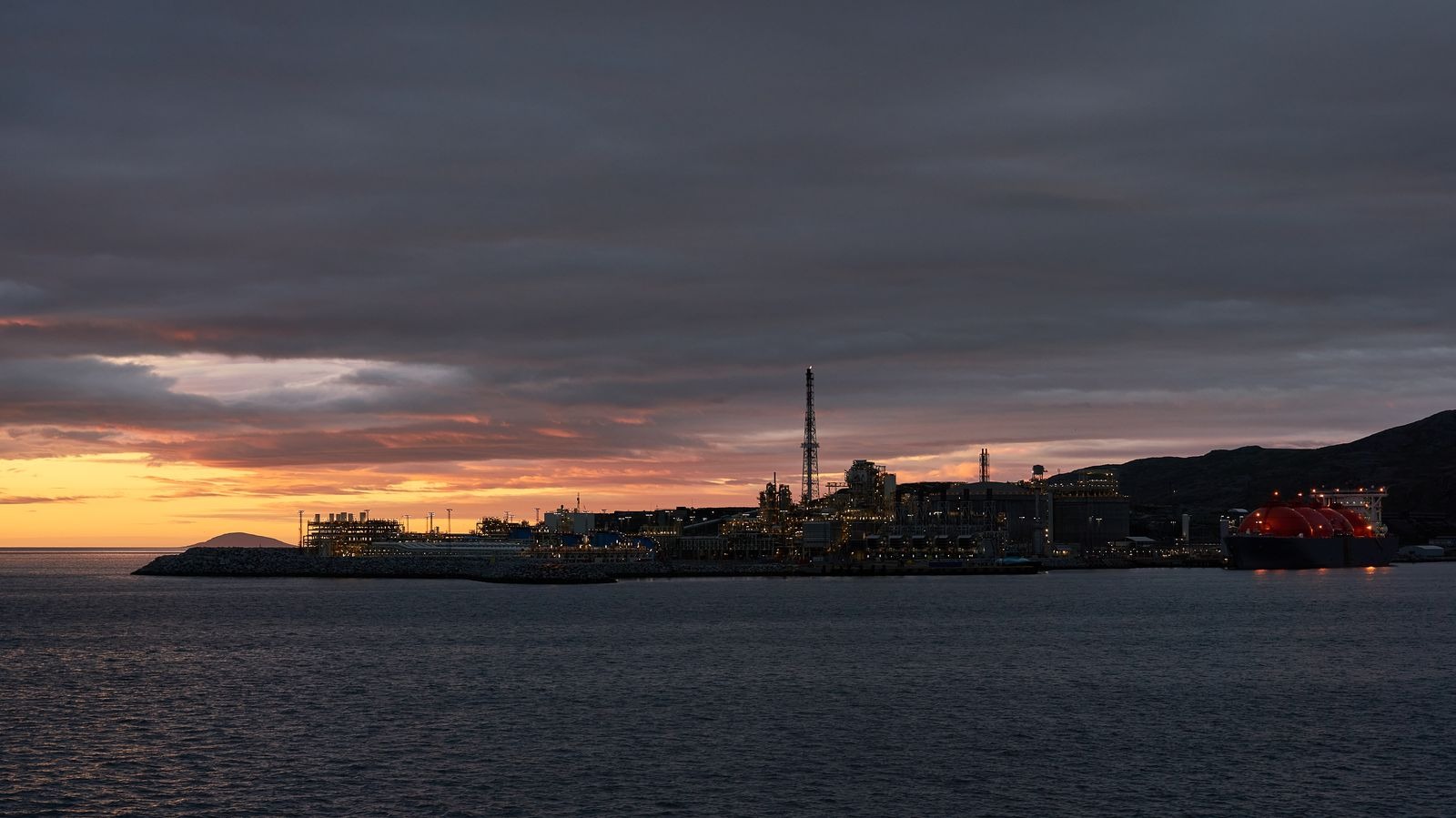
The announcement came at a campaign rally, not at a signing ceremony. In Wasilla, Alaska, on Tuesday, President Donald Trump told supporters that Taiwan had agreed to buy 30 percent of the gas from the planned Alaska pipeline for the next 20 years. The terms of any deal were not immediately clear.
The announcement came at a campaign rally, not at a signing ceremony. Speaking in Wasilla, Alaska, on Tuesday, October 13, President Donald Trump told supporters that Taiwan had agreed to buy 30 percent of the gas coming off the planned Alaska pipeline for the next 20 years. “That guarantees a success,” he said. The rally was held to support Senator Dan Sullivan, who faces a tight re-election race.
Commerce Secretary Howard Lutnick, who appeared alongside Trump, added the numbers: Taiwan would invest $4.4 billion in the project, on top of $50 billion he said South Korea had committed. Taipei's language was cooler. Taiwan's economy ministry said the island may invest up to $4.4 billion and that the arrangements remain subject to further negotiations. No binding commitment has been finalised, Taipei indicated, and the detailed terms of any purchase were not disclosed. Lutnick said negotiations with Taiwan had continued throughout the preceding week.
A rally announcement is not a contract. The pipeline still has to be financed.
The arithmetic, at least, lines up. The Alaska project is designed to export up to 20 million metric tonnes of liquefied natural gas a year. Taiwan's ministry has spoken of about 6 million tonnes a year — exactly 30 percent of that capacity. If purchases stayed at that level for 20 years, the total would reach 120 million tonnes. That is a calculation from the announced figures, not a confirmed delivery schedule. Six million tonnes a year is the figure Alaska's governor has long attached to Taiwan's interest, and it matches the 30 percent share Trump announced.
What is documented so far is a letter of intent, not a contract. In March 2025, Taiwan's state-owned energy firm CPC Corp signed a non-binding letter of intent with the Alaska Gasline Development Corp to buy liquefied natural gas and explore investment in the project. Alaska Governor Mike Dunleavy said at the time that the letter envisaged CPC buying about 6 million tonnes a year. Last year, Taiwan's Presidential Office Secretary-General Pan Men-an visited the proposed project site in Alaska.
Taipei has been moving toward American gas for months. In February 2026, Taiwanese officials said they would raise purchases of American natural gas to about a third of the island's imported supply that year, while cutting purchases from other countries. Asked about Trump's remarks, Premier Cho Jung-tai told reporters that the government's responsibility was to stabilise the entire energy supply and build its resilience, as governments everywhere must. Taiwan's economy ministry had no immediate comment on the specifics. The February shift toward American gas was framed in Taipei as a way to diversify suppliers and strengthen energy security through a Pacific shipping route.
The South Korea parallel shows why the wording matters. Trump has repeatedly claimed that Seoul agreed to join the project, and cited $50 billion committed. Seoul has maintained that its participation has not been finalised. Trump has stepped up pressure on South Korea over the project, warning earlier this month that he would charge the country more and threatening to double charges if Seoul did not sign soon, without specifying what would be doubled — leading South Korean media to speculate that he meant tariffs.
Start with dependence. Taiwan imports more than 90 percent of its energy. Official data cited by Agence France-Presse put about 38 percent of its natural gas imports from Australia, 25 percent from Qatar and just under 10 percent from the United States. Electricity demand is climbing: Taiwan's economic affairs ministry projected average demand growth of about 2.5 percent a year through 2035, the second-highest forecast in its history, driven in part by the chip industry and AI-related power needs. Summer projections put Taiwan's average electricity demand growth through 2035 above the rates expected in Japan and South Korea. Taiwan is home to TSMC, the chipmaker at the centre of the global AI buildout.
Alaska offers a second route. Gas shipped from Alaska's Pacific coast would reach Asian buyers without passing through the Panama Canal or travelling around the Horn of Africa, cutting transit time and cost, according to project promoters. For Taipei, diversification is also insurance: the island's energy lifelines run through sea lanes where China, which claims Taiwan as its territory, has steadily increased pressure. A long-term American supply line is, for Taipei, both fuel and a signal.
There is also the ledger. Buying American gas narrows Taiwan's trade surplus with the United States, which matters in tariff negotiations with Washington. The island is still waiting on major new arms sales from the United States. In Washington's telling, energy purchases and security ties move together; in Taipei's, so do they — which is why the announcement's timing, weeks before America's midterm elections, reads in both capitals as politics as well as commerce.
Decades of history argue for caution. Some version of a pipeline carrying North Slope gas to market has been studied for roughly four decades. ExxonMobil and BP dropped out as developers years ago after concluding the economics did not work. The current project — a roughly 807-mile pipeline from the North Slope to Alaska's southern coast, where gas would be liquefied and exported — is owned 75 percent by private developer Glenfarne and 25 percent by Alaska's state gas corporation, and is estimated to cost between $44.5 billion and $54.5 billion. To secure financing, Glenfarne wants about 80 percent of the export volume, 16 million tonnes a year, under contract. It has about 13 million tonnes under preliminary agreements with Japanese, Korean, Taiwanese, Thai and French buyers, most of them non-binding letters of intent.
The schedule is ambitious. Glenfarne told the American government in a report this month that the project aims to deliver first gas in 2029, with mechanical completion of the pipeline targeted for 2028. Taiwan's ministry has said deliveries could begin as early as 2032 if the project stays on schedule. Trump also credited Alaska Republican Senator Dan Sullivan with helping advance the project. Trump said at the rally that every federal permit needed had been granted, and that the project would create more than 13,000 jobs and save a typical Alaskan household more than $2,000 a year on energy bills. None of those figures came with an independent assessment, and permits alone do not mean construction starts.
Beijing has not issued an immediate public response to the October 13 announcement in the reporting reviewed. Its standing position is well known. When Alaska's governor visited Taiwan in 2025 to promote the project, China's embassy spokesman in Washington, Liu Pengyu, said China firmly opposes any form of official interaction between the United States and Taiwan, and called Taiwan an inalienable part of China's territory. Any American engagement with Taipei's government risks pushback from Beijing, and an energy deal that deepens American-Taiwanese ties is no exception.
What to watch is paper, not podiums. A binding offtake contract from CPC, with price and volume, would change the project's arithmetic. A final investment decision would change it more. Watch whether Seoul signs anything binding, whether other Asian buyers convert their letters of intent, and whether Beijing answers with words, with economic pressure, or with silence. Until then, the Alaska pipeline remains what it has been for forty years: a great project on paper, waiting for someone to pay to build it. Financing will turn on whether buyers convert preliminary agreements into binding contracts — the same test the project has failed before.
Trump called the Taiwan commitment a guarantee of success. The guarantee that matters is the one no rally can give: signed contracts, financed construction, and gas that actually flows. The full picture touches China, the United States and the earlier American arms and security ties with Taiwan that frame every deal Taipei signs.
From Washington, the announcement is a two-for-one: foreign money for an American pipeline, and a tighter energy bond with a democratic partner that sits on the front line of the chip war. The rally framing is part of the pitch — jobs in Alaska, cheaper energy bills, allies paying their share — and the administration treats each Asian commitment as proof that the project has crossed from dream to deal.
The Western business reading is more cautious. A pipeline that has waited forty years for financing is not built by announcements. Until binding offtake converts the letters of intent into bankable contracts, the project remains a political success in search of a commercial one.
From Beijing, any American-Taiwanese deal is read first through sovereignty, not commerce. China's standing position is that Taiwan is an inalienable part of its territory and that official interaction between Washington and Taipei is unacceptable. An energy pact that binds Taipei closer to Washington for twenty years is, in this reading, a political act dressed as a gas contract — and one that invites a response.
The Eastern reading also weighs the map. A Pacific supply route that bypasses chokepoints and deepens Taiwan's resilience complicates any future pressure campaign against the island, which is precisely why Taipei values it and why Beijing dislikes it.
From across Asia's energy-importing economies, the deal reads as a scramble for secure supply in a world where fuel has become leverage. Japan, South Korea and Taiwan all buy most of their gas from abroad, and all are being courted — and pressed — to anchor American projects. For them, the question is not whether Alaska gas is American, but whether it arrives on time, at a price they can live with, and without becoming a hostage to someone else's election cycle.
The Southern reading also notes who pays. Billions in Asian capital for American infrastructure is a transfer from energy buyers to an energy seller, and the buyers will want contracts, not applause, before they treat it as done.
Not a binding contract, as far as the public record shows. Trump announced that Taiwan agreed to buy 30% of the pipeline's gas for 20 years, but Taipei said it may invest up to $4.4 billion, subject to further talks. The only documented agreement so far is a non-binding letter of intent signed by CPC Corp in March 2025.
It is a proposed pipeline of roughly 807 miles carrying natural gas from Alaska's North Slope to the southern coast, where it would be liquefied and exported to Asia. It is designed to export up to 20 million tonnes a year. Glenfarne owns 75% and Alaska's state gas corporation 25%. The cost is estimated at $44.5 billion to $54.5 billion.
Taiwan imports more than 90% of its energy, and its electricity demand is growing about 2.5% a year through 2035, driven by chips and AI. American gas would diversify suppliers beyond Australia and Qatar, narrow Taiwan's trade surplus with Washington, and give the island a Pacific supply route that avoids the Panama Canal.
Not soon. Glenfarne targets mechanical completion of the pipeline in 2028 and first gas in 2029, while Taiwan's ministry has said deliveries could begin as early as 2032 if the project stays on schedule. Financing, binding contracts and construction all still stand between the announcement and the first cargo.
