Key facts
-
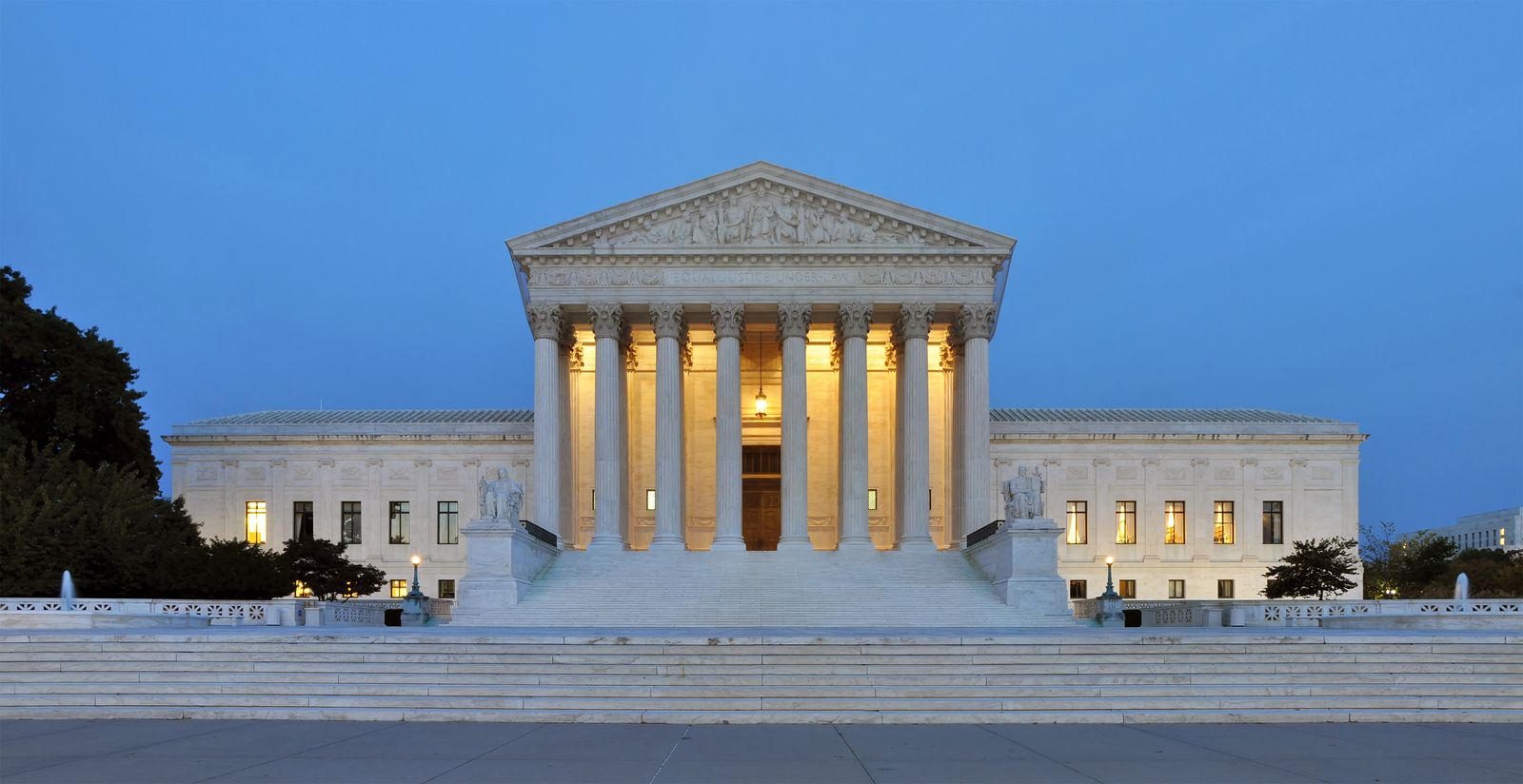
The Supreme Court let the administration resume deporting migrants to countries other than their own on Tuesday, granting the Justice Department's emergency request to pause a Boston judge's ruling that the policy is unlawful — the third time the court has sided with the administration in this fight while the case continues. Reuters; CNN
-
More than 25,000 migrants have already been deported to 29 countries under the policy, according to a human-rights groups' tally — a measure of the program's scale so far, with the vast majority sent to Mexico and the rest to countries including South Sudan, Uganda, Equatorial Guinea, Liberia and the Central African Republic. Reuters; Associated Press
-
The court will hear full arguments in December and hand down a final decision by next summer, on three questions — whether the lower court had jurisdiction, whether it could order nationwide relief, and whether the policy itself is lawful; the three liberal justices dissented from letting deportations resume in the meantime. USA Today; CNN
-
South Sudan, one of the receiving countries, said this week it has no deportation deal with Washington, while confirming it took seven third-country nationals and one South Sudanese on July 5 through "bilateral engagement" — two from Myanmar, two from Cuba, and one each from Vietnam, Laos and Mexico. Eastleigh Voice
-
More than a dozen UN human-rights experts have urged the administration to stop the practice, as the administration calls it "an essential tool" against "the worst criminal aliens" — and challengers say longtime residents with no criminal records have faced disappearances, beatings and sexual assault. Reuters; USA Today
The Supreme Court did not decide whether the policy is legal on Tuesday. It decided something narrower, and for the thousands of people in the pipeline, far more consequential: the deportations can continue while the courts argue about it.
The order grants the Justice Department's emergency request to put on hold the ruling of Boston-based US District Judge Brian Murphy, who had found the Department of Homeland Security's third-country removal policy unlawful. Murphy's reasoning was procedural and constitutional at once: the policy, he said, violates immigration-law procedures and the Fifth Amendment's due-process protections — which generally require notice and a hearing before the government takes adverse action. The court's brief order gave no reasons. The split was the familiar one: the three liberal justices dissented.
The mechanics are what made the case urgent. Under the policy, migrants who cannot be returned to the countries named on their removal orders can be sent to third countries that have given Washington what it calls credible diplomatic assurance — swiftly, and without notice. Where no such assurance exists, deportees are told their destination and assessed for persecution risk only if they raise the fear themselves. And the lower-court ruling had teeth: it forced the department to cancel a deportation flight carrying about 70 people bound for three countries.
"That is a devastating result for people who may be put on a plane before they ever have notice or an opportunity to raise a fear claim." — Trina Realmuto, lawyer for the plaintiffs, National Immigration Litigation Alliance
The administration's case is blunt. Solicitor General John Sauer told the justices the policy is "an essential tool to remove certain aliens, including some of the worst criminal aliens," whose home countries refuse to take them back. "While certain aliens may benefit from stalling their removal, the Nation does not," he wrote in the September 24 emergency application. The department's general counsel, James Percival, was blunter still: "A bad day for criminal illegals and open-borders activists alike."
The challengers' case is human. Murphy and the immigrant-rights groups behind the class action say the policy is also sweeping up longtime US residents, many with no criminal history at all — and that the consequences have included disappearances, beatings and sexual assaults. Some deportees, they say, found themselves imprisoned in countries they had never heard of; others were unlawfully transferred onward to the very home countries the United States had already granted them protection from.
Western lens
In Washington, Tuesday reads as the emergency docket doing exactly what the administration hoped: a third win in a row, no reasoning published, the real fight deferred to December. That pattern is the story — the court keeps letting the policy run while reserving judgment on whether it is lawful. And yet the lower courts keep landing punches: Murphy's order canceled a real flight with real people on it. December's argument will force the justices to answer the questions they have been circling — jurisdiction, nationwide relief, and the lawfulness of the policy itself.
Eastern lens
At publication time, Eastern-bloc newsrooms had not yet carried Tuesday's ruling — it landed in the small hours in Beijing and Moscow. The Eastern record on the program itself is one of watchful distance: when eight men were flown to Juba in July, Vietnam's foreign ministry said only that it was verifying information about its national among them — the careful posture of a capital that had found one of its citizens deported to a country the US State Department itself tells Americans to avoid.
Global South lens
For the receiving countries, this is not an American legal debate — it is people landing at their airports. South Sudan's foreign ministry said Thursday there is no deportation deal with Washington and none signed, even as it confirmed taking seven third-country nationals in July through "bilateral engagement." Leaked documents reviewed by the Moroccan outlet Walaw point to more than 100 migrants quietly sent to eight African countries — some with criminal convictions, others removed simply for entering unlawfully or lacking documents. In Eswatini, five men remain in isolated prison units under a deal worth about $5.1 million in border-infrastructure money. And Mexico — which has absorbed the vast majority of the 25,000 — has said nothing at all.
The consensus
- What we agree on
- The stay was granted Tuesday; it is the court's third emergency-docket win for the administration in this fight; full arguments come in December with a final decision by next summer; the three liberal justices dissented; more than 25,000 migrants have been deported to 29 countries, the vast majority to Mexico; the destination list — South Sudan, Uganda, Equatorial Guinea, Liberia, the Central African Republic, Rwanda, Eswatini, Ghana, Guyana; the canceled 70-person flight; South Sudan's statement that no deal exists; the UN experts' call to stop.
- What we disagree on
- Whether the policy is lawful — Murphy says it violates due-process protections; the administration calls it an essential tool. Whether deportees face persecution — plaintiffs cite beatings, disappearances and assaults; the administration cites diplomatic assurances. Whether a single district judge could halt the program nationwide — one of the three questions December will settle.
- What we know
- The policy's mechanics: swift removal without notice where Washington holds "credible diplomatic assurance"; notice, and fear claims assessed only if raised, elsewhere. The three questions set for December: jurisdiction, nationwide relief, lawfulness. The calendar: arguments in December, a decision by next summer.
- What we don’t know yet
- Whether the policy survives the merits ruling — and what becomes of the people already deported if it doesn't. A sourcing note, stated plainly: Eastern-bloc newsrooms had not published on this ruling at press time, so the procedural facts rest on Western reporting; the receiving-end facts are carried by Western and Global South outlets, including the Kenyan and Moroccan reporting cited below.
- What we expect
- Deportation flights resuming within days. More friction from receiving capitals — South Sudan's denial is a signal, not an outlier. Rights groups documenting every removal between now and December. And the real decision, finally reasoned, next summer.
Sources
- Reuters — the stay, the third emergency win, 25,000+ deported to 29 countries, the destination list, the State Department's warning on South Sudan, the earlier lifting of limits on the South Sudan flight West
- Associated Press — the apparent 6–3 order, the canceled 70-person flight, ~25,000 removed to more than two dozen countries, the Mexico majority, deportees imprisoned in countries they had never heard of West
- USA Today — December arguments with a final decision by summer, the three liberal dissents, Sauer's "essential tool," the UN experts' call, Murphy's due-process reasoning West
- CNN — the three questions set for the merits argument, the decision expected by summer, the Djibouti shipping-container detention West
- NPR — "While certain aliens may benefit from stalling their removal, the Nation does not"; tens of thousands sent to Mexico, Africa and Latin America; the third rejection of Murphy's efforts West
- Eastleigh Voice (Kenya) — South Sudan: no deportation deal, nothing signed; seven third-country nationals and one South Sudanese received July 5; the nationalities Global South
- Walaw (Morocco) — leaked documents: more than 100 migrants to eight African countries; mixed backgrounds, from criminal convictions to simple unlawful entry Global South
- United Nations human-rights experts — more than a dozen urging the administration to stop the practice, via Reuters and USA Today Global South