Producers are expected to freeze November quotas at Sunday's meeting while Saudi Arabia pumps 3.5 million barrels a day through its desert pipeline, bypassing a shuttered Strait of Hormuz.
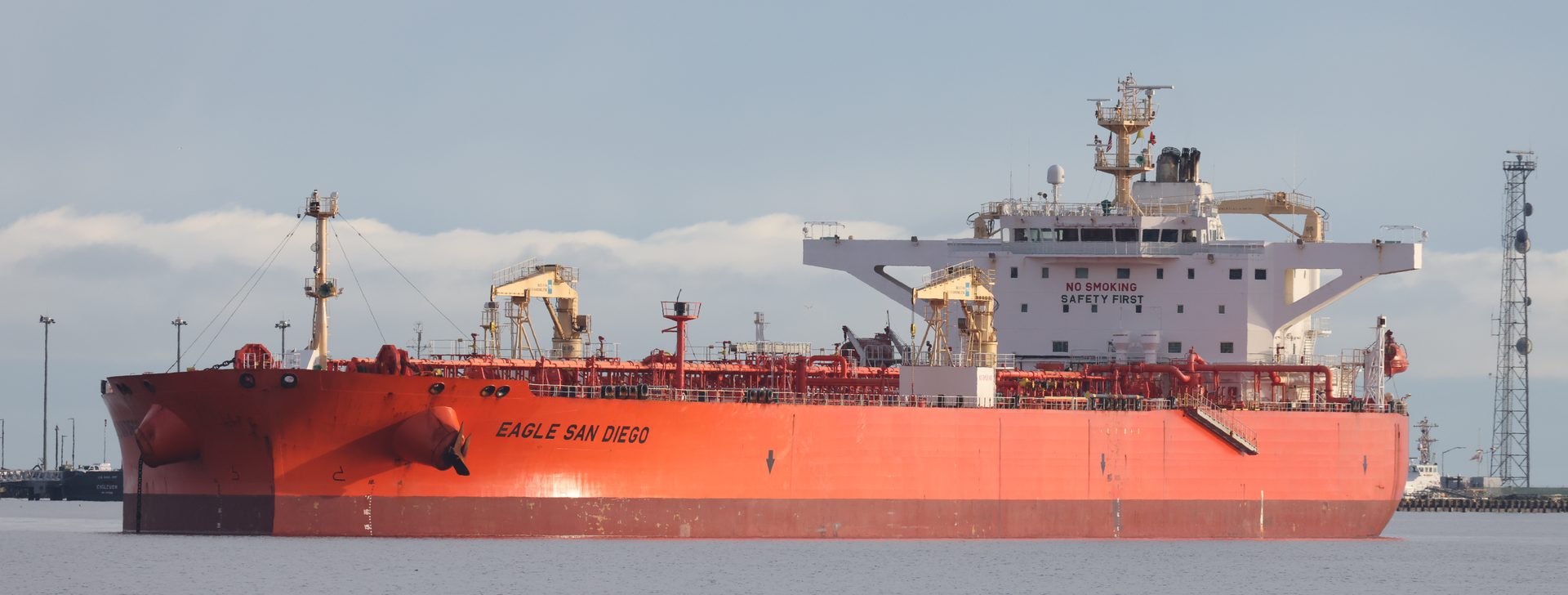
The most important oil meeting of the autumn will likely decide nothing — and that is precisely the decision. While OPEC+ holds its quotas frozen, Saudi Arabia is quietly redrawing the map of world oil around a war it did not start.
Sunday's videoconference will be short. The seven core producers — the ones whose decisions actually move barrels — are expected to roll November's targets over unchanged, extending the pause adopted for October. No drama, no communiqué fireworks. After raising targets for most of the year, the group has decided that the fourth quarter is for watching, not for pumping. The real negotiation, everyone admits, is the one over 2027 baselines — and that fight has barely begun.
The freeze is an admission wearing the clothes of a strategy. Quotas have become, in the words of one market veteran, “more or less irrelevant since March”: the Strait of Hormuz has been effectively shut since the American-Israeli assault on Iran in late February, trapping Gulf supply inside the Persian Gulf. You cannot miss a target you cannot physically ship to. The seven core members pumped 25 million barrels a day in August — 630,000 more than July, and still five million short of where they stood before the war.
The desert pipeline was mocked as a monument to paranoia. This week it carries three and a half million barrels a day of vindication.
Which is what makes Riyadh's parallel move the real story of the week. Saudi Aramco has brought its East-West Pipeline back to about 3.5 million barrels a day — half its nameplate capacity — and crude is once again loading at Yanbu and the nearby Al Muajjiz terminal on the Red Sea: close to ten million barrels by shipping counts, with October loading schedules already sent to customers. The desert pipeline, built decades ago as insurance against exactly this scenario, is finally earning its keep.
The market noticed. Brent climbed about one percent to $103.64 a barrel on Wednesday, WTI to $90.21, as the rerouting eased the most acute supply fear without removing the underlying one. Kpler's September data told the fuller story: Middle East exports rebounded to 12.8 million barrels a day, the highest since February — with Saudi Arabia alone on track for 5.4 million, up from a crippled 2.446 million in August — yet still six million barrels a day below the 18.8 million of the pre-war month. Recovery, yes. Normal, no.
Behind the numbers sits a slower, more consequential chess game. The American consultancy DeGolyer and MacNaughton is expected to deliver its capacity assessments soon, and those numbers will set the 2027 baselines — the reference production levels from which every future quota, and every future cut, will be calculated. For a Gulf still pumping far below its paper targets, the baseline review is not bureaucracy; it is destiny. Whoever locks in a higher baseline owns the next decade's leverage.
There is also the question nobody asks aloud on the videoconference: what happens if the strait stays shut. Qatar-led talks to reopen Hormuz have produced nothing; Deutsche Bank's analysts note traders are pricing a long disruption. The pipeline workaround helps Saudi Arabia and, to a lesser degree, the Emirates — but it does nothing for Iraq, Kuwait, or Qatar's LNG, which have no desert detour. OPEC+ unity has survived the war so far; a winter of frozen quotas will test whether that unity is strategy or merely paralysis.
For now, Riyadh is playing the hand it dealt itself decades ago: infrastructure as foreign policy. The East-West Pipeline was mocked as a white elephant for years — too expensive, too empty, a monument to paranoia. This week it is carrying three and a half million barrels a day of vindication. In the Gulf, the longest game is the only game.
Washington and London read the freeze as OPEC+ choosing caution over confrontation: with the strait shut and quotas already fictional, raising targets would only advertise impotence. The pipeline restoration, in this telling, is the market's pressure valve working — private infrastructure absorbing a geopolitical shock, Brent stabilizing above $100 without panic.
But the Western reading understates who paid for the valve. The rerouting protects Saudi market share and Saudi revenue first; Iraq, Kuwait and the others still sit behind a closed strait with quotas they cannot meet and customers they cannot reach. Solidarity, in this market, is a luxury good.
Moscow's reading is cooler and more transactional: the freeze suits Russia perfectly, locking in the status quo while the 2027 baseline review — the negotiation that actually matters — approaches. With Western sanctions still throttling its own logistics, Russia has no interest in quota theater; it has every interest in a baseline that reflects its real, war-tested capacity.
The East also notes the irony the West skips: the “rules-based” oil market now runs on a pipeline built precisely because the rules were never trusted. Riyadh planned for the strait's closure when Washington still called it unthinkable. Foresight, it turns out, is the one commodity that never faces a quota.
For the Global South — the buyers, not the sellers — the freeze is neither good news nor bad; it is a price. Brent above $100 is a tax on every importing developing economy, from Pakistan's power plants to Kenya's matatus. The pipeline workaround keeps the tax from becoming a crisis, but the importers' question is blunter: why must the world's energy still transit a single strait that a single war can close?
And there is a demographic clock ticking under the diplomacy. The South's cities will add hundreds of millions of energy consumers this decade. Every month the strait stays shut is a month the South pays a war premium on its own development — while the producers' videoconference decides, politely, to decide nothing.
