Three weeks after the September 23 vote, El Mansouri sealed a pact with Istiqlal, USFP and PPS — a 207-seat majority for Morocco's first woman head of government.
Published 13 October 2026 · 06:00 GMT
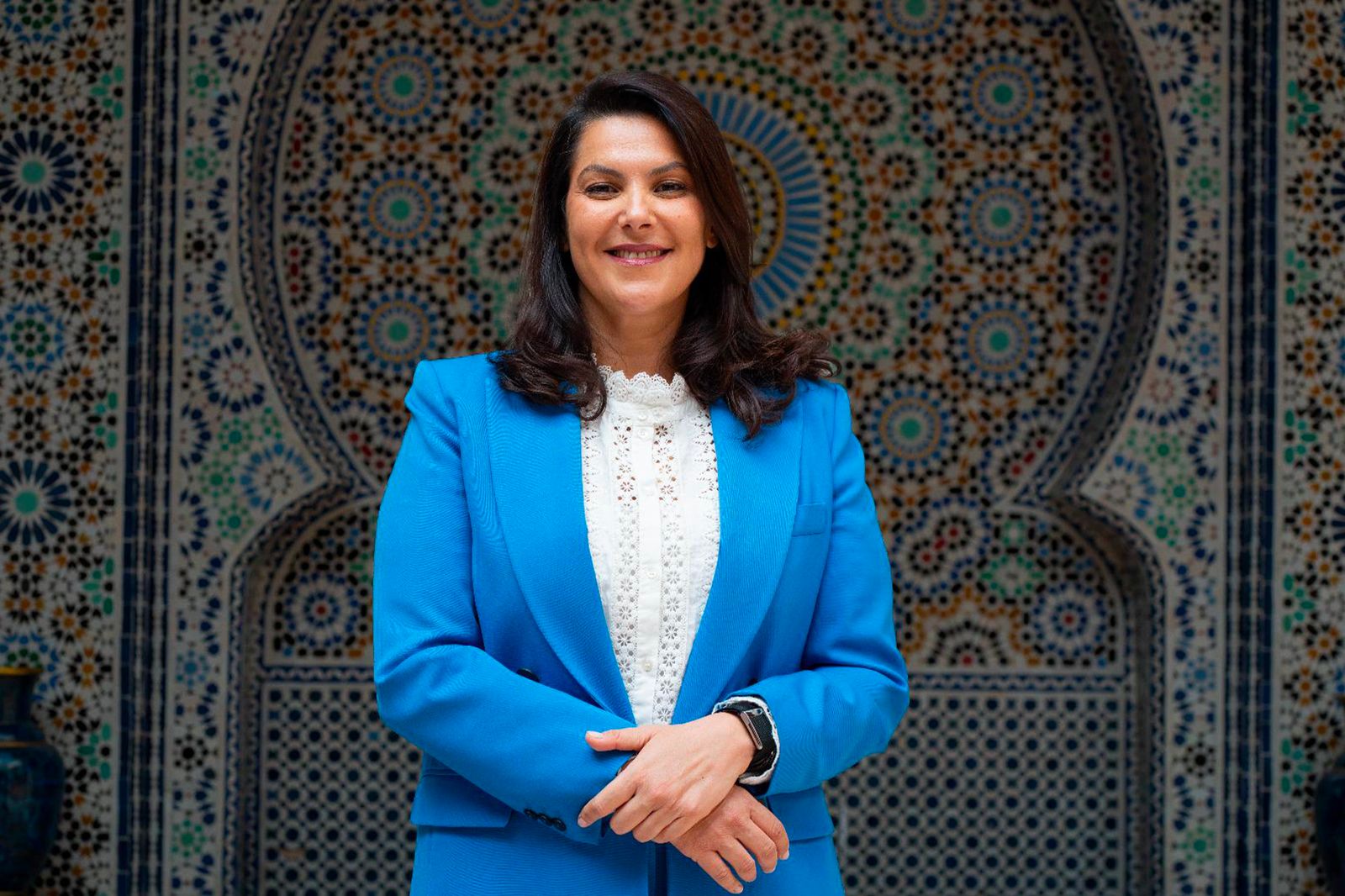
Le tracteur, la balance, la rose et le livre. On Monday in Rabat, the four symbols of Morocco's incoming majority — PAM, Istiqlal, USFP and PPS — sealed a coalition deal giving Fatima Ezzahra El Mansouri, the country's first woman head of government, a 207-seat majority to govern with.
The announcement came in a joint communiqué issued in Rabat on Monday, after what the Moroccan press described as two rounds of political consultations led by the prime-minister-designate. The four parties said the deal "produces a strong political government, made up of components marked by ideological and political proximity, united in, and committed to, a shared reformist vision." Their next step, they said, is to propose a cabinet lineup, with ministerial candidates judged on competence, probity, integrity and political sense.
The negotiating table was small and senior. El Mansouri led the PAM team alongside Fouzi Lekjaa, Mehdi Akhchichine and Abdellatif Ouahbi, while Istiqlal's national council formally mandated its leader Nizar Baraka to negotiate the party's entry. Two rounds of talks covered the economy, social pressures and the geopolitical environment — and produced, in the end, a written majority rather than a handshake one.
The tractor, the balance, the rose and the book — four party symbols, one 207-seat majority.
The arithmetic is comfortable. PAM's 97 seats and Istiqlal's 65 make 162; the two left partners bring 45 more, for 207 of the 395 seats in the House of Representatives — nine above the 198 needed for an absolute majority. That cushion matters: it lets the coalition lose a few dissenters on any given vote and still pass laws, a luxury Morocco's recent governments have not always enjoyed.
Morocco's press gave the new majority a poetic shorthand: the tractor, the balance, the rose and the book. Those are the ballot symbols of PAM, Istiqlal, the Socialist Union of Popular Forces (USFP) and the Party of Progress and Socialism (PPS) — a centre, a nationalist right and two lefts, yoked together by what their statement called "ideological and political proximity."
The notable absentee is the National Rally of Independents (RNI). Aziz Akhannouch's party led the outgoing coalition for five years, alongside PAM and Istiqlal. During the campaign PAM had ruled out renewing that alliance, after the two traded blame for policy failures including stubborn food prices. El Mansouri later softened the line — "no red lines," she said, "we have turned the page" — but the page turned without the RNI. Istiqlal simply changed sides.
The coalition closes a chapter that opened on September 23, when 15.8 million registered voters chose among 7,288 candidates from 27 parties. Turnout was 38 percent, the lowest since 2007 — a figure that will shadow the new government. The Islamist Justice and Development Party (PJD), which ran the country from 2011 to 2021, rebounded from 13 seats to 54, and its leader Abdelilah Benkirane confirmed the party would stay in opposition.
El Mansouri, 50, is a lawyer trained at the University of Montpellier and New York University who helped found PAM in 2008 alongside Fouad Ali El Himma, now a royal adviser. She became Marrakech's first woman mayor in 2009, lost the office six years later, won it back in 2021, and entered national government that October as minister for national territorial planning, urban development, housing and urban policy. Since February 2024 she has led PAM as its national coordinator. Her path from city hall to the premiership is retraced in our portrait of the appointment.
On September 29, King Mohammed VI received her at the Royal Palace in Rabat — both in the blue djellaba, the traditional Moroccan hooded robe — and, under Article 47 of the constitution, appointed her head of government from the party that came first. In a televised address she called the moment "truly historic": "For the first time in our country's history, a woman is taking on the responsibility of leading the government," she said. "This is a source of pride not only for me but for all Moroccan women."
She is the third woman to lead a government in the Arab world, after Tunisia's Najla Bouden and Sarra Zaafrani Zenzri, by Al Jazeera's count. The symbolism is powerful; the numbers behind it are thinner. Women hold 107 of 395 seats in the new chamber — 27 percent, barely above 2021 — and only 17 of those came from local lists rather than the women's quota lists, a glass ceiling Moroccan feminists say the new government must now confront.
The government's hardest test is generational. In September and October 2025, the online youth collective Gen Z 212 called deadly protests in several cities demanding better schools, hospitals and jobs and denouncing corruption. At least 5,700 people were arrested, according to the Moroccan Association for Human Rights; 650 remain detained. Official figures put unemployment among 15- to 24-year-olds at 37 percent in 2025, against 13 percent overall, with 2.9 million young Moroccans neither in education, employment nor training. The roots of that anger are explored in our account of the Gen Z anniversary.
Then came July's shock: some 70,000 young people converged on the Spanish enclave of Ceuta in a mass attempt to cross into Europe, an episode that left dozens dead, according to the Associated Press. The new majority's communiqué promises citizens "a dignified life" — the first concrete test of that promise will be whether young Moroccans start believing the future is at home.
El Mansouri campaigned on money, bluntly: $37 billion in spending to create one million jobs, plus new investment in healthcare, education, social protection and wages. The figure is a promise, not a budget — the treasury's arithmetic will decide how much of it survives contact with the coming finance law. For the longer economic backdrop, see Magna Bureau's Morocco factbook.
The RNI arrived at the election carrying five years of incumbency and its costs. Outgoing head of government Aziz Akhannouch faced sustained criticism over the cost of living, unemployment and alleged conflicts of interest — which the party denied — and did not stand again after relinquishing the party leadership this year. Le Desk's account of the coalition talks notes the new majority's "careful reading of previous government experiences," a diplomatic phrase that reads like a verdict on the coalition that is ending.
On paper: stability. Nine votes above the threshold, four parties bound by a written reformist program, and a head of government with a direct mandate from the September vote. In practice: four appetites. Each partner will expect ministries, and Morocco's constitution gives the King the final word on the cabinet lineup while keeping foreign policy, defence and religious affairs in royal hands. The coalition governs the domestic agenda; the strategic files stay with the palace.
The immediate next step is the cabinet list. The parties have pledged ministers chosen for competence rather than connections — a promise every incoming Moroccan government makes. As the feminist press has already asked: with a woman finally leading the executive, how many women will sit around her cabinet table? Her earlier record is examined in our profile of El Mansouri's rise.
Reuters describes the tournament build-up as a $20-billion push, and the clock is the government's real opposition. Morocco will co-host the 2030 World Cup with Spain and Portugal, staging matches in Casablanca, Rabat, Marrakech, Tangier, Fes and Agadir. The centrepiece, the 115,000-seat Grand Stade Hassan II at Benslimane, has seen its cost climb to 13.6 billion dirhams — 2.7 times the initial estimate — with completion scheduled for the end of 2027 and some 5,000 workers on site.
The football federation's president, Fouzi Lekjaa, has claimed the final itself will be played at Benslimane — FIFA has not confirmed it, and Spain is lobbying hard for Madrid's Bernabéu. Beyond the stadiums: a high-speed rail extension to Marrakech, airport expansions in all six host cities, and an estimated 80,000 new hotel rooms. Every dirham of it must be found while the treasury also funds the million-jobs pledge.
That is the tension the new government inherits: concrete versus classrooms. The Associated Press has taken to calling the incoming administration the "World Cup government." El Mansouri's wager is that the tournament's roads, rails and stadiums become lasting national assets rather than monuments — and that young Moroccans, the ones who marched in 2025 and moved toward Ceuta in July, see the cranes as building their future too.
Regionally, the vote landed as a quiet argument for Moroccan stability. "In an unstable region, the vote reflects a relatively stable Moroccan political system where Islamists can lose and win without affecting political stability," the analyst Mohammed Masbah told Reuters — the PJD's journey from 125 seats to 13 and back to 54, all within the constitutional order, being the exhibit. With Spain and Portugal, the World Cup partnership adds an economic and diplomatic layer to a neighbourhood that has not always been calm.
What to watch now: the cabinet lineup and its share of women; the government program El Mansouri must present to parliament; and the coming budget, where the $37-billion jobs pledge meets fiscal reality. The coalition has its 207 seats. The harder count — of jobs, hospital beds and young believers — starts now.
Western coverage reads the moment as a milestone wrapped in a stress test. A woman leading a Moroccan government is historic, and a written four-party program with a nine-seat cushion looks like stability. But the 38 percent turnout, the 37 percent youth unemployment and the palace's reserved domains — foreign policy, defence, religious affairs — remind Western analysts that the elected government's room for manoeuvre has constitutional limits.
For investors and diplomats, the calendar matters more than the symbolism. A $20-billion World Cup build-out, a $37-billion jobs pledge and a 13.6-billion-dirham stadium running at 2.7 times its initial estimate add up to a fiscal equation the new finance minister will have to solve in public. The West will watch the budget, not the balcony.
Across the Arab world, the appointment lands as a regional first that is hard to ignore: the third woman to lead an Arab government, after Tunisia's two, and the first in a monarchy. Al Jazeera's "truly historic" framing captures a pride that travels — Moroccan satellite channels and Gulf press alike treated September 29 as a date for the history books, not just the politics pages.
The eastern reading also notes the continuity. PAM was founded as a modernist counterweight to political Islam; the PJD's rebound to 54 seats and its orderly move into opposition is read as proof that Morocco's constitutional order absorbs shocks. For a region short on orderly transitions, Rabat's choreography — election, royal appointment, coalition, cabinet — is the real export.
From the Global South, the story is about a development state trying to do two things at once. Stadiums, high-speed rail and 80,000 hotel rooms are the visible bet; one million promised jobs, better schools and hospitals are the invoice the street will present. Southern commentators know this arithmetic intimately — mega-events have bankrupted promises before, from other continents as well as Africa's own.
The southern lens also sees a young continent watching itself. Morocco's median age is under 30, its youth unemployment 37 percent, and its young people marched in 2025 and moved toward Ceuta in July. If El Mansouri's government converts concrete into classrooms and contracts, it becomes a template; if not, a warning. Either way, the South is taking notes.
The Authenticity and Modernity Party (PAM, 97 seats, the tractor), the nationalist Istiqlal Party (65 seats, the balance), the Socialist Union of Popular Forces (USFP, the rose) and the Party of Progress and Socialism (PPS, the book). Together they hold 207 of the 395 seats in the House of Representatives — nine more than the 198 needed for an absolute majority.
She is the first woman to lead a government in Morocco's history, appointed on September 29 by King Mohammed VI under Article 47 of the constitution. The 50-year-old lawyer was Marrakech's first woman mayor in 2009 and served as planning and housing minister from 2021. She is also the third woman to head a government in the Arab world, after Tunisia's Najla Bouden and Sarra Zaafrani Zenzri.
Aziz Akhannouch's RNI led the outgoing coalition for five years but arrived at the election weighed down by criticism over the cost of living and unemployment. During the campaign PAM ruled out renewing the alliance after the two parties traded blame for policy failures including food prices. El Mansouri later said there were "no red lines" — but the page turned without the RNI, while Istiqlal switched sides.
First, youth: 37 percent unemployment among 15- to 24-year-olds, after deadly Gen Z protests in 2025 and the July mass attempt to reach Ceuta. Second, money: turning a $37-billion, one-million-jobs campaign pledge into a real budget. Third, the 2030 World Cup: a $20-billion build-out with a stadium already at 2.7 times its initial cost. Fourth, legitimacy after a record-low 38 percent turnout.
No date has been announced. The four parties said their next step is to propose a cabinet lineup, with candidates judged on competence, probity, integrity and political sense. Under the constitution the King appoints the ministers, so the list goes to the palace for approval first. Given the pace so far — appointment on September 29, coalition on October 12 — an announcement is expected within days, followed by a government program presented to parliament.
