Mokhtar Ould Djay quit on Friday after a damning report on August's Somelec substation fires — only for President Ghazouani to reappoint him hours later and order a new government.
Published 11 October 2026 · 18:00 GMT
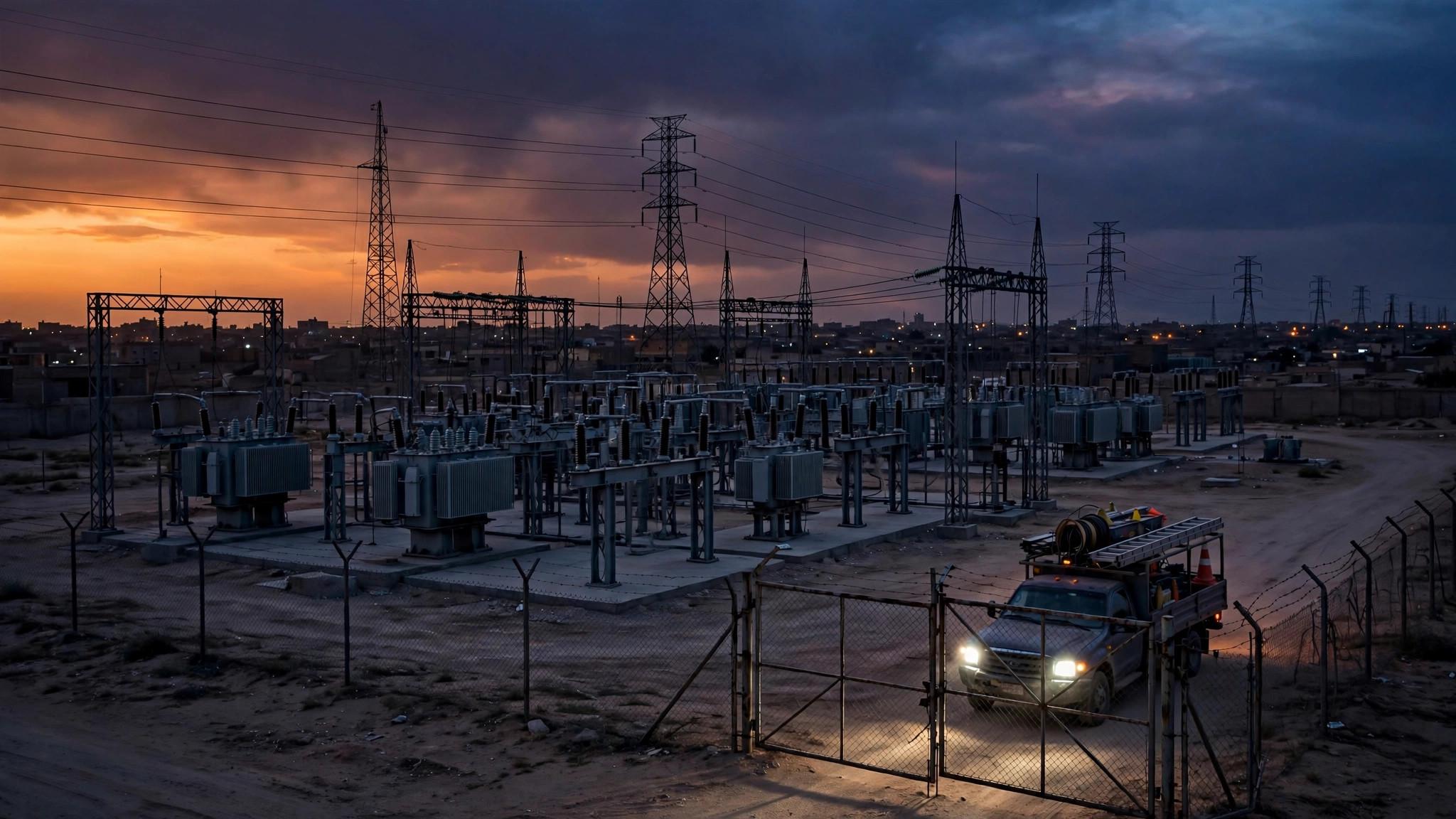
Nouakchott — Mokhtar Ould Djay resigned as Mauritania's prime minister on Friday after an independent commission delivered a scathing report into two fires at Somelec electricity substations on August 21 and 22 that plunged large parts of the capital into darkness for three to five days. The commission blamed overheating from faulty imported connectors and cited "serious shortcomings regarding prevention, electrical protection, work supervision and emergency management". Within hours, President Mohamed Ould Cheikh El Ghazouani reappointed Djay — his third prime minister — and charged him with forming a new government, unveiled on Saturday by the presidency's secretary-general.
Nouakchott — Mokhtar Ould Djay resigned as Mauritania's prime minister on Friday, October 9, after an independent commission delivered a scathing report into two fires at Somelec electricity substations on August 21 and 22 that plunged large parts of the capital into darkness for three to five days. The commission attributed the blazes, which struck less than twenty-four hours apart, to overheating caused by faulty connectors that did not meet technical standards and were imported by a private company. The report pointed to "serious shortcomings regarding prevention, electrical protection, work supervision and emergency management". Within hours, President Mohamed Ould Cheikh El Ghazouani reappointed Djay — only his third prime minister — and charged him with forming a new government. Its composition was announced in Nouakchott on Saturday by Aissata Ba Yahya, minister-secretary-general of the presidency.
A scathing report toppled the government on Friday — and handed the same prime minister his job back on Saturday.
The fires struck on August 21 and 22 at two substations operated by Somelec, the state electricity company, the second igniting before engineers had stabilized the grid after the first. The outages spread from Nouakchott's districts to the nearby towns of Ouad Naga, Idini and Aouleigat, and full restoration took between three and five days depending on the area. August is the hottest stretch of the Mauritanian year, and the timing compounded the damage: refrigeration, water pumping and medical cold chains all depend on a grid with little redundancy, and households endured the blackout in extreme heat. The episode fits a broader pattern of overlapping infrastructure and climate strains confronting developing economies, where a single technical failure cascades through systems that have no backup.
The commission's diagnosis was technical rather than political. Overheating was identified as the most likely cause, traced to connectors that failed to meet the required technical standards and had been imported by a private company — a finding that raises questions about procurement controls and quality inspection at the utility. Crucially, the report ruled out sabotage, closing off speculation that the fires were deliberate. What it did not close off was accountability: the investigators documented failures across the chain, from preventive maintenance and electrical protection to worksite supervision and the management of the emergency itself, spreading responsibility across the ministry and the utility rather than blaming a single accident.
The report named five officials as responsible for the shortcomings it documented. They are Energy Minister Mohamed Ould Khaled, the ministry's secretary-general Ali Sili Soumari, electricity director-general Mohamed Mokhtar Ahmed Mouloud, Somelec director-general Akhrembali Ould Mohamed Lahbib, and former Somelec director-general Sidi Ould Salem. The inclusion of a former director-general signals that the commission treated the failures as structural and cumulative rather than confined to the current management. For a country whose economy and public services hinge on a single state utility, the energy profile of Mauritania makes grid reliability a matter of national economic security, not merely a technical concern.
Whether all five face dismissal, reassignment or legal proceedings remains the open question of the new government's first weeks. Djay's resignation followed the report's publication within hours, establishing a direct causal line between the findings and political consequences at the top of the executive. In a region where technical commissions often produce reports that gather dust, the speed of the fallout marks this episode as different. The test now is whether the accountability extends downward through the procurement and inspection chains the report implicated, or stops at the ministerial level as a signal to the public that the matter has been handled.
President Mohamed Ould Cheikh El Ghazouani's decision to reappoint Djay the same day he resigned surprised observers and underscored the logic of continuity in Nouakchott. Djay has been prime minister since August 2024, and the president clearly judged that the crisis demanded an experienced executor of his agenda rather than a fresh political reset. Accountability, in this reading, was directed at the energy sector's management — the ministry and Somelec leadership the report named — while the head of government absorbed the institutional shock and returned with a renewed mandate to fix what the commission exposed.
The maneuver also reflects how Ghazouani governs. Rather than allow the resignation to open a succession battle or a period of drift, the president collapsed the crisis into a single gesture: accept the resignation, demonstrate that the report has consequences, and immediately restore the same premier with instructions to rebuild the cabinet. Djay pledged a government combining political and technical competence, a formulation aimed at both the political class and an engineering problem. He also promised a safety net for lower-income citizens against the pressures of the global economic crisis, tying the electricity debacle to household vulnerability at a moment when global trade and supply-chain pressures are squeezing living standards across West Africa.
The new cabinet's composition, announced on Saturday by Aissata Ba Yahya at a Nouakchott press conference, is the first concrete answer. The presidency presented the reshuffle as a reset built on competence rather than faction, with the energy portfolio under particular scrutiny given the report's findings. The full list of ministerial assignments will show whether the five officials named by the commission have been removed, and whether the energy ministry receives a technocrat capable of overhauling Somelec's procurement and maintenance regimes. The country's institutional landscape will shape how much room any new minister has to act.
Beyond personnel, the government's credibility will rest on two commitments Djay made explicit: technical competence in the ministries that manage infrastructure, and protection for lower-income households exposed to the global crisis. The blackout demonstrated how thin the margin is between a functioning state and a failing one in a Sahelian capital — three days without power in August heat is not an inconvenience but a public-health event. If the new government delivers a credible audit of Somelec's equipment imports and a genuine emergency-response doctrine, the crisis could become the rare scandal that strengthens the grid. If not, the next substation fire will find the same vulnerabilities waiting. The commission's mandate covered only the two August fires, but its findings on imported substandard components point to a wider procurement review that Somelec can no longer defer. International partners watching Mauritania's grid investments will read the new minister's first audit as the real verdict on whether the accountability announced this weekend reaches beyond the cabinet table and into the utility's purchasing offices.
Three features stand out. First, the commission model worked as designed: an independent inquiry produced specific, technical, attributable findings within weeks, and those findings triggered resignations at ministerial level within hours. Second, the president's response fused accountability with continuity, refusing to let the crisis destabilize the executive while still exacting a price. Third, the underlying problem — imported substandard components, weak inspection, fragile emergency management — is a governance problem before it is an engineering one, and it will not be solved by changing names on office doors alone.
The regional and international reading of the episode will focus on what comes next. Mauritania's partners, investors and creditors watch grid reliability as a proxy for state capacity, and a second major blackout would carry a heavier reputational cost than the first. Domestically, citizens who spent days in the dark in August heat will judge the new government by whether the lights stay on. Djay has been given a second mandate by the same president who accepted his resignation on Friday; the commission has given him a precise, technical diagnosis. The distance between the two will define his premiership.
F
r
o
m
a
W
e
s
t
e
r
n
i
n
s
t
i
t
u
t
i
o
n
a
l
v
a
n
t
a
g
e
p
o
i
n
t
,
t
h
e
e
p
i
s
o
d
e
r
e
a
d
s
a
s
a
t
e
s
t
o
f
g
o
v
e
r
n
a
n
c
e
s
t
a
n
d
a
r
d
s
u
n
d
e
r
p
r
e
s
s
u
r
e
.
A
n
i
n
d
e
p
e
n
d
e
n
t
c
o
m
m
i
s
s
i
o
n
p
r
o
d
u
c
e
d
a
t
t
r
i
b
u
t
a
b
l
e
,
t
e
c
h
n
i
c
a
l
f
i
n
d
i
n
g
s
w
i
t
h
i
n
w
e
e
k
s
—
a
p
r
o
c
e
d
u
r
a
l
s
u
c
c
e
s
s
—
a
n
d
t
h
o
s
e
f
i
n
d
i
n
g
s
c
a
r
r
i
e
d
m
i
n
i
s
t
e
r
i
a
l
-
l
e
v
e
l
c
o
n
s
e
q
u
e
n
c
e
s
w
i
t
h
i
n
h
o
u
r
s
,
w
h
i
c
h
i
s
m
o
r
e
a
c
c
o
u
n
t
a
b
i
l
i
t
y
t
h
a
n
c
o
m
p
a
r
a
b
l
e
i
n
f
r
a
s
t
r
u
c
t
u
r
e
s
c
a
n
d
a
l
s
o
f
t
e
n
p
r
o
d
u
c
e
.
T
h
e
o
p
e
n
q
u
e
s
t
i
o
n
i
s
p
r
o
c
u
r
e
m
e
n
t
i
n
t
e
g
r
i
t
y
:
s
u
b
s
t
a
n
d
a
r
d
c
o
n
n
e
c
t
o
r
s
e
n
t
e
r
i
n
g
a
s
t
a
t
e
u
t
i
l
i
t
y
'
s
s
u
p
p
l
y
c
h
a
i
n
p
o
i
n
t
s
t
o
i
n
s
p
e
c
t
i
o
n
a
n
d
t
e
n
d
e
r
i
n
g
w
e
a
k
n
e
s
s
e
s
t
h
a
t
i
n
v
e
s
t
o
r
s
a
n
d
d
e
v
e
l
o
p
m
e
n
t
p
a
r
t
n
e
r
s
w
a
t
c
h
c
l
o
s
e
l
y
.
G
r
i
d
r
e
l
i
a
b
i
l
i
t
y
i
s
a
f
i
r
s
t
-
o
r
d
e
r
s
i
g
n
a
l
o
f
s
t
a
t
e
c
a
p
a
c
i
t
y
f
o
r
c
r
e
d
i
t
o
r
s
a
n
d
f
o
r
e
i
g
n
f
i
r
m
s
,
s
o
t
h
e
n
e
w
e
n
e
r
g
y
m
i
n
i
s
t
e
r
'
s
c
r
e
d
i
b
i
l
i
t
y
—
a
n
d
a
p
u
b
l
i
s
h
e
d
a
u
d
i
t
o
f
S
o
m
e
l
e
c
'
s
e
q
u
i
p
m
e
n
t
i
m
p
o
r
t
s
—
w
i
l
l
m
a
t
t
e
r
m
o
r
e
t
h
a
n
t
h
e
c
a
b
i
n
e
t
'
s
p
o
l
i
t
i
c
a
l
c
o
m
p
o
s
i
t
i
o
n
.
F
r
o
m
a
n
E
a
s
t
e
r
n
s
t
a
t
e
-
c
a
p
a
c
i
t
y
p
e
r
s
p
e
c
t
i
v
e
,
t
h
e
s
e
q
u
e
n
c
e
i
s
l
e
g
i
b
l
e
a
s
c
r
i
s
i
s
m
a
n
a
g
e
m
e
n
t
b
y
a
p
r
e
s
i
d
e
n
c
y
t
h
a
t
r
e
f
u
s
e
s
t
o
l
e
t
a
t
e
c
h
n
i
c
a
l
f
a
i
l
u
r
e
m
e
t
a
s
t
a
s
i
z
e
i
n
t
o
p
o
l
i
t
i
c
a
l
i
n
s
t
a
b
i
l
i
t
y
.
T
h
e
c
o
m
m
i
s
s
i
o
n
'
s
e
n
g
i
n
e
e
r
i
n
g
-
f
i
r
s
t
d
i
a
g
n
o
s
i
s
—
o
v
e
r
h
e
a
t
i
n
g
,
d
e
f
e
c
t
i
v
e
c
o
n
n
e
c
t
o
r
s
,
n
o
s
a
b
o
t
a
g
e
—
k
e
e
p
s
t
h
e
p
r
o
b
l
e
m
i
n
t
h
e
r
e
a
l
m
o
f
s
o
l
v
a
b
l
e
t
e
c
h
n
i
c
a
l
s
o
v
e
r
e
i
g
n
t
y
:
b
e
t
t
e
r
p
r
o
c
u
r
e
m
e
n
t
,
d
o
m
e
s
t
i
c
i
n
s
p
e
c
t
i
o
n
c
a
p
a
c
i
t
y
,
h
a
r
d
e
n
e
d
e
m
e
r
g
e
n
c
y
d
o
c
t
r
i
n
e
.
R
e
a
p
p
o
i
n
t
i
n
g
D
j
a
y
p
r
e
s
e
r
v
e
s
e
x
e
c
u
t
i
v
e
c
o
n
t
i
n
u
i
t
y
w
h
i
l
e
t
h
e
e
n
e
r
g
y
p
o
r
t
f
o
l
i
o
a
b
s
o
r
b
s
t
h
e
s
h
o
c
k
,
a
d
i
v
i
s
i
o
n
o
f
l
a
b
o
r
t
h
a
t
p
r
i
o
r
i
t
i
z
e
s
s
t
a
b
i
l
i
t
y
o
f
t
h
e
s
t
a
t
e
o
v
e
r
t
h
e
s
y
m
b
o
l
i
s
m
o
f
a
p
u
r
g
e
.
T
h
e
d
e
e
p
e
r
l
e
s
s
o
n
i
s
a
b
o
u
t
i
m
p
o
r
t
d
e
p
e
n
d
e
n
c
e
:
c
r
i
t
i
c
a
l
i
n
f
r
a
s
t
r
u
c
t
u
r
e
b
u
i
l
t
o
n
u
n
v
e
t
t
e
d
f
o
r
e
i
g
n
c
o
m
p
o
n
e
n
t
s
i
s
a
s
o
v
e
r
e
i
g
n
t
y
v
u
l
n
e
r
a
b
i
l
i
t
y
,
a
n
d
t
h
e
f
i
x
i
s
i
n
d
u
s
t
r
i
a
l
a
n
d
i
n
s
t
i
t
u
t
i
o
n
a
l
r
a
t
h
e
r
t
h
a
n
p
e
r
s
o
n
a
l
.
F
r
o
m
t
h
e
G
l
o
b
a
l
S
o
u
t
h
p
e
r
s
p
e
c
t
i
v
e
,
t
h
i
s
i
s
a
b
o
v
e
a
l
l
a
l
i
v
e
d
s
t
o
r
y
a
b
o
u
t
w
h
a
t
a
b
l
a
c
k
o
u
t
m
e
a
n
s
i
n
a
S
a
h
e
l
i
a
n
c
a
p
i
t
a
l
.
T
h
r
e
e
t
o
f
i
v
e
d
a
y
s
w
i
t
h
o
u
t
p
o
w
e
r
i
n
A
u
g
u
s
t
h
e
a
t
i
s
n
o
t
a
n
a
d
m
i
n
i
s
t
r
a
t
i
v
e
i
n
c
i
d
e
n
t
b
u
t
a
p
u
b
l
i
c
-
h
e
a
l
t
h
e
v
e
n
t
—
s
p
o
i
l
e
d
f
o
o
d
,
f
a
i
l
e
d
w
a
t
e
r
p
u
m
p
s
,
s
h
u
t
t
e
r
e
d
c
l
i
n
i
c
s
—
b
o
r
n
e
o
v
e
r
w
h
e
l
m
i
n
g
l
y
b
y
h
o
u
s
e
h
o
l
d
s
w
i
t
h
n
o
g
e
n
e
r
a
t
o
r
t
o
f
a
l
l
b
a
c
k
o
n
.
D
j
a
y
'
s
p
l
e
d
g
e
o
f
a
s
a
f
e
t
y
n
e
t
f
o
r
l
o
w
e
r
-
i
n
c
o
m
e
c
i
t
i
z
e
n
s
a
c
k
n
o
w
l
e
d
g
e
s
t
h
a
t
e
n
e
r
g
y
f
a
i
l
u
r
e
a
n
d
e
c
o
n
o
m
i
c
v
u
l
n
e
r
a
b
i
l
i
t
y
a
r
e
t
h
e
s
a
m
e
c
r
i
s
i
s
f
o
r
t
h
e
p
o
o
r
.
T
h
e
n
o
t
e
w
o
r
t
h
y
e
l
e
m
e
n
t
i
s
t
h
a
t
a
c
c
o
u
n
t
a
b
i
l
i
t
y
r
e
a
c
h
e
d
n
a
m
e
d
m
i
n
i
s
t
e
r
s
r
a
t
h
e
r
t
h
a
n
s
t
o
p
p
i
n
g
a
t
a
n
o
n
y
m
o
u
s
"
t
e
c
h
n
i
c
a
l
c
a
u
s
e
s
.
"
W
h
e
t
h
e
r
i
t
r
e
a
c
h
e
s
t
h
e
p
r
o
c
u
r
e
m
e
n
t
c
h
a
i
n
s
t
h
a
t
i
m
p
o
r
t
e
d
t
h
e
f
a
u
l
t
y
c
o
n
n
e
c
t
o
r
s
w
i
l
l
d
e
t
e
r
m
i
n
e
i
f
t
h
i
s
w
a
s
j
u
s
t
i
c
e
o
r
t
h
e
a
t
e
r
.
He stepped down on October 9 after an independent commission report blamed the August 21 and 22 Somelec substation fires on overheating from substandard imported connectors and on serious failures in prevention, electrical protection, work supervision and emergency management. The report held the energy ministry and Somelec leadership responsible, and Djay's resignation followed the publication of its findings within hours.
President Mohamed Ould Cheikh El Ghazouani reappointed Djay within hours and tasked him with forming a new government. The move signals a preference for continuity and a trusted executor of the president's agenda — Djay has been prime minister since August 2024 — over a full political reset, with accountability directed at the energy sector's management rather than the head of government.
The report named Energy Minister Mohamed Ould Khaled, ministry secretary-general Ali Sili Soumari, electricity director-general Mohamed Mokhtar Ahmed Mouloud, Somelec director-general Akhrembali Ould Mohamed Lahbib and former director-general Sidi Ould Salem. All five were singled out for the shortcomings in prevention, protection and emergency response that turned two substation fires into a multi-day national disruption.
The presidency's minister-secretary-general, Aissata Ba Yahya, unveiled the new cabinet in Nouakchott on Saturday. Djay pledged a government combining political and technical competence and promised a safety net for lower-income citizens against the pressures of the global economic crisis. Full ministerial assignments were presented as the government takes up its mandate.
