A supertanker was hit on its port side in the Strait of Hormuz and caught fire on Sunday, hours after US forces destroyed a cargo ship trying to run the American naval blockade of Iranian ports.
Published 11 October 2026 · 18:00 GMT
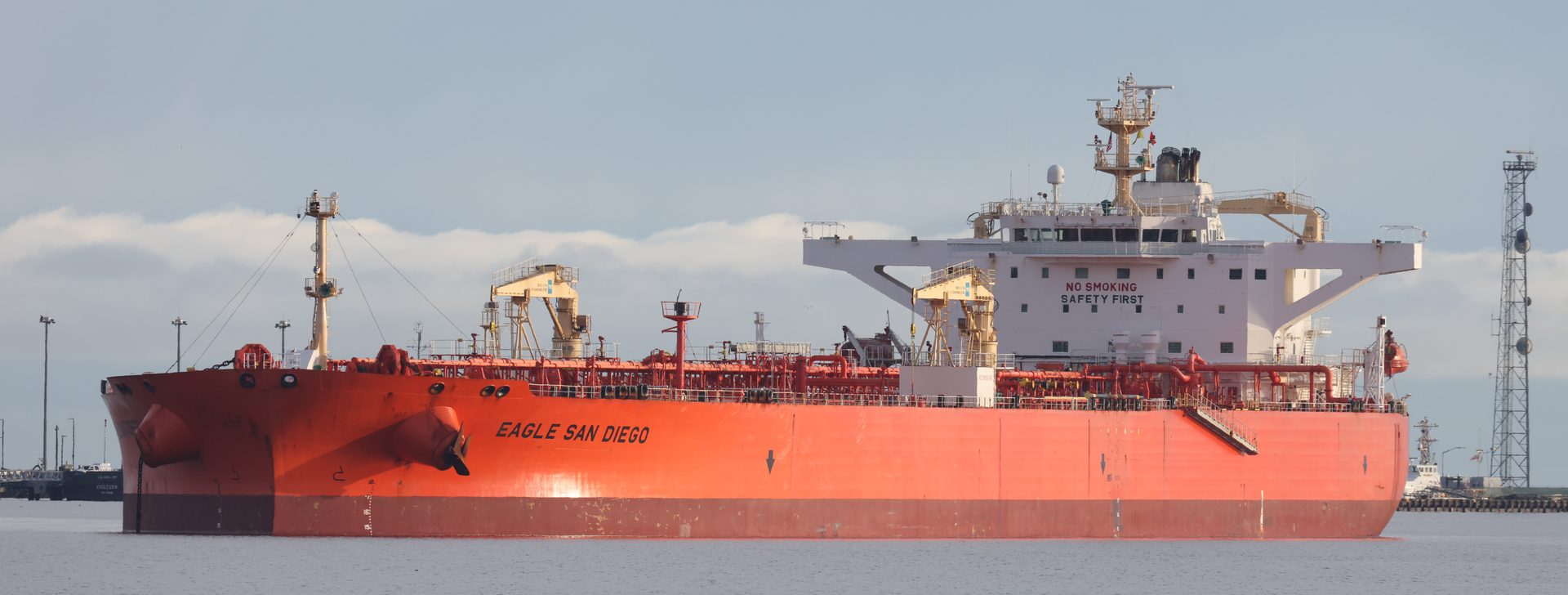
On Sunday, a supertanker was struck by an unknown projectile in the Strait of Hormuz, hit on its port side, and a fire broke out aboard the vessel, the United Kingdom Maritime Trade Operations reported. The tanker was not immediately identified. The blaze came just hours after the United States Central Command confirmed that American forces had destroyed a commercial cargo ship attempting to run the US naval blockade on Iranian ports over the weekend. Iran’s Islamic Revolutionary Guard Corps claimed the tanker had struck one of its naval mines and shared video of the vessel ablaze, declaring: “A devastating fire is the fate of any tanker that violates the rules and disregards security in the Strait of Hormuz.” The two incidents, unfolding within hours of each other in the world’s most important energy chokepoint, mark a dangerous new phase in the tanker war.
A supertanker was struck by an unknown projectile in the Strait of Hormuz on Sunday, hit on its port side, and a fire broke out aboard the vessel, the United Kingdom Maritime Trade Operations reported. The tanker was not immediately identified, and details of the crew’s condition were still emerging as the fire burned. The incident is the latest in a relentless campaign of attacks on commercial shipping in the world’s most important energy chokepoint — and it unfolded just hours after the United States confirmed it had destroyed a cargo ship attempting to run the American naval blockade on Iranian ports. Sunday’s double shock, one vessel burning and another sunk, marks the moment the tanker war and the blockade war collided in the same stretch of water on the same day.
A US warship destroys a blockade-runner in the morning; a supertanker burns in the afternoon — the tanker war and the blockade war collided in the same stretch of water on the same day.
According to the UK Maritime Trade Operations advisory, the vessel was struck on its port side by what was described only as an unknown projectile, and the impact set off a fire that spread through the ship. The tanker’s identity, flag and cargo were not immediately confirmed, and it was unclear whether the crew had been evacuated or remained aboard fighting the blaze. The ambiguity is itself a feature of this war: attacks arrive without claim or with competing claims, and the first hours are always fog. What is certain is the location. The Strait of Hormuz is the narrow artery through which the bulk of the Gulf’s crude exports must pass, and a burning supertanker in its waters is an image that moves oil markets faster than any communiqué. For the strait’s strategic profile, see our Iran factbook.
Hours before the tanker caught fire, the United States Central Command confirmed that American forces had destroyed a commercial cargo ship attempting to run the US naval blockade on Iranian ports over the weekend. The blockade is Washington’s instrument for strangling Iran’s wartime economy: any vessel that tries to slip through is treated as a legitimate target, and the weekend’s destruction was the enforcement made visible. The Pentagon offered no detail on the ship’s flag, cargo or crew, but the message was unmistakable — the blockade is not a bluff, and running it carries the risk of the ship itself. The episode also shows how the war at sea has split into two campaigns at once: Iran striking at the tankers that carry the Gulf’s oil out, and the United States striking at the ships that carry goods in, as our earlier reporting on the American interdiction campaign documented.
Tehran offered its own account within hours. The Islamic Revolutionary Guard Corps claimed the supertanker had struck one of its naval mines and released video footage of the vessel ablaze. Its statement was blunt: “A devastating fire is the fate of any tanker that violates the rules and disregards security in the Strait of Hormuz.” The claim sits uneasily beside the British advisory, which described an unknown projectile striking the port side — a mine explodes below the waterline, a projectile arrives from the air or the shore. The discrepancy may be deliberate fog, or it may reflect two different weapons in the same crowded battlespace. Either way, the IRGC’s message is aimed less at investigators than at shipowners: the strait has rules now, Tehran writes them, and the price of defiance is fire. It is the language of a power that believes it can tax, terrorise or close the world’s energy artery at will.
The numbers tell a story of steady escalation. The International Maritime Organization recorded 11 tankers attacked in the week ending October 4 — the most in any week since the war began on February 28. The week before brought another 10 strikes, including one on Monday that left 12 Indian sailors injured aboard the UAE-owned On Peace tanker. Iranian attacks in the strait have become near-daily in recent weeks, a tempo that would have been unthinkable even a year ago. And yet the oil keeps moving: crude continues to flow at around pre-war levels, but only under US military escort — a vast, expensive naval operation that shadows tankers through the danger zone. The system is holding, but every week of double-digit attacks tests it further, and the insurance markets are already pricing the strait as a war zone. The resilience of global trade flows amid the shooting, and the AI-driven demand surge reshaping energy markets, is tracked in our coverage of trade resilience.
Because there is no substitute for it. The Strait of Hormuz carries the bulk of crude exports from the Gulf’s producers, including Saudi Arabia itself, and a sustained closure would send oil prices into territory not seen in decades. That is precisely why both sides are fighting over its rules rather than simply closing it: Iran wants the leverage of a strait it can threaten at will, extracting deterrence value from every burning tanker without triggering the full-scale war that an actual closure would invite. The United States wants the oil to flow and the blockade to bite — to keep Iran’s economy strangled while keeping the world’s economy fed. The escort system is the compromise between those two aims: tankers move, but only inside an American naval bubble. Sunday’s fire is a reminder that the bubble has edges, and that the edges are where the war is fought.
The immediate question is whether Sunday was a coincidence or a choreography. A US warship destroys a blockade-runner in the morning; a supertanker burns in the afternoon, with Tehran claiming a mine and London reporting a projectile. If the two events are linked — retaliation for retaliation — then the strait has entered a tit-for-tat cycle in which each side answers the other’s escalation within hours, and the tempo of the tanker war will keep climbing. The wider risk is miscalculation: a minefield, real or claimed, changes the calculus for every captain and every insurer, and a single catastrophic spill or mass-casualty fire could force the kind of intervention both sides have so far avoided. The Americans have shown they will sink blockade-runners; the Iranians have shown they will burn tankers. Neither has shown where the limit is.
For now, the crude still flows, the escorts still sail, and the fires still burn. The tanker war has become the background music of the global economy — priced in, routed around, and quietly terrifying to everyone who depends on the strait. The IMO counted 21 vessels attacked in the two weeks to October 4, and the campaign shows no sign of slowing. The question hanging over the Gulf is no longer whether the strait is a war zone — it is — but how long the world can afford to treat a war zone as a shipping lane.
I
n
W
e
s
t
e
r
n
c
a
p
i
t
a
l
s
,
S
u
n
d
a
y
'
s
t
w
o
i
n
c
i
d
e
n
t
s
w
i
l
l
b
e
r
e
a
d
a
s
o
n
e
p
i
c
t
u
r
e
:
t
h
e
b
l
o
c
k
a
d
e
w
o
r
k
i
n
g
a
n
d
t
h
e
t
a
n
k
e
r
w
a
r
e
s
c
a
l
a
t
i
n
g
i
n
t
h
e
s
a
m
e
f
r
a
m
e
.
T
h
e
C
E
N
T
C
O
M
s
t
r
i
k
e
i
s
t
h
e
s
u
c
c
e
s
s
s
t
o
r
y
—
t
h
e
n
a
v
a
l
c
o
r
d
o
n
a
r
o
u
n
d
I
r
a
n
h
o
l
d
i
n
g
,
a
b
l
o
c
k
a
d
e
-
r
u
n
n
e
r
m
a
d
e
a
n
e
x
a
m
p
l
e
o
f
.
T
h
e
b
u
r
n
i
n
g
s
u
p
e
r
t
a
n
k
e
r
i
s
t
h
e
c
o
s
t
:
I
r
a
n
a
n
s
w
e
r
i
n
g
e
c
o
n
o
m
i
c
s
t
r
a
n
g
u
l
a
t
i
o
n
w
i
t
h
p
h
y
s
i
c
a
l
d
e
s
t
r
u
c
t
i
o
n
,
w
h
e
r
e
t
h
e
p
a
i
n
i
s
i
n
s
t
a
n
t
l
y
g
l
o
b
a
l
.
W
e
s
t
e
r
n
a
n
a
l
y
s
t
s
w
i
l
l
n
o
t
e
t
h
e
e
s
c
o
r
t
s
y
s
t
e
m
i
s
k
e
e
p
i
n
g
o
i
l
f
l
o
w
i
n
g
a
t
p
r
e
-
w
a
r
l
e
v
e
l
s
—
t
h
e
m
e
t
r
i
c
t
h
a
t
m
a
t
t
e
r
s
i
n
W
a
s
h
i
n
g
t
o
n
a
n
d
B
r
u
s
s
e
l
s
.
T
h
e
h
a
r
d
e
r
W
e
s
t
e
r
n
q
u
e
s
t
i
o
n
i
s
t
h
e
m
i
n
e
c
l
a
i
m
.
I
f
t
h
e
I
R
G
C
i
s
s
e
e
d
i
n
g
t
h
e
s
t
r
a
i
t
w
i
t
h
m
i
n
e
s
—
o
r
e
v
e
n
c
l
a
i
m
i
n
g
t
o
—
t
h
e
e
s
c
o
r
t
c
a
l
c
u
l
u
s
c
h
a
n
g
e
s
:
m
i
n
e
s
w
e
e
p
i
n
g
i
s
s
l
o
w
,
e
x
p
e
n
s
i
v
e
a
n
d
n
e
v
e
r
c
o
m
p
l
e
t
e
,
a
n
d
a
s
i
n
g
l
e
m
i
n
e
u
n
d
e
r
a
l
a
d
e
n
s
u
p
e
r
t
a
n
k
e
r
c
o
u
l
d
d
o
w
h
a
t
m
o
n
t
h
s
o
f
p
r
o
j
e
c
t
i
l
e
a
t
t
a
c
k
s
h
a
v
e
n
o
t
.
E
x
p
e
c
t
m
o
r
e
n
a
v
a
l
a
s
s
e
t
s
p
a
i
r
e
d
w
i
t
h
q
u
i
e
t
d
i
p
l
o
m
a
c
y
t
o
k
e
e
p
t
h
e
s
t
r
a
i
t
t
e
c
h
n
i
c
a
l
l
y
o
p
e
n
,
b
e
c
a
u
s
e
a
n
a
c
t
u
a
l
c
l
o
s
u
r
e
i
s
t
h
e
o
n
e
o
u
t
c
o
m
e
t
h
e
W
e
s
t
c
a
n
n
o
t
a
f
f
o
r
d
.
V
i
e
w
e
d
f
r
o
m
B
e
i
j
i
n
g
o
r
M
o
s
c
o
w
,
S
u
n
d
a
y
r
e
a
d
s
i
n
r
e
v
e
r
s
e
:
a
n
A
m
e
r
i
c
a
n
b
l
o
c
k
a
d
e
—
e
c
o
n
o
m
i
c
w
a
r
f
a
r
e
a
g
a
i
n
s
t
a
s
o
v
e
r
e
i
g
n
s
t
a
t
e
—
e
n
f
o
r
c
e
d
b
y
s
i
n
k
i
n
g
a
c
o
m
m
e
r
c
i
a
l
c
a
r
g
o
s
h
i
p
,
f
o
l
l
o
w
e
d
b
y
I
r
a
n
'
s
a
n
s
w
e
r
i
n
t
h
e
s
t
r
a
i
t
i
t
b
o
r
d
e
r
s
.
I
n
t
h
i
s
t
e
l
l
i
n
g
,
W
a
s
h
i
n
g
t
o
n
d
i
s
r
u
p
t
s
n
a
v
i
g
a
t
i
o
n
,
i
n
t
e
r
d
i
c
t
s
c
o
m
m
e
r
c
e
a
n
d
s
t
a
r
v
e
s
a
n
e
c
o
n
o
m
y
,
w
h
i
l
e
T
e
h
r
a
n
d
e
f
e
n
d
s
i
t
s
s
o
v
e
r
e
i
g
n
w
a
t
e
r
s
a
n
d
i
t
s
r
i
g
h
t
t
o
s
e
t
r
u
l
e
s
i
n
t
h
e
m
.
T
h
e
I
R
G
C
'
s
m
i
n
e
c
l
a
i
m
w
i
l
l
b
e
p
r
e
s
e
n
t
e
d
a
s
l
e
g
i
t
i
m
a
t
e
a
r
e
a
-
d
e
n
i
a
l
b
y
a
s
t
a
t
e
u
n
d
e
r
s
i
e
g
e
.
T
h
e
m
a
t
e
r
i
a
l
i
n
t
e
r
e
s
t
i
s
e
n
e
r
g
y
.
C
h
i
n
a
i
s
I
r
a
n
'
s
l
a
r
g
e
s
t
o
i
l
c
u
s
t
o
m
e
r
a
n
d
a
h
u
g
e
i
m
p
o
r
t
e
r
t
h
r
o
u
g
h
H
o
r
m
u
z
;
R
u
s
s
i
a
w
a
t
c
h
e
s
t
h
e
p
r
i
c
e
e
f
f
e
c
t
s
w
i
t
h
i
n
t
e
r
e
s
t
.
B
o
t
h
w
i
l
l
c
o
n
d
e
m
n
a
t
t
a
c
k
s
o
n
c
i
v
i
l
i
a
n
s
h
i
p
p
i
n
g
i
n
p
r
i
n
c
i
p
l
e
w
h
i
l
e
b
l
a
m
i
n
g
t
h
e
b
l
o
c
k
a
d
e
a
s
t
h
e
r
o
o
t
c
a
u
s
e
.
E
x
p
e
c
t
c
a
l
l
s
f
o
r
d
e
-
e
s
c
a
l
a
t
i
o
n
t
h
a
t
a
r
e
r
e
a
l
l
y
d
e
m
a
n
d
s
o
n
W
a
s
h
i
n
g
t
o
n
t
o
l
i
f
t
t
h
e
s
i
e
g
e
.
A
c
r
o
s
s
t
h
e
G
l
o
b
a
l
S
o
u
t
h
,
t
h
e
h
u
m
a
n
l
e
d
g
e
r
o
f
S
u
n
d
a
y
c
o
m
e
s
f
i
r
s
t
:
t
h
e
c
r
e
w
o
f
a
n
u
n
i
d
e
n
t
i
f
i
e
d
t
a
n
k
e
r
f
i
g
h
t
i
n
g
a
f
i
r
e
a
t
s
e
a
,
a
n
d
t
h
e
1
2
I
n
d
i
a
n
s
a
i
l
o
r
s
i
n
j
u
r
e
d
a
b
o
a
r
d
t
h
e
O
n
P
e
a
c
e
t
h
e
w
e
e
k
b
e
f
o
r
e
.
T
h
e
s
e
a
f
a
r
e
r
s
d
y
i
n
g
a
n
d
b
u
r
n
i
n
g
i
n
t
h
e
s
t
r
a
i
t
a
r
e
o
v
e
r
w
h
e
l
m
i
n
g
l
y
f
r
o
m
t
h
e
S
o
u
t
h
—
I
n
d
i
a
n
,
F
i
l
i
p
i
n
o
,
P
a
k
i
s
t
a
n
i
c
r
e
w
s
o
n
f
l
a
g
s
o
f
c
o
n
v
e
n
i
e
n
c
e
—
a
n
d
t
h
e
y
h
a
v
e
n
o
v
o
t
e
i
n
t
h
e
w
a
r
b
e
i
n
g
f
o
u
g
h
t
o
v
e
r
t
h
e
i
r
h
e
a
d
s
.
T
h
e
s
o
u
t
h
e
r
n
l
e
n
s
c
o
u
n
t
s
t
h
e
m
b
e
f
o
r
e
i
t
c
o
u
n
t
s
t
h
e
b
a
r
r
e
l
s
.
T
h
e
n
c
o
m
e
s
t
h
e
p
r
i
c
e
l
e
d
g
e
r
.
E
v
e
r
y
t
a
n
k
e
r
a
t
t
a
c
k
e
d
r
a
i
s
e
s
i
n
s
u
r
a
n
c
e
a
n
d
f
r
e
i
g
h
t
c
o
s
t
s
t
h
a
t
l
a
n
d
,
w
i
t
h
i
n
w
e
e
k
s
,
o
n
f
u
e
l
p
r
i
c
e
s
i
n
i
m
p
o
r
t
i
n
g
d
e
v
e
l
o
p
i
n
g
e
c
o
n
o
m
i
e
s
—
t
h
e
o
n
e
s
l
e
a
s
t
a
b
l
e
t
o
a
b
s
o
r
b
t
h
e
m
a
n
d
l
e
a
s
t
r
e
s
p
o
n
s
i
b
l
e
f
o
r
t
h
e
w
a
r
.
T
h
e
S
o
u
t
h
'
s
c
o
n
s
i
s
t
e
n
t
d
e
m
a
n
d
w
i
l
l
b
e
t
h
e
s
a
m
e
o
n
e
i
t
h
a
s
m
a
d
e
a
t
e
v
e
r
y
e
n
e
r
g
y
s
h
o
c
k
:
k
e
e
p
t
h
e
s
t
r
a
i
t
o
p
e
n
,
s
t
o
p
s
i
n
k
i
n
g
a
n
d
b
u
r
n
i
n
g
c
i
v
i
l
i
a
n
s
h
i
p
s
,
a
n
d
s
e
t
t
l
e
t
h
e
b
l
o
c
k
a
d
e
a
n
d
t
h
e
n
u
c
l
e
a
r
f
i
l
e
a
t
a
t
a
b
l
e
i
n
s
t
e
a
d
o
f
i
n
a
s
h
i
p
p
i
n
g
l
a
n
e
.
On Sunday, October 11, the vessel was struck on its port side by an unknown projectile in the Strait of Hormuz and a fire broke out aboard, the United Kingdom Maritime Trade Operations reported. The tanker was not immediately identified, and the crew’s condition was still emerging. The incident is the latest in a near-daily campaign of Iranian attacks on commercial shipping in the strait in recent weeks — the world’s most important energy chokepoint.
US Central Command confirmed that American forces destroyed a commercial cargo ship attempting to run the US naval blockade on Iranian ports over the weekend. The blockade is Washington’s tool for strangling Iran’s wartime economy: any vessel that tries to slip through is treated as a legitimate target. The Pentagon gave no detail on the ship’s flag, cargo or crew, but the destruction was a visible warning that running the blockade risks the ship itself.
The Islamic Revolutionary Guard Corps claimed the supertanker struck one of its naval mines and released video of the vessel ablaze, declaring: “A devastating fire is the fate of any tanker that violates the rules and disregards security in the Strait of Hormuz.” The claim sits uneasily with the British advisory, which described a projectile hitting the port side — a mine explodes below the waterline. The message was aimed at shipowners: Tehran writes the strait’s rules.
The International Maritime Organization recorded 11 tankers attacked in the week ending October 4 — the most since the war began on February 28 — after 10 the week before, including one on Monday that left 12 Indian sailors injured aboard the UAE-owned On Peace tanker. Iranian attacks in the strait have become near-daily in recent weeks. Crude still flows at around pre-war levels, but only under US military escort. See our trade resilience coverage.
