Egypt sits at the junction of the busiest canal on earth, the longest-running conflict in the region, and a debt-heavy economy. How Cairo balances all three shapes the Middle East.
Published 14 October 2026 · 06:00 GMT
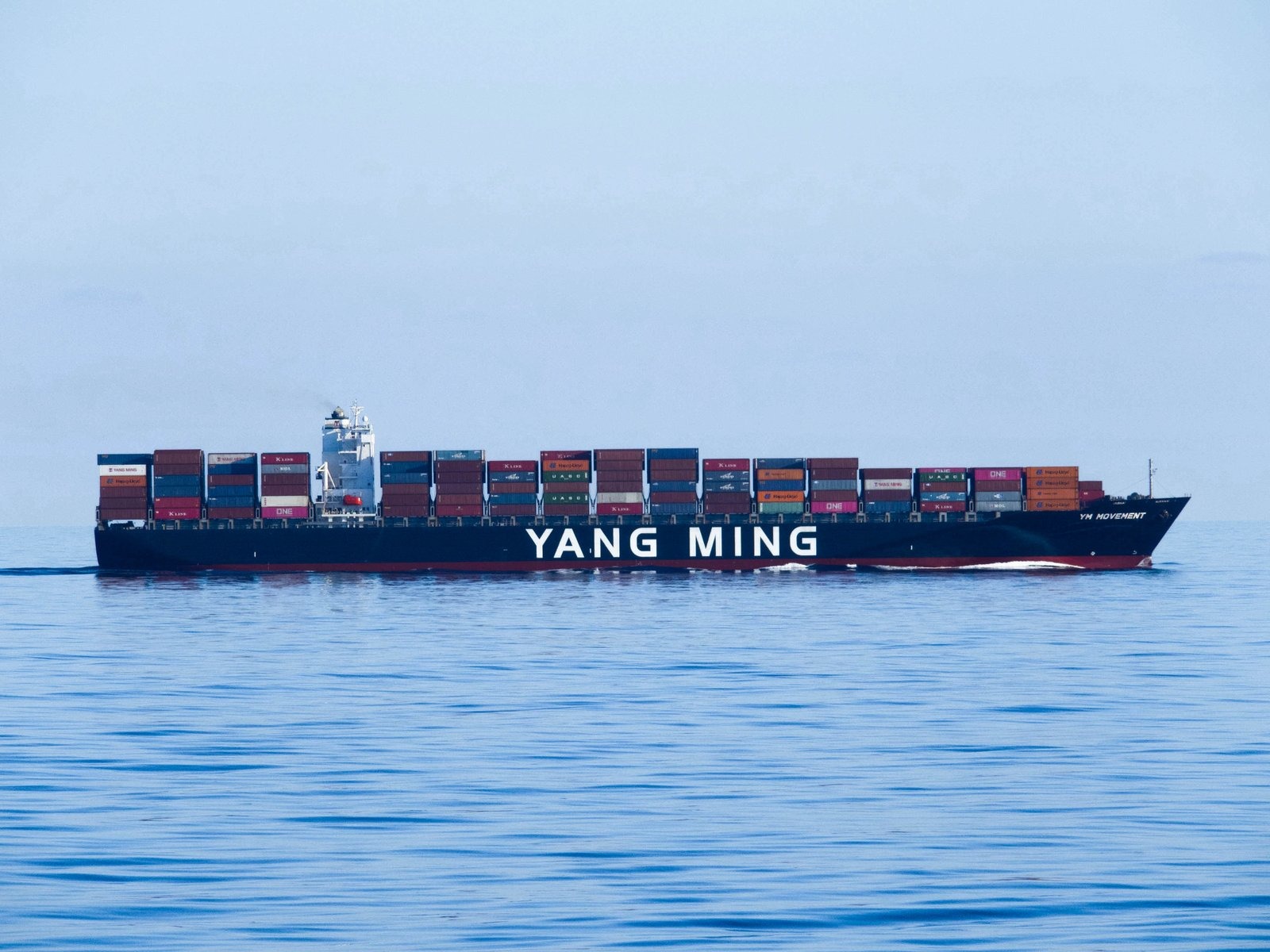
Every map of world trade runs through Egypt. The Suez Canal, opened in 1869 and nationalised in 1956, cuts the voyage between Europe and Asia by thousands of nautical miles. For shipping lines it saves fuel and weeks. For Egypt it is something rarer than a revenue stream: income earned in hard currency from geography alone, money that arrives because of where the country sits, not what it makes.
That income has always been hostage to events elsewhere. When attacks on shipping in the Red Sea began in late 2023, many container lines diverted around the Cape of Good Hope, adding days and cost to every voyage and cutting traffic through the canal. Egyptian officials have spoken openly about the resulting loss of transit revenue. The episode was a reminder that a canal is a business with a single point of failure: it works only while the sea lanes on either side of it are safe.
Cairo has tried to widen the margin. A second channel, the New Suez Canal, opened in 2015 to allow two-way traffic on part of the route and cut waiting times. The project was sold domestically as a national triumph and financed largely at home. Its economics are debated, and estimates of the return vary, but the logic was plain: if the canal is the country cash register, widening the till is the most direct investment available.
The deeper question is whether canal income can keep carrying so much weight. A country of more than 110 million people, most of them crowded along the Nile, cannot live off tolls. Tourism, remittances from Egyptians working abroad, and exports all matter. Yet the canal remains the symbol of a structural problem: Egypt earns much of its foreign currency from things it does not control, the safety of a sea lane, the appetite of tourists, the wages paid in Gulf states, and it spends much of it on things it cannot avoid, above all imported food and fuel.
No country is closer to Gaza than Egypt. The strip shares its only non-Israeli border with Egypt, at Rafah, and Cairo has been a mediator in round after round of talks between Israel and Hamas, working alongside Qatar and the United States. That role is not generosity. It is geography turned into diplomacy: Egypt cannot seal itself off from what happens in Gaza, so it tries to shape it.
The mediation role brings pressure from every side. Israel wants the border sealed against weapons and fighters. Palestinians want the crossing open for people and aid. Gulf states and Washington want quiet. Egyptian officials have repeatedly said they will not accept a mass displacement of Palestinians into Sinai, a position rooted in both national security and the fear that a temporary displacement would become permanent. That refusal has been one of Cairo’s most consistent public lines throughout the Gaza war.
Sinai itself is part of the story. The peninsula has seen years of insurgency, and Egypt has mounted long military campaigns there, with restrictions on movement and heavy security deployments. The 1979 peace treaty with Israel limits the forces Egypt may station in Sinai, and Cairo has coordinated with Israel on security arrangements there for years. For ordinary Egyptians, Sinai is both a security headache and a development promise, a place of resorts on the Red Sea coast and of neglect inland.
The war in Gaza has therefore put Egypt in a triple bind: a humanitarian catastrophe on its border, a security threat in its own peninsula, and a diplomatic role in which every concession to one side reads as betrayal to another. Cairo has managed that bind by staying indispensable to all sides, the mediator nobody can bypass, even when the mediation produces little. Indispensability is a form of power, but it is also a trap: the mediator gets blamed for every failure and credited for none of the successes.
Behind the geopolitics sits a domestic economy that has spent years under strain. Inflation surged in the early 2020s, the pound came under repeated pressure, and foreign currency grew scarce. In 2024 Egypt agreed a new IMF-backed programme, floated the currency, and began the familiar painful sequence of subsidy reform and fiscal tightening. The Fund has since reviewed progress and released tranches, while warning, as it always does, that reforms must continue.
The human cost is real and visible. Egyptians have watched prices rise faster than wages, and the state has trimmed subsidies on fuel and bread that were, for decades, part of the social contract. The government argues that the old model, cheap energy and a managed currency funded by borrowing, had run out of road. Critics argue that the adjustment has fallen hardest on those least able to bear it. Both can be true at once, and usually are.
Gulf money has provided breathing room. In 2024 the United Arab Emirates agreed a large investment deal for the Ras El Hekma development on Egypt’s Mediterranean coast, reported at 35 billion dollars, a sum that steadied reserves and calmed markets at a critical moment. Egypt has courted similar investment from Saudi Arabia and Qatar. The deals bring cash, but they also raise a question that Egyptians ask in private: is the country selling its coastline to pay its bills?
Tourism remains the brightest spot. The pyramids, the Red Sea resorts, the new Grand Egyptian Museum near Giza, all draw millions of visitors in a good year. But tourism is the most skittish of industries, hostage to every regional headline. Egypt’s economy, in the end, is a balancing act between assets the world wants, a canal, a coastline, antiquities, and liabilities the world prices, debt, imports, and a currency that must be defended every day. That balancing act, more than any single summit, is what decides whether Egypt holds its place.
Western capitals read Egypt as a stability problem with a price tag. The IMF programme is the instrument, and the test is whether Cairo can keep reforming without triggering unrest. In this telling, Gaza mediation is leverage: Egypt value to Washington and Brussels is measured in the quiet it keeps on the border, and aid and loans are the payment for that quiet.
From the East, Egypt looks like a chokepoint state in a world of chokepoints. Chinese investment and Belt and Road logistics treat Suez as one of the hinges of Eurasian trade, and Gulf capital treats the Mediterranean coast as an asset to be developed. In this telling, Egypt is not a supplicant but a landlord, charging rent on the world busiest shortcut, and the question is whether the landlord keeps the freehold.
From the Global South, Egypt story is about sovereignty under debt. The reforms demanded by lenders, subsidy cuts, currency floats, asset sales, land heavily on the poor, while the country that controls the canal and guards the Gaza border is asked to absorb the costs of other people wars. In this telling, Egypt is the clearest case of a country whose geography makes it important and whose debts make it dependent, and the tension between the two never resolves.
