Two days before sweeping new Russia sanctions were due to take effect, Trump waived them — saying on Sunday the suspension keeps Russia "at the bargaining table." Kyiv calls it a reward for the Kremlin; a growing chorus in Congress calls it a historic mistake.
Published 19 October 2026 · 00:14 GMT
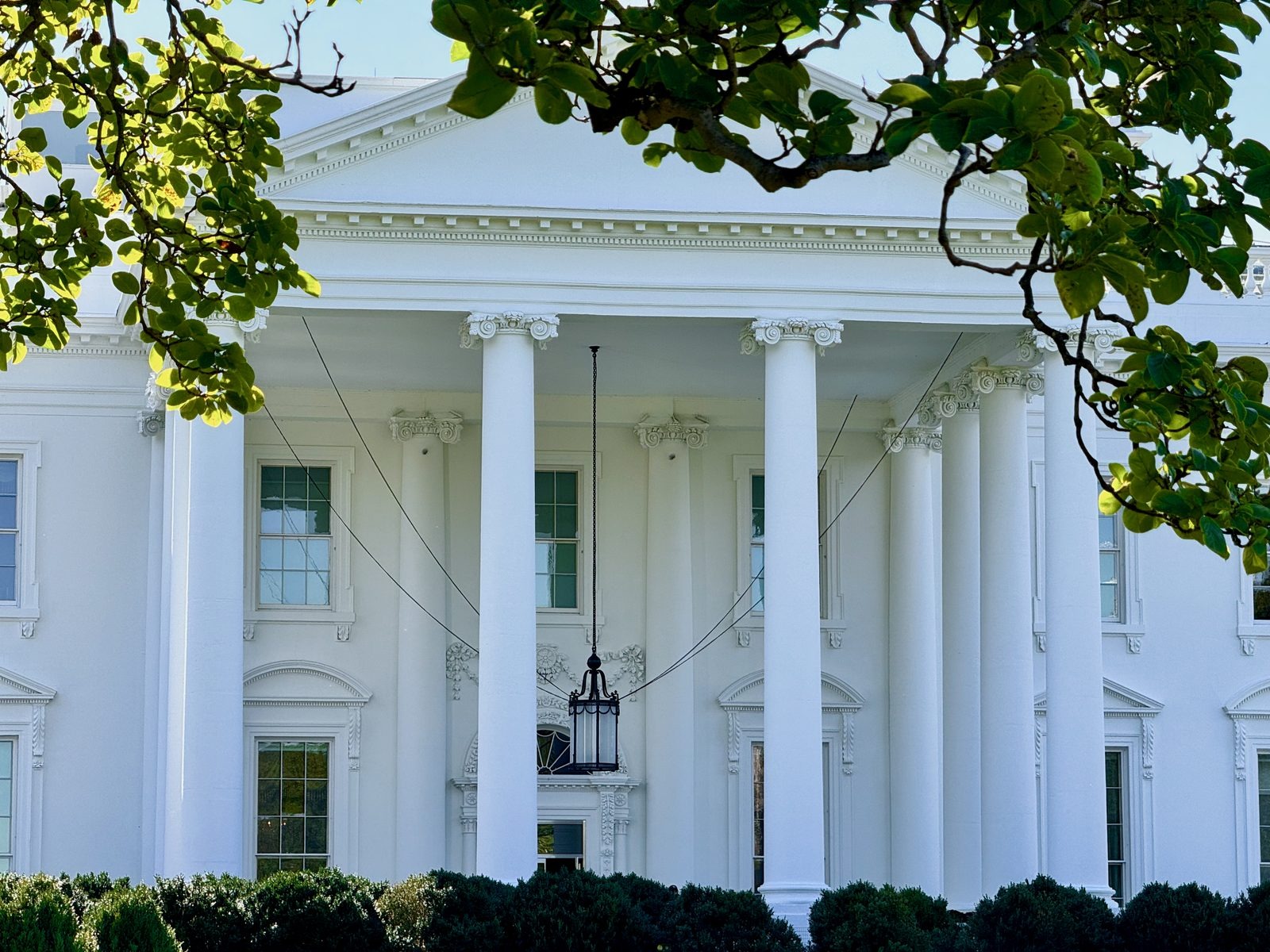
US President Donald Trump said on Sunday, October 18, that his decision to suspend sweeping new sanctions on Russia was taken to keep Moscow engaged in talks to end the war in Ukraine. Writing on his Truth Social platform, Trump said the move was "a very simple one": "I am in the process of negotiating Peace in the war between Russia and Ukraine, and don't want to do anything that will drive, foolishly, Russia away from the bargaining table."
The statement followed an executive order signed late on Friday, October 16, that waived broad new sanctions and tariffs mandated by the Lindsey O. Graham Sanctioning Russia and Iran Act of 2026 — a law passed by Congress and signed by Trump himself in September. The order came just two days before the new measures were due to take effect. It also paused sanctions on Russian diesel imports, which Washington says are intended to bring down fuel prices for American consumers — the diesel arrangement that shocked Kyiv and its allies.
In the same post, Trump sharpened his attacks on Ukrainian President Volodymyr Zelensky, accusing him of not wanting to end the war. "He doesn't want to end this war, and probably never did," Trump wrote, adding that Zelensky "could have made a better deal two years ago than he can now." Zelensky responded on NBC News that siding with Russian President Vladimir Putin would be a "historic mistake," and said he feared Washington would go on to lift more sanctions.
The administration's public case rests on two arguments: diplomacy and the economy. Secretary of State Marco Rubio said on Saturday that the administration would use a 60-day pause to analyze what imposing the sanctions and tariffs would mean for the United States and the global economy. White House spokesperson Taylor Rogers said implementing the measures now would hinder "negotiation efforts to push Russia and Ukraine toward a durable, comprehensive peace agreement," while stressing that Trump retains the authority to reinstate sanctions whenever it serves the national interest.
The law Trump waived was designed as a maximum-pressure instrument — weeks after he announced an energy ceasefire with Moscow. Under the executive order, the exemptions cover most provisions of the 2026 Graham Act, including tariffs of up to 500 percent on goods imported from Russia and tariffs of up to 100 percent on US-bound goods from the top five importers of Russian crude oil or natural gas. Other waived provisions targeted Russian officials, financial institutions, state-controlled enterprises, energy activities, and the shadow fleet of tankers moving Russian oil.
What the order does not touch is equally important. Sanctions imposed under earlier executive orders remain fully in force, and everyone already designated under them stays designated. The waiver suspends new obligations; it does not repeal the law, and the suspended provisions can be revived without fresh legislation.
Several things remain unclear. In his Truth Social post, Trump wrote that "signing that document at this time will do that, and I can sign it later, or any time that I want!" — but it was not clear which document he was referring to, and the White House did not immediately answer questions. He also claimed that "great progress is being made" in talks "and that includes current hostage negotiations," without identifying the hostages or saying which negotiations he meant.
Whether the sanctions will ever take effect is an open question. The order sets no fixed expiry for the waivers: they last until the president or designated officials determine that further action is appropriate. Congress is in recess until after the November 3 midterm elections, which limits any immediate legislative response — lawmakers have introduced bills aimed at blocking the Russian diesel arrangement, but none has become law.
This is a stress test of the entire sanctions instrument — and of the transatlantic relationship that has sustained it. Sanctions were the West's principal economic lever against Moscow; suspending them days before they bite, while importing Russian diesel to ease domestic fuel prices, signals that Washington now treats that lever as negotiable. Kyiv reads the move as pressure on itself rather than on Moscow, and European capitals — whose leaders met Zelensky in Brussels on October 16 — now face the question of whether they must hold the sanctions regime together alone.
The economics cut both ways. The measures were aimed at the countries buying Russian energy, which include China and India — respectively about half and 37 percent of Russia's crude exports, according to the Centre for Research on Energy and Clean Air. Tariffs of up to 100 percent on their goods would have reverberated through global markets at a moment when fuel prices are already elevated amid the Iran war. For the administration, that is the national-interest case. For critics in both parties, it is the price of abandoning a law Congress passed to punish aggression.
Strip away the noise and two incompatible theories of war termination are colliding in public. Theory one, Congress's: maximum economic pressure forces Moscow to the table, and sanctions are the table's legs — the very pressure Kyiv has been demanding be tightened. Theory two, Trump's: pressure applied during negotiation drives the other side away, so the lever must be held in reserve, not used. The executive order is theory two executed by fiat — against a statute Congress passed on the strength of theory one.
The dice are loaded by the calendar. With the midterms on November 3, fuel prices are political, and a president who promised lower energy costs cannot raise them. The diesel deal makes the logic explicit: relief at the pump now, in exchange for leverage deferred. Whether Moscow reads the pause as a courtesy or as capitulation will be settled by what Russia does with it — and by whether Trump's claimed "great progress" materializes into anything verifiable.
Through the five-dimensional lens, this is geopolitical (alliance cohesion), macroeconomic (energy markets under the Iran war's strain), demographic (voters feeling fuel prices), historical (the long record of sanctions as war-shortening tools — and their failures), and technological (the Starlink dispute over Ukraine's connectivity shows how infrastructure, not just treasuries, is now a pressure instrument). The Bureau's standing assessment: the suspension changes the war's bargaining geometry more than its military facts, at least in the short run.
The knock-on effects begin with the shadow fleet. Waiving sanctions on the tankers and financial plumbing that move Russian oil eases the compliance chill that had been building across shipping and insurance markets — which is precisely the relief Moscow wanted. It also complicates the European position: EU leaders reaffirmed support for Ukraine and pledged further military aid through the European Peace Facility, but holding a united sanctions front without Washington's economic weight is a harder task.
Watch the secondary-tariff threat, which remains the dormant weapon. The Graham Act's provision for tariffs of up to 100 percent on the top buyers of Russian energy was the provision most feared in New Delhi and Beijing. Its suspension removes the cliff — but the threat's existence has already been priced into diplomatic calculations, and any reactivation would arrive without warning.
Three clocks are now running. The first is electoral: Americans vote on November 3, and the administration's fuel-price logic expires or hardens with the result. The second is administrative: Rubio's 60-day review of the sanctions' economic impact must conclude with a decision — enforce, extend, or quietly shelve. The third is military: Ukraine is heading into another winter of war, and Russia's campaign against its power grid continues regardless of Washington's tariff schedules.
Kyiv's immediate ask is money and weapons, not just words. Zelensky has asked European backers to weigh tens of billions in additional support for next year, and the EU's latest aid package keeps the flow moving. What Ukraine cannot replace is the American sanctions architecture — the waiver mechanism at its center — the one instrument that reached beyond the battlefield into Moscow's revenue. Whether that architecture was paused or dismantled will be answered by what Washington does when the 60 days end.
The Western lens frames the episode as a rupture in the alliance that built the sanctions regime. Coverage in Washington and European capitals centers on the bipartisan backlash: lawmakers who voted for the Graham Act now watch its signature provisions frozen days before activation, and Zelensky's warning — that siding with Putin would be a "historic mistake" — is carried at full volume. The West also reads a battlefield logic into Ukraine's refinery campaign: the strikes on Russian energy infrastructure are the one lever Kyiv has against a larger economy, and Trump's demand that they stop is reported as pressure on the victim of aggression.
The Eastern lens reads the pause as material fact rather than moral drama. From Singapore to New Delhi, the operative question is what the tariffs would have done to Asian economies: India remains dependent on Russian energy imports, and a 100-percent tariff threat on the top buyers of Russian oil and gas lands directly on its trade with the United States. East Asian coverage notes the collision between Congress's punishment logic and the administration's negotiation logic — two incompatible theories of how wars end — and observes that both are being tested in real time.
The Global South lens hears the dispute differently. Much of the world never joined the Western sanctions regime, and the episode reads as confirmation of a long-standing argument: that sanctions are instruments of great-power politics, deployed and suspended according to the deployer's interests rather than a stable principle. What matters from this vantage point is the fuel-price question — energy costs flow through every developing economy — and the sovereignty question, which cuts both ways: Ukraine's sovereignty against invasion, and the broader claim that no single capital should be able to dictate who trades with whom.
Late on Friday, October 16, Trump signed an executive order waiving broad provisions of the Lindsey O. Graham Sanctioning Russia and Iran Act of 2026, two days before the measures were due to take effect. It covers tariffs of up to 500 percent on Russian goods, up to 100 percent on goods from the top five buyers of Russian energy, and sanctions on officials, financial institutions and the shadow fleet. Sanctions imposed under earlier executive orders remain in force.
On Sunday, October 18, Trump wrote on Truth Social that the decision was "a very simple one": he is negotiating peace between Russia and Ukraine and did not want to "do anything that will drive, foolishly, Russia away from the bargaining table." Secretary of State Marco Rubio added that the administration will use a 60-day pause to analyze the impact of the measures on the American and global economies.
Ukrainian President Volodymyr Zelensky told NBC News that siding with Russian President Vladimir Putin would be a "historic mistake," said he feared Washington would lift more sanctions, and called the move a reward for the Kremlin. Lawmakers from both parties criticized the decision — one Democratic representative called it a "surrender to Putin" — and bills aimed at blocking the Russian diesel arrangement were introduced, though none has become law.
That is not decided. The executive order sets no fixed expiry: the waivers last until the president or designated officials determine that further action is appropriate, and the provisions can be revived without new legislation. Rubio's 60-day review must conclude with a decision — enforce, extend or shelve. Congress is in recess until after the November 3 midterm elections, limiting any immediate legislative response.
