Donald Trump told Axios he expects talks with Tehran this week — days after rejecting Iran's plan to reopen the Strait of Hormuz. His logic is patience as leverage: Iran is weakening, so Washington can wait. The oil market, above $100 a barrel, is charging both sides by the day.
Donald Trump killed the truce offer. Then he announced talks.
In a Sunday interview with Axios, the US president said he expects talks with Iran this week — days after rejecting Tehran's plan to reopen the Strait of Hormuz.
The sequencing is the story: first the rejection, then the announcement. Washington's message, in two moves: your offer wasn't good enough, and you'll be back at the table anyway.
Trump's logic, as he laid it out: Iran is weakening. When the other side is weakening, patience is leverage — the waiting itself becomes the negotiation.
It is an old playbook with a new price tag. The playbook: hold out until the other side's pain exceeds its pride. The price tag: crude above $100 a barrel.
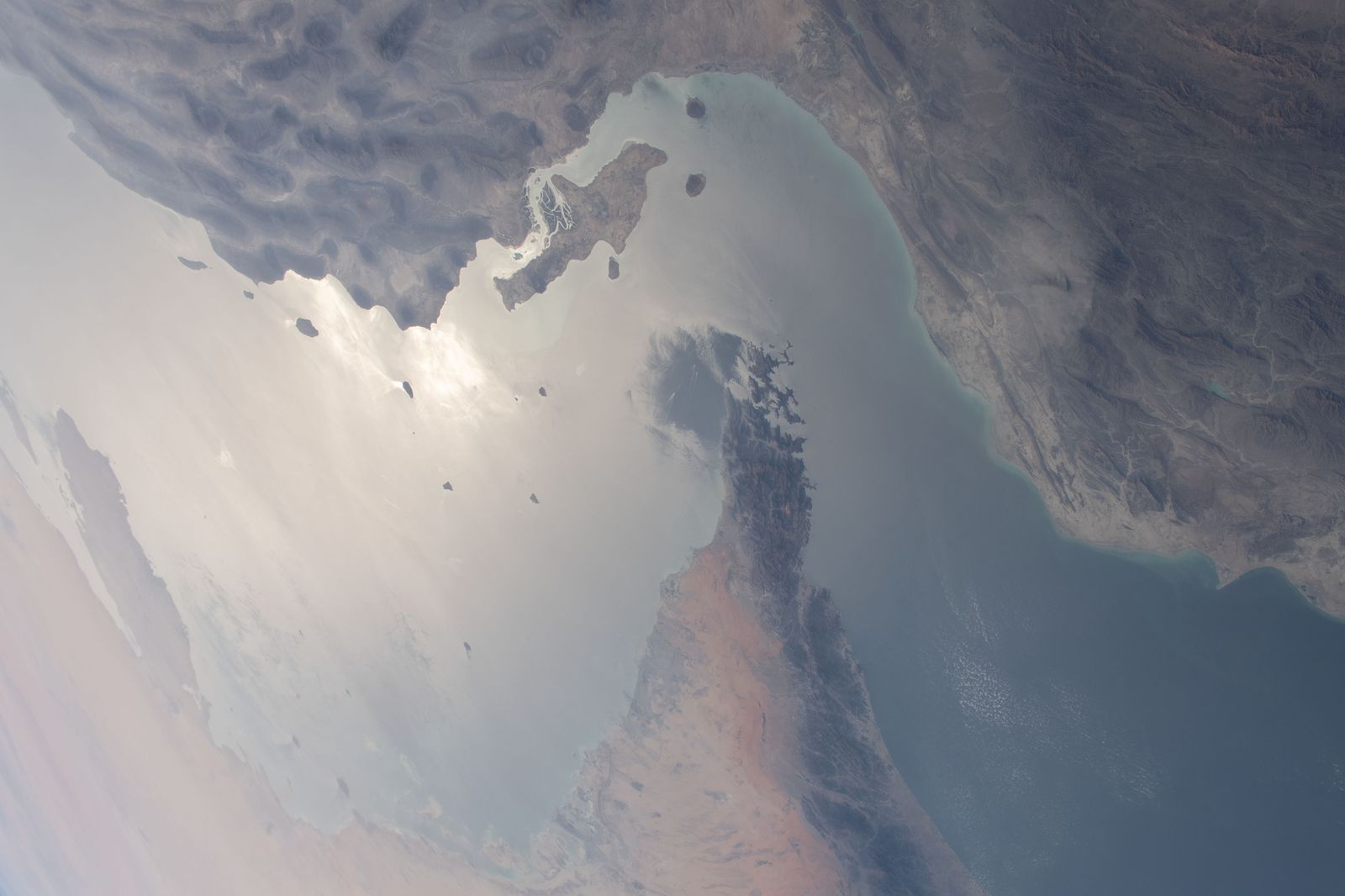
Because here is the other ledger. The war is in its seventh month. Iran shut the Strait of Hormuz — the world's most sensitive energy artery, carrying about a fifth of everything the world burns.
Nineteen ships have been attacked. Oil flows have rebounded to roughly two-thirds of pre-war levels — which means the system is healing, and which means it is still wounded.
Crude sits above $100 a barrel. In plain language: the conflict tax is already at the pump, in the shipping invoice, in the inflation print.
Hence the sequencing trap neither side can escape. Tehran wants sanctions relief before it stops the pressure. Washington wants de-escalation before it offers anything. Each wants the other to move first.
Both capitals agree on the choreography. They disagree on who dances first.
Tehran's calculus: sanctions plus strikes equal pressure to deal. But conceding under pressure carries its own cost — the regime's audience is domestic, and humiliation is a currency regimes cannot spend.
Washington's calculus: $100 oil plus November's midterms. An electorate watching pump prices is an electorate with a short memory for strategy and a long one for receipts.
Both capitals are playing the waiting game. The oil market is charging them both by the day.
The region between the two capitals pays the premium in a different coin. The Gulf states — per Al Jazeera's regional read — live with the shipping risk, the insurance spike, and the knowledge that one incident in the strait outruns any talking schedule.
From Manila, GMA Network reports Tehran insisting on a diplomatic solution even after Trump rejected the peace plan — the read from Southeast Asia runs through fuel prices and shipping lanes, where $100 oil is not a thesis but a bill.
And here is the skeptical question the week must answer: is "talks this week" a negotiation, or is the announcement the negotiation? Presidents have long discovered that predicting talks can be a tactic — it puts the other side on the clock.
What a deal would actually require is unglamorous plumbing: sanctions relief sequenced against verifiable de-escalation, guarantees for Hormuz traffic, and a way for both sides to claim they moved second.
The last item is the hardest. In this kind of standoff, the choreography of who moved first is the substance.
For now, the table is set in a war zone — and the week will reveal whose patience was the bluff.
Western coverage — USA Today on the Axios interview — leads with Trump's confidence: "Tehran is weakening" as both analysis and message. In this telling, the rejected truce offer was a low bid, and the expected talks are the market correcting.
The read is leverage maximalism: hold out, let the sanctions and strikes compound, and let Tehran come back with better terms. Washington's patience is the strategy; Tehran's weakness is the premise.
The open question in this coverage is whether the weakening thesis survives contact with $100 oil — and with an electorate that experiences foreign policy at the pump.
The Eastern read runs through the energy ledger. Import-dependent Asia — the world's largest buyer of Gulf crude — pays the $100 premium with no seat at the table and no vote on the sequencing.
In this telling, the talks are not a diplomatic event but a price event: every headline out of Washington or Tehran moves the barrel, and the barrel moves everything else. The diplomacy is the derivative; the oil is the underlying.
The subtext is weary rather than alarmed: the region has watched this film before, and the ending is always priced in before it is negotiated.
GMA Network's coverage centers Tehran's insistence on a diplomatic solution after the rejection — the peace plan may be dead, but the language of diplomacy is not.
Al Jazeera's Gulf view is unsparing about who carries the risk: the states between the missiles absorb the shipping shock, the insurance shock, and the security shock, while the two principals negotiate over their heads.
The moral drawn in this coverage: great-power patience is a luxury good, and small states pay the retail price.
