Humanoids are entering warehouses and factories before they are ready — and the jobs, safety and wage questions arrive with them.
Published 14 October 2026 · 06:00 GMT
Last updated: October 2026
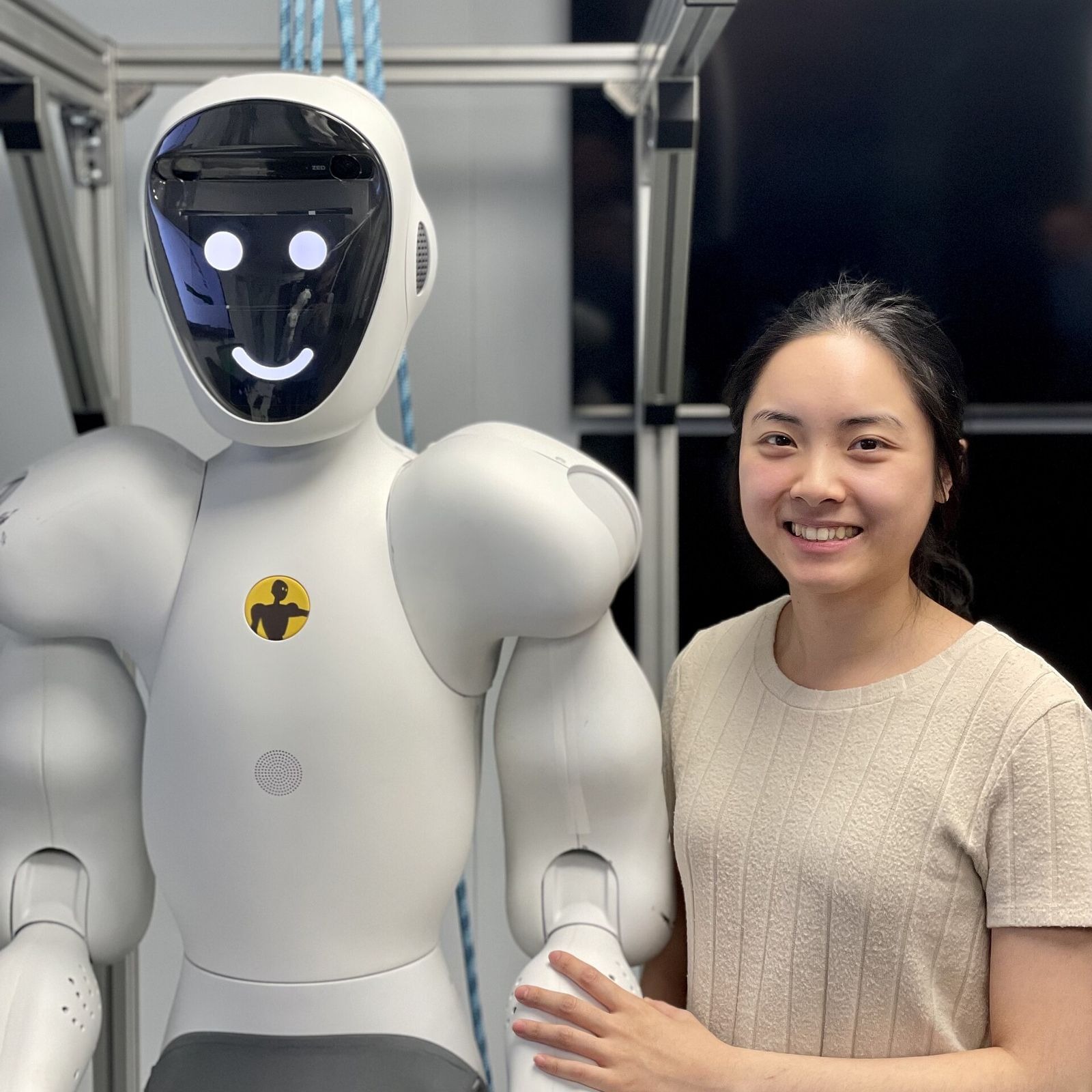
Watch a humanoid robot on stage and you will see a marvel: it walks, waves, folds a shirt, carries a box, and takes a bow. Watch the same robot on a factory floor at three in the morning and you will see the truth: it is slow, it hesitates, it needs supervision, and it occasionally does something nobody can explain. The gap between those two scenes is the story of robotics in 2026. After a decade of demos, humanoid robots are leaving the stage and entering warehouses, factories, and logistics centres — not because they are ready, but because the companies building them have decided that readiness is something you achieve in production, not in the lab. The pilots are real, the tasks are repetitive, and the stakes are no longer theatrical. A robot that fails on stage is embarrassing. A robot that fails on a factory floor is a safety incident, a stopped line, and a worker's question: was this machine brought here to help me, or to replace me?
Watch a humanoid robot on stage and you will see a marvel: it walks, waves, folds a shirt, carries a box, and takes a bow. Watch the same robot on a factory floor at three in the morning and you will see the truth: it is slow, it hesitates, it needs supervision, and it occasionally does something nobody can explain. The gap between those two scenes is the story of robotics in 2026. After a decade of demos, humanoid robots are leaving the stage and entering warehouses, factories, and logistics centres — not because they are ready, but because the companies building them have decided that readiness is something you achieve in production, not in the lab. The pilots are real, the tasks are repetitive, and the stakes are no longer theatrical. A robot that fails on stage is embarrassing. A robot that fails on a factory floor is a safety incident, a stopped line, and a worker's question: was this machine brought here to help me, or to replace me?
The humanoid bet is not aesthetic. It is architectural. Every workplace on earth — the stairs, the door handles, the tools, the shelves, the vehicles — was designed for a body with two legs, two arms, and a head full of sensors at about 1.7 metres. A wheeled robot needs the workplace rebuilt around it. A humanoid, in theory, does not. That is the pitch, and it is powerful enough that billions of dollars have flowed into it. The counterargument is equally simple: the human shape is a compromise, not an optimum. Wheels beat legs on flat floors. A purpose-built gripper beats a five-fingered hand for one job. A fixed arm beats a walking robot for precision. The humanoid's advantage is generality — one machine that can do many jobs badly at first and better over time — over the specialist's advantage of doing one job perfectly today. Whether generality wins is the central engineering bet of the decade, and the answer will not come from a demo. It will come from uptime, cost per task, and injury rates measured over years.
The first real deployments are deliberately unglamorous: moving totes, sorting parts, loading machines, carrying boxes from one station to another. These are the jobs that are repetitive, physically wearing, and hard to staff at current wages — the jobs where a robot that works all night without complaint has an obvious economic case. The early reports from these pilots are consistent. The robots can do the task. They cannot yet do it as fast as a person, as reliably as a person, or as cheaply as a person once supervision, maintenance, charging, and downtime are counted. That is not a failure. It is the normal shape of a technology crossing from prototype to product. The industrial robot followed the same path: expensive, unreliable, and mocked — until it was not. The honest question is not whether humanoids work today. It is whether their cost curve falls faster than the patience of their investors, and whether the factories hosting them learn faster than the robots break.
Every robotics story eventually becomes a jobs story, and this one is no exception. The industry's line is that robots take the dull, dirty, and dangerous jobs and free people for better work. The labour movement's line is that the better work never arrives, and the productivity gains flow to capital. Both lines contain truth. Automation has historically created more jobs than it destroyed — over decades. Over the span of a single career, in a single town, it has destroyed livelihoods that never came back. The humanoid era sharpens this because it targets not just factory labour but the physical generality that was supposed to be automation-proof: the warehouse, the hospital corridor, the construction site, the farm. The countries that navigate this well will share the gains — through training, shorter hours, wage growth, or new forms of security. The countries that do not will get the productivity and the unrest. The robot is not the policy. The policy is the policy, and it is missing.
Western coverage reads the humanoid race as a competition with China layered over a domestic labour debate. American robotics companies emphasise dexterity, AI-driven learning, and integration with the American AI stack. European coverage emphasises safety, worker rights, and regulation — the insistence that a robot working beside a person meets standards before it meets a production target. Both are real. But the Western lens has a blind spot: the West is trying to automate its way out of a labour shortage and a wage problem at the same time, and those two goals conflict. If the purpose is to fill jobs nobody wants, the robot is a relief. If the purpose is to avoid paying more for the jobs people do want, the robot is a weapon. Western politics has not decided which story it believes, and the companies selling humanoids benefit from the ambiguity. The West's task is to decide, openly, what robots are for — and to write that answer into labour law, not just into press releases.
From Beijing, Tokyo, and Seoul, the humanoid story is demographic destiny. China, Japan, and South Korea face shrinking workforces and ageing populations, and all three treat robotics as national infrastructure, not a private gamble. China pairs massive investment in humanoid startups with manufacturing scale and a domestic market that can absorb early, imperfect machines. Japan brings decades of robotics expertise and a cultural comfort with machines in caring roles. South Korea brings the world's highest robot density in manufacturing. In this lens, the West's jobs debate looks like a luxury of countries that still have demographic room. The Eastern priority is capability: robots that care for the elderly, staff the factory, and keep the economy running as the workforce shrinks. The risk in this reading is the same as in the AI race: speed without safety, and deployment without a social bargain, produces failures that are blamed on the machine rather than on the choices behind it.
For most of the world, the humanoid factory arrives as a threat to the oldest development ladder in economics. The classic path — from farm to factory to prosperity, powered by cheap labour — assumed that rich countries needed poor countries' workers. Humanoids attack that assumption directly. If a factory in Ohio or Guangdong can run with robots, the jobs that were supposed to migrate to Lagos, Dhaka, or Casablanca may never arrive. The Global South lens therefore reads the humanoid race with alarm: not because robots are evil, but because the development model built on labour arbitrage is being automated away before it delivered for everyone. The counter-strategy is not to ban robots. It is to move up the chain: build, maintain, programme, and service the machines; own the energy and materials they need; and negotiate trade and technology transfer while there is still leverage. The countries that only supply cheap hands in the humanoid era will find the market for cheap hands shrinking.
Watch the cost curve: the first humanoid that beats a human worker on cost per task, all-in, in a real deployment. Watch the safety record: the first serious injury involving a humanoid in a shared workspace, and how regulators respond. Watch the labour bargain: the first major contract that writes robot deployment rules into a collective agreement. And watch the Global South: the first country that builds a robotics maintenance and programming industry rather than merely importing the machines. Those four events will tell us whether the humanoid factory is a productivity revolution or a transfer of wealth to the people who already own the robots.
Every workplace — the stairs, the door handles, the tools, the shelves, the vehicles — was designed for a body with two legs, two arms, and a head of sensors at 1.7 metres. A wheeled robot needs the workplace rebuilt around it. A humanoid does not. That is the pitch, and it is powerful that billions of dollars have flowed into it. The humanoid's advantage is generality: one machine that can do many jobs at first and better over time.
The first real deployments are deliberately unglamorous: moving totes, sorting parts, loading machines, carrying boxes from one station to another. The early reports are consistent. The robots can do the task, but they cannot yet do it as fast as a person, as reliably as a person, or as cheaply as a person once supervision, maintenance, charging, and downtime are counted. That is not a failure. It is the normal shape of a technology crossing from prototype to product.
Automation has created more jobs than it destroyed — over decades. Over the span of a career, in a town, it has destroyed livelihoods that never came back. The humanoid era sharpens this because it targets not just factory labour but the generality that was supposed to be automation-proof: the warehouse, the hospital corridor, the construction site, the farm. The countries that navigate this well will share the gains through training, shorter hours, wage growth, or new forms of security.
Watch the cost curve: the first humanoid that beats a human worker on cost per task, all-in, in a real deployment. Watch the safety record: the first serious injury involving a humanoid in a shared workspace, and how regulators respond. Watch the labour bargain: the first major contract that writes robot deployment rules into a collective agreement. And watch the Global South: the first country that builds a robotics maintenance and programming industry rather than merely importing the machines.
