Eleven days after the CBN cut rates by 350 basis points to 23%, banks parked over 7 trillion naira at its overnight window. Private credit shrinks in real terms while the naira holds at 1,328.
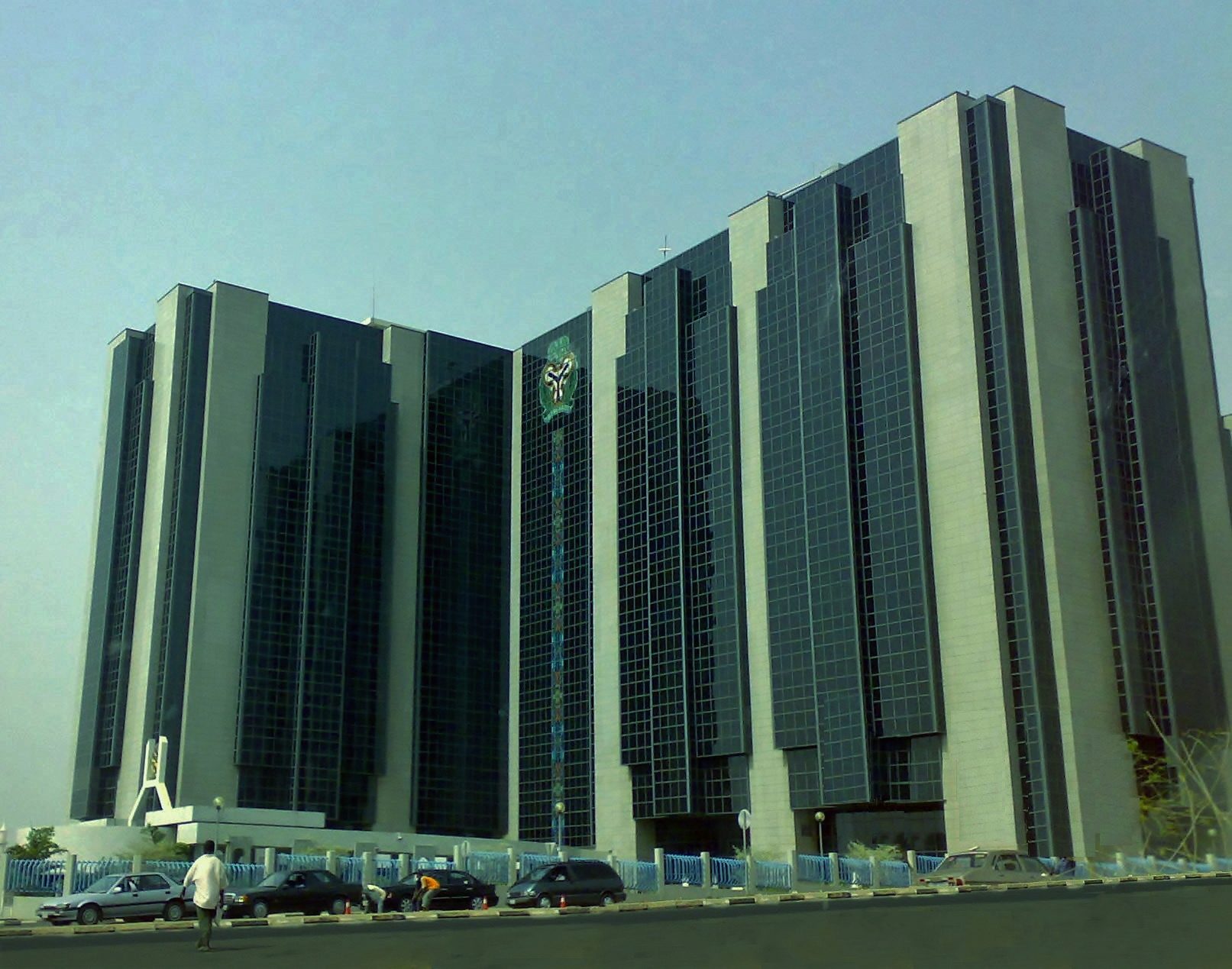
Nigeria cut the price of money by three and a half percentage points. The banks took the cheaper money, looked at the economy, and deposited it right back where it came from.
The numbers are almost comic. On September 22, the Central Bank of Nigeria's 307th Monetary Policy Committee cut the MPR by 350 basis points to 23% — the boldest easing of the Tinubu era, meant to coax credit into a starved real economy. In the week to September 25, banks parked more than ₦7 trillion at the CBN's own overnight window. The easing went out the front door and came back through the vault.
The banks' behavior is rational, which is what makes it damning. Lending to Nigerian businesses at 23% policy rates means lending at 30%+ in practice, into an economy growing modestly, with power costs punishing and FX risk never far. Parking cash at the central bank — even inside a narrowed corridor — is the risk-adjusted winner. The CBN cut the price of money; it could not cut the price of risk.
The CBN cut the price of money; it could not cut the price of risk.
Private credit tells the same story in slower motion: ₦84.55 trillion in August, shrinking in real terms against 15.39% inflation. In an economy where prices rise fifteen percent a year, flat nominal credit is a contraction — the banking system is, in real terms, disinvesting from the private sector while the headlines celebrate easing.
The naira, meanwhile, holds at ₦1,328.67, and reserves at $54.83 billion are an eighteen-year high. The external accounts are the administration's genuine achievement — oil flows steadier, the FX backlog cleared, the parallel-market premium compressed. But a strong reserve position funding a weak credit system is a fortress with empty barracks: the defenses are impressive, and nobody is manning the economy.
The MPC's next move is now the market's guessing game. Cut again and watch the deposits pile higher — proof of impotence. Hold, and admit the September cut was premature. The ₦7 trillion sitting at the overnight window is not just liquidity; it is a vote of no confidence, cast by the very institutions the cut was meant to mobilize.
The Western investor lens is the carry arithmetic. At 23% policy rates with a stable naira and $54.83 billion in reserves, Nigeria screens as the EM carry trade's next address — the very trade unwinding in Mexico tonight is hunting for a new home. The Western read: the ₦7 trillion at the window is dry powder, and foreign funds are deciding whether to join it.
The IMF-style Western technocratic lens is sterner: monetary transmission this broken means the policy rate is decorative. Easing that ends as central-bank deposits is fiscal dominance wearing a monetary mask — and the Fund's next Article IV will say so, politely.
Beijing's lens is the creditor's patience. China holds Nigerian infrastructure debt and watches the credit data as a repayment indicator: an economy where banks will not lend is an economy where projects stall. The Eastern read is practical — the naira's stability and the reserves high matter more than the MPC's theater, because they underwrite the debt service.
The Gulf's Eastern-adjacent lens is the FX one. With reserves at an 18-year high and the naira at 1,328, Nigeria's external position is the strongest in a generation — the kind of stability that invites Gulf sovereign capital into infrastructure and energy. The rate cut's failure is domestic; the external story still sells.
Africa's lens is recognition with an edge. Every African finance ministry has watched banks arbitrage the central bank instead of lending to the economy — it is the continent's oldest monetary pathology. The Southern read: Nigeria just demonstrated, at continental scale, that the policy rate is a suggestion and risk appetite is the policy.
The harder Southern reading is about the real economy's verdict. When banks prefer 23%-minus-a-corridor at the central bank to 30%+ from businesses, they are pricing Nigerian enterprise risk as uninvestable. That is not a liquidity problem. It is a growth-model problem, and no MPC vote fixes it.
