Iran said Wednesday it had received the US reply to its seven-day Hormuz plan; Foreign Minister Araghchi laid it before President Pezeshkian at a cabinet meeting. The same day, the rial crossed 2.5 million to the dollar for the first time — and three commercial vessels were struck near the strait.
Washington's reply reached Tehran on Wednesday — carried by Qatari mediators to a cabinet meeting. What Tehran makes of it is the most consequential question in the oil market.
Iran said it had received the latest U.S. counterproposal: a ceasefire and a framework to end nearly seven months of conflict. Foreign Minister Abbas Araghchi presented the American response to President Masoud Pezeshkian, a government spokeswoman said, without disclosing its contents. The proposal reportedly calls for a seven-day ceasefire — though it was unclear whether Washington had accepted Iran's conditions: lifting the naval blockade, releasing frozen assets, and easing oil sanctions.
The snag is the sequence: Tehran wants Washington to move first, and Washington wants Tehran to. Trump rejected Iran's initial seven-day plan on Saturday, saying Tehran was "losing so badly," and wrote on Truth Social on Sunday that he had offered Iran nothing — "I offered them NOTHING." Ambassador Mike Waltz told CNN the first proposal was unacceptable because Iran was "asking for everything up front." On Tuesday the Treasury sanctioned ten more individuals and entities under "Operation Economic Outcast," targeting weapons procurement for Iran's defense ministry. And Axios reports U.S. officials saying Trump is inclined to order a return to major combat after the November midterms if talks fail.
“If there is a response, the Qataris will convey it to us and a decision will be made in Tehran on that basis.” — Abbas Araghchi, Iran's foreign minister
The paper reached Tehran through Qatar, one of the mediators shuttling messages between the two sides along with Pakistan. It follows last week's talks in New York, where Araghchi met Trump's envoys Steve Witkoff and Jared Kushner on the margins of the UN General Assembly. A June memorandum of understanding — reopening Hormuz and preventing Iran from obtaining a nuclear weapon — remains the stated reference, though the two sides have spent the summer arguing over the order of steps rather than the destination.
Meanwhile the economy is doing its own negotiating. The rial fell past 2.5 million to the dollar on Tuesday — 2.542 million in Tehran's free market, touching 2.548 million intraday — after a previous record of 2.2 million on September 2. Before the war began in February it traded near 1.7 million. Spokeswoman Fatemeh Mohajerani said U.S.-Israeli strikes had knocked out about 230 million cubic meters of gas production capacity, roughly 100 million of it being restored, and warned northern provinces would likely face shortages this winter.
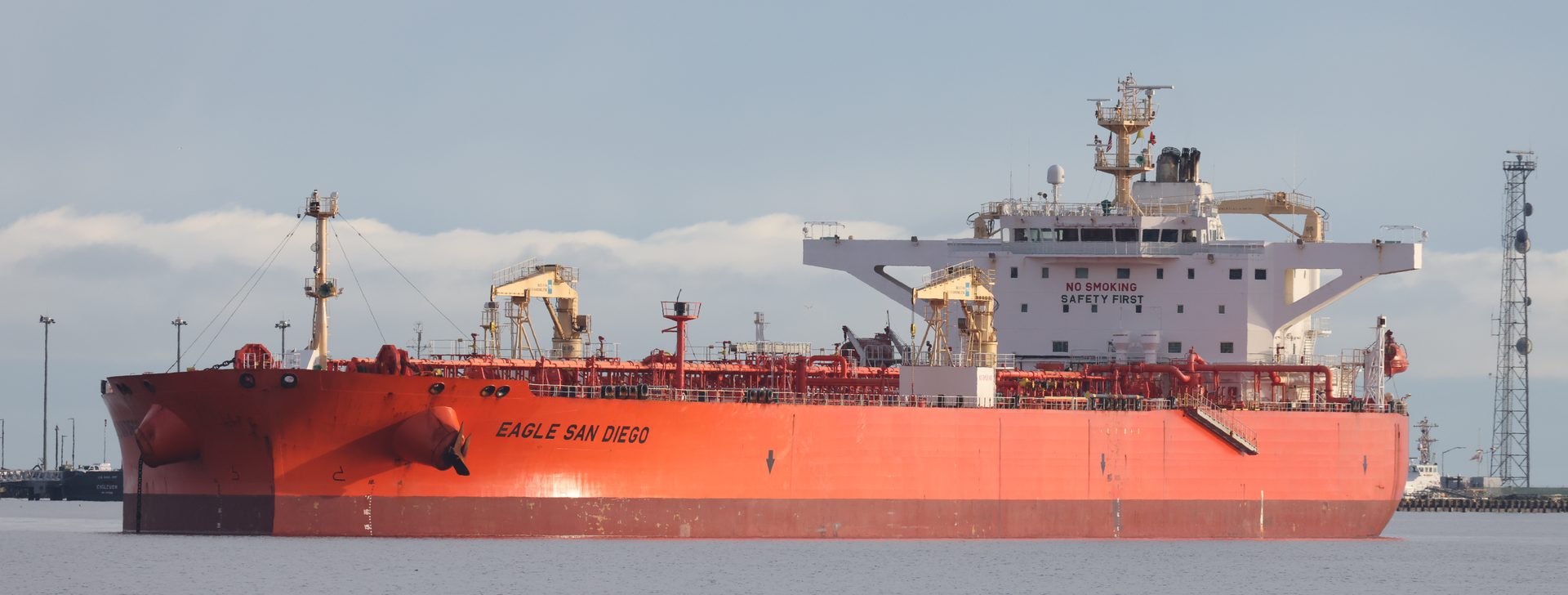
And the waterway at the center of it all is still dangerous. Britain's Maritime Trade Operations center issued three vessel advisories on Tuesday: a crude tanker, an LNG tanker and a third vessel were struck by unknown projectiles near the Strait of Hormuz — no attribution, no damage details. Middle East crude flows are back to about 98% of prewar levels, JPMorgan estimates, but refined-product flows sit at only 58%.
In Washington, the counterproposal is pressure-first: fresh sanctions Tuesday, a midterms-shaped military option in reserve, and a public refusal to concede anything up front — a test of whether Tehran moves without preconditions. The risk is misreading: a government watching its currency collapse may decide defiance pays better than a deal it cannot sell at home.
Tehran reads the arrival of the paper as engagement in itself — proof the channel is alive even after a public rejection. Iranian state media has laid out the sequencing: the clock starts when Washington accepts, Hormuz reopens on day six, nuclear talks on day seven. The distrust is the substance now: as President Pezeshkian put it, Iran has not walked away, but it "no longer trusts the United States." For Moscow and Beijing, the negotiation is a calibration — the terms on which American power and Iranian endurance meet.
For the South, this is the strait as a wallet: Asian buyers of Iranian crude, African fuel budgets already projected upward, Gulf crude back at 98% but refined products at 58% — and three tankers struck while diplomats trade paper. Qatar and Pakistan carry the messages because the great powers cannot talk directly. The Global South pays the risk premium every day this goes on.
