Treasury Secretary Bessent says Tehran's last sanctioned crude deliveries will reach China within two weeks. Operation Economic Outcast has run since July 14 — and this is what the end of an oil empire looks like.
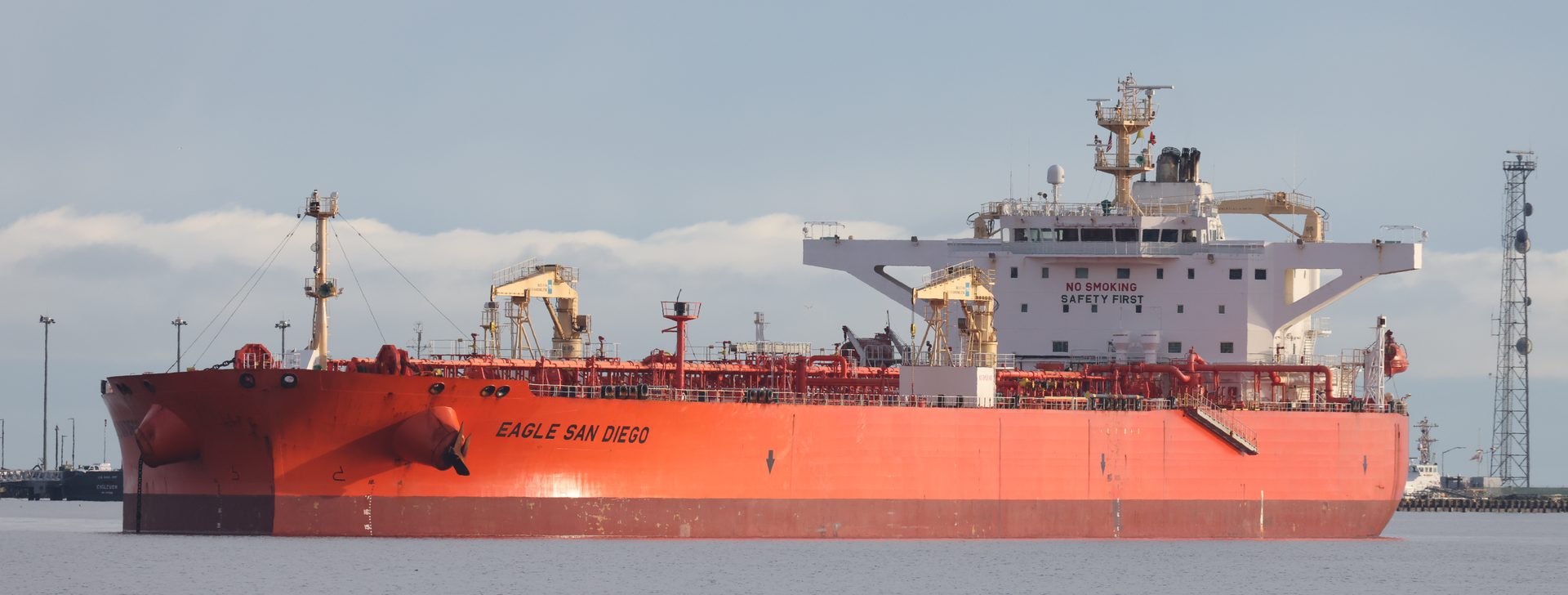
Somewhere between the Strait of Hormuz and the South China Sea, roughly fifteen million barrels of Iranian crude are steaming toward their last customer — and the clock on four years of evasion is about to run out.
Scott Bessent chose his words carefully on Sunday. Asked about the fate of Iran's sanctioned oil fleet, the Treasury Secretary told Fox News that the remaining cargoes — some fifteen million barrels — would be delivered to China within about two weeks, after which the trade would effectively end. It was the clearest signal yet that Operation Economic Outcast, the American naval interdiction campaign that began on July 14, is approaching its terminal phase.
The numbers behind the operation are staggering. For years Iran moved between one and 1.5 million barrels a day to China through a 'ghost fleet' of aging tankers, ship-to-ship transfers off Malaysia, spoofed transponders and front companies — a system that financed Tehran's budget, its proxies and its nuclear programme despite the tightest oil sanctions ever imposed. Washington's blockade turned the water itself into a weapon: boarding, seizing and blacklisting vessels one by one until the insurance, the buyers and the ports all walked away.
When the most aggressive oil interdiction in modern history ends with a shrug from the futures curve, the energy order has already moved on.
The endgame matters beyond Tehran. Iranian barrels have been the discount fuel of China's independent refiners — the 'teapots' of Shandong — which bought at $10–15 below market and refined a margin the whole Chinese coastal economy could feel. Their replacement barrels will cost more, and come from Russia, the Gulf or West Africa instead. The sanction has, in effect, re-priced a slice of Asia's energy diet.
Markets have priced the outcome with remarkable calm: Brent near $97.50 suggests traders believe OPEC+ spare capacity — or weaker demand — will absorb the loss. That calm is itself the story's sharpest edge. When the most aggressive oil interdiction in modern history ends with a shrug from the futures curve, it tells you the energy order has already moved on.
What remains is the question of the fleet itself: dozens of sanctioned tankers, many uninsured and unseaworthy, with nowhere to discharge and owners with nowhere to hide. Fifteen million barrels at sea is a logistical problem, a legal problem and an environmental one. The last delivery is never really the last problem.
From Washington's vantage, this is sanctions statecraft vindicated. Four years of 'maximum pressure' that Iran's ghost fleet laughed at finally met a tool Tehran could not spoof: hulls, boarding parties and the insurers' terror of the American list. Bessent's two-week timeline reads as a victory lap scheduled in advance.
The deeper Western read is about precedent. If a naval blockade can strangle a million barrels a day without spiking Brent past $100, the template is exportable — to Russian shadow tankers, to any future sanctions target. The cost was borne by the sea lanes, not by American drivers. That changes the calculus of every sanctions debate from now on.
Beijing's silence is the loudest fact in this story. China never acknowledged buying sanctioned Iranian oil; it simply bought it, refined it and built coastal prosperity on the discount. The two-week deadline lands as an American announcement about Chinese commerce — and Beijing's refusal to dignify it with a response is itself a policy: sovereignty performed through silence.
For the teapot refiners of Shandong, the end is brutally material. Replacement barrels at full price compress margins that were already thin; some refineries will idle, some will consolidate. The Eastern lens sees not a sanctions victory but a forced restructuring of China's energy supply — costlier, more dependent on fewer sellers, and therefore more fragile.
The Global South reads this as a demonstration of who owns the ocean. Iran sold oil to China in defiance of Washington and survived for years; what broke the trade was not law but logistics — insurance, ports, flags — all of them ultimately American-controlled. For every developing country that trades in dollars' shadow, the lesson is chilling: sovereignty ends where the shipping lane begins.
There is also the environmental footnote nobody priced. Dozens of aging, uninsured tankers with fifteen million barrels aboard and no legal port of call are a spill waiting for a storm. When the blockade's paperwork is filed away, the rusting hulls remain — and the cleanup, as always, will belong to the coasts, not the capitals.
