Unchlorinated water, a sewage-polluted river and a city that failed to warn: the anatomy of Tshwane’s water crisis — and what it says about South Africa’s constitutional promise.
Published 21 October 2026 · 13:15 GMT
Between 7 and 18 October 2026, at least 408 people — most of them children under four — fell ill with severe gastrointestinal symptoms after drinking tap water in Bronkhorstspruit and surrounding communities in the City of Tshwane’s Region 7. Cases peaked on 13 October with 72 new patients in a single day, overwhelming Bronkhorstspruit Hospital and local clinics. No deaths have been reported.
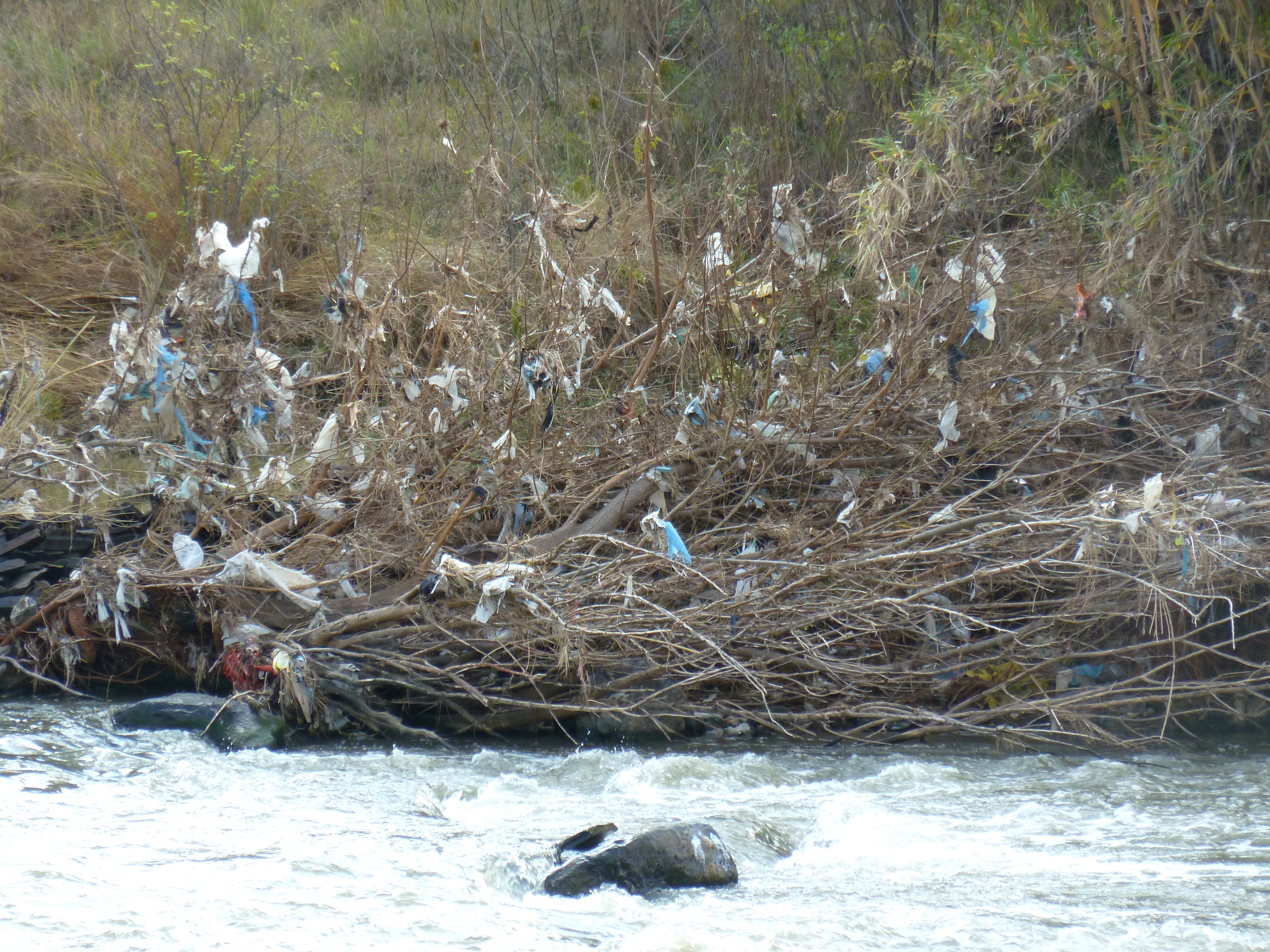
The cause, confirmed by a joint investigation of national, provincial and municipal authorities, was as basic as it was damning: the Bronkhorstspruit Water Treatment Works supplied water that had not been chlorinated for three weeks, between 24 September and 14 October. The plant draws raw water from the Bronkhorstspruit River, badly contaminated with sewage from dysfunctional upstream wastewater works in the Victor Khanye municipality and failing Tshwane sewage pump stations.
At a joint briefing on 19 October, Health Minister Aaron Motsoaledi, Water and Sanitation Minister Pemmy Majodina, Gauteng Premier Panyaza Lesufi and Tshwane Mayor Nasiphi Moya presented the findings. Moya admitted municipal negligence: the chlorine supplier, which she called a monopoly, had raised prices astronomically, negotiations deadlocked, and officials never informed the city’s leadership — or residents — that the water was unsafe. Disciplinary action is under way.
Department of Water and Sanitation tests on 14 October found extremely high levels of E. coli and total coliforms in water from the treatment works and the Zithobeni and Ekandustria reservoirs. E. coli signals recent faecal contamination; high coliform counts mean other disease-causing organisms are likely present. The National Institute for Communicable Diseases detected Norovirus, Campylobacter and Shigella in patient stool samples. No cholera was found.
We know the timeline: the chlorination gap ran 24 September to 14 October. We know the city was warned by its own residents — GroundUp reported on 9 October that people were complaining about discoloured tap water, and got no response from officials. And we know the response: the plant closed 14 October, chlorine supply was restored 15 October, it reopened 16 October — but the water is still not safe to drink. Tap water may now be used only for flushing toilets.
We also know this is not isolated. The 2025 Green Drop Report found 597 of 848 wastewater systems scoring below 31 percent — the “critical” band. National microbiological compliance of treated effluent is 35 percent; chemical compliance 48 percent. Raw sewage routinely enters the rivers feeding the country’s drinking-water plants. As expert Dr Anthony Turton told GroundUp: “None were designed to convert raw sewage into potable water, which is what they are now being asked to do.”
No formal outbreak has been declared — the NICD is collecting more specimens to decide, and officials have not said when the water will be safe again. The joint ministerial statement says it is “not possible to give a timeframe” for residents to drink from the Bronkhorstspruit works again, and Rand Water is still assessing whether the plant should stay isolated for further work.
We do not know the full medical picture: no consolidated account exists of hospitalisations, complications, or longer-term effects on the under-fours who bore the brunt. We do not know whether the mayor’s account of the chlorine dispute will survive scrutiny — the “monopoly” supplier, the alleged fourfold price increase, and the internal breakdown that kept city leadership in the dark are all unaudited claims.
And we do not know what the Water Research Commission’s independent investigation — due 28 October — will conclude, or who will face consequences.
South Africa’s Constitution guarantees everyone the right of access to sufficient water — the legal backbone of the post-apartheid social contract, the promise that the state would deliver to millions what the old order denied. When a major metro supplies unchlorinated, sewage-tainted water for three weeks without warning, the failure is constitutional, not technical. As Prof. Tracy-Lynn Field told The National, water access is “central to human dignity, life and health” — a right now drifting from reality.
It matters because the victims are the most vulnerable: children under four, least equipped to fight Norovirus, Campylobacter and Shigella, were the majority of the 408. A one-year-old in Zithobeni drinking discoloured water for lack of alternative is the human face of a procurement-office spreadsheet failure. Gauteng’s health system absorbed the surge; the cost fell on families who could least afford it.
And it matters as a national warning. The Green Drop numbers — 35 percent microbiological compliance, nearly 600 critical systems — describe wastewater infrastructure failing in plain sight. Bronkhorstspruit is where the failure reached the tap first.
The chain of failure is brutally simple. A plant abstracting raw water from a sewage-polluted river needs its chlorination to work flawlessly — the last barrier between faecal contamination and a child’s glass of water. For three weeks that barrier did not exist. The proximate cause was commercial: a chlorine supplier the mayor calls a monopoly raised prices astronomically, talks collapsed, supply stopped. But the proximate cause is not the real cause. The real cause is that nobody in the chain — not the plant officials who knew, not the city leadership that didn’t, not the departments that audit these systems — warned the people drinking the water. Residents flagged discoloured taps on 9 October.
The deeper structure is what the Green Drop Report has documented for years: a national system designed on “indirect reuse” — treated sewage flowing into rivers that feed drinking-water plants — colliding with wastewater infrastructure that no longer treats. At 35 percent national microbiological compliance, “indirect reuse” becomes a euphemism for recycling sewage. Turton’s line is the one-sentence indictment: the plants were never designed to turn raw sewage into drinking water, and that is now what they are asked to do.
Politically, the mayor’s posture is the classic crisis two-step: admit negligence in the abstract, blame officials and a supplier in the concrete. Moya took “responsibility for negligence” while explaining her own officials had kept her uninformed — a formulation that spreads accountability thin enough to touch no one. South Africa has a rich vocabulary for accountability and a thin record of it.
The second-order effects will travel further than the outbreak. First, trust: every township and suburb in Gauteng now has reason to doubt its tap, and doubt is expensive — bottled water, tanker queues, lost working hours. Second, investment: water security is a line item in every serious investor’s South Africa risk assessment, and a metro that cannot chlorinate its water for three weeks is a data point that travels in boardrooms.
Third, the fiscal spiral. Emergency tankering, hospital surges, Rand Water’s intervention, the WRC investigation — crisis response always costs multiples of prevention. The city spent R20.8 million on the 60-year-old plant in 2025/26 and approved R57 million for 2026/27; the question is whether the procurement machinery can convert budgets into working pumps, sand filters and chlorine contracts.
Fourth, the legal order. The 2025 Compulsory Standards required the city to warn residents; it didn’t. The constitutional right to water is only as real as its enforcement, and each unenforced standard teaches municipalities that rights paperwork can be filed away while taps run brown. If Bronkhorstspruit ends in resignations and prosecutions, it becomes a precedent. If it ends in a press conference, it becomes a template — for the next town.
The immediate calendar is set. The Water Research Commission’s independent investigation is due by 28 October; its findings will test whether the mayor’s supplier-monopoly account holds and whether the city’s failures run deeper than disclosed. Rand Water, appointed implementing agent, is developing a plan with timeframes — including whether the plant must be isolated again for essential repairs. The NICD continues collecting specimens for a formal outbreak decision.
The political calendar is less certain. Calls for Mayor Nasiphi Moya’s resignation were mounting by 20 October, and the opposition will not let a 408-case outbreak — with no warning to residents — fade quietly. Disciplinary proceedings against the officials who failed to alert city leadership are under way, but their credibility depends on visible outcomes.
For residents, the watch is simpler and harder: the 36 tankers drawing from the Cullinan works are the lifeline until the plant is certified safe, and no authority will say when that day comes. Bronkhorstspruit asked the question South Africa’s water system has been avoiding: if the rivers are sewage and the chlorine stops, who tells the people? Next time, the answer must arrive before the hospital admissions do.
The Western lens, via no dedicated coverage, is absent for now: no Western wire or outlet has picked up the Bronkhorstspruit crisis; the reporting is entirely South African. When the Western press does engage with South Africa’s water failures, it reads them as governance indicators — proxies for state capacity alongside power cuts, logistics and municipal finance. For now, the West is not watching.
The Eastern lens, via no dedicated coverage, is likewise absent: no East Asian outlet has reported the crisis. The actors are South African municipalities, ministers and residents — there is no Asian angle, and Asia’s engagement with Africa’s water sector runs through development finance and engineering contracts, not breaking-news coverage of municipal failures. If Beijing, Tokyo or Delhi engage here, it will be through the infrastructure deals that follow the disaster, not the disaster itself.
The Southern lens, via the South African press itself, carries the whole story — and frames it as accountability, not tragedy. GroundUp’s original reporting set the timeline; Business Day, Sowetan, The National and Salaamedia each added independent verification and political pressure. The southern press asks the questions the official briefing tried to contain: who knew what, when, and why were residents drinking poison while officials negotiated with a supplier?
For three weeks (24 September–14 October 2026) the Bronkhorstspruit treatment plant supplied water without chlorination, following a dispute with its chlorine supplier. The plant draws raw water from the Bronkhorstspruit River, which is heavily polluted with sewage from dysfunctional upstream wastewater works. Without chlorine to kill pathogens, faecal contamination flowed straight into the taps: tests found extremely high E. coli levels, and patients carried Norovirus, Campylobacter and Shigella.
No. The plant was closed on 14 October, chlorine supply restored on 15 October, and the plant reopened on 16 October — but authorities stress the water is still unsafe to drink. Tap water may currently be used only for flushing toilets. Thirty-six water tankers distribute safe drinking water sourced from the Cullinan treatment works, and officials say they cannot yet give a timeframe for when the Bronkhorstspruit supply will be certified safe.
Mayor Nasiphi Moya has admitted municipal negligence while blaming water-department officials for failing to inform her executive and a “monopoly” supplier for the chlorine dispute. Disciplinary and consequence-management proceedings are under way against officials. The Water Research Commission’s independent investigation is due by 28 October, and calls for the mayor’s resignation were already mounting by 20 October. Whether announcements turn into consequences remains the open question.
