On Tuesday, eight public-sector unions called a national strike — 150+ demonstrations in 91 departments — against the index-point freeze. 862,000 public servants earn below the minimum wage. The street is back.
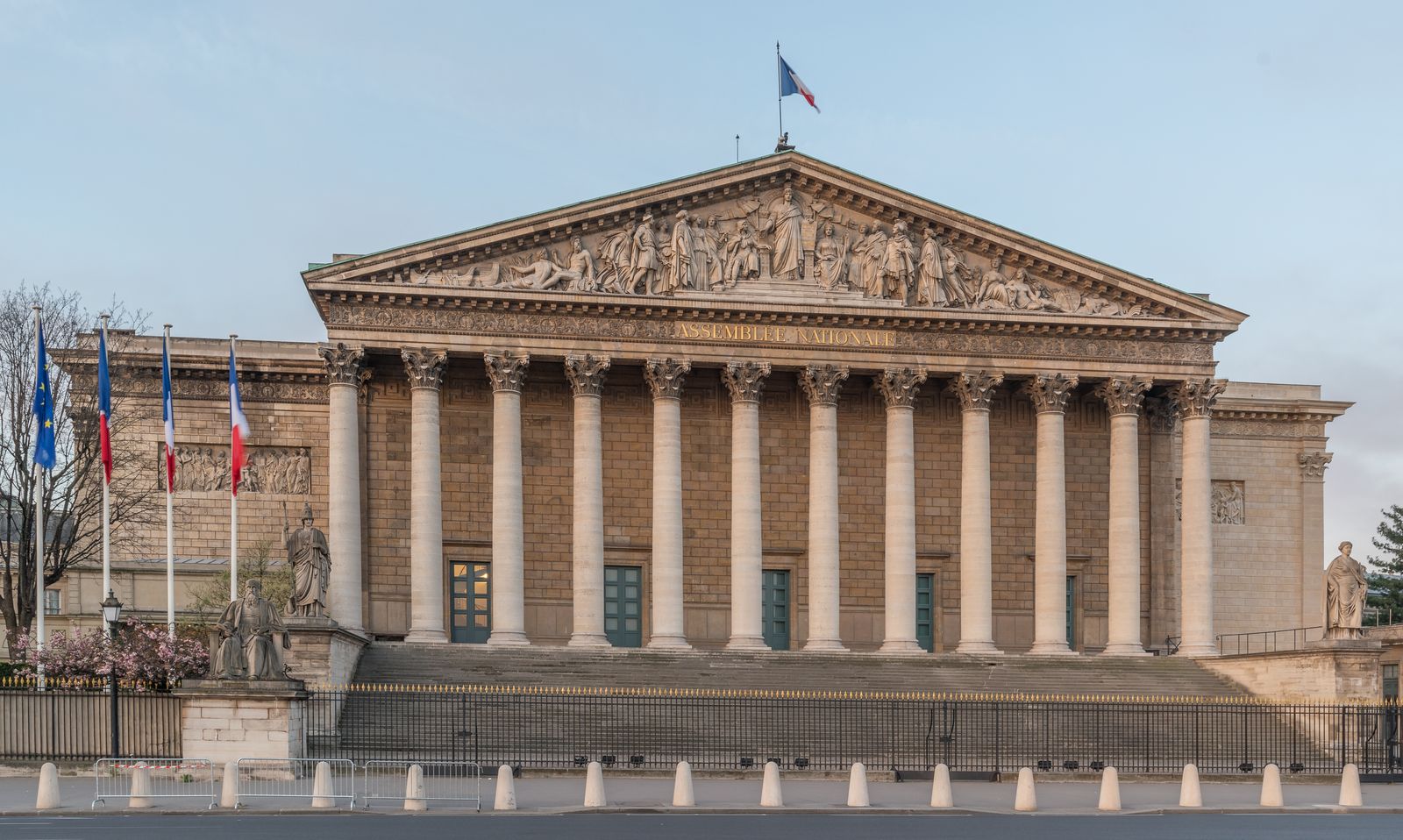
On Tuesday, France did what France does. Eight public-sector unions called a national day of strike action — more than 150 demonstrations in 91 departments — and the country woke to the familiar choreography: closed schools, thin metro service, hospital pickets, and the statistics of a pay dispute that has been freezing, literally, for years.
The demand fits on a placard: unfreeze the index point. The 'point d'indice' is the mechanism that sets public-sector pay in France; frozen, it means the state gives its workers a real-terms pay cut every year inflation runs. After the inflation of recent years, the arithmetic is brutal — and the unions' headline number, 862,000 public servants earning below the minimum wage, is designed to make it unanswerable.
The scale is what makes this a national event rather than a sectoral grievance. One hundred and fifty demonstrations, ninety-one departments, eight unions marching together — the public sector's full spectrum, from teachers to transport workers to hospital staff. French strikes are often fragmented; this one is not.
A state that pays nearly a million of its own workers less than the legal minimum has a story problem.
Paris, as always, is the stage. The RATP networks — metro, bus, tram — face major disruption; schools and hospitals are staffing picket lines instead of classrooms and wards. The capital's commuters will do the arithmetic the unions want them to do: the inconvenience of one day against the frozen pay of years.
Beneath the surface, the calendar is the message. The strike lands as the government finalizes its budget — and the index freeze is, at bottom, a budget decision wearing a pay policy's clothes. The unions are not just demanding money; they are demanding that the budget season price in the public sector's purchasing power.
What happens next is the usual French sequence: the day's turnout numbers, the government's response, the negotiation or the next date. But the 862,000 figure has a way of sticking to a government. A state that pays nearly a million of its own workers less than the legal minimum has a story problem, whatever its budget problem.
And there is the European mirror. While Berlin cuts fuel taxes to feed a recovery and London warns of rate hikes to fight inflation, Paris takes to the street over the price of its own state. Three capitals, three different answers to the same autumn — and the French one, as ever, is the loudest.
Western coverage — the French and European press — reads the strike as the budget season's opening act: the government's fiscal consolidation meeting the street's purchasing-power revolt. The frame is institutional — unions, turnout, negotiations — and the question is whether the day's numbers force the budget's hand.
The Western lens also notes the rarity of the unity. Eight unions, 91 departments, the full public-sector spectrum: when the French street moves together, governments have learned to count carefully.
Eastern coverage reads the French strike as the West's social contract fraying in public. The framing is dry: the country that lectures the world on labor rights cannot pay its own teachers above the minimum wage. The 862,000 figure is repeated with particular attention.
The Eastern lens also treats the strike as routine — France walks out the way other countries vote. In this reading, the event is less a crisis than a ritual, and the ritual is the point: the street is France's second parliament.
The Global South lens — Al Jazeera, African outlets — reads the story with a certain irony: the former colonial power's workers striking for a living wage, while the South's public servants would envy the French minimum. The coverage is sympathetic but clear-eyed about the relativity of the grievance.
The South's structural point is about the index itself. A pay mechanism frozen by decree is, in the South's reading, the same austerity the IMF once prescribed to others — now applied at home, and now meeting the same resistance.
