Beijing is weighing whether to let ByteDance and Alibaba buy Nvidia's new RTX PRO 5500 — a workstation-class chip analysts expect to slip past US export curbs. It is the latest move in the cat-and-mouse game over AI compute, and both sides are playing it in the open.
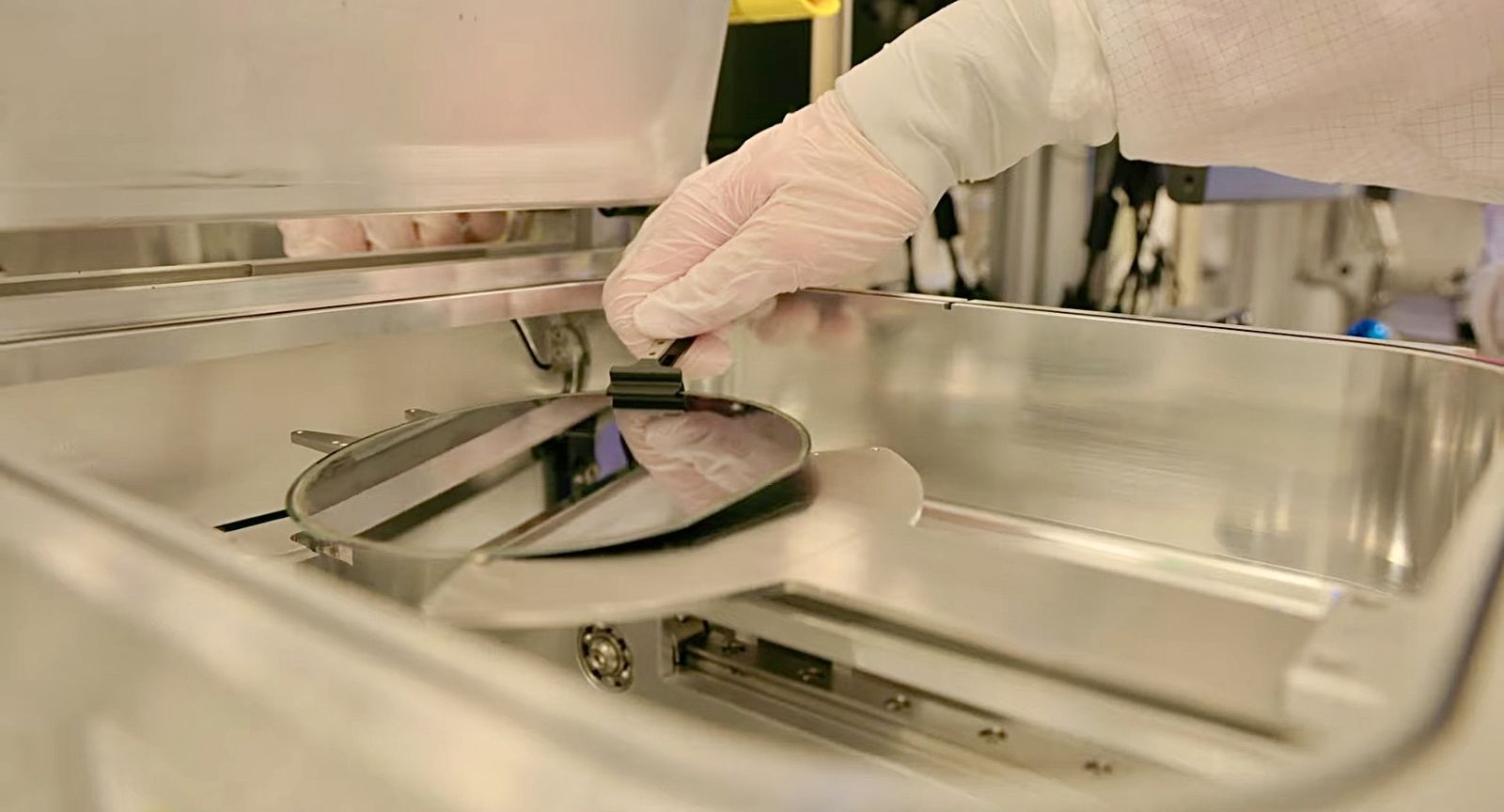
Export controls are supposed to be walls. Nvidia keeps finding the doors.
Beijing is weighing whether to allow ByteDance and Alibaba to buy Nvidia's new RTX PRO 5500 — a workstation-class chip that analysts expect to slip past US export curbs.
The mechanism is worth understanding, because it is the whole game. American export controls set performance thresholds — a ceiling on how much compute a chip sold to China may deliver. Nvidia's response, refined over several rounds, is to design just under the line.
The precedent is the H20: when the H100 and H800 were restricted, Nvidia built a chip specifically to comply — legal on paper, useful in practice. The RTX PRO 5500 may be the sequel.
The "workstation" label is doing heavy lifting. A workstation-class chip is sold as a professional graphics card for designers and engineers — a different regulatory box than a data-center AI accelerator. The compliance math changes with the label.
Silicon, it must be said, does not read labels.
For ByteDance, the need is concrete: training and inference capacity for TikTok's recommendation engines — the most valuable algorithmic real estate on earth — and for its wider AI push. Both run on compute the way cars run on fuel.
For Alibaba, the need is commercial: cloud AI services sold to everyone else. A chip shortage for Alibaba is a revenue problem before it is a geopolitical one.
Which is why Beijing's decision is not just "can they buy" but "should they." Approval is a valve, not a door: managed access that keeps the tech giants competitive while domestic supply matures.
The domestic-supply view — Caixin's angle — is unsentimental: every imported Nvidia chip is a lost sale for a Chinese fab, and Huawei's Ascend line is catching up. Some in Beijing would rather the giants waited.
Washington, meanwhile, faces the dilemma that never resolves. Each workaround chip is a policy leak — the control says one thing, the shipment says another.
But each denial is a subsidy for the Ascend line. Block Nvidia, and Chinese buyers fund the domestic competitor the controls were designed to starve. The controls are so effective they are building the industry they were meant to prevent.
The export control is a ceiling. Nvidia's business model is the floor just beneath it.
This is the cat-and-mouse Bloomberg describes: controls tighten, designs adapt, lawyers recalculate. It is a game with no final whistle — only rounds.
And the rounds are getting shorter. Each new chip generation forces both governments back to the threshold math, and each round teaches Nvidia exactly where the line is drawn.
There is an irony neither capital advertises: the system works best for the lawyers. Export-control practice is now a growth industry, and the price of compute is set in memoranda.
For now, the decision sits in Beijing: approve the valve, or keep it shut and bet on Ascend. The giants wait; the fabs watch; the lawyers bill.
Western coverage — Reuters, Bloomberg — frames the 5500 as a loophole story: compliance as chess, with Nvidia moving the piece and Washington studying the board. In this telling, the question is whether "workstation" survives the next rule round.
The read is skeptical of the label and confident in the reflex: expect the threshold math to be revisited, and expect the next Nvidia design to be waiting when it is.
The subtext in this coverage: the controls are not failing, they are iterating — each workaround teaches the rulemakers where the next line goes. The mouse wins the round; the cat rewrites the rules.
Caixin's domestic-industry read is the mirror image: the story is not the loophole but the valve — Beijing managing access while the Ascend line matures. In this telling, Washington's wall matters less than Beijing's tap.
The subtext: every approved Nvidia shipment buys time; every denied one buys market share for the domestic fabs. Beijing is choosing the exchange rate.
In this frame, the 5500 decision is industrial policy disguised as procurement — the giants get their compute, the fabs get their runway, and the Americans get the invoice for their own controls.
The Hindu BusinessLine reads it as a sovereignty question: India watching two governments set the price of compute for everyone else. The chips are the commodity; the export lawyers are the market makers.
The moral drawn in this coverage is practical rather than indignant: in a world where compute is power, access to chips is access to the future — and the future currently requires a license from Washington or a valve from Beijing.
